Identifying the Impact of Stressors on Your Well-Being

Stress is an inescapable element of human existence. When faced with an environmental shift, a heavy workload, or an unexpected personal crisis, our biological and psychological systems naturally react. In brief instances, this acute reaction serves a vital adaptive role: it sharpens perception, focuses attention, and supplies the surge of energy needed to conquer immediate challenges or avoid harm.
When demanding situations linger without reprieve, however, what began as a protective physiological asset evolves into a debilitating liability. Unremitting pressure overtaxes internal biological systems, degrades mental sharpness, and strains personal connections. Learning to separate temporary, productive urgency from destructive, persistent wear is the cornerstone of long-term health.
Key takeaways
- Short bursts of stress can enhance immediate focus and motivation, but persistent stress overtaxes systemic bodily functions.
- Stressors stem from both external pressures, such as workplace deadlines and financial burdens, and internal dynamics like perfectionism and harsh self-talk.
- Chronic elevation of stress hormones like cortisol contributes to cardiovascular disease, digestive disorders, immune depletion, and emotional burnout.
- Systematic self-auditing through journaling, bodily awareness, and external feedback reveals triggers before they escalate into health crises.
- Sustainable management relies on setting boundaries, prioritizing seven to nine hours of sleep, and introducing gradual lifestyle adjustments rather than radical overhauls.
The Mind-Body Cascade: How Physiology Shifts Under Pressure
The stress reaction begins in the brain, where sensory inputs and cognitive assessments determine whether an event constitutes an active challenge or threat. Once perceived as such, the brain initiates a rapid physiological cascade designed to gear the body for immediate, decisive action.
Central to this response is the endocrine system's secretion of key biochemical agents, most notably cortisol. Cortisol increases glucose availability, accelerates heart rate, and redirects blood flow toward essential musculature while deprioritizing non-essential maintenance functions like digestion and tissue repair. In acute scenarios, this mobilization provides the stamina required to meet urgent deadlines or respond to critical hazards.
When conditions remain demanding day after day, that crucial reset never occurs. Instead, elevated cortisol levels linger in the bloodstream, transforming what was once a short-term defense mechanism into a chronic, wearing force. Over time, perpetual physical activation strains vascular tissue, suppresses immune vigilance, impairs gut microflora, and recalibrates neurochemical balance in regions of the brain that govern mood and cognitive executive function.
Persistent stress transforms the body's natural defense mechanisms into a continuous internal strain that slowly wears down biological systems.
Categorizing Sources: External Pressures vs. Internal Triggers
To address tension effectively, it is critical to categorize stressors based on where they originate. A stressor is any circumstance, thought, or environmental condition that stimulates a bodily stress response. Broadly, these elements divide into external events originating in the world around us and internal patterns arising from our own mindset.
| Stressor Category | Primary Origin | Common Examples | Core Manifestation |
|---|---|---|---|
| Workplace | External Environment | Tight deadlines, friction with a supervisor, excessive workloads | Professional exhaustion, performance anxiety |
| Financial | External Circumstances | Mounting debt balances, unexpected bills, loss of employment | Persistent insecurity, existential dread |
| Relational | Social Environment | Ongoing domestic conflict, isolation, chronic loneliness | Emotional fatigue, social withdrawal |
| Health-Related | Biological Conditions | Chronic medical conditions, traumatic injuries, serious diagnoses | Physical vulnerability, systemic strain |
| Cognitive / Internal | Internal Psychology | Perfectionism, catastrophic thinking, harsh self-criticism | Perpetual worry, unyielding nervous arousal |
External stressors reflect the demands imposed by external environments, life events, and professional or social circles. In the modern workplace, this manifests as compressed project timelines, unrealistic quotas, or friction with an overbearing supervisor. In personal realms, unexpected financial emergencies, accumulated household debt, and abrupt career disruptions generate prolonged distress. Similarly, ongoing domestic strife, a lack of social connection, or the sudden emergence of a chronic illness can continuously trigger emergency physiological responses.
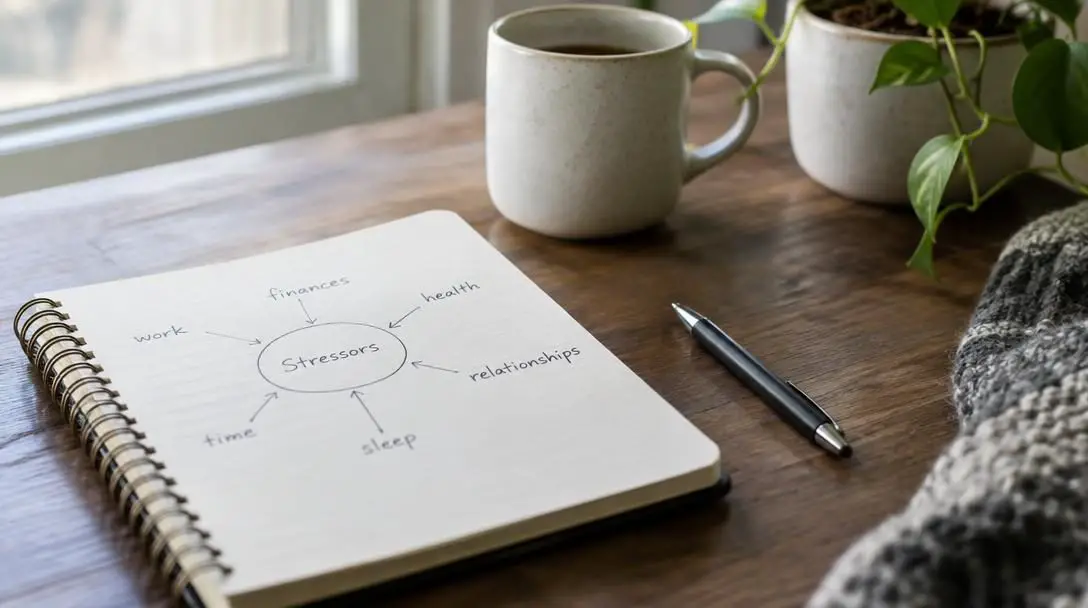
Conversely, internal stressors reside entirely within psychological habits. These internal elements frequently amplify or perpetuate distress even when external environments appear calm. Chronic self-doubt, rigid perfectionism, and relentless worry over hypothetical future catastrophes keep the nervous system continuously primed for an emergency that exists solely in the mind.
The Systemic Toll on Physical Health
The human body was designed to sprint away from immediate hazards, not endure an unbroken state of internal alarm. When stress becomes a constant companion, its physiological footprint extends across virtually every major biological system, producing noticeable, measurable symptoms.
- Cardiovascular degradation: Continuous biological arousal causes persistent constriction of blood vessels and sustained elevation in blood pressure, dramatically elevating the long-term risk of developing serious heart disease.
- Gastrointestinal disturbances: Elevated stress hormones interfere with gut motility and mucosal protection, contributing to frequent stomach aches, painful ulcers, and the worsening of irritable bowel syndrome.
- Sleep disruption: Chronic arousal interferes with the sleep-wake architecture, leading to persistent insomnia, difficulty falling asleep, and repeated awakenings that prevent restorative biological repair.
- Immune suppression: Sustained exposure to elevated cortisol weakens immune vigilance, leaving individuals markedly more susceptible to contracting common infections, seasonal illnesses, and slow wound recovery.
- Neuromuscular tension: Muscles held in a perpetual state of guarding lead to recurring tension headaches, locked jaw muscles, stiffness throughout the neck, and chronic musculoskeletal pain.
The Impact on Mental Clarity and Emotional Functioning
Just as physical organs bear the brunt of ongoing strain, cognitive resources and emotional stability steadily degrade under chronic pressure. Persistent physiological arousal drains psychological reserves, fundamentally altering emotional regulation, focus, and social engagement.
Prolonged stress significantly heightens vulnerability to chronic anxiety, leaving individuals in an enduring state of apprehension, restlessness, and hyper-vigilance. Over time, as mental and emotional stamina is depleted, this persistent nervous strain frequently slides into clinical depression, marked by a pervasive sense of hopelessness, emotional numbness, and deep lethargy.
In workplace and domestic contexts, this manifests as complete burnout—a state characterized by physical, cognitive, and emotional exhaustion. Sufferers experience debilitating brain fog, diminished working memory, and a pronounced inability to concentrate on routine assignments. As personal vitality wanes, affected individuals commonly retreat from social interactions, withdrawing from supportive friendships and compounding their distress through profound isolation.
Methods for Identifying Your Stressors
Because persistent tension often becomes normalized as ordinary background noise, pinpointing the precise catalysts behind systemic discomfort requires deliberate, structured observation. Rather than navigating a generalized sense of distress, implementing systematic tracking techniques brings objective clarity to underlying triggers.

- Maintain a structured stress journal: Dedicate a few minutes daily to recording specific events, conversations, or tasks that trigger noticeable spikes in irritation or pressure. Note the precise context alongside your internal emotional state to spot emerging trends over several weeks.
- Monitor real-time somatic cues: Pay acute attention to somatic early-warning signs, such as subconscious jaw clenching, sudden neck stiffness, shallow chest breathing, or tension headaches. When these bodily cues appear, pause immediately and trace backward to the exact thought, email, or meeting that preceded the feeling.
- Solicit candid external observations: Ask trusted family members, close friends, or reliable peers if they notice visible changes in your tone, body language, or demeanor during challenging periods. External observers frequently identify behavioral patterns that remain invisible to the person experiencing them.
- Analyze recurring friction clusters: Review your compiled records to group triggers into thematic categories—such as interpersonal friction, time mismanagement, or unrealistic self-criticism—to focus your remediation efforts effectively.
Practical Strategies for Sustainable Stress Reduction
Mitigating the burden of continuous strain does not require eliminating every challenging commitment; rather, it demands cultivating structured, reliable habits that actively lower physiological and emotional tension.
Engaging in regular physical exercise metabolizes excess stress hormones and resets the autonomic nervous system, rapidly elevating baseline mood and discharging pent-up somatic energy. Complementing exercise with targeted relaxation techniques—including focused deep breathing routines, structured meditation, or gentle yoga—actively prompts the parasympathetic nervous system to slow heart rates and facilitate physical recovery.
Protecting baseline biological needs remains equally non-negotiable. Securing seven to nine hours of restorative sleep per night gives neural networks the downtime required to clear metabolic waste and regulate mood. Concurrently, establishing firm personal boundaries—such as learning to say "no" to non-essential obligations—prevents overextension, while carving out time for unhurried hobbies, quiet reading, or warm baths restores depleted emotional reserves. When internal or external burdens grow too heavy to carry alone, seeking prompt guidance from close confidants or a licensed mental health professional provides critical perspective and specialized coping mechanisms.
Common Pitfalls in Stress Management
When individuals attempt to manage escalating strain, they often fall into reflexive coping habits that inadvertently exacerbate their underlying distress. Avoiding these missteps is essential for maintaining health.
- Waiting for a total health crisis: Postponing lifestyle modifications until severe physical illness, panic attacks, or catastrophic burnout occurs turns preventable strain into an emergency intervention.
- Relying on avoidance and numbing: Attempting to soothe pressure through chronic procrastination, excessive digital distraction, or ignoring financial and relational difficulties causes problems to compound in the background.
- Attempting radical lifestyle overhauls: Trying to simultaneously adopt a rigorous workout schedule, strict dietary rules, and radical daily routines adds another layer of performance anxiety, leading to early abandonment and discouragement.
- Neglecting internal cognitive narratives: Shifting external workloads while continuing to engage in harsh self-judgment, catastrophic thinking, and perfectionism keeps physiological threat responses fully active.
Frequently asked questions
How does short-term stress differ biologically from chronic stress?
Short-term stress is an adaptive reaction where cortisol and adrenaline temporarily spike to heighten focus, boost energy, and help you handle immediate demands, returning to baseline once the event ends. Chronic stress occurs when pressures persist without relief, keeping hormone levels constantly elevated and wearing down cardiovascular, immune, and digestive systems over time.
Why do physical symptoms like headaches or stomach pain occur during stressful periods?
During stress, the brain diverts physiological resources toward survival. This involves clenching muscles in defense—which triggers tension headaches and jaw pain—and downregulating digestive efficiency, which inflames gut pathways, disrupts motility, and can lead to ulcers, stomach discomfort, or irritable bowel syndrome.
What is the most effective way to identify hidden internal stressors?
The most effective strategy is keeping a daily stress log and tracking somatic signals. By recording instances of sudden muscle tension, clenched jaws, or rapid breathing, you can trace your steps backward to identify the specific thought patterns—such as perfectionism, fear of failure, or harsh self-criticism—that triggered the bodily response.
How much sleep is necessary to help the body recover from high daily stress?
Adults should consistently aim for seven to nine hours of quality sleep each night. This duration allows the central nervous system to reset, reduces circulating stress hormones, and facilitates cellular repair necessary to maintain emotional stability and mental focus.
Can changing external circumstances completely eliminate stress?
No, because external conditions represent only half of the equation. If an individual maintains internal habits like unrealistic expectations, chronic worry, and negative self-talk, the brain will continue to perceive threat and trigger physiological stress responses regardless of how peaceful the external environment may be.
The bottom line
Managing stressors is not a one-time project, but a continuing practice of self-observation, intentional boundaries, and responsive self-care. Demands inevitably evolve as careers transition, families grow, and physical health changes across different stages of life. Coping strategies that served you well in one season may require refinement when navigating new and unfamiliar challenges.
By learning to detect the early biological signals of strain, accurately separating internal cognitive distortions from external workplace or financial pressures, and adopting sustainable daily habits, you can stop the cycle of chronic tension. Prioritizing rest, setting realistic expectations, and reaching out for support ensures that stress remains a manageable, temporary challenge rather than a permanent threat to your long-term well-being.