5 Ways Dating Has Changed Since The 90s
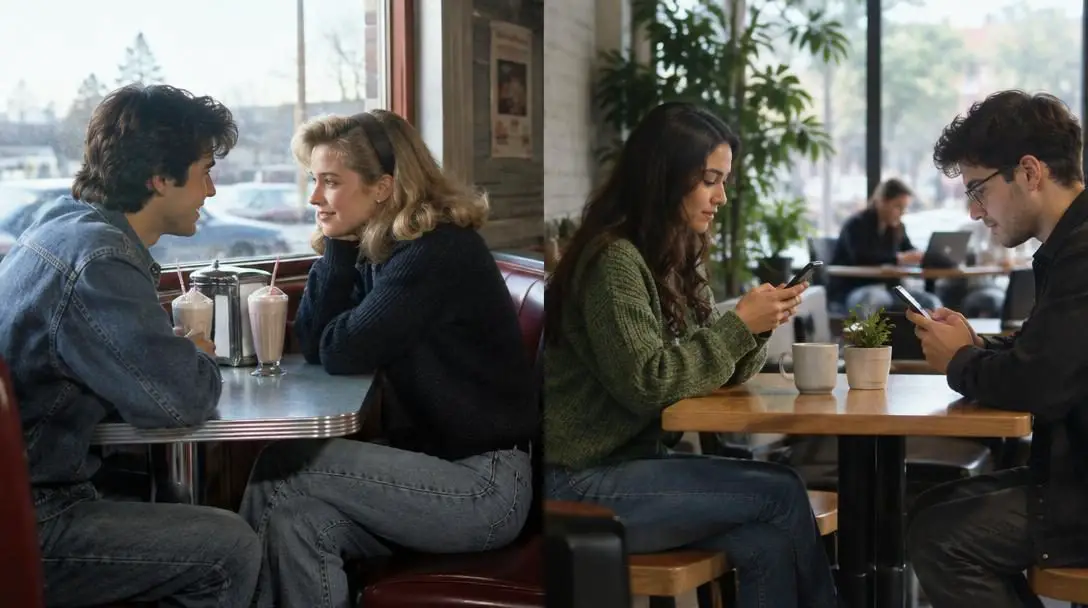
Romance in the 1990s belonged to an era defined by physical presence, mutual social circles, and direct spoken conversation. Finding a romantic partner meant meeting through school, workplace routines, neighborhood gatherings, or chance encounters at local community hubs, while asking someone on a date required face-to-face courage or a phone call to a shared landline where a parent or roommate might pick up first.
Fast forward to the modern era, and the romantic landscape has undergone a radical transformation. Driven by smartphones, matchmaking platforms, and shifting cultural standards, the rituals of courtship look profoundly different today than they did just a few decades ago.
Key takeaways
- Courtship shifted from serendipitous, real-world community encounters to curated digital discovery across specialized websites and mobile apps.
- Asynchronous messaging and social media profiles replaced scheduled landline phone calls and unvetted first encounters.
- Digital disengagement introduced widespread ghosting, creating a sharp contrast with traditional courtship expectations of explicit closure.
- Free video calling platforms dismantled the historical cost and logistical obstacles that once burdened long-distance couples.
- Evolving social norms and accessible contraception significantly reduced societal stigma surrounding premarital intimacy.
Dating in the 1990s compared to today
To appreciate how far romantic conventions have shifted, it helps to examine how the foundational mechanics of finding, contacting, and building a relationship have evolved. What once required geographical proximity and real-time vulnerability now unfolds across digital interfaces.
| Dating Dimension | The 1990s Experience | The Modern Landscape |
|---|---|---|
| Initial Discovery | Chance meetings, mutual friends, school, or work | Online dating apps, websites, and algorithmic matching |
| Daily Communication | Scheduled landline calls and in-person visits | Constant texting, messaging apps, and social updates |
| Pre-Date Research | Word of mouth or going in completely blind | Social media vetting of profiles, photos, and shared interests |
| Ending a Dynamic | Direct verbal conversations or phone breakups | Widespread ghosting and sudden digital silence |
| Long-Distance Contact | Costly long-distance landline calls and time-zone tracking | Free video calls via FaceTime, Zoom, and Skype |
| Social View on Intimacy | Significant stigma surrounding premarital sex | Broad societal acceptance of sex outside of marriage |
Modern courtship has moved from spontaneous luck in physical spaces to an ecosystem where prospective partners sit right at your fingertips.
Five major ways dating has changed since the 90s
The transformation of modern romance did not happen overnight. Rather, it unfolded through a series of technological breakthroughs and cultural realignments that dismantled traditional courtship across five distinct areas.
Online Dating
In the 1990s, online dating was practically non-existent for the general public. Looking for a partner meant moving through everyday routines, relying on chance encounters in public places, or asking friends and family members to facilitate an introduction. Today, finding romance rarely depends on spontaneous physical luck. Millions of people turn to a vast ecosystem of dating websites and mobile applications designed specifically for romantic discovery.
These platforms place an enormous variety of potential partners directly at your fingertips. While having so many options can sometimes make it difficult to determine which service aligns with your goals, the sheer convenience has eliminated the requirement of leaving home just to meet someone new. Singles can now browse prospective matches, filter by shared preferences, and establish contact long before deciding to meet in physical space.
Texting and Social Media
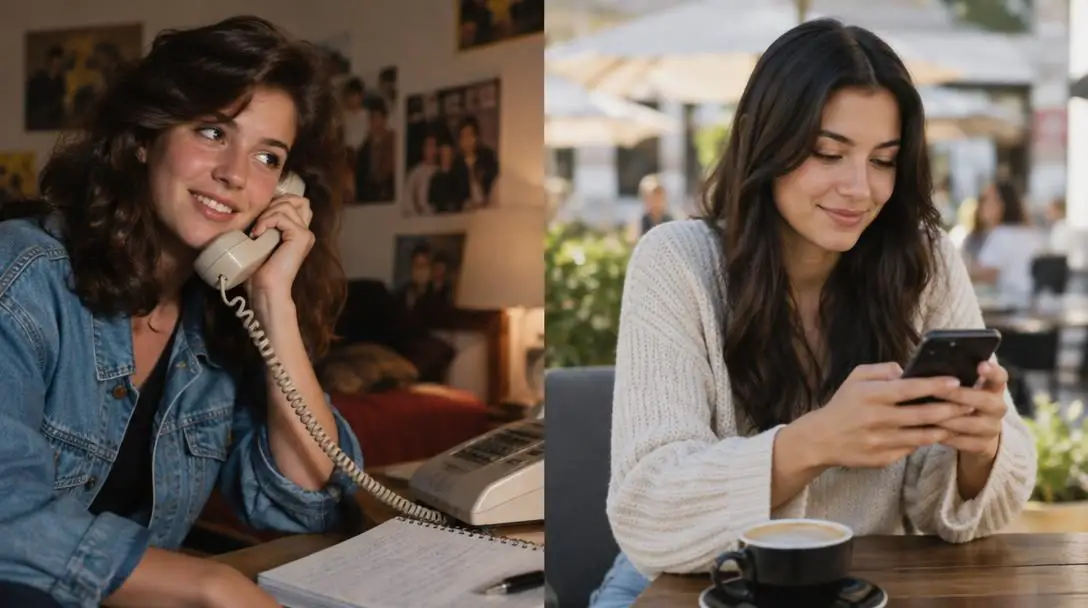
Text messaging was only just beginning to take off in the early 2000s, but it has quickly become central to modern life. Back in the 1990s, staying in touch with a romantic interest required scheduling an intentional landline call or making plans to see each other in person. Today, texting allows low-pressure communication to flow asynchronously throughout the day, fitting seamlessly around work, school, and busy personal schedules without requiring either party to pick up the phone.
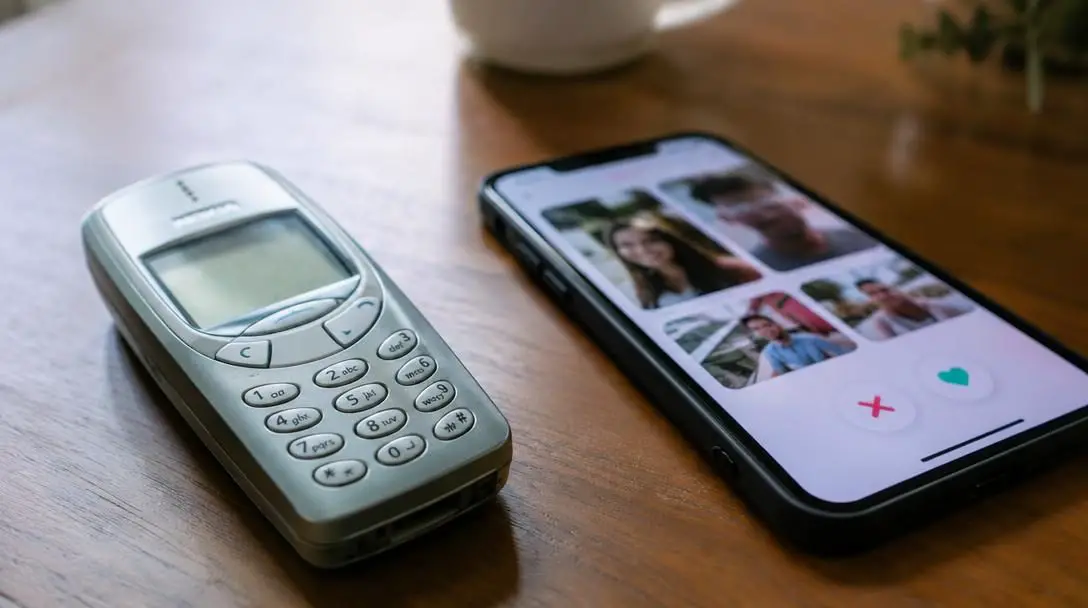
At the same time, social media channels have added an entirely new layer of digital vetting. Rather than walking into an initial date knowing only what mutual friends shared, daters can now review visual updates, hobbies, and mutual acquaintances beforehand. Glancing at someone's public profile gives singles a chance to gather helpful context and assess common interests before committing to an in-person meeting.
Ghosting
During earlier courtship eras, concluding a dynamic—even an uncomfortable or brief one—typically required an explicit conversation, whether carried out face-to-face or over the telephone. The practice of ghosting emerged around the 2010s as texting and smartphone messaging cemented their place as the primary ways people communicate.
Ghosting happens when someone abruptly stops replying to messages without providing an explanation, warning, or closure. Because digital interfaces make it easy to sever a connection by simply walking away from a screen, disappearing has turned into a widespread habit. However, this behavior frequently leaves the abandoned partner feeling confused, hurt, and questioning what went wrong, making it a habit that daters should actively avoid in favor of clear, respectful communication.
Long Distance Relationships
Maintaining a romantic bond across great physical distances used to be an uphill battle. In the 1990s, couples separated by geography had to carefully coordinate across different time zones to place landline phone calls that were frequently expensive, logistically awkward, and restricted to specific hours. The emotional connection had to survive on voice calls and written correspondence alone.
The invention and growth of video services like Skype, followed by modern tools like FaceTime and Zoom, have transformed long-distance dating. Free video calling technology bridges physical distance by allowing couples to see facial expressions, share spontaneous laughter, and participate in virtual dates in real time. Geography no longer represents the insurmountable barrier it once was, enabling partners living far apart to build and sustain a bond that feels genuine and immediate.
Sex Before Marriage Is More Acceptable
The social frameworks that govern physical intimacy have evolved dramatically over the past several decades. Throughout the 1990s, substantial societal pressure and cultural stigma surrounded premarital sex, with traditional expectations encouraging individuals to reserve intimate encounters for committed relationships or formal marriage.
In the contemporary dating landscape, premarital sex carries far less stigma, supported by the widespread accessibility of modern contraceptive technology and broader acceptance of casual dating among younger generations. This shift does not mean that every person chooses to engage in casual sex; rather, it indicates that society at large has expanded its definition of normal behavior. Singles today encounter significantly less public judgment when deciding what physical boundaries align with their personal beliefs.
How modern dating works in everyday practice
The transition from 1990s courtship to modern romance influences how people interact on an ordinary day. Successfully managing a contemporary relationship requires understanding how these technological tools and cultural expectations work together.
- Profile construction and discovery: Romance begins by building a personal digital profile complete with photos and short biographical details, enabling mutual matching rather than relying on chance physical meetings.
- Digital vetting before meeting: Singles routinely review shared posts, interests, and mutual contacts on social networks to evaluate basic compatibility before agreeing to a first date.
- Asynchronous micro-conversations: Instead of waiting days between phone calls, modern partners maintain ongoing contact via quick texts, sharing moments from their daily routines in real time.
- Virtual face-to-face dates: Couples separated by miles use high-definition video calls to share face-to-face conversations without paying long-distance telephone rates.
- Explicit boundary discussions: Because cultural expectations around physical intimacy vary widely, couples must openly communicate their relationship expectations and comfort levels early in the process.
Practical steps for navigating today's dating scene
Adapting to the modern dating environment requires deliberate habits that take advantage of modern convenience while avoiding the emotional traps of digital detachment.
- Choose a matchmaking platform that reflects your goals. With dozens of apps available, select a service tailored to the type of relationship you desire, whether long-term commitment or casual dating.
- Balance texting with real-world dates. While digital messaging helps coordinate logistics and maintain low-pressure contact, make an effort to schedule face-to-face meetings to test genuine chemistry.
- Practice direct communication instead of ghosting. If you realize you do not wish to continue seeing someone, send a prompt, polite message rather than vanishing and leaving them without closure.
- Incorporate video calls to bridge physical distance. If dating across different cities, use platforms like Zoom or FaceTime on a consistent schedule to preserve non-verbal intimacy.
- Clarify your personal standards for intimacy early. Given that premarital sex is widely accepted but personal beliefs still vary, clearly articulate your comfort levels and expectations rather than assuming your partner shares them.
Common modern dating mistakes to avoid
While modern tools make finding romance more convenient, they also introduce specific pitfalls that were rarely encountered by singles in the 1990s. Recognizing these errors helps protect your emotional well-being.
- Treating ghosting as harmless: Assuming that walking away from a conversation without a word does not hurt the other person overlooks the confusion and self-doubt digital silence creates.
- Over-relying on curated online profiles: Placing total faith in a polished social media presence can set up unrealistic expectations, as digital personas rarely capture everyday human quirks.
- Using text messaging as a crutch: Avoiding phone calls or face-to-face conversations entirely strips away tone and vocal warmth, increasing the odds of misunderstanding.
- Making assumptions about sexual values: Believing that every prospective partner shares identical attitudes toward casual sex or traditional boundaries leads to misaligned expectations.
- Failing to schedule intentional time in long-distance bonds: Relying solely on passive messaging without dedicated, face-to-face video dates causes long-distance dynamics to lose momentum over time.
Frequently asked questions
When did online dating and texting become widespread?
Online dating was not a common feature of romance in the 1990s, when people relied primarily on daily routines, chance encounters, and mutual friends. Text messaging began gaining momentum in the early 2000s and eventually grew into the standard method for coordinating plans and staying in touch.
Why did ghosting become so common in modern dating?
Ghosting became prominent around the 2010s as smartphone messaging became the dominant communication channel. The detachment offered by digital screens allows individuals to end a dynamic simply by ignoring notifications, bypassing the uncomfortable verbal conversations that were once standard.
How did technology make long-distance relationships easier?
In the 1990s, long-distance couples faced steep telephone charges and had to navigate different time zones just to speak over landlines. The advent of Skype, FaceTime, and Zoom introduced free, real-time video communication, making it possible to share visual reactions and maintain intimacy regardless of location.
Why is premarital sex more widely accepted now than in the 90s?
Societal stigma around premarital sex has declined significantly due to greater accessibility to modern contraceptive technology and broader cultural acceptance of casual dating outside of marriage, giving individuals far more autonomy over their personal choices.
Should daters rely entirely on social media profiles before meeting?
While social media allows daters to review shared interests and get a general impression of a person before an initial date, it should not replace real-life interaction. Curated profiles present an idealized image, whereas true chemistry can only be confirmed in person.
The bottom line
The shift from 1990s courtship rituals to contemporary dating reflects broad technological and cultural changes. While smartphones, algorithms, and video calls have made meeting people easier and more flexible, the core fundamentals of romance remain unchanged. Treating partners with dignity, communicating personal boundaries clearly, and choosing open dialogue over digital silence ensure that modern courtship remains fulfilling, respectful, and genuinely human.