Texting Etiquette: 5 Tips For When You Are Starting To Date Someone

Text messaging was first introduced at the tail end of 1992, but it took roughly a full decade before mobile communication matured into an everyday habit for phone owners worldwide. In those early years, digital communication was restricted by strict character limits, network constraints, and carrier costs per message. Today, those technical hurdles have largely vanished. The rise of versatile, borderless messaging applications has transformed how people interact, making digital correspondence a primary channel through which modern romance is built and maintained.
Because messaging is so effortless and constant, it functions as the central bridge between dates, keeping potential partners connected throughout their busy days. However, written messages lack the crucial nuances of face-to-face dialogue, including vocal inflection, physical posture, and facial expressions. Without these visual and auditory signals, messages can easily be misinterpreted, leading to needless tension. Mastering basic digital etiquette early on is vital to demonstrating emotional maturity, building authentic trust, and keeping a promising connection alive.
Key takeaways
- Texting serves as a convenient digital bridge between dates, but the absence of tone and body language makes mindful communication essential.
- Overwhelming a new romantic partner with rapid-fire messages or clingy demands can disrupt their routine and damage early attraction.
- Taking the initiative to spark lighthearted, engaging dialogue avoids frustrating communication standoffs and artificial dating games.
- Keeping early conversations PG-13 ensures mutual comfort and builds a secure emotional foundation before exploring adult intimacy.
The evolution of mobile messaging in modern romance
When text messaging arrived in late 1992, few could have anticipated how deeply it would reshape interpersonal relationships. Early mobile adopters faced rigid constraints, carefully drafting short notes to avoid exceeding character caps or incurring extra charges from service providers. Over the following decade, cellular infrastructure expanded, technology became ubiquitous, and messaging apps removed virtually all friction from sending a message. As a result, digital correspondence shifted from an occasional convenience to a perpetual stream of interaction that spans the entire day.
In contemporary dating, this constant accessibility is both an asset and an obstacle. On one hand, text messaging enables two people to discover shared interests, check in, and coordinate schedules with ease. On the other hand, it places the burden of communication entirely on the written word. Without physical cues to provide context, words are easily over-analyzed. A casual remark can come across as dismissive, dry humor can be mistaken for hostility, and unexpected delays in replying can trigger unwarranted worry. Recognizing these technological dynamics allows daters to treat text messaging as a helpful tool rather than a high-stakes obstacle course.
Five essential texting rules for early dating
Navigating the initial weeks of dating requires striking a delicate balance between showing enthusiasm and respecting personal space. Applying these five foundational rules helps establish a healthy, low-stress dynamic as you get to know someone new.
| Etiquette rule | Primary goal | What to avoid |
|---|---|---|
| Don't bombard them | Preserve conversational breathing room | Rapid-fire, fragmented message streams |
| Be respectful and patient | Honor the other person's schedule | Demanding updates or instant replies |
| Don't be clingy | Maintain autonomy and healthy boundaries | Expecting around-the-clock availability |
| Initiate conversation | Show genuine interest and momentum | Playing passive games or waiting endlessly |
| Keep it PG-13 | Build comfort, safety, and rapport | Forcing premature adult or explicit topics |
Don’t bombard them with messages
When chemistry sparks between two people, the natural surge of excitement often tempts you to fire off multiple thoughts in rapid succession. Sending a steady stream of notifications before your date has had an opportunity to open or reply to your initial text can quickly turn an exciting interaction into an exhausting one. Even if your intent is simply to share an amusing thought or keep the energy moving, your date may perceive a barrage of texts as intrusive. A prospective partner might look forward to glancing at their screen to see a thoughtful note from you, but a phone that buzzes incessantly during a busy workday or personal routine creates an unnecessary burden. Strive to keep your thoughts condensed, focused, and manageable.
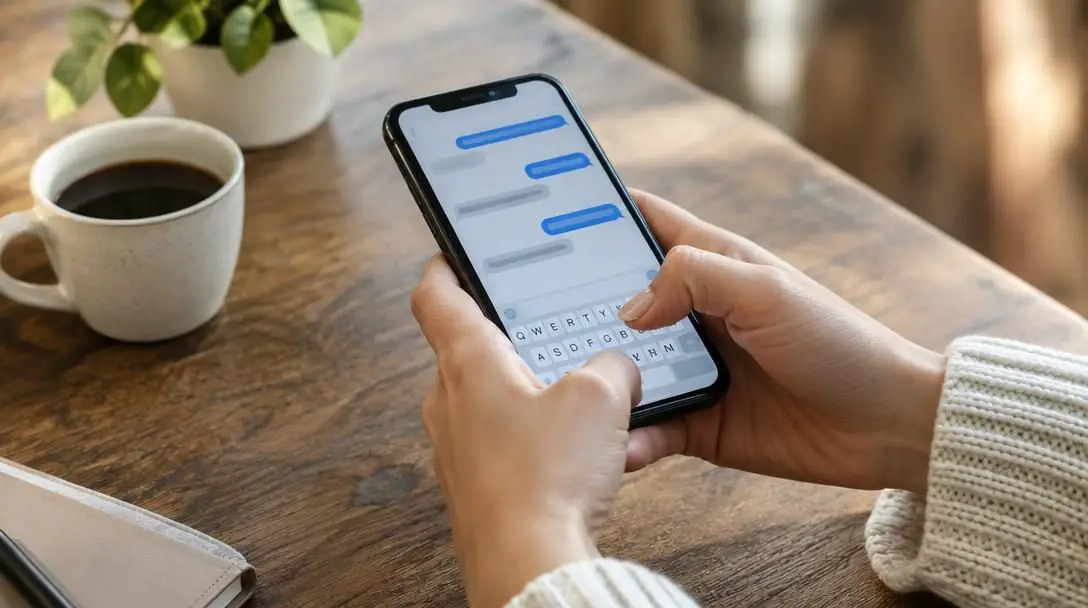
Be respectful and patient
Everyone balances a demanding matrix of responsibilities, including job duties, family obligations, and unexpected daily errands. While people intentionally carve out space for romance, daily obligations will inevitably require their full, undivided attention at times. Demonstrating patience during these lulls shows emotional maturity and self-assurance. Anxious texters who repeatedly ask for status reports or seek validation when a reply does not arrive instantly run the risk of alienating their match. Respecting private boundaries signals that you have a balanced lifestyle of your own. If you genuinely feel that your communication needs are being neglected over time, have an open conversation about it rather than resorting to passive-aggressive demands.
Don’t be clingy
Developing feelings for someone often triggers a desire to remain in contact without interruption. When left unchecked, however, this impulse can easily cross into clinginess, causing your date to feel boxed in and retreat. Preserving individual autonomy is critical during the initial chapters of courtship. Romance flourishes best when both parties schedule dedicated in-person dates while continuing to prioritize their own personal circles, hobbies, and career goals. Offering a brief heads-up when you are about to step away to focus on your own projects ensures your partner knows they are not being ignored, while setting healthy expectations for both of you.
Initiate conversation
Many budding romances stall because daters become trapped in an unhelpful guessing game: figuring out how many hours to wait before replying or debating who should be the one to break the silence. These outdated games of playing hard to get waste valuable time and breed needless friction. Modern daters have little patience for passive communication where one person expects the other to do all the heavy lifting. Instead of waiting indefinitely for the other person to make the first move, step forward and start the dialogue yourself. Bringing up a shared interest, asking an engaging question, or commenting on an enjoyable memory keeps the dynamic lively and shows refreshing confidence.
Modern daters rarely have patience for artificial games or passive behavior where one person merely plays follow the leader.
Keep it PG-13
Establishing conversational restraint is one of the most important boundaries in early dating. Introducing overtly sexual, highly explicit, or suggestive topics prematurely can easily startle a new partner and derail genuine mutual interest. Intimate themes are best left to emerge organically after both participants have developed a solid foundation of trust, emotional safety, and shared comfort. The only exception to this standard is if both individuals have openly agreed from the very start to keep their arrangement strictly casual and R-rated. Otherwise, focus your messages on lighthearted flirting, discovering shared values, and learning about everyday experiences. Clear consent and mutual alignment must always guide romantic exchanges.
How text dynamics differ from face-to-face interaction
Digital messaging operates on distinct social principles that contrast sharply with physical conversation. When speaking in person, individuals automatically interpret a wide spectrum of non-verbal signals. Vocal cadence, pitch, eye contact, and physical micro-expressions instantly clarify meaning and soften blunt statements. Text messaging strips these cues away entirely, leaving only punctuation, word choice, and timing to express your state of mind.

Because text messages do not happen in real time, the pauses between texts become a form of silent communication. In early dating, people often look closely at response intervals and text lengths to evaluate mutual interest. If one person sends extensive, paragraph-length updates while the other offers sparse, one-word replies hours later, the conversational asymmetry becomes glaringly evident. Recognizing this dynamic helps both partners maintain a balanced rhythm, preventing one person from feeling drained while the other feels neglected.
Practical steps for smoother text exchanges
Refining how you text does not require calculated manipulation or rigid rules; it simply requires mindfulness. Incorporating a few intentional communication habits can ease dating anxiety and foster clear, comfortable exchanges.
- Mirror communication balance: Observe the general effort, message length, and frequency your partner brings to the conversation. Keeping your replies reasonably proportional prevents the dialogue from feeling one-sided or overwhelming.
- Formulate open-ended questions: Steer clear of yes-or-no inquiries that can easily lead to conversational dead ends. Ask questions that invite your date to share personal stories, favorite memories, or opinions about their passions.
- Prioritize clarity over brevity: Sarcasm, dry irony, and ambiguous phrasing do not always translate well across a glass screen. Being clear and straightforward prevents unnecessary second-guessing.
- Communicate your availability: If you are entering a hectic meeting, attending a family gathering, or embarking on a project where you cannot check your phone, send a quick heads-up to manage expectations smoothly.
- Move conversations offline: Use text messaging primarily to coordinate phone calls, video chats, and face-to-face outings. Over-reliance on messaging alone can lead to digital burnout and stall true emotional growth.
Common texting mistakes to avoid in early dating
Even well-intentioned daters frequently slip into bad digital habits that can accidentally chill a promising romance. Remaining conscious of these frequent pitfalls will help you avoid misunderstandings and keep interactions engaging:
- Double-texting out of anxiety: Sending a second or third text simply to demand an explanation for a delayed response signals insecurity and creates uncomfortable pressure.
- Engaging in passive-aggressive timing: Artificially delaying your responses for specific increments of time solely to appear less invested disrupts genuine connection and creates unnecessary barriers.
- Over-interpreting response delays: Assuming that a gap in communication automatically reflects fading attraction leads to groundless worry; people have demanding careers and lives away from their devices.
- Rushing physical intimacy via text: Introducing adult or explicit discussions before building comfort and establishing explicit consent can cause your date to feel objectified or uncomfortable.
- Using texting to resolve major conflicts: Attempting to settle complex disagreements or air grievances solely through written messages usually worsens tension because vocal inflection and emotional warmth are missing.
Frequently asked questions
How long should I wait before texting someone back?
There is no mandatory rule or set number of hours to wait. Modern daters value directness and authenticity over artificial games. Simply reply when you have a free moment and are genuinely able to focus on crafting a thoughtful response.
What should I do if a new match takes hours to reply?
Practice patience and avoid jumping to negative conclusions. Daily obligations, work meetings, family events, and basic errands frequently require someone's complete focus. Give them the benefit of the doubt and keep yourself engaged with your own passions and schedule.
Is it bad to double-text when getting to know someone?
Sending a quick follow-up to share a related link or add a lighthearted afterthought is generally fine. The problem arises when double-texting is driven by anxiety or when you are demanding an explanation for why the previous message went unanswered.
When is it appropriate to move beyond PG-13 conversations?
Explicit topics should be reserved for when both individuals have cultivated genuine comfort, mutual rapport, and an emotional foundation, unless both parties explicitly agreed from the start to pursue an R-rated connection. Consent and mutual alignment remain essential.
Should relationship conflicts ever be handled over text?
No. Resolving serious grievances or emotional misunderstandings through written messages often escalates the issue. Tone of voice, empathy, and facial nuances are lost on a screen, making phone calls or in-person conversations far better suited for conflict resolution.
The bottom line
As two people grow more familiar with one another, their communication style will naturally adapt. Texting etiquette provides a helpful framework during the initial stages of dating, but lasting relationship compatibility depends on how both partners learn to communicate openly as time goes on. Every dynamic is unique; some couples enjoy trading brief check-ins throughout the day, while others prefer saving meaningful discussions for evening phone calls or in-person dates.
Ultimately, text messaging should serve as an enhancement to your budding romance rather than a source of chronic anxiety. By exercising patience, honoring personal boundaries, taking the initiative to spark pleasant conversations, and maintaining conversational restraint, you create a comfortable space for genuine connection. Using digital tools to support—rather than replace—real-world connection provides the solid foundation needed for an authentic partnership.