Should You Research Your Tinder Date Online?

Meeting romantic partners through dating apps has quickly shifted from an unconventional alternative to the standard way modern connections begin. Where previous generations relied on serendipitous real-world encounters, introductions arranged by mutual acquaintances, or local community events, contemporary daters navigate an expansive digital landscape. Modern platforms cater to an enormous range of preferences, lifestyles, and communities, offering spaces for people seeking casual encounters, lifelong partnerships, or simple companionship.
While platforms such as Hinge, Badoo, and Plenty of Fish boast substantial followings, Tinder continues to stand out as a central hub for young adults exploring romance. Yet, connecting with dozens of unfamiliar individuals in an afternoon creates a real challenge: verifying that the person behind the screen is who they claim to be. Because dating profiles do not guarantee total honesty, many daters wonder whether conducting a little online sleuthing before a first date is a wise precaution or an invasion of personal boundaries.
Key takeaways
- Dating apps offer built-in protections like Tinder's blue check mark profile verification, but they cannot confirm every biographical claim.
- A surface-level check across search engines, social media, and professional networks can verify basic facts such as employment, hometown, and relationship status.
- Deep background investigations run the risk of stripping away context, creating awkward conversation slips, and making you appear overly suspicious.
- Major discrepancies between what a match claims in chat and what their public records show should be treated as immediate warning signs.
The modern dating landscape and in-app verification
The explosive rise of digital romance has transformed modern social habits. Rather than crossing paths at neighborhood gatherings or relying on mutual friends to vouch for someone's character, daters routinely message complete strangers based on a handful of photos and a brief bio. The marketplace has fragmented to cater to nearly every personal demographic, lifestyle, and relationship goal, yet Tinder remains the most recognizable platform for singles looking to chat, date, or find long-term love.
With that immense reach comes the inevitable risk of encountering dishonest actors, fake profiles, or catfishes. To combat impersonation, dating apps have introduced native safety features designed to build baseline trust between users. Tinder offers an optional profile verification process that prompts users to submit a real-time, live photo of themselves. The platform's automated systems compare this live snapshot against the images uploaded to the user's public profile.
When an account completes this verification process, Tinder awards it a blue check mark. This visual badge gives potential suitors confidence that the person chatting behind the screen matches their photos, weeding out outright impostors. In addition to verification badges, the platform maintains a dedicated safety center filled with resources, practical tips, and advice on navigating digital risks and planning secure real-world dates.
Where digital sleuthing uncovers the most information
When in-app badges and automated safety tools do not provide enough peace of mind, many daters conduct their own independent research. Because modern life leaves a broad digital footprint, even a first name paired with a city, employer, or alma mater can uncover considerable background information across public platforms.
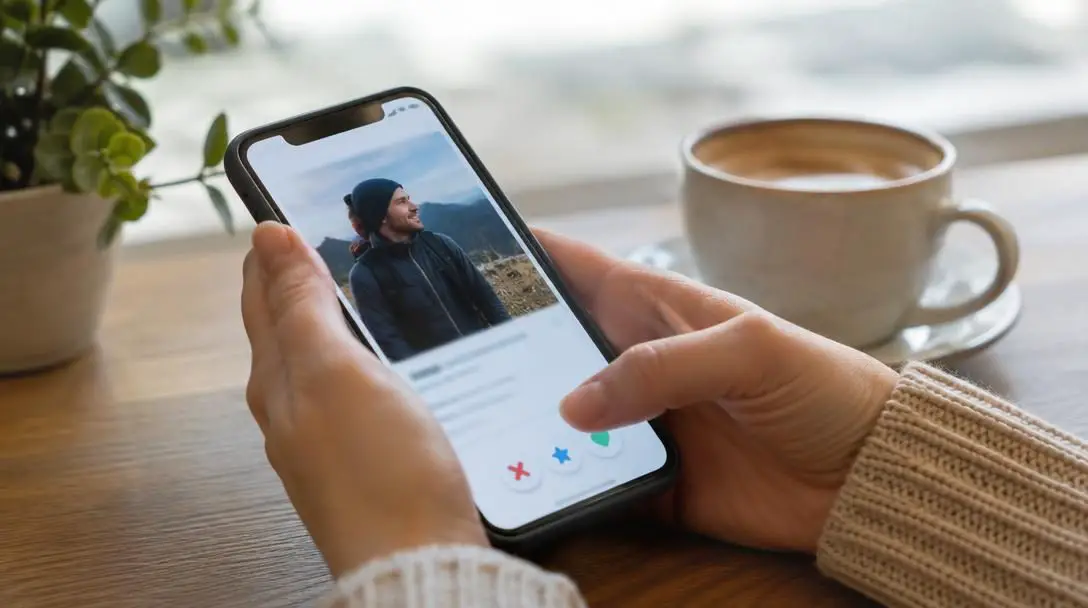
Daters generally turn to a combination of general search engines, professional registries, social networks, and public records providers to gather context. A routine query on Google can aggregate community news, regional event mentions, old personal blogs, or university directories. These disparate pieces of information help form a clearer picture of whether someone lives and works where they say they do.
Social and professional platforms offer targeted insights into a person's everyday life. Professional networks like LinkedIn make it easy to confirm an individual's career trajectory, proving whether their stated profession matches reality. Meanwhile, casual social media channels such as Facebook offer biographical foundations. Scanning the publicly visible about section can verify an individual's hometown, educational history, and stated relationship status. For daters who sense that something is off, paid background verification services provide a consolidated look at municipal, county, and state public records, including legal filings and criminal histories.
| Research Channel | Primary Information Checked | Main Safety & Verification Value |
|---|---|---|
| Tinder Verification Badge | Live selfie matched against profile photos | Confirms physical authenticity and prevents catfishing |
| Google Search Queries | Web mentions, regional news, community records | Establishes digital footprint and general location consistency |
| LinkedIn Profiles | Employment history, industry, current employer | Verifies career claims and professional transparency |
| Facebook About Sections | Relationship status, hometown, family background | Flags hidden relationships and validates casual biographical facts |
| Paid Background Databases | Municipal, county, and state criminal filings | Identifies legal entanglements and serious safety threats |
A step-by-step guide to vetting a match responsibly
Checking out a romantic prospect does not require an exhaustive investigation. Approaching the task with a calm, structured routine ensures you address practical safety considerations without wasting hours scouring the web.
- Check for built-in verification badges: Start by examining their dating profile to see if they possess Tinder's blue check mark, which confirms they completed the live photo verification process.
- Review professional history on LinkedIn: Search their name and stated industry to confirm that their employment aligns with the career details they shared in your initial conversations.
- Examine public biographical details on social media: If their Facebook profile is publicly accessible, look through the about section to cross-check their hometown, background, and listed relationship status.
- Compare public facts against casual small talk: Note whether the basic personal anecdotes they volunteer—such as where they went to school or grew up—match the information found online.
- Access public or criminal records if serious doubts persist: If an interaction raises severe red flags, consider utilizing reputable paid background check services that compile county, state, and municipal filings.
- Trust your natural intuition: Pay close attention to your gut feelings; if an interaction feels suspicious or dishonest, a quick check can help you step away from a potentially risky situation.
Five critical mistakes to avoid when investigating a date
While verifying personal safety is entirely sensible, overzealous sleuthing can undermine a budding romance before it even begins. Dating experts emphasize that taking digital investigations too far leads to distorted impressions, awkward interactions, and unnecessary anxiety.
Judging a book by its cover
Searching for someone online produces fragmented information disconnected from the context of their real life. Outdated posts, awkward photographs, or misunderstood public comments can easily lead you to draw unfair conclusions. Making snap judgments based on detached internet scraps risks prematurely dismissing someone who could be a wonderful, considerate match in the real world.
Creating awkward conversational moments
When you spend considerable time browsing a match's digital history, it becomes surprisingly easy to let unshared details slip into casual conversation. Referencing a past vacation, a sibling's name, or a previous workplace that the other person never brought up reveals that you have been studying their life. This misstep disrupts natural conversational rhythm and can make the other person feel intensely scrutinized.

Appearing paranoid to your match
Conducting deep investigations before meeting for a quick drink signals to your date that you harbor deep-seated distrust. If your sleuthing becomes obvious, the other person may perceive you as hyper-suspicious or intrusive. Establishing mutual comfort requires giving the other party an opportunity to share their personal life on their own terms.
Learning every minor detail about someone before meeting them takes away the fun of getting to know another person through conversation, turning an exciting first date into a formal verification exercise.
Ignoring significant red flags
The inverse of over-researching is uncovering glaring discrepancies and choosing to explain them away. If your research reveals that your match claims to be single while displaying an active romantic partnership online, or if their career is completely fabricated, treating these findings as trivial misunderstandings defeats the purpose of checking. Major inconsistencies are genuine warning signs that should never be dismissed.
Over-researching to the point of ruining natural discovery
Part of the excitement of early dating lies in the gradual, organic discovery of another human being's quirks, values, and humor. When you uncover every minor detail of their life through social media archives, first-date conversations turn into passive confirmation exercises rather than authentic exchanges. Preserving room for curiosity helps early dating remain fun and spontaneous.
Frequently asked questions
Is it normal to research a dating app match before meeting?
Yes, conducting a surface-level search before meeting an online acquaintance has become a standard safety practice. Checking that a person's photos are verified on Tinder or confirming their professional identity helps establish baseline peace of mind before planning an in-person date.
How does Tinder's photo verification process work?
Tinder's verification system asks users to capture and upload a real-time, live selfie within the application. The system compares that live image to the photographs displayed on the profile. Once verified, the profile receives a blue check mark indicating that the account owner matches their images.
What specific details should you look for on social media?
Focus on basic biographical facts that align with everyday safety. Reviewing public about sections on platforms like Facebook helps verify where someone is from, their general background, and whether their current relationship status matches what they claimed during chat conversations.
Can pre-date research reveal criminal records?
Standard search engines and social media networks rarely display full legal histories. Daters who have serious safety doubts often turn to paid background check services, which aggregate municipal, state, and county records to compile legal filings and criminal backgrounds into a single report.
What should you do if an online search reveals inconsistent information?
If major details like relationship status, identity, or career contradict what your date volunteered, take those discrepancies seriously. Trust your instincts, re-read the safety resources provided in Tinder's safety center, and step back from the match to protect your personal well-being.
The bottom line
Deciding how much research to conduct on a dating match comes down to personal comfort and common sense. Surface-level checks across public platforms like LinkedIn or Facebook—alongside native tools like Tinder's blue check mark verification—provide sensible boundaries that confirm basic honesty. These precautions allow you to weed out deceptive accounts and protect your safety before stepping out for an evening together.
At the same time, safety measures should never overshadow the enjoyment of dating. Avoid transforming early romance into an exhaustive background investigation that strips away organic discovery and creates mutual awkwardness. If an interaction feels comfortable and consistent, do not overthink it. Verify what you need to feel secure, rely on your intuition, and allow yourself to relax and enjoy the process.