5 Weird Dick Van Dyke Facts You’re Dying To Know
Dick Van Dyke stands as one of the most recognizable and enduring performers in American entertainment history. Over the span of several decades, he has showcased his skills across stage, television, and cinema, winning the hearts of multiple generations through his sunny demeanor, elastic movements, and impeccable sense of comedic timing. He initially broke out into major stardom through Broadway productions, leading directly into his iconic television program, The Dick Van Dyke Show, and beloved cinematic treasures such as the classic musical Mary Poppins.
Despite living so much of his life in front of audiences and camera crews, his path to global recognition contains several unexpected detours, quirky personal choices, and lesser-known talents. Exploring these surprising facets of his history reveals how a multi-talented entertainer who sang, danced, acted, and performed demanding physical comedy routines navigated reinvention, technological disruption, and the fine mechanics of stagecraft.
Key takeaways
- Dick Van Dyke was born Richard Wayne Van Dyke and altered his surname from Von Dyke to create a sharper look on theater marquees.
- He was initially rejected for the role of Bert in Mary Poppins due to his natural American accent before winning over producers with his persistence and energy.
- A trained master of pantomime, he demonstrated high-level non-verbal storytelling in silent comedy sequences on The Dick Van Dyke Show.
- Before entering show business, he pursued serious paths toward the Christian ministry in seminary and studied to become a radio announcer.
- Well into his nineties, he actively uses modern social media, sets smart-home bird alarms on Amazon Echo, and helped develop assistive audio earbuds with Nuheara.
At a glance: Five surprising facets of Van Dyke’s career
To understand how Dick Van Dyke built such a resilient and versatile career, it helps to examine the unexpected decisions and hidden talents that shaped his professional identity. The table below outlines each major facet, its entertainment domain, and the core creative takeaway it provides.
| Focal Area | Entertainment Domain | Key Circumstance | Core Takeaway |
|---|---|---|---|
| Stage Name Evolution | Personal Branding | Adjusted original surname Von Dyke using a local telephone book | Streamline public presentation for visual clarity and recall |
| Mary Poppins Casting | Screen Acting | Overcame rejection regarding his American voice to play Bert | Rebound from initial skepticism with energetic persistence |
| Pantomime Mastery | Physical Comedy | Staged dialogue-free sequences on The Dick Van Dyke Show | Master non-verbal movement to communicate narrative intent |
| Alternative Vocations | Career Development | Enrolled in seminary and studied radio before pursuing theatre | Embrace strategic pivots until finding genuine creative alignment |
| Modern Technology | Digital Innovation | Uses Twitter, Amazon Echo, and partners with Nuheara for audio tools | Stay actively engaged with contemporary tools regardless of age |
Five surprising facts behind Dick Van Dyke’s legendary career
Behind the polished routines and effortless charm lies a series of deliberate choices, unconventional career transitions, and ongoing curiosities that set Dick Van Dyke apart from standard Hollywood icons.
Richard Wayne Van Dyke
- Birth Name: Richard Wayne Van Dyke
- Original Ancestral Name: Von Dyke
- Discovery Method: Local telephone directory
- Primary Objective: Legibility on theatrical marquees
The man recognized worldwide as Dick Van Dyke was originally born Richard Wayne Van Dyke. His stage identity underwent deliberate changes early in his performance career after a fellow performer pointed out that he needed a moniker that was simpler for ticket-buyers and audiences to pronounce and remember. Looking for an effective solution, Van Dyke leafed through a local telephone book to browse alternative surname choices, ultimately settling on the familiar spelling because he liked its specific rhythm and ring.
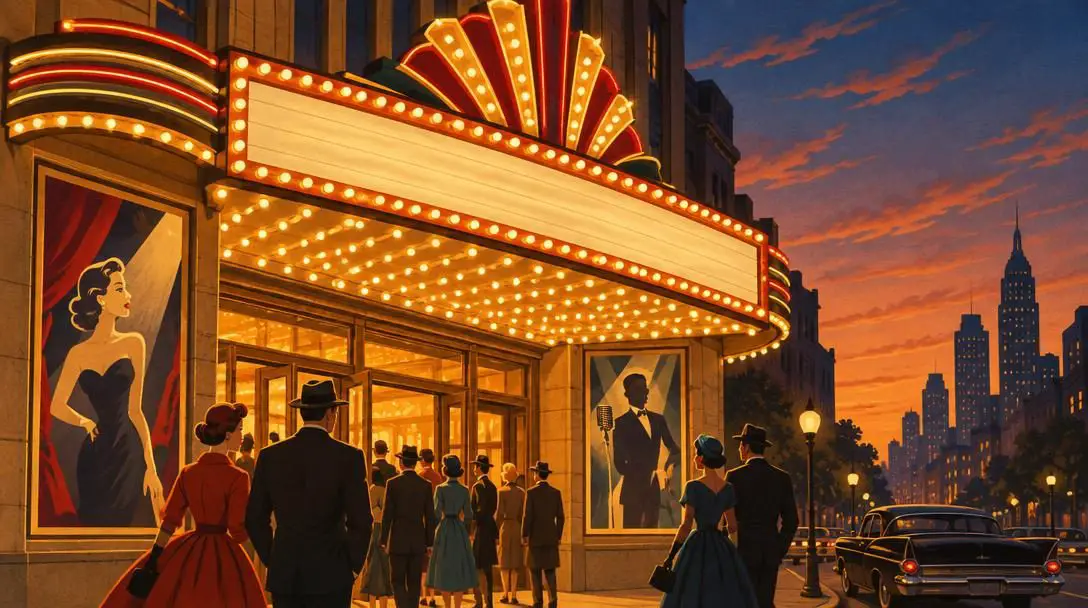
His family surname was originally spelled "Von Dyke." The decision to make the transition to "Van Dyke" was guided by a keen eye for visual commercial design. He determined that the letter arrangement of "Van Dyke" looked substantially sharper, cleaner, and more balanced when printed across a brightly illuminated theater marquee, demonstrating an early awareness of stage branding and audience perception.
Bert the Chimney Sweep

- Fictional Character: Bert
- Feature Film: Mary Poppins
- Initial Casting Barrier: Natural American accent
- Turning Point: Tireless enthusiasm and Cockney audition
It is difficult to envision the classic musical Mary Poppins without Van Dyke's signature portrayal of the joyful chimney sweep Bert, but the role nearly went to someone else. During his initial audition for the Walt Disney production, the creative team turned him down. They stated plainly that his natural American speaking voice made him an unsuitable match for an unmistakably British character.
Rather than accepting the verdict, Van Dyke pushed back against the studio's initial hesitations. Determined to secure the role, he organized an effort to convince the production team that he could master an authentic Cockney accent. His boundless vitality, infectious charisma, and unwavering dedication won over the creative decision-makers, leading directly to one of the most memorable and celebrated musical roles in cinematic history.
Pantomime Physical Comedy
- Discipline: Classical Pantomime
- Key Medium: The Dick Van Dyke Show
- Primary Vehicle: Dialogue-free morning routine sequence
- Artistic Requirement: Non-verbal narrative precision
While celebrated for his rapid-fire vocal timing and musical cadence, Van Dyke spent extensive time refining the specialized art of pantomime performance craft. Pantomime demands that an actor articulate intricate scenarios, subtle emotional states, and full narrative arcs entirely through physical action, body balance, and facial expression without uttering a single line of spoken dialogue.
He developed these physical tools early in his stage years and later integrated them seamlessly into mainstream television comedy. A celebrated example appears in an episode of The Dick Van Dyke Show, in which his character goes through the elaborate process of getting dressed and ready for work in absolute silence to prevent waking his sleeping spouse. The extended sequence relies exclusively on spatial awareness, physical precision, and comedic rhythm, serving as an enduring masterclass in silent performance.
The mark of enduring stagecraft lies in expressing genuine narrative clarity before speaking a single syllable of dialogue.
Seminary and Radio Vocations
- Initial Ambition: Ordained Christian ministry
- Intermediate Study: College coursework in radio announcing
- Eventual Direction: Broadway stage and theatrical performance
Van Dyke’s early aspirations were detached from commercial entertainment. During his formative years, he felt a powerful pull toward religious service and planned to become a minister. He took formal steps toward that goal by enrolling in a theological seminary, where he spent dedicated time studying religious doctrine and ministerial practice before concluding that the pastoral vocation was not his authentic calling.
After leaving the seminary, he redirected his ambitions toward broadcasting, enrolling in college courses designed to train him as a professional radio announcer. It was only after discovering an overwhelming passion for live theatrical expression that he abandoned the radio booth entirely. This pivotal realization led him to pursue professional acting, eventually launching the breakthrough Broadway performances that paved his way to stardom.
Nuheara Smart Earbuds

- Consumer Electronics: Amazon Echo bird chirp alarms
- Social Platform: Twitter for news and cultural commentary
- Commercial Tech Partner: Nuheara
- Primary Assistive Function: Speech amplification and noise filtering
Advancing years have done nothing to curb Van Dyke’s enthusiasm for technological discovery. Even while navigating his nineties, he maintains an active, everyday relationship with cutting-edge consumer gadgets and digital communication channels. He posts regularly to Twitter, sharing his personal thoughts on contemporary news, political developments, and wider media culture with an expansive audience of online followers.
His affinity for consumer electronics extends into home automation. He regularly utilizes smart-home gear such as the Amazon Echo, configuring custom morning routines that gently awaken him to the acoustic simulation of chirping birds. Moreover, he channeled his enthusiasm for digital acoustics into practical health applications by teaming up with tech firm Nuheara. Together, they developed specialized hearing earbuds engineered to filter out harsh background noise and elevate human speech, assisting individuals experiencing hearing challenges in bustling environments.
The mechanics of physical performance and career longevity
The remarkable longevity of Dick Van Dyke’s career was not accidental; it grew out of a functional framework combining physical discipline, persuasive determination, and constant intellectual curiosity. Examining the mechanics behind his work reveals practical principles that apply across multiple disciplines.
At the foundation of his stage technique is rigorous physical awareness and balance. Pantomime requires deep neuromuscular coordination, acute spatial judgment, and careful observation of human quirks. Instead of treating comedy purely as an exchange of written lines, Van Dyke transformed his physical form into an expressive instrument. Subtle weight transfers, precise pauses, and calculated facial shifts enabled him to command audience attention without auditory prompts.
A second pillar of his longevity is the habit of active persuasion. When producers initially disqualified him from Mary Poppins because of his American voice, he countered their doubts with relentless energy and a proactive audition. Viewing professional obstacles as collaborative invitations rather than definitive rejections allowed him to alter casting outcomes and claim career-defining roles.
Finally, his longevity relies on sustained modern engagement. Rather than retreating into nostalgia, he continues adopting interactive technology, exploring assistive audio innovations, and interacting directly with contemporary audiences online. Continuous learning prevents creative stagnation and keeps an artist connected across generational divides.
Practical steps for applying his creative principles
Performers, presenters, and creative professionals can adapt the core strategies demonstrated throughout Dick Van Dyke’s career to strengthen their personal impact and build resilience:
- Audit and streamline your public branding: Review your resume, stage moniker, portfolio, or digital profiles to confirm that your public-facing materials are visually clean, instantly legible, and memorable, much like Van Dyke’s marquee-friendly surname alteration.
- Train your non-verbal communication skills: Practice conveying complex thoughts, instructions, or comedic scenarios without speaking. Enhancing posture, eye contact, and spatial movement builds a commanding presence that reinforces verbal presentations.
- Reframe initial professional rejections: When facing pushback or skepticism during interviews or auditions, evaluate the decision-maker’s underlying hesitation. Construct a focused demonstration showing how your dedication, adaptability, and enthusiasm can resolve their specific concerns.
- Pivot when your vocational alignment shifts: Avoid remaining trapped in an unfulfilling educational track or industry simply because of time already spent. Follow Van Dyke’s path of stepping away from the seminary and radio booth to locate the creative venue where your natural strengths shine.
- Integrate emerging tools into daily routines: Dedicate regular time to testing modern software, automated home tools, or assistive devices. Embracing unfamiliar platforms keeps your skill set sharp and opens new avenues for collaborative problem-solving.
Common career and performance missteps to avoid
Examining Van Dyke’s professional arc also sheds light on several frequent pitfalls that can hinder artistic growth, professional visibility, and personal longevity:
- Relying exclusively on written scripts: Many speakers and performers lean entirely on dialogue, ignoring how body language, facial energy, and physical movement shape audience engagement.
- Accepting first-round rejections as final: Walking away at the first sign of doubt prevents you from demonstrating your work ethic, coachability, and versatile range.
- Remaining trapped in misaligned fields: Persisting in an ill-fitting career out of sheer momentum prevents you from discovering areas where your genuine passions lie.
- Resisting contemporary technological developments: Dismissing modern platforms and digital conveniences isolates experienced professionals from younger generations and new opportunities.
- Overcomplicating visual design and names: Creating dense, hard-to-read personal logos, portfolios, or professional handles diminishes recognition and weakens audience recall.
Frequently asked questions
Why did Dick Van Dyke change his original family surname?
His family name was originally spelled "Von Dyke." He modified it to "Van Dyke" after a fellow entertainer recommended a simpler stage name, selecting the final spelling from a local phone book because the lettering looked cleaner and sharper on theatrical marquees.
Why was he almost rejected for the role of Bert in Mary Poppins?
The production team initially rejected him during auditions because of his natural American accent, believing he could not play an authentic British character. He convinced the studio to change its mind through an energetic demonstration of his Cockney accent.
How did Dick Van Dyke showcase his pantomime skills on television?
He incorporated silent performance techniques into The Dick Van Dyke Show, most notably in a classic sequence where his character completed his entire morning routine silently to avoid waking his sleeping wife.
What careers did Dick Van Dyke consider before entering show business?
Before launching his theatrical career, he enrolled in a seminary to study for the ministry. After determining that pastoral life was not his vocation, he transitioned into college courses to become a radio announcer before discovering acting.
How does Dick Van Dyke use technology in his daily life?
In his nineties, he engages with followers on Twitter regarding news and politics, programs custom bird-chirp alarms on an Amazon Echo, and collaborated with Nuheara to produce assistive earbuds that clarify speech in noisy rooms.
The bottom line
Dick Van Dyke’s journey from a small-town upbringing to international show business acclaim underscores the value of adaptability, physical discipline, and unyielding curiosity. Whether redesigning his surname for marquee lights, reversing a casting rejection on a Disney classic, or mastering silent physical comedy, he consistently turned unexpected challenges into signature artistic achievements.
His ongoing engagement with modern communication tools and assistive audio devices confirms that relevance and creative vitality are lifelong pursuits. By treating every setback as an opportunity for reinvention and continuously refining the fundamentals of non-verbal expression, professionals across all fields can draw lasting inspiration from his remarkable legacy.