5 Weird George W. Bush Facts You’re Dying To Know
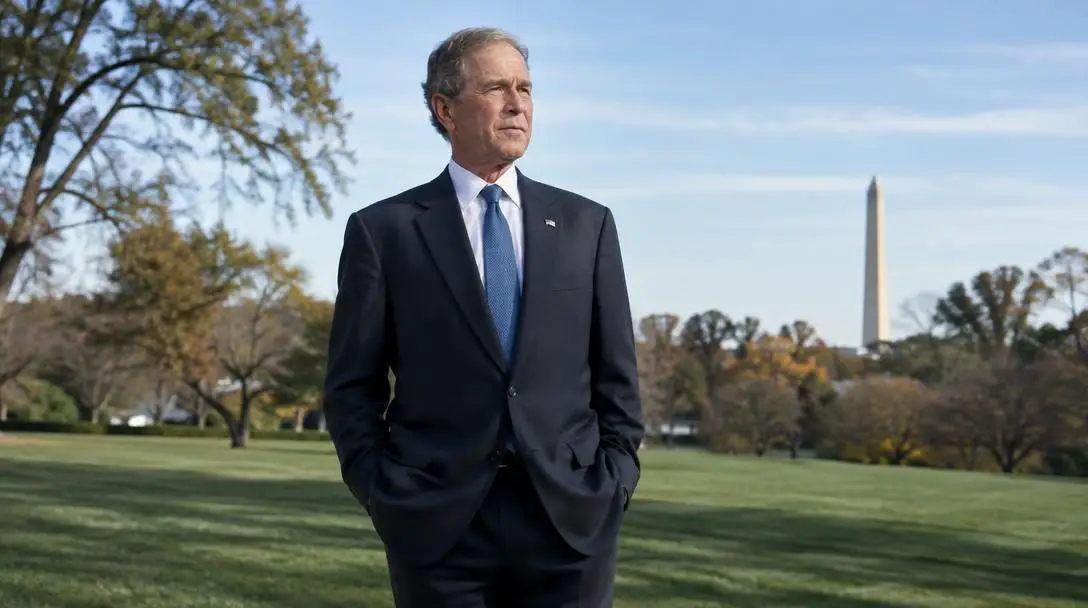
George W. Bush remains one of the most recognizable figures of contemporary American politics, having served two consecutive terms as the 43rd President of the United States from 2001 to 2009. While historians, political analysts, and everyday citizens routinely discuss the sweeping policy agendas, domestic legislation, and international conflicts that marked his administration, far fewer people are familiar with the personal habits and quirks that defined him away from the teleprompter.
Examining the private routines, off-the-cuff reactions, and unexpected connections of a commander-in-chief reveals the human element that exists behind the formal exterior of executive office. From creative therapeutic outlets and physical training regimens to unscripted press conference moments and bipartisan camaraderie, Bush's personal life provides an intriguing case study in handling immense public pressure.
Key takeaways
- George W. Bush turned to fine art after his presidency, producing landscapes and portraits that have been exhibited in American galleries and museums.
- His instinctive agility gained worldwide attention in 2008 when he successfully dodged two shoes thrown during an Iraq press conference.
- A series of linguistic slips and malapropisms gave rise to the widely recognized cultural term "Bushisms."
- He maintained a rigorous, multi-discipline physical fitness routine that included daily cardio, strength training, and yoga inside the White House.
- His warm public bond with former First Lady Michelle Obama highlighted a genuine friendship built on shared humanity despite sharp political differences.
At a glance: Five unconventional dimensions of George W. Bush
| Dimension | Primary Context | Notable Details | Public Significance |
|---|---|---|---|
| Artistic Expression | Post-presidency (began in 2009) | Landscapes of oceans and forests; portraits of Vladimir Putin and Tony Blair | Exhibited across American museums as a tool for personal relaxation |
| Shoe-Dodging Incident | 2008 press conference in Baghdad | Evaded shoes thrown by Iraqi journalist Muntadhar al-Zaidi | Showcased quick physical reflexes under sudden, hostile conditions |
| Linguistic Peculiarities | Official speeches and interviews | Spoonerisms, malapropisms, and invented words like "misunderestimated" | Coined the lasting political pop-culture lexicon known as "Bushisms" |
| Rigorous Fitness | Daily White House regimen | Running, biking, swimming, weightlifting, and yoga; on-site gym installation | Demonstrated non-negotiable personal wellness during global crises |
| Cross-Party Friendship | Public events from 2016 onward | Close public bond with Michelle Obama at ceremonies, funerals, and state dinners | Served as a rare national model of warmth bridging political divides |
Five unique facts and unexpected moments
His Love for Painting

- Year Commenced: 2009
- Primary Subjects: Mountain ranges, forests, oceans, and world leaders
- Notable Portraits: Vladimir Putin, Tony Blair
- Exhibition Reach: Multiple U.S. galleries and museums
Following his departure from the White House in 2009, George W. Bush sought a constructive and calming endeavor to transition out of the immense stress of executive leadership. Rather than stepping purely into lucrative corporate boardrooms or speaking tours, he embraced fine art. Bush took up oil painting specifically as a way of relaxing and soothing his soul, spending hours learning composition, color mixing, and brushwork. What started as an introspective private hobby gradually evolved into a recognized body of work that has been displayed in galleries and prominent museums throughout the United States.
His body of work is notably varied. A substantial portion of his canvas output focuses on the natural world, capturing expansive landscapes such as rugged mountain ranges, deep forests, and sweeping coastal oceans. In addition to these peaceful scenes, Bush tackled the complex genre of portraiture. He painted detailed depictions of international leaders with whom he interacted on the global stage, including former British Prime Minister Tony Blair and Russian President Vladimir Putin, offering an artistic interpretation of modern diplomatic history.
His Shoe-Dodging Incident
- Incident Date: December 2008
- Location: Baghdad, Iraq
- Journalist Involved: Muntadhar al-Zaidi
- Reaction: Successfully ducked both projectiles
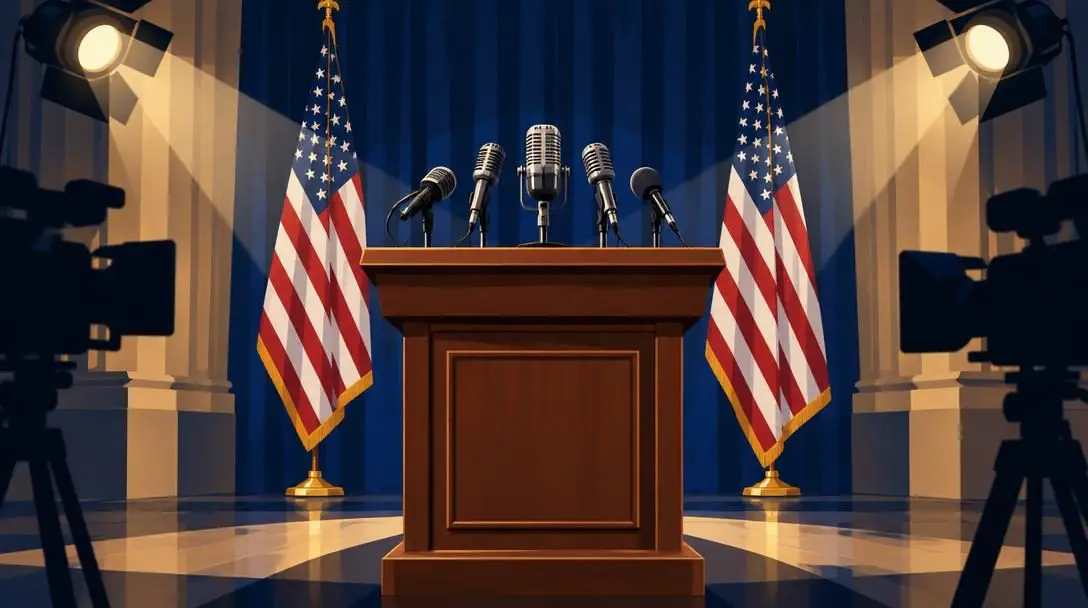
One of the most unforgettable visual moments of Bush’s final year in the Oval Office took place in December 2008 during an unannounced trip to Baghdad, Iraq. While standing alongside Iraqi officials at a press conference intended to discuss ongoing operations and transitions surrounding the war in Iraq, the atmosphere turned abruptly volatile. An Iraqi journalist named Muntadhar al-Zaidi abruptly rose from his seat, shouted, "This is a farewell kiss from the Iraqi people, you dog!" and hurled his heavy footwear directly at the podium.
In Arab culture, throwing a shoe represents a profound gesture of disrespect and contempt. What caught the attention of audiences around the world was not merely the hostility of the act, but Bush's lightning-fast physical reaction. Displaying remarkable reflexes, Bush ducked quickly enough to avoid the first shoe and maintained enough situational awareness to evade a second shoe thrown moments later. The room erupted into chaos as security personnel subdued the journalist, but Bush remained composed at the microphone. The footage quickly went viral across news broadcasts and early internet video platforms, cementing itself as one of the most recognized press conference incidents in modern history.
His "Bushisms"
- Definition: Grammatical slips, malapropisms, and verbal stumbles
- Famous Coinage: "Misunderestimated"
- Famous Grammar Slip: "Is our children learning?"
- Famous Proverb Blunder: "Fool me once, shame on you. Fool me twice, shame on me."
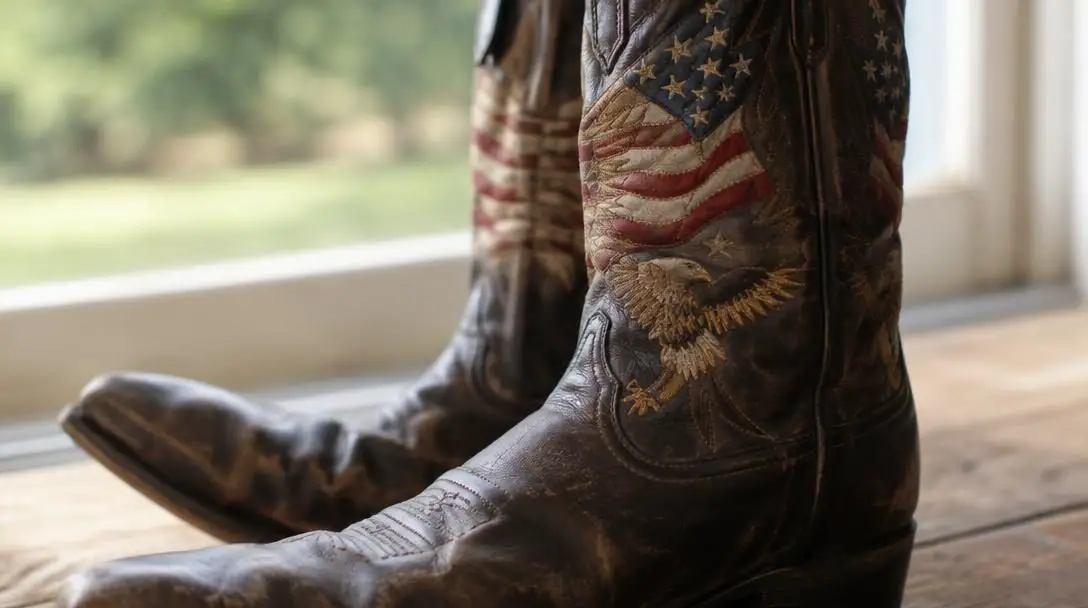
Throughout his political career, George W. Bush developed a reputation for unscripted linguistic quirks that fascinated both commentators and the general public. These verbal slips occurred frequently enough that linguists and journalists coined the term "Bushisms" to categorize his unique blend of accidental malapropisms, spoonerisms, and unorthodox sentence structures. While political opponents occasionally used these slips to question his communication abilities, many supporters found that his unpolished cadence made him appear relatable and down-to-earth compared to scripted Washington politicians.
Among the most widely quoted Bushisms was his invention of new compound words, most famously declaring, "They misunderestimated me." Other enduring examples emerged when he attempted to deliver common aphorisms under the bright lights of public appearances, resulting in memorable phrasing such as, "Fool me once, shame on you. Fool me twice, shame on me." In a prepared address on education policy, his rhetorical delivery went awry with the phrase, "Rarely is the question asked: Is our children learning?" These moments became staples of late-night television humor and an enduring aspect of his presidential lore.
His Obsession with Fitness

- Workout Routine: Running, cycling, swimming, weight training, and yoga
- Facility Upgrade: Private workout gym installed inside the White House
- Location Habits: Regular jogging on the White House grounds
The daily schedule of an American president is notoriously exhausting, often characterized by twelve-to-fourteen-hour days packed with intelligence briefings, cabinet discussions, and legislative negotiations. Despite these heavy demands, Bush treated physical conditioning as an absolute essential rather than an optional luxury. He was widely regarded as one of the most physically fit individuals to ever inhabit the Executive Mansion, consistently carving out dedicated windows of time to pursue strenuous athletic workouts.
Bush was frequently seen by press staff and security officers jogging along the perimeter trails of the White House grounds. To ensure that bad weather or rapid schedule changes never disrupted his daily sweat, he had a dedicated workout gym installed directly within the executive residence. His regimen was exceptionally comprehensive: beyond high-tempo outdoor cardio like running and aggressive cross-country mountain biking, he incorporated laps in the swimming pool, targeted weightlifting routines, and focused yoga sessions to preserve joint mobility and lower his stress levels under constant crisis management.
Maintaining a strict, multi-discipline physical regimen enabled the president to preserve stamina and mental equilibrium amid the crushing pressures of national leadership.
His Surprising Friendship with Michelle Obama
- First Publicly Noticed: 2016 NMAAHC dedication
- Common Settings: State dinners, bipartisan memorials, and national funerals
- Shared Philosophy: Focusing on mutual humanity over policy differences
In an era marked by intense political polarization, the authentic friendship that blossomed between George W. Bush and former First Lady Michelle Obama captivated observers from across the ideological spectrum. While they hail from opposing political parties and hold fundamentally divergent perspectives on governance, legislative policy, and the role of the state, their personal rapport became unmistakable during shared public appearances. Their bond first captured widespread public affection in 2016 during the formal dedication ceremonies for the National Museum of African American History and Culture in Washington, D.C., where a spontaneous and affectionate embrace between the two went viral.
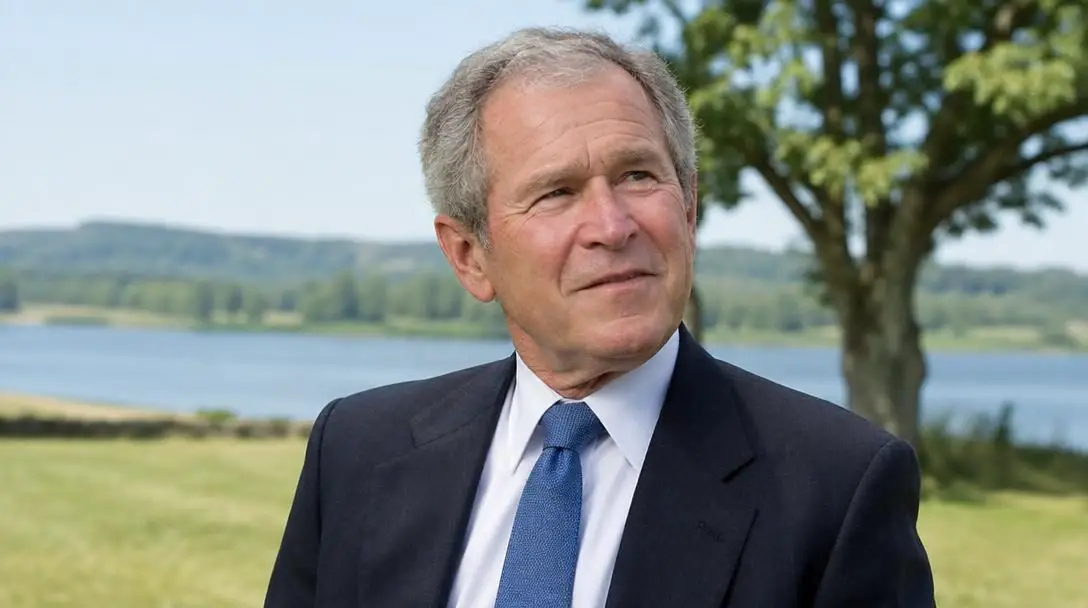
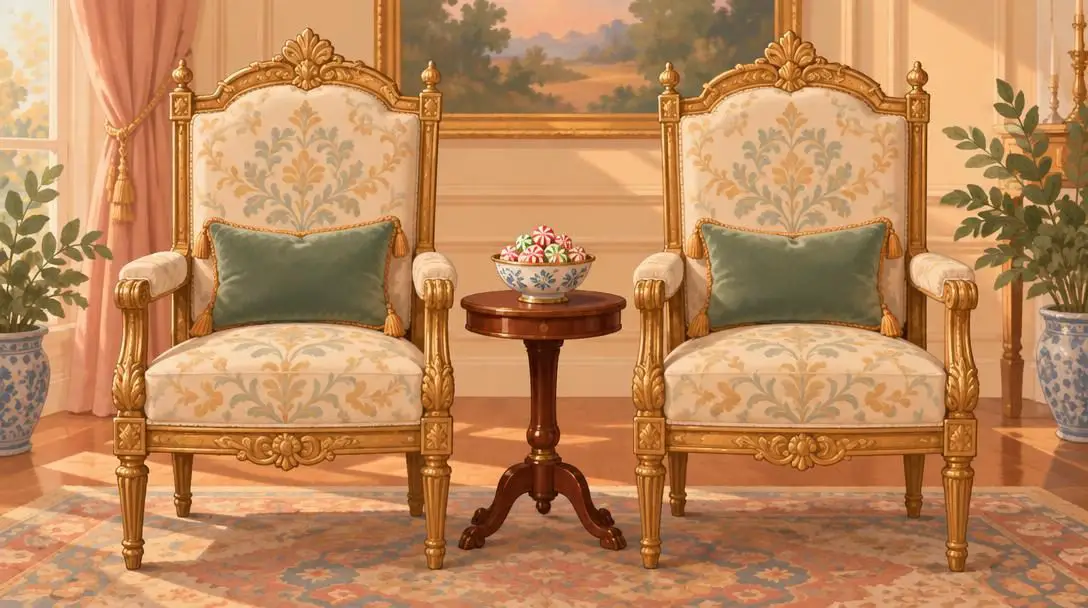
Subsequent public gatherings—including solemn state funerals, memorial dedications, and official dinners—frequently saw the two seated beside one another, sharing quiet jokes, whispering humorous commentary, and passing hard candies. Speaking to People magazine, Michelle Obama offered clear insight into the foundation of their cross-party connection: "Our values are the same. We disagree on policy, but we don’t disagree on humanity. We don’t disagree about love and compassion. I think that’s true for all of us. It’s just that we get lost in our fear of what’s different." The relationship stands as a prominent modern example of mutual respect surviving across political divides.
How high-stress leaders cope with extreme pressure
Operating at the highest levels of global authority requires robust personal coping mechanisms. The demands of executive leadership are ceaseless, and without disciplined boundaries, the mental and physical toll can be overwhelming. George W. Bush’s personal habits reveal three distinct strategies that sustained him through eight turbulent years and his subsequent return to private life:
- Physical discipline as cognitive decompression: By engaging in rigorous aerobic conditioning, weightlifting, and yoga, Bush used physical exertion to burn off adrenaline, lower cortisol levels, and reset his mental clarity between high-stakes briefings.
- Creative immersion for emotional balance: The transition out of the presidency can leave leaders adrift without the constant adrenaline of command. Bush used landscape and portrait painting after 2009 to soothe his spirit, focusing on technique and visual art to quiet the noise of his previous responsibilities.
- Separating political conflict from personal dignity: Whether brushing off verbal slips with self-deprecating humor or cultivating genuine personal warmth with political adversaries like Michelle Obama, Bush maintained a clear distinction between ideological opposition and personal human value.
Practical steps for applying these lifestyle lessons
While few individuals will ever command an army or navigate the pressures of the West Wing, the core coping mechanisms demonstrated by Bush's daily routines offer practical value for anyone managing workplace stress, public speaking anxiety, or ideological divisions.
- Establish a non-negotiable fitness block: Schedule dedicated time for physical movement on your daily calendar just as you would an executive meeting. Combine aerobic conditioning with strength training and mobility exercises like yoga to maintain physical and cognitive stamina.
- Adopt an immersive artistic pastime: Pick up an expressive creative craft such as landscape painting, sketching, or instrument practice. Focus on the calming process of composition rather than worrying about whether your creations belong in a public gallery.
- Cultivate situational reflexes and composure: When sudden surprises, errors, or disruptive events happen in professional settings, practice keeping your physical composure and responding with swift, level-headed adaptability rather than panic.
- Embrace communication mistakes with humor: If you fumble your words, drop an awkward grammatical phrase, or commit a malapropism during a presentation, acknowledge the stumble with lightheartedness and move forward without losing confidence.
- Seek shared ground across disagreements: Intentionally engage with colleagues whose political or philosophical perspectives differ from your own. Frame conversations around shared human dignity, love, and compassion rather than argumentative policy disputes.
Critical mistakes to avoid in personal routine and discourse
When implementing these healthy routines or evaluating public figures, people often fall into avoidable mental traps that hinder their personal growth and communication:
- Abandoning exercise during stressful periods: Many busy professionals cut their workout time first whenever their work schedules become overwhelming. Sacrificing physical conditioning depletes the very energy and mental sharpness required to navigate high workloads.
- Demanding immediate perfection in creative hobbies: Beginners frequently quit artistic disciplines like painting because their initial efforts do not match professional standards. The primary value of an artistic outlet lies in stress reduction and personal healing, not critical acclaim.
- Treating ideological opponents as personal enemies: Assuming that someone with different political allegiances lacks morals or compassion prevents healthy human connection. Letting policy differences destroy personal friendships isolates individuals in narrow ideological bubbles.
- Over-analyzing minor verbal slips: Developing intense anxiety about flawless speech delivery often produces stiffness or public speaking paralysis. As the history of Bushisms proves, occasional verbal blunders do not preclude effective leadership or genuine personal appeal.
Frequently asked questions
When did George W. Bush take up painting, and what does he paint?
Bush began painting in 2009 after finishing his second term in office. He started the hobby to relax and soothe his soul. His work focuses heavily on natural landscapes such as oceans, forests, and mountain ranges, as well as formal portraits of notable international figures like Vladimir Putin and Tony Blair.
Who threw a shoe at George W. Bush, and where did it happen?
An Iraqi journalist named Muntadhar al-Zaidi threw his shoes at Bush during a December 2008 press conference in Baghdad, Iraq, shouting that it was a "farewell kiss" from the Iraqi people. Bush successfully dodged both shoes with rapid reflexes.
What is the origin of the term "Bushisms"?
The term was coined to describe Bush's frequent verbal mistakes, spoonerisms, and unique grammatical choices in public speeches. Famous examples include his creation of the word "misunderestimated" and questions like "Is our children learning?"
How did George W. Bush stay fit while serving in the White House?
Bush maintained a strict fitness regimen that included jogging on the White House grounds, swimming, cycling, lifting weights, and practicing yoga. He also had a private gym installed inside the White House to ensure workout facilities were always accessible.
How did the friendship between George W. Bush and Michelle Obama begin?
Their bond gained public attention in 2016 at the dedication of the National Museum of African American History and Culture. They have frequently sat next to each other at memorial services, funerals, and official state dinners, with Michelle Obama highlighting their shared values, humanity, and compassion.
The bottom line
The lesser-known personal dimensions of George W. Bush highlight the vital human realities that coexist with high political office. Whether dodging flying footwear with calm reflexes in Baghdad, navigating public speaking flubs with ease, sweating through daily fitness circuits, finding tranquility at an art easel, or sharing hard candies with Michelle Obama, Bush’s life offers memorable lessons in resilience, self-care, and grace under scrutiny.