5 Weird Johnny Depp Facts You’re Dying To Know
Johnny Depp remains one of the most recognizable figures in modern cinema. Celebrated for bringing transformative energy and eccentric depth to his craft, he has portrayed a wide variety of characters across multiple decades. Audiences instantly recognize him as Captain Jack Sparrow from the blockbuster franchise Pirates of the Caribbean, a role that defined cinematic adventure for an entire generation, or as the candy-making recluse Willy Wonka in Charlie and the Chocolate Factory. Depp has built an enduring career by adopting unconventional personas, completely reshaping his voice, styling, and physical mannerisms to fit every fictional world he inhabits.
Yet behind the dynamic performances and high-profile premieres lies an equally unconventional private life. While millions of moviegoers follow his films, several unusual details regarding his personal habits, background, and legal entanglements remain lesser known. From unexpected odd jobs and deep-seated phobias to sweeping European real estate, exorbitant beverage spending, and international quarantine disputes involving family pets, Depp has led a life as complex and surprising as any script he has brought to the screen.
Key takeaways
- Before achieving stardom, Depp worked as a telemarketer selling bulk pens over the phone, an experience he credited with teaching him core conversational skills.
- In 2001, Depp purchased an entire 37-acre historical French village named Plan-de-la-Tour for $2 million to serve as a private countryside sanctuary.
- Despite routinely playing heavily painted and outlandish screen roles, Depp suffers from coulrophobia, a clinical fear of clowns sparked by a childhood circus visit.
- Financial disclosures from a 2017 legal dispute showed Depp spent $30,000 monthly on wine and once spent $2 million building a functional red wine fountain on his estate.
- An undeclared 2015 trip to Australia with two Yorkshire terriers sparked an international biosecurity standoff dubbed the "war on terrier."
At a glance: Five unusual Johnny Depp facts
The following table outlines the key aspects, financial metrics, and background circumstances behind each of these unique biographical details.
| Subject | Category | Key context | Documented impact or cost |
|---|---|---|---|
| Telemarketing pens | Early career | Cold-calling strangers to pitch bulk office supplies | Built early resilience and persuasion techniques |
| Plan-de-la-Tour | Real estate | 19th-century village in southern France covering 37 acres | $2 million purchase price plus extensive renovation costs |
| Coulrophobia | Psychological phobia | Aversion triggered during an early childhood circus visit | Persistent adult nightmares and complete avoidance of clowns |
| Wine fountain and cellar | Personal spending | Sustained monthly consumption and estate novelty installation | $30,000 monthly wine budget and a $2 million wine fountain |
| Pistol and Boo | Biosecurity incident | Unannounced arrival of pet terriers via private jet in Australia | Deportation threat, biosecurity scrutiny, and formal video apology |
Five surprising facts from Johnny Depp's eccentric life
Telemarketing pens
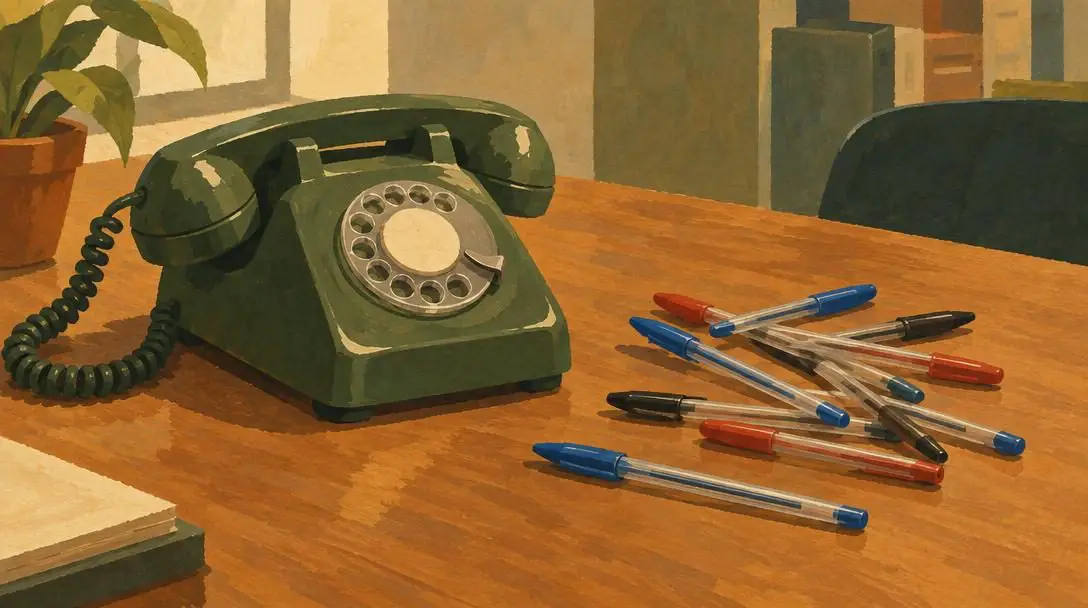
- Employment type: Outbound telephone sales
- Primary product: Bulk writing pens
- Key interview source: Details magazine
Long before stepping onto a Hollywood soundstage, Johnny Depp had to take on everyday odd jobs to cover his living expenses. One of the most unexpected roles he held was working as a telephone telemarketer tasked with selling pens in bulk. During an interview with Details magazine, Depp candidly looked back on the position, describing it as a genuinely weird gig. The job required him to cold-call complete strangers throughout his shift, pitching large orders of office pens to individuals who had never expressed an interest in buying them.
By his own recollection, Depp was not an exceptionally gifted salesperson, and his shifts frequently involved dealing with irritated consumers hanging up the receiver. However, the actor did not consider the period wasted time. He explained that working the phones served as an unexpected training ground for his future artistic career. Dialing hundreds of phone numbers forced him to master quick interpersonal rapport, gauge emotional reactions over the wire, and present a concept persuasively—foundational communication skills that would later inform his charismatic screen presence.
Plan-de-la-Tour

- Location: South of France
- Purchase year: 2001
- Purchase price: $2 million
- Estate size: Approximately 37 acres
In 2001, Depp took personal seclusion to a remarkable level by purchasing an entire 19th-century French hamlet known as Plan-de-la-Tour. Located in the picturesque countryside of southern France, the historic village encompasses roughly 37 acres of land. Depp originally became enchanted by the region while working on location nearby during the production of Roman Polanski's supernatural thriller The Ninth Gate. The serene rural surroundings offered an immediate antidote to the intrusive media attention and fast pace of Los Angeles.
Rather than treating the purchase as a passive investment, Depp committed substantial financial resources to renovate and personalize the property. He carefully preserved the exterior character of the 19th-century stone buildings while redesigning their interior spaces to reflect his eclectic aesthetic. Among the property's notable conversions, an old consecrated church chapel was fully rebuilt into a comfortable residential guest house, and a private, pirate-themed bar was constructed to entertain visiting friends and family away from the public gaze.
Coulrophobia
Despite making an international career out of portraying visually jarring, eccentric characters who often wear elaborate face paint and stylized wigs, Depp experiences a genuine, long-standing psychological phobia. He has admitted to suffering from coulrophobia, which represents the acute clinical fear of clowns. During an appearance on The Ellen DeGeneres Show, Depp stated that clowns frighten him more than anything else in the world, noting that he has endured recurring nightmares about them over the course of his adult life.
Depp traced the origin of this phobia back to his youth during an interview with Rolling Stone. While attending a traveling circus as a young boy, the exaggerated painted smiles, loud mannerisms, and artificial cheer of the performers profoundly unsettled him rather than offering amusement. That childhood shock solidified into an enduring psychological aversion. As a result, the actor has spent his adult life intentionally avoiding clowns, creating an intriguing contrast between his private fears and his fearless willingness to adopt exaggerated, theatrical makeup on cinema screens.
Behind an actor known for transforming fearlessly into bizarre fictional characters sits a very real, enduring childhood phobia.
The estate wine fountain
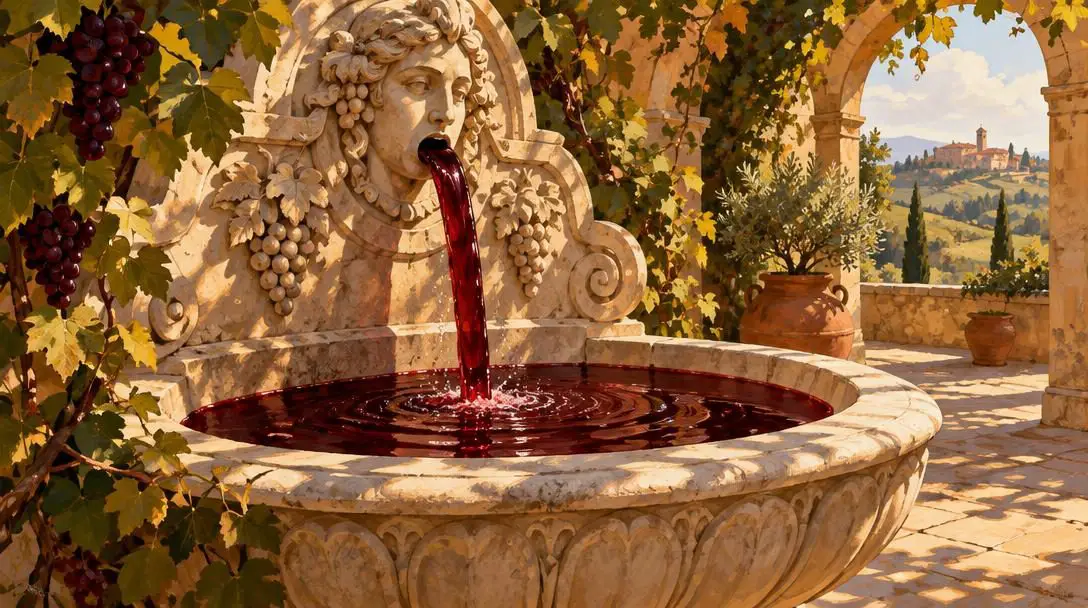
- Monthly wine allocation: Roughly $30,000
- Fountain installation date: 2009
- Fountain cost: $2 million
- Operational liquid: Red wine
Depp has long maintained a profound appreciation for viticulture, collecting vintage bottles and sampling fine vintages worldwide. However, the staggering financial scale of this hobby only entered public view in 2017. That year, Depp initiated legal action against his former financial management team, alleging that professional negligence and mismanagement of his income had resulted in severe financial distress and accumulated debt. In response, the management firm filed counter-pleadings detailing Depp's private lifestyle records, which documented that his personal wine purchases consistently reached $30,000 every single month.
This dedication to fine wine was not limited to keeping an extensive cellar. In 2009, Depp spent an estimated $2 million to commission and construct a fully functioning wine fountain on the grounds of his French estate. Unlike conventional decorative landscaping features that recirculate treated water, this custom installation was engineered to pump actual red wine. Guests attending outdoor dinners could walk directly up to the fountain, holding their glasses under the spouts to fill them straight from the stream.
Pistol and Boo
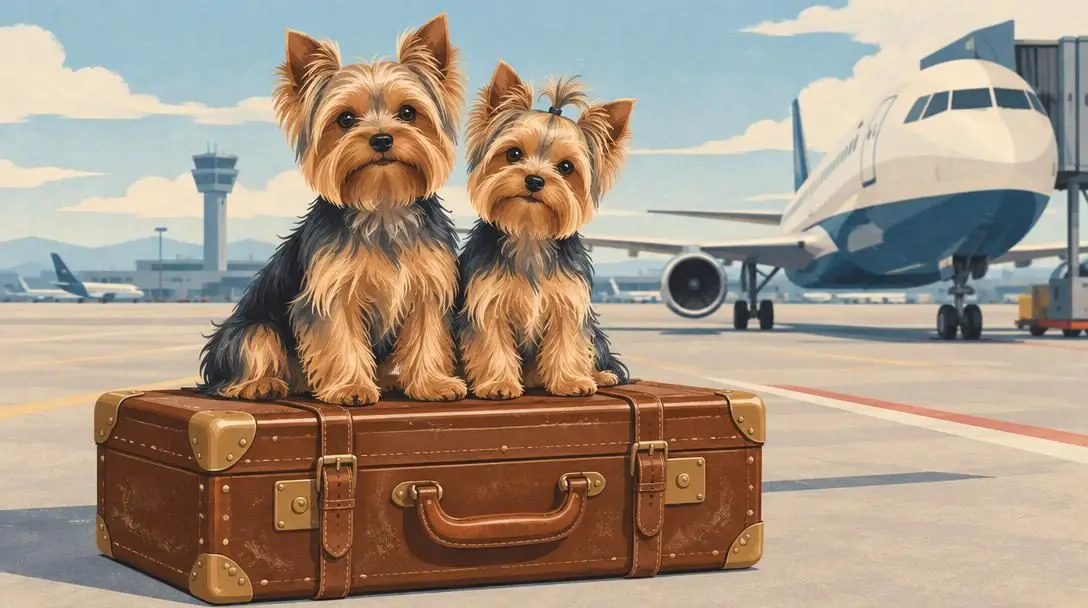
- Dog breed: Yorkshire terriers
- Incident date: 2015
- Jurisdiction: Commonwealth of Australia
- Common media phrase: "War on terrier"
In 2015, Depp became the central figure in an escalating diplomatic and legal dispute when he and his then-wife Amber Heard flew into Queensland, Australia, on a chartered private jet. Traveling with them were their two Yorkshire terriers, named Pistol and Boo. Because the couple arrived via private aviation, the pets were not declared to Australian border officials upon landing, bypassing the nation's mandatory customs and animal import declarations.
The oversight quickly triggered a severe backlash from Australian biosecurity officials. As an isolated continent with distinct fauna, Australia enforces some of the world's most stringent biosecurity laws to keep foreign pathogens, such as rabies and specific parasites, off its shores. Government officials publicly announced that if the dogs were not removed from the country within a 50-hour window, authorities would seize and euthanize the animals. Depp and Heard complied promptly, booking an outbound flight to transport Pistol and Boo back to the United States.
The high-profile standoff concluded with the couple releasing a widely circulated video apology acknowledging the importance of Australian biosecurity statutes. During the public discourse surrounding the event, Depp injected deadpan humor into the tense situation, remarking that Australia possessed "some wonderful things that they don't have at home – for example, Johnny Depp." Despite the comedic remark, the incident served as an international demonstration of strict agricultural enforcement.
Celebrity privacy models and high-stakes lifestyle management
To understand how an individual acquires an entire 19th-century village or incurs tens of thousands of dollars in monthly beverage expenditures, it is necessary to examine how extreme celebrity privacy models function. Standard residential properties, even gated compounds in affluent enclaves like Beverly Hills, regularly struggle to protect globally recognizable individuals from commercial drone photography, telephoto paparazzi lenses, and unauthorized trespassers. When public exposure reaches international proportions, high-profile figures frequently seek out geographic buffers rather than mere perimeter fencing.
Acquiring an asset like Plan-de-la-Tour allows a property owner to control the internal roadways, support buildings, and surrounding agricultural buffers. Inside such a retreat, an individual can host friends, access hospitality venues, and walk outdoors without interacting with public infrastructure. However, operating an entire historical village requires full-time ground staff, historical masonry restoration, and continuous utility maintenance. When these structural overheads combine with lifestyle habits—such as thousands of dollars spent on rare wine vintages and custom landscaping novelties—the monthly burn rate demands continuous, massive royalty streams to remain sustainable.
How national biosecurity and quarantine protocols operate
The controversy surrounding Pistol and Boo underscored the rigid mechanisms of international agricultural border control. Continental island nations like Australia maintain unique, fragile native wildlife populations and extensive livestock industries that have historically developed in isolation from diseases prevalent in North America and Europe. Rabies, canine influenza, and invasive tick-borne pathogens present catastrophic risks to these isolated ecosystems.
To mitigate these risks, customs agencies utilize strict statutory frameworks that prioritize environmental protection above the personal circumstances or status of inbound travelers. Navigating international pet travel correctly requires following established biosecurity protocols well before boarding any flight.
- Research the specific entry mandates of the destination nation at least seven to nine months prior to departure, paying special attention to island territories.
- Ensure the animal receives an ISO-compliant international microchip before or alongside mandatory veterinary immunizations.
- Complete rabies titer blood testing through an officially accredited government laboratory within the required pre-travel testing window.
- Secure a reservation at a designated government post-entry quarantine facility in advance, as space is strictly limited.
- Obtain an official endorsed health certificate from an authorized government veterinarian shortly before the travel date.
- Complete and submit accurate customs declaration documentation upon landing, presenting all animals for inspection immediately.
Practical lifestyle lessons and common mistakes
While few individuals manage the multimillion-dollar budgets of Hollywood movie stars, the underlying mechanics of Depp's eccentric experiences offer valuable lessons in personal budgeting, travel compliance, and career development.
- Assuming status bypasses standard rules: Border security protocols apply equally across commercial airlines and private charters. Failing to declare regulated goods, plants, or pets leads to severe legal and financial penalties.
- Underestimating historic property upkeep: Purchasing antique structures or rural estates involves ongoing restoration costs that quickly outpace the original acquisition price.
- Neglecting personal oversight on luxury splurges: Delegating all budgeting responsibility to third-party business managers without regular, direct statement reviews can hide unsustainable discretionary spending patterns.
- Dismissing transferable skills from odd jobs: Early professional struggles, including cold-call sales and service work, provide critical resilience and conversational adaptability applicable to later career milestones.
Frequently asked questions
Why did Johnny Depp work as a pen salesman?
Before launching his acting career, Depp worked as a telemarketer selling pens in bulk over the phone to pay basic living expenses. Although he found the job difficult and dealt with frequent hang-ups, he stated that it taught him how to converse with strangers and pitch ideas persuasively.
Where is Johnny Depp's French village located?
The village is named Plan-de-la-Tour and is located in the south of France. Depp purchased the 37-acre 19th-century hamlet in 2001 for $2 million after falling in love with the area while filming The Ninth Gate nearby.
What is coulrophobia, and why does Johnny Depp have it?
Coulrophobia is the clinical fear of clowns. Depp developed the phobia during early childhood when his parents took him to a circus, where the performers' painted faces and loud behavior terrified him, leading to recurring adult nightmares.
How much did Johnny Depp spend on his wine fountain?
In 2009, Depp spent approximately $2 million constructing a custom wine fountain on his French estate that circulated real red wine for dinner guests rather than standard water.
What happened to Johnny Depp's dogs in Australia?
In 2015, Depp and Amber Heard brought their Yorkshire terriers, Pistol and Boo, into Australia without declaring them to border control. Australian authorities threatened to euthanize the dogs unless they left within 50 hours, prompting their rapid return to the United States and a formal public apology video.
The bottom line
Johnny Depp's life outside the movie studio illustrates the sharp contrasts of modern celebrity. The same unconventional sensibilities that allowed him to redefine blockbuster cinema through characters like Captain Jack Sparrow have also shaped an off-screen world filled with unusual real estate, eccentric lifestyle habits, and unique legal entanglements. Whether examining the persistence of childhood phobias, the legal realities of international biosecurity, or the unexpected communication lessons learned from telemarketing pens, these five facts demonstrate that Depp's real-life experiences remain every bit as colorful as his fictional roles.