A Brief History Of Pepsi’s Corporate Strategies
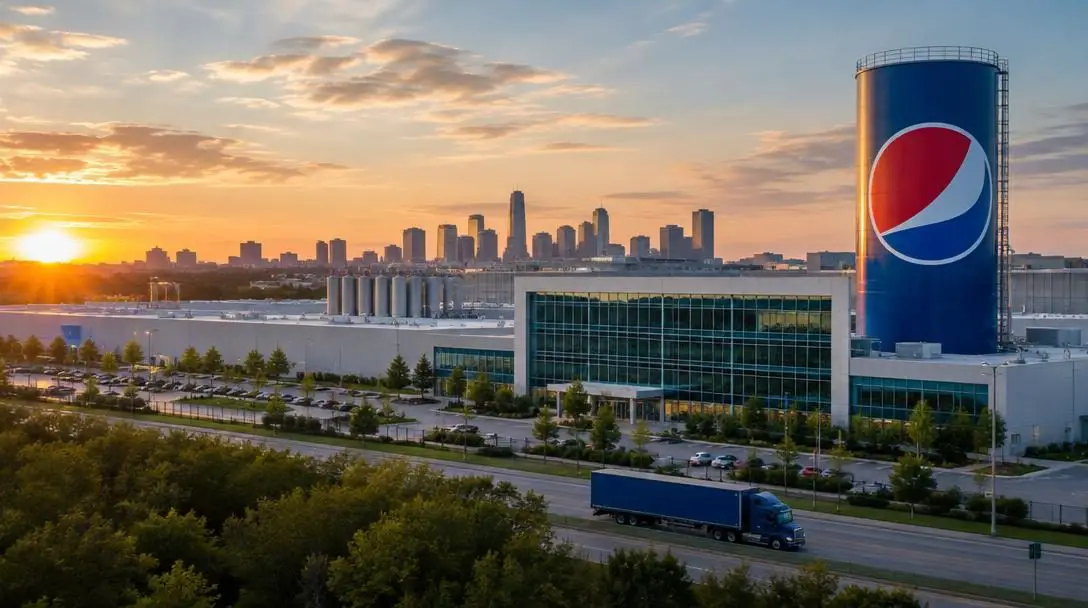
From its nineteenth-century roots in a North Carolina pharmacy to its position as a multi-billion-dollar beverage and snack powerhouse, Pepsi has continually reshaped its business model to survive intense commercial rivalries and shifting consumer habits. Competing directly against Coca-Cola across virtually every global market required strategic agility, creative pricing models, and bold moves beyond the soda fountain.
The company's evolution provides a masterclass in modern corporate strategy. By examining its tactical pricing during economic crises, generational branding, expansion into salty snacks and fast food, and recent pivots toward nutritional wellness, business leaders can extract valuable insights on achieving long-term market longevity.
Key takeaways
- Pepsi disrupted market leader Coca-Cola during the Great Depression by doubling bottle size to 12 ounces without raising the retail price.
- The 1965 merger with Frito-Lay created PepsiCo, unlocking massive cross-merchandising synergies between salty snacks and packaged drinks.
- Acquiring major fast-food chains like Taco Bell, KFC, and Pizza Hut guaranteed dedicated fountain beverage distribution channels.
- Shifting consumer health concerns prompted significant portfolio acquisitions, including Bare Foods, SodaStream, and low-calorie energy brands.
- The modern PepsiCo operating framework balances five core pillars: commercial relevance, functional capabilities, cost management, internal collaboration, and capital allocation.
From Brad's Drink to Corporate Contender
The beverage that became Pepsi entered the market in 1893 under the name Brad's Drink. Formulated by pharmacist Caleb Bradham at his soda fountain in New Bern, North Carolina, the concoction was initially promoted as a medicinal digestive aid. Bradham claimed the beverage could relieve dyspepsia, an uncomfortable digestive condition widespread throughout the United States at the time. Seeking to reinforce these perceived wellness attributes, Bradham renamed the product Pepsi-Cola.
Despite early regional adoption, the business faced severe supply-chain shocks. During World War I, extreme volatility in the price of sugar disrupted Bradham's cost structure, ultimately driving the enterprise into bankruptcy and forcing a sale. After passing through multiple owners without finding stability, the business was acquired by Charles Guth, an established confectioner and candymaker. Guth had grown dissatisfied with his commercial relationship with the Coca-Cola Company, creating the incentive and industrial backing necessary to turn Pepsi into a formidable, nationwide challenger.
Disruptive Pricing and Generational Marketing
Pepsi gained significant market traction during the economic depths of the Great Depression through an audacious pricing gambit. At a time when Coca-Cola and other competitors sold standard 6.5-ounce bottles, Pepsi began selling 12-ounce bottles at the exact same price point. This dramatic increase in volume gave budget-strapped households double the soda for their money, transforming Pepsi into a staple in working-class pantries across middle America and chipping away at Coca-Cola's dominance.
With distribution established nationwide, the brand turned its attention to consumer segmentation, deliberately orienting its identity around the emerging youth demographic. Rather than marketing to the general public with broad, conservative appeals, Pepsi presented itself as the forward-thinking choice for younger buyers:
- 1930s Hollywood tie-ins: Early advertisements partnered with rising actors to establish an energetic, modern brand aura.
- The Pepsi Generation: Mid-century campaigns framed the beverage as a cultural marker for post-war youth defining their own tastes apart from older generations.
- Global pop icons: High-profile endorsement deals with cultural superstars such as Michael Jackson and Britney Spears positioned the brand at the center of youth culture.
- Generation Next: Later marketing pushes continued targeting young demographics by aligning the soda with modern entertainment, sports, and music trends.
The 1965 Frito-Lay Merger and Fast-Food Integration
By the 1950s, management recognized that staying exclusively within carbonated soft drinks placed a ceiling on corporate growth. This realization resulted in a transformative corporate milestone in 1965: the merger of Pepsi-Cola with snack giant Frito-Lay to form PepsiCo. Combining two dominant consumer-packaged goods categories under one roof enabled coordinated direct-store distribution and aggressive cross-promotions, ensuring that bags of chips and bottles of soda shared promotional displays throughout retail aisles.
Merging complementary snack and beverage businesses allowed PepsiCo to establish retail dominance across both grocery shelves and fast-food fountain dispensers.
During the 1970s, the company took its distribution-first philosophy a step further by purchasing major fast-food restaurant chains. This vertical expansion guaranteed that restaurant patrons could purchase only Pepsi beverages at the fountain, shutting Coca-Cola out of thousands of high-traffic dining rooms.
Pizza Hut

- Acquisition Era: 1970s retail expansion
- Strategic Role: Guaranteed fountain distribution for pizza dining
- Portfolio Category: Fast-food restaurant chain
Purchased to capture beverage sales in the fast-growing casual dining and delivery pizza segment, Pizza Hut gave Pepsi exclusive soft drink service across national dining rooms.
Taco Bell
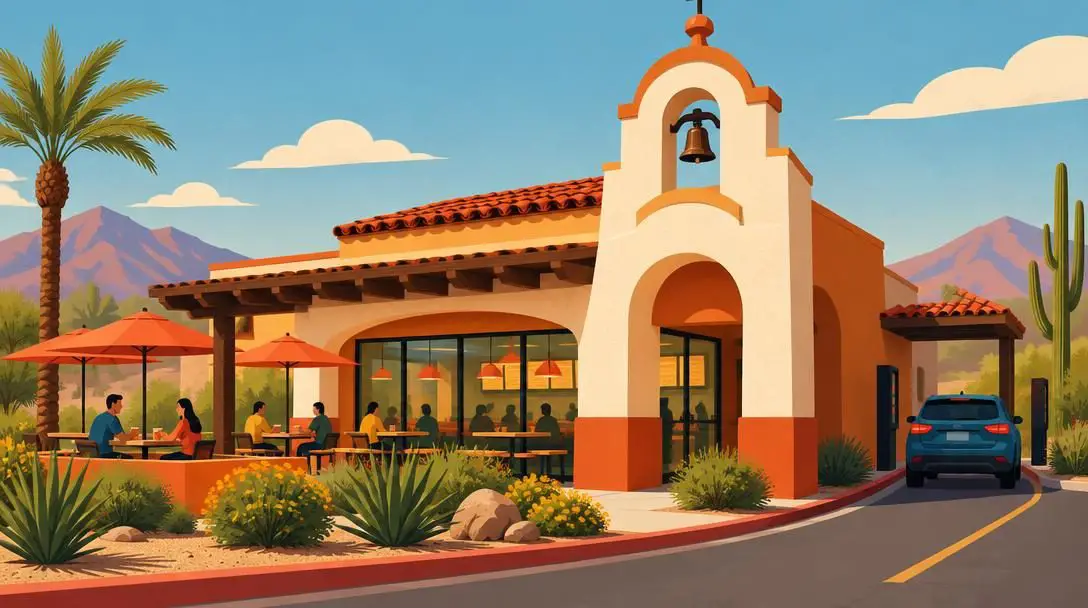
- Acquisition Era: 1970s quick-service expansion
- Strategic Role: Capturing younger consumers via Mexican quick-service food
- Portfolio Category: Fast-food restaurant chain
Adding Taco Bell reinforced PepsiCo's appeal to youth demographics while locking in high-volume soda fountain pouring rights across a rapidly expanding fast-food network.
KFC
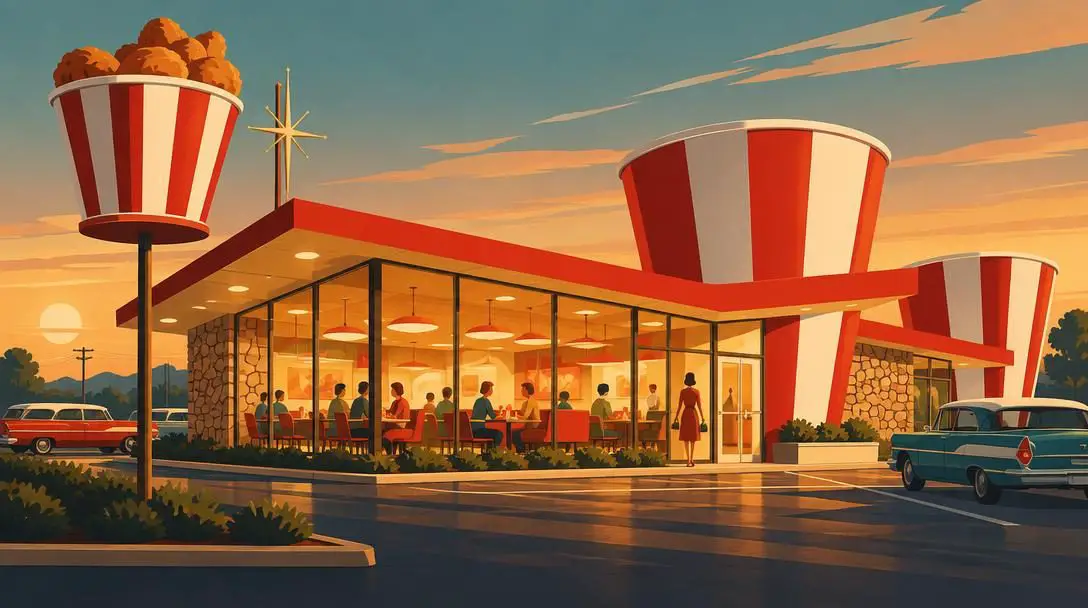
- Acquisition Era: Fast-food portfolio diversification
- Strategic Role: Beverage distribution throughout global fried-chicken franchises
- Portfolio Category: Quick-service restaurant chain
KFC gave PepsiCo an enormous global fast-food footprint, ensuring millions of meals were served alongside company-owned beverage options instead of third-party alternatives.
Hot ‘n Now
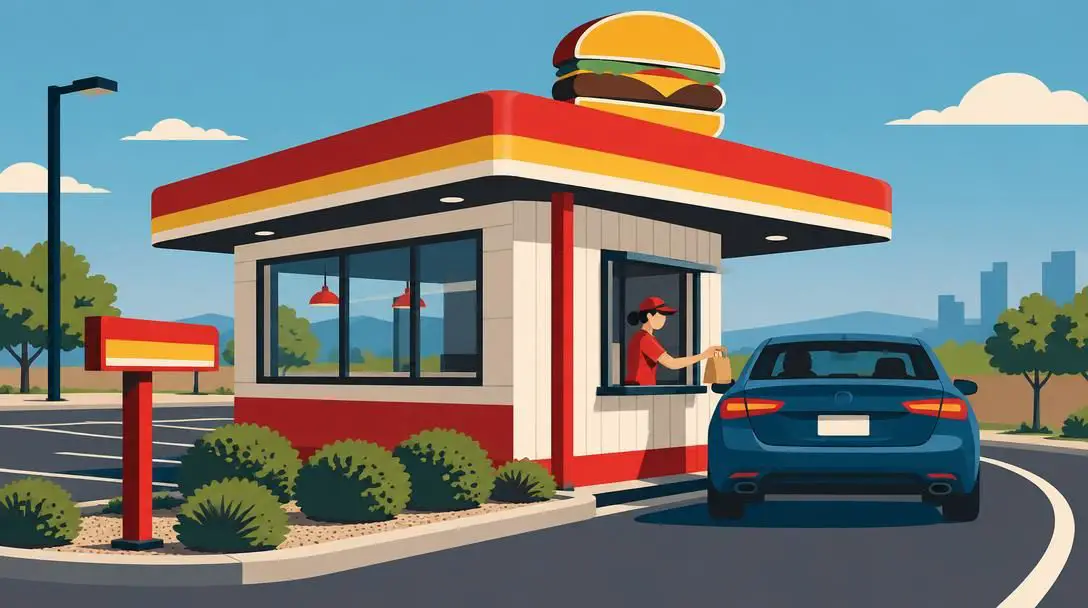
- Acquisition Era: Value-oriented burger chain expansion
- Current Status: Retains a single operating location in Sturgis, Michigan
- Portfolio Category: Drive-thru burger chain
Acquired to contest the ultra-low-cost drive-thru burger sector, Hot 'n Now served as a regional retail outlet for Pepsi beverages, though the concept eventually contracted to a single surviving location in Sturgis, Michigan.
Adapting to Health Consciousness and Shifting Consumer Tastes
As concerns over obesity, diabetes, and dietary sugar mounted toward the end of the twentieth century, food and beverage conglomerates came under intense public scrutiny. PepsiCo responded by altering its product development targets and orchestrating targeted acquisitions to build a modern, health-conscious portfolio.
During the 2010s, the enterprise made substantial public commitments to wellness. The company joined former First Lady Michelle Obama's national campaign against childhood obesity, pledging to eliminate 1.5 trillion calories from its U.S. product offerings. Furthermore, the company ceased marketing campaigns aimed directly at children under the age of 12 and prioritized the development, distribution, and marketing of low-calorie and zero-calorie beverages.
| Acquired Brand | Product Category | Strategic Role in Wellness Pivot |
|---|---|---|
| Wimm-Bill-Dann Foods | Dairy, yogurt, milk, and fruit juice | Broadened international nutrition footprint and non-soda offerings |
| Bare Foods | Baked fruit and vegetable snacks | Offered simple-ingredient alternatives to traditional fried chips |
| SodaStream | Home carbonation systems | Captured at-home custom beverage prep with reduced single-use packaging |
| Rockstar Energy | Energy beverages | Provided high-growth functional and zero-calorie energy drinks |
| Celsius | Fitness and zero-calorie energy drinks | Strengthened distribution in the active, health-minded energy drink space |
The Five Strategic Pillars of the PepsiCo Model
Underpinning PepsiCo's expansion is an operating framework designed to integrate acquisitions smoothly, defend operating margins, and protect consumer relevance. The organization coordinates its global operations around five central pillars:
Commercial

The commercial pillar focuses on keeping products culturally visible and appealing. It involves active brand marketing, premium retail shelf placement, and creating timely promotional campaigns that tap directly into pop culture and evolving social trends.
Capabilities

This pillar ensures the enterprise maintains cutting-edge supply-chain execution, direct-store distribution networks, and advanced manufacturing systems. These capabilities allow newly acquired brands to scale rapidly using PepsiCo's established distribution routes.
Costs

Cost management requires continuous operational discipline, supply-chain streamlining, and defensive commodity hedging. Controlling overhead and input expenses shields operating margins against inflation and unpredictable market swings.
Collaboration
Collaboration demands tight coordination across internal divisions, especially between liquid beverage teams and snack units. Joint sales drives, shared marketing campaigns, and co-located grocery displays maximize consumer basket sizes.
Capital

The capital pillar directs financial investments deliberately toward growth. This includes funding emerging wellness enterprises, upgrading technical infrastructure, and purchasing high-potential startup lines before they become too expensive to acquire.
Applying Pepsi's Strategic Playbook
Modern enterprises evaluating their own growth trajectories can implement several operational tactics derived from PepsiCo's corporate history:
- Reevaluate sizing and price packaging: Identify whether your product sizing, bundling, or pricing structures can challenge incumbent rivals, echoing how 12-ounce bottles disrupted soft drink standards during the Great Depression.
- Target underserved customer segments: Design clear, dedicated brand messaging aimed at specific emerging demographics rather than attempting to appease every consumer group simultaneously.
- Develop complementary product pairings: Seek out natural product synergies—such as salty snacks alongside cold drinks—that create opportunities for shared distribution, joint merchandising, and increased purchase sizes.
- Track rising competitors early: Continuously monitor agile, high-growth startups within adjacent sectors to explore partnerships, licensing, or buyout deals before purchase valuations surge.
- Proactively align with public sentiment: Reorient product development toward shifting consumer wellness, ethical, and dietary standards rather than holding onto legacy offerings that risk regulatory or reputational backlash.
Strategic Pitfalls to Avoid
While PepsiCo's strategies generated substantial long-term growth, the enterprise's history also illustrates common missteps that business planners should avoid:
- Overreliance on volatile commodities: Failing to hedge or diversify raw material sourcing leaves operations vulnerable to catastrophic cost spikes, as Caleb Bradham experienced with sugar supplies.
- Delayed response to social trends: Hesitating to reformulate high-calorie or sugary offerings in the face of public health concerns can damage consumer trust and invite unwanted regulatory pressure.
- Siloed acquisitions: Purchasing adjacent brands without integrating distribution, logistics, and sales promotions squanders the operational benefits of horizontal or vertical mergers.
- Misaligned marketing ethics: Directing marketing campaigns for unhealthy or sugary items toward children under 12 can alienate parent buyers and trigger costly institutional scrutiny.
Frequently asked questions
Why did Caleb Bradham rename Brad's Drink to Pepsi-Cola?
Caleb Bradham changed the name to Pepsi-Cola to highlight the beverage's supposed medicinal benefits, specifically marketing it as a wellness drink capable of curing dyspepsia, a common digestive disorder of that era.
How did Pepsi gain an advantage during the Great Depression?
Pepsi disrupted the soft drink market by doubling its bottle size from 6.5 ounces to 12 ounces while keeping the retail price identical to Coca-Cola's smaller bottle, providing an irresistible value proposition for cash-strapped households.
What major corporate merger formed PepsiCo?
PepsiCo was formed in 1965 through the merger of Pepsi-Cola and snack-food manufacturer Frito-Lay, combining two of America's largest snack and beverage distribution footprints into a single corporate entity.
Why did PepsiCo purchase fast-food chains like Pizza Hut and Taco Bell?
Acquiring restaurant chains like Pizza Hut, Taco Bell, and KFC gave PepsiCo guaranteed captive retail distribution channels, ensuring its fountain sodas were exclusively poured instead of Coca-Cola.
What steps has PepsiCo taken to adapt to modern health movements?
The company acquired health-oriented brands like Bare Foods, SodaStream, and Wimm-Bill-Dann, expanded into zero-calorie energy drinks such as Celsius and Rockstar, pledged to eliminate 1.5 trillion calories under Michelle Obama's anti-obesity campaign, and ceased advertising sugary drinks to children under 12.
The bottom line
PepsiCo's journey from a regional pharmacy soda counter into a multi-category corporate powerhouse demonstrates the power of operational adaptability. The business repeatedly avoided stagnation by adopting disruptive pricing when consumer budgets tightened, pivoting its promotional voice toward younger generations, and expanding from liquid refreshments into salty snacks, fast food, and modern health-oriented alternatives.
For modern corporate executives, the PepsiCo blueprint highlights the importance of maintaining strong core capabilities while remaining flexible enough to buy emerging trends before competitors do. By coordinating distribution, controlling raw costs, and proactively aligning with evolving consumer lifestyles, organizations can build durable business models built to navigate shifting economic tides.