A Comprehensive Guide to Off-Campus Job Fairs: How to Prepare and Stand Out
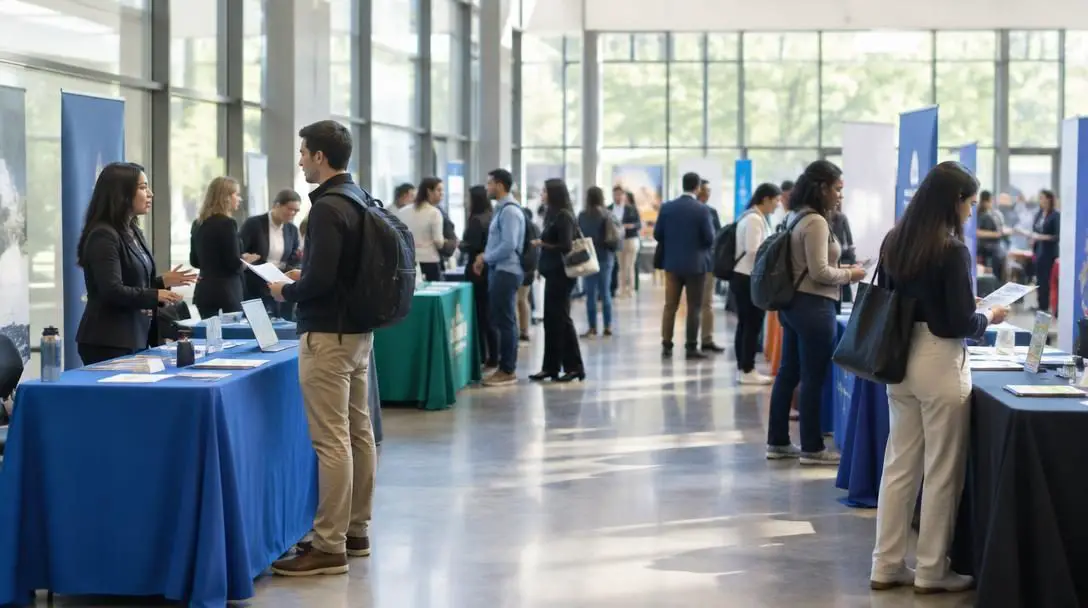
For college students and recent graduates, transitioning into the professional workforce requires moving beyond digital job boards. While submitting applications through online portals remains a standard practice, attending an off-campus job fair offers a direct channel to connect face-to-face with hiring managers, talent acquisition specialists, and corporate recruiters. These gatherings provide a dynamic setting where job seekers can bypass automated applicant screening systems and make memorable personal impressions.
Stepping into a large-scale hiring event can be intimidating, especially for first-time attendees. Unlike university-sponsored career days that cater exclusively to a single campus, off-campus fairs bring together candidates from wide-ranging backgrounds, varying experience levels, and different educational institutions. Thriving in this competitive environment requires deliberate pre-fair research, strategic execution on the convention floor, and disciplined post-event follow-up.
Key takeaways
- Off-campus job fairs are open-access recruiting events hosted at neutral public venues, attracting a broader spectrum of candidates and hiring organizations than campus-specific fairs.
- Comprehensive advance preparation—including organization research, resume customization, and an articulate elevator pitch—is vital for standing out in crowded venues.
- Arriving early allows candidates to navigate booth layouts effectively and converse with recruiters when energy and attention levels are highest.
- Post-event follow-up via personalized email within 24 to 48 hours reinforces the initial connection and keeps candidates top of mind.
Understanding the Off-Campus Hiring Landscape
Off-campus job fairs are recruitment expos held at neutral public or commercial sites, including convention centers, municipal exhibition spaces, hotel conference halls, and community centers. Unlike traditional campus career fairs organized by a single university's career services office, off-campus events are coordinated by regional workforce development boards, industry-specific associations, private recruitment agencies, or consortiums of employers pooling resources to fill open roles across various departments.
Because these venues are open to the general public, the candidate pool is notably diverse. Attendees range from undergraduate students seeking summer internships to mid-career professionals pursuing lateral moves or industry pivots. This open format encourages participating companies to recruit for an expansive array of positions, but it also means job seekers face stiffer, more unpredictable competition. Success requires viewing these events not as informal drop-in sessions, but as structured, high-volume professional networking and screening forums.
| Feature | On-Campus Career Fairs | Off-Campus Job Fairs |
|---|---|---|
| Target Audience | Current students and alumni of the hosting institution | Open public, multi-institution graduates, career changers |
| Venue Locations | Campus gymnasiums, student unions, campus centers | Convention centers, exhibition halls, hotel ballrooms |
| Organizing Entities | University career development centers | Workforce boards, industry groups, recruitment agencies |
| Scope of Openings | Entry-level roles, internships, co-op programs | Broad spectrum spanning entry-level to senior positions |
| Competitive Field | Peers with similar coursework and university credentials | Diverse candidates with varied experience and backgrounds |
How an Off-Campus Job Fair Operates
Most off-campus hiring events follow a recognizable operational rhythm. Knowing what to expect upon arrival eliminates uncertainty, allowing you to focus on presenting your qualifications confidently.
Attendees begin at a registration or check-in concourse where event staff provide directories, digital check-in badges, and floor plans outlining company assignments. Moving into the main exhibition hall, candidates encounter parallel aisles lined with promotional booths and display tables staffed by corporate recruiters, department supervisors, and human resources personnel.
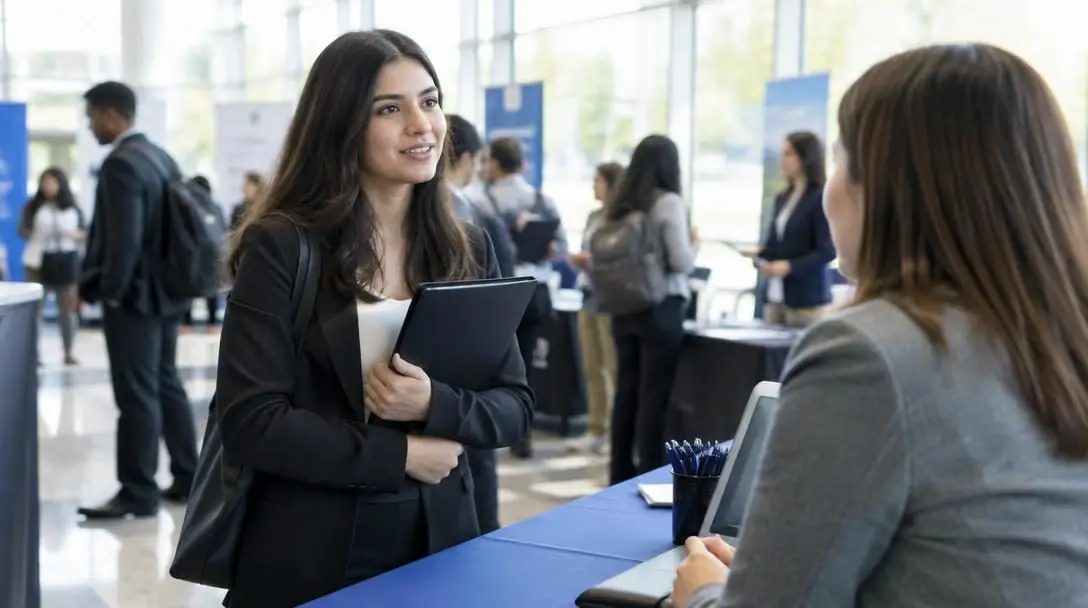
Job seekers circulate through the hall, approaching target booths to initiate conversations that typically last between two and five minutes. In this brief window, candidates introduce themselves, present an elevator pitch, hand over a resume, and inquire about active openings. When a representative is especially impressed by an applicant's background, they may suggest an immediate on-site mini-interview in an adjacent seating area or supply instructions for fast-tracked online processing.
Step-by-Step Preparation Before the Fair
A successful job fair experience is won before arriving at the venue. Unprepared attendees frequently spend valuable time wandering aimlessly through crowded aisles, unsure of which organizations align with their skills. A structured preparation routine ensures every conversation counts.

- Audit the registered employer directory: Review the official list of attending employers published on the event registration portal, flagging those operating in your target sector.
- Investigate target companies: Study recent press releases, core organizational values, mission statements, and open job requisitions on target employers' career portals.
- Tailor multiple resume drafts: Align distinct versions of your resume with the specific technical proficiencies, certifications, and project experiences relevant to target employers.
- Refine your introduction: Draft a 30-to-60-second summary detailing your educational foundation, professional experiences, technical competencies, and immediate career goals.
- Assemble your career kit: Gather printed materials inside a clean padfolio along with working pens, a notepad, and reference sheets.
Researching Participating Companies
Entering an event without prior organizational research leads to superficial conversations. Identify which employers match your personal career direction and cross off those that do not fit your qualifications. Review each firm's public web presence, current product launches, and organizational values. Demonstrating an awareness of an employer's recent initiatives signals high motivation, proving to the recruiter that you seek a role with their specific team rather than any generic open seat.
Updating and Tailoring Your Resume
Your resume serves as your physical calling card on the convention floor. Verify that contact information, degree timelines, relevant coursework, technical proficiencies, and recent achievements are accurate. Because off-campus fairs draw companies across multiple disciplines, develop tailored variants of your resume. An engineering graduate, for instance, might emphasize coding languages on one version for tech consultancies and project management certifications on another for manufacturing organizations. Thoroughly proofread each document to ensure formatting errors or typographical mistakes do not undermine your credibility.
Crafting and Rehearsing Your Elevator Pitch
An elevator pitch is a concise, natural summary designed to initiate professional dialogue without monopolizing the recruiter's time. A well-constructed pitch covers four core components:
- Your current professional status or degree concentration.
- Relevant internship, academic, or work-related achievements.
- Core technical or interpersonal capabilities that set you apart.
- The specific functional areas or organizational contributions you are targeting.
Rehearse this summary aloud until the phrasing flows naturally and conversationally, allowing you to speak clearly even in a loud, echoing exhibition hall.
A concise, well-delivered introduction transforms a noisy, high-pressure booth interaction into a memorable professional interview.
Execution Strategies on the Fair Floor
Executing an effective plan during the event requires balancing professional poise, strategic time management, and active engagement with everyone you encounter on the floor.
Dressing for Success
First impressions carry immense weight in fast-paced hiring environments. Wearing clean, tailored business professional attire shows representatives that you take their time seriously. Professional presentation also ensures you are visually prepared if a brief booth discussion transitions into an impromptu, formal on-site screening with a hiring director.
Navigating Timing and Floor Geography
Plan to arrive well before the opening bell. Early arrival allows you to complete registration smoothly, review the layout, and prioritize your route through the venue. Early morning hours also give you access to talent acquisition teams when they are energetic, attentive, and less susceptible to the fatigue that sets in during afternoon sessions.
Managing Physical Materials
Bring at least fifteen to twenty crisp, single-page copies of your tailored resumes, securely stored in a professional folder or padfolio to prevent bent corners. Having abundant copies is essential, as individual booths are frequently staffed by multiple talent specialists hiring for completely distinct internal divisions or geographical branches.
Engaging with Peer Candidates
Do not limit your interactions strictly to company representatives. Engage in constructive discussions with fellow job seekers while waiting in line or sitting in communal break spaces. Peer candidates often share useful observations regarding company hiring cultures, regional market openings, and feedback on which booths are offering productive conversations. Expanding your peer network builds valuable connections that can support your job search long after the fair ends.
Post-Fair Follow-Through and Reflection
The interactions you have on the convention floor represent only half of the hiring equation. Systematic follow-through is what translates a brief handshake into a formal screening interview.
Conducting Timely Recruiter Outreach
Talent acquisition teams interact with dozens or even hundreds of applicants in a single afternoon. Sending a thoughtful, tailored follow-up message within 24 to 48 hours helps keep your conversation fresh in their minds. When drafting your email:
- Express appreciation for the recruiter's time and guidance during the event.
- Reference a distinct topic, project, or role discussed at the booth to trigger their memory.
- Reiterate how your specific skills align with their organizational needs.
- Attach a clean digital PDF of the resume variant you shared in person.
Completing a Performance Debrief
Dedicate twenty minutes immediately following the fair to evaluate your overall performance while the experience is fresh. Review which elements of your elevator pitch resonated with recruiters and which phrasing felt awkward or unclear. Record any specific application directives, internal requisition numbers, or personalized feedback shared by company representatives. Noting these details guarantees accurate follow-up and refines your technique for future career events.
Critical Pitfalls to Avoid
Job seekers frequently undermine an otherwise solid background by falling into easily avoidable traps on the event floor. Eliminating these mistakes gives you a clear competitive advantage over less prepared attendees.
- Approaching booths without background knowledge: Asking a recruiter "What does your company do?" demonstrates a lack of initiative. Employers expect candidates to have completed basic research before stepping up to the table.
- Exhausting resume copies midway through: Running out of physical resumes forces you to direct recruiters to your personal website or social profiles, diminishing the immediate utility of a face-to-face encounter.
- Delivering a continuous monologue: A pitch should spark an active, two-way dialogue. Failing to pause and listen to the recruiter's comments signals poor interpersonal communication.
- Neglecting real-time note-taking: Attempting to mentally log every recruiter's name, email address, and conversation detail inevitably results in confusion when sending follow-up correspondence. Use your padfolio to jot down notes immediately after stepping away from each table.
- Missing the 48-hour follow-up window: Delaying follow-up correspondence allows the memory of your conversation to fade, squandering the energy and time you invested on the floor.
Next Steps to Maintain Momentum
Attending an off-campus hiring fair is not an isolated event; it is one stage in a broader employment campaign. After completing your follow-up notes, focus on maintaining professional momentum through concrete next steps:
- Maintain an application tracking log: Build a dedicated spreadsheet recording the companies visited, recruiter contact details, notes from your conversation, dates follow-up emails were dispatched, and assigned requisition codes.
- Update your public marketing collateral: Integrate the real-world feedback gained on the floor into your LinkedIn profile, portfolio projects, and core resume summaries.
- Prepare for formal interview rounds: If an interaction results in an invitation for a formal phone screening or video interview, pivot toward studying common behavioral and technical interview questions tailored to that firm.
- Register for upcoming events: Treat every job fair as an opportunity to sharpen your skills. Look for upcoming regional workforce expos, industry association panels, and specialized networking events to continue expanding your network.
Frequently asked questions
How many copies of my resume should I bring to an off-campus job fair?
Bring between fifteen and twenty clean physical copies stored in a protective padfolio. Multiple recruiters frequently staff the same company booth representing distinct teams, making extra copies essential.
What should I wear to an off-campus career expo?
Wear clean, fitted business professional attire. Dressing professionally ensures you make a strong visual first impression and leaves you prepared if an impromptu, formal on-site interview takes place.
How long should my interaction with each recruiter last?
Target interactions that last between two and five minutes. This provides enough time to deliver your pitch, discuss your qualifications, submit your resume, and ask a thoughtful question without holding up the line.
When should I send follow-up emails after the event?
Send personalized follow-up emails within 24 to 48 hours of the event's conclusion. Prompt outreach ensures recruiters remember your conversation before their memories fade.
What should I do if a company asks me to apply online anyway?
Comply with their process enthusiastically. Large organizations must route candidates through compliance systems; your booth interaction helps your submission stand out once you reference the recruiter's name in your cover letter and follow-up email.
The bottom line
Securing employment through off-campus job fairs requires combining thorough advance research with confident in-person communication and disciplined follow-up. By treating these multi-employer events as high-value networking platforms rather than casual drop-in sessions, job seekers can cut through digital screening barriers and build lasting professional relationships that accelerate their careers.