How to Ace Your Next Job Interview: Tips and Strategies

A job interview is often the final hurdle between a promising candidate and their target position. While a polished resume earns you a foot in the door, the live conversation provides prospective employers with the opportunity to evaluate your verbal communication, critical thinking, problem-solving capabilities, and cultural alignment. Facing an interview panel can naturally feel overwhelming, especially when you are unsure of what to expect or how to structure your preparation in advance.
Approaching the meeting with clarity begins by recognizing that an interview is fundamentally a structured, two-way dialogue rather than an interrogation. While the organization evaluates your qualifications and interpersonal presence, you are simultaneously determining whether the position, company leadership, and workplace culture support your long-term career goals. With thoughtful planning and deliberate practice, you can transform interview anxiety into authentic, confident execution.
Key takeaways
- Treat the job interview as a collaborative evaluation of mutual compatibility rather than a one-sided interrogation.
- Research the organization's mission, products, services, and current industry trends to customize your responses effectively.
- Rehearse core conversational questions, including inquiries regarding your background, personal strengths, weaknesses, and motivations.
- Plan logistical details early by wearing professional business attire, packing five printed resumes, and arriving 10 to 15 minutes ahead of schedule.
Decoding the Interview Evaluation Process
To perform effectively during an interview, it helps to examine what occurs beneath the surface of the conversation. Hiring managers utilize standardized questions and observational assessments to construct a clear picture of how you would function as a team member. They look past the static bullet points on your application to gauge your real-world competence, professional demeanor, and capacity to deliver measurable value.
When interviewers introduce situational or background questions, they assess how coherently you articulate your professional path and whether you comprehend the broader impact of your past actions. They want to verify that the achievements you highlight can solve their immediate challenges and support departmental objectives. An applicant who merely recites job duties provides far less assurance than one who frames their history around tangible contributions and practical solutions.
Recognizing that an interview is a structured dialogue rather than an interrogation is the first step toward approaching it with a calm and constructive mindset.
Beyond spoken answers, interviewers evaluate non-verbal cues and behavioral indicators throughout the encounter. Factors such as prompt arrival, posture, grooming, and vocal tone communicate subtle messages regarding your reliability, self-awareness, and respect for the workplace. An applicant who appears rushed, disheveled, or overly informal may signal potential issues with everyday work habits, whereas poised and respectful behavior builds immediate trust.
Essential Strategies to Master Your Next Interview
Securing an offer requires proactive preparation and deliberate presentation. The following core strategies directly address the key areas that hiring teams prioritize when reviewing candidates across industries.
Research the Company
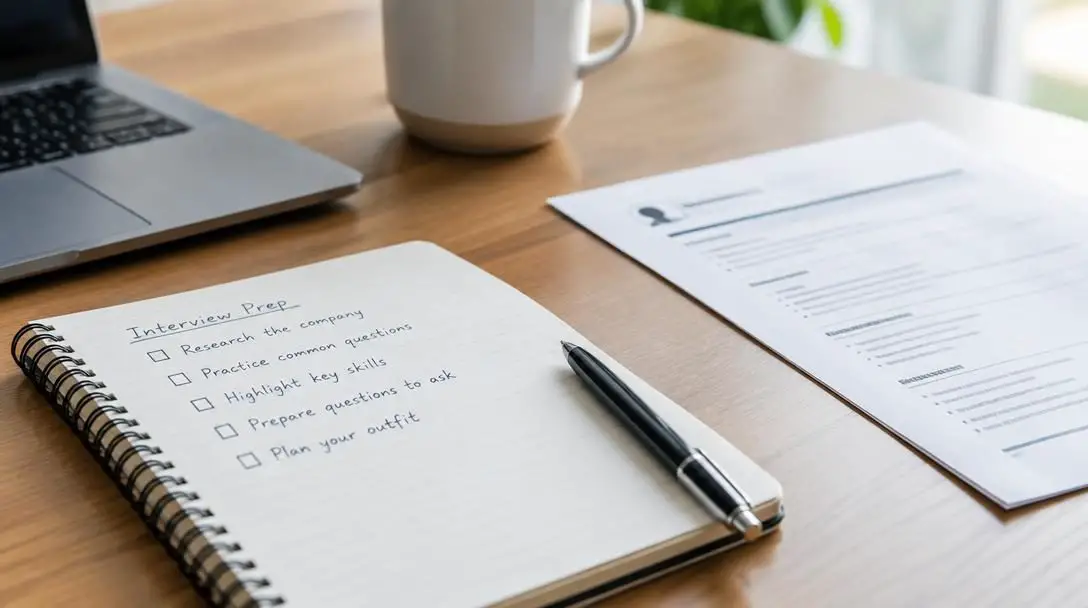
Conducting in-depth research before the interview is an indispensable baseline requirement. Thorough exploration involves reviewing the organization's official mission statement, analyzing its full catalog of products or services, reading recent press releases, and monitoring broader market trends that influence the business. Understanding these elements enables you to contextualize your responses, demonstrating to interviewers that your interest in their organization is authentic, deliberate, and informed.
Practice Common Interview Questions
While every interview features distinct conversational dynamics, hiring teams routinely rely on standard inquiries to open the dialogue. You should anticipate and rehearse answers to foundational questions such as "Tell me about yourself," "What are your strengths and weaknesses?", and "Why do you want to work for this company?" Rehearsing your talking points beforehand prevents hesitations and ensures that your explanations sound confident, natural, and structured rather than scripted or caught off guard.
Dress Professionally
First impressions carry immense weight in professional settings, making your choice of attire a critical component of interview readiness. Opting for clean, well-fitted business clothing—such as a tailored suit or professional dress pants matched with an appropriate blouse—signals respect for the organization and its hiring process. Casual clothing such as sneakers or denim jeans should be strictly avoided, as casual garments project an informal or careless attitude toward the meeting.
Arrive Early
Punctuality is one of the clearest initial indicators of your professional discipline and time-management habits. Plan your commute to arrive at the interview location 10 to 15 minutes prior to the scheduled start time. This brief buffer grants you time to catch your breath, adjust your appearance, and settle your nerves, while reassuring the hiring manager that you will be dependable and punctual in day-to-day operations.
Bring Copies of Your Resume
Although hiring managers typically have electronic files or printed records accessible, unexpected situations frequently arise in office environments. Additional interviewers may join the room without paperwork, or local printers may fail. Bringing approximately five clean, crisp physical copies of your resume ensures you can smoothly hand documentation to everyone seated at the table without awkward delays.
Be Confident but Humble
Navigating an interview requires maintaining an equilibrium between presenting your capabilities with conviction and exhibiting professional humility. Speak clearly about your career milestones and personal contributions, but frame your successes in terms of how they can directly benefit the hiring organization. Highlighting your past accomplishments should serve to illustrate your value to their team rather than satisfy personal pride.
Ask Thoughtful Questions
Toward the conclusion of the conversation, interviewers will typically invite you to ask questions about the workplace, role, or company operations. Taking advantage of this opportunity demonstrates your curiosity and attention to detail. Inquiring about team workflows, immediate priorities, or company initiatives proves that you have prepared conscientiously and are actively considering how you would contribute to the organization.
At a Glance: Key Interview Strategy Components
| Strategy Focus | Primary Objective | Recommended Action |
|---|---|---|
| Organizational Research | Demonstrate genuine company interest | Review mission statements, current news, and active services |
| Question Practice | Deliver structured, confident responses | Rehearse answers for background, strengths, and role motivation |
| Professional Attire | Project competence and respect | Select business garments like suits or dress pants and blouses |
| Arrival Timing | Signal punctuality and dependability | Arrive at the interview site 10 to 15 minutes ahead of schedule |
| Resume Preparation | Maintain preparedness for panel shifts | Carry roughly five printed copies in a protective folder |
| Balanced Presentation | Demonstrate team-oriented value | Frame your accomplishments around organizational advantages |
| Closing Questions | Confirm proactive engagement | Ask targeted questions regarding operations and workflows |
A Step-by-Step Practical Preparation Plan
Executing your preparation through an organized timeline eliminates unnecessary friction and guarantees that no critical detail is overlooked. Follow this structured roadmap in the days leading up to your interview:

- Analyze the job description: Carefully review the original job posting to identify every primary responsibility, technical requirement, and preferred qualification emphasized by the employer.
- Gather company intelligence: Examine the company's public website, read executive mission statements, review recent press releases, and study their active product lines and service offerings.
- Formulate standard question responses: Outline clear speaking points for recurring interview inquiries, paying special attention to your background narrative, personal strengths, identified areas for improvement, and motivations for joining the firm.
- Map accomplishments to organizational needs: Review your past professional triumphs and connect each milestone to a problem or priority the prospective employer currently faces.
- Develop customized closing inquiries: Draft a focused set of insightful questions targeting operational challenges, team structures, or long-term workplace initiatives.
- Inspect professional attire: Choose, wash, and iron your business attire—such as a tailored suit or professional dress pants and a blouse—well in advance of interview day.
- Assemble physical documentation: Print approximately five copies of your resume on fresh paper, sliding them into a clean, protective folder alongside a notepad and pen.
- Plan your transit route: Check public transit schedules or traffic patterns, account for potential delays, and establish a departure time that places you at the facility 10 to 15 minutes before the meeting begins.
Critical Interview Mistakes to Avoid
Many candidates possess strong foundational credentials but undermine their candidacy through unforced errors during the interview cycle. Being mindful of these frequent missteps will help you safeguard your candidacy:
- Neglecting company research: Offering generic responses that could apply to any competing employer shows a lack of initiative and makes your interest appear superficial.
- Choosing overly casual clothing: Arriving in jeans, athletic sneakers, or wrinkled garments signals a lack of professional respect for the evaluators and the organization.
- Showing up late or rushing through the door: Arriving at the exact minute the interview begins—or arriving late—suggests poor personal time management and raises concerns regarding your daily attendance.
- Focusing solely on personal gain: Cataloging your accomplishments without linking them to the company's operational needs prevents interviewers from visualizing how you will help their team.
- Projecting arrogance or extreme timidity: Displaying an boastful attitude alienates future colleagues, while extreme timidness makes it difficult for interviewers to evaluate your capabilities.
- Failing to ask questions: Remaining silent when the floor is opened for questions communicates disinterest, implying that you have not deeply evaluated the role.
- Arriving without paper resumes: Assuming that every interviewer will bring their own printed materials leaves you unprepared if an extra executive joins the panel unexpectedly.
What to Do After the Interview Concludes
The interview process does not terminate the moment you exit the conference room. Taking purposeful steps immediately following the conversation reinforces the positive impression you established and equips you for subsequent selection rounds.
Begin by conducting a brief self-debrief while the discussion remains fresh in your mind. Write down the topics the interviewer emphasized, the questions that challenged you, and the answers you feel could have been sharper. These notes will prove invaluable if you are invited back for a second-round interview or when applying for comparable opportunities in the future.
Following your reflection, send a prompt, polite follow-up message to the hiring manager. Expressing genuine gratitude for their time, reiterating your enthusiasm for the position, and briefly highlighting how your skills correspond to their current initiatives keeps your application top of mind as decisions are finalized.
Finally, maintain your momentum. Awaiting hiring decisions can take time, so it is wise to keep your materials organized and continue your professional development. Maintaining your readiness ensures you stay confident and prepared for whatever conversation comes next.
Frequently asked questions
How many copies of my resume should I bring to an in-person interview?
It is recommended to bring approximately five printed copies of your resume. Even if the primary interviewer has an electronic version, having backup paper copies accommodates additional panelists who may join unexpectedly or situations where office printers fail.
How early should I arrive for a scheduled job interview?
Aim to arrive 10 to 15 minutes before your scheduled appointment time. This arrival window demonstrates punctuality, provides you with time to compose yourself, and avoids disrupting the hiring manager's schedule by arriving excessively early.
What clothing is appropriate for a standard professional interview?
Professional business attire—such as a tailored suit or professional dress pants paired with an appropriate blouse—is recommended. Candidates should avoid casual wear, such as denim jeans or sneakers, to ensure they project a polished, serious image.
Why is it important to ask questions at the end of the interview?
Asking thoughtful questions indicates that you conducted meaningful research and possess a sincere interest in the company's operations. It also allows you to gather critical information about the team's workflow and workplace environment to assess mutual compatibility.
How should I frame my strengths and accomplishments during the conversation?
Frame your accomplishments by connecting your past successes directly to the prospective employer's needs and challenges. Striking a balance between confidence and humility demonstrates how your skills provide tangible advantages to their organization rather than merely serving personal pride.
The Bottom Line
Acing a job interview is less about having effortless charm and more about disciplined, deliberate preparation. By researching the business thoroughly, practicing core conversational questions, dressing in professional business attire, and bringing necessary materials, you demonstrate respect for the opportunity and confidence in your own abilities. Navigating the conversation as a collaborative dialogue allows both you and the employer to discover whether the role represents a productive, mutually beneficial match.