All About Football: A Comprehensive Guide
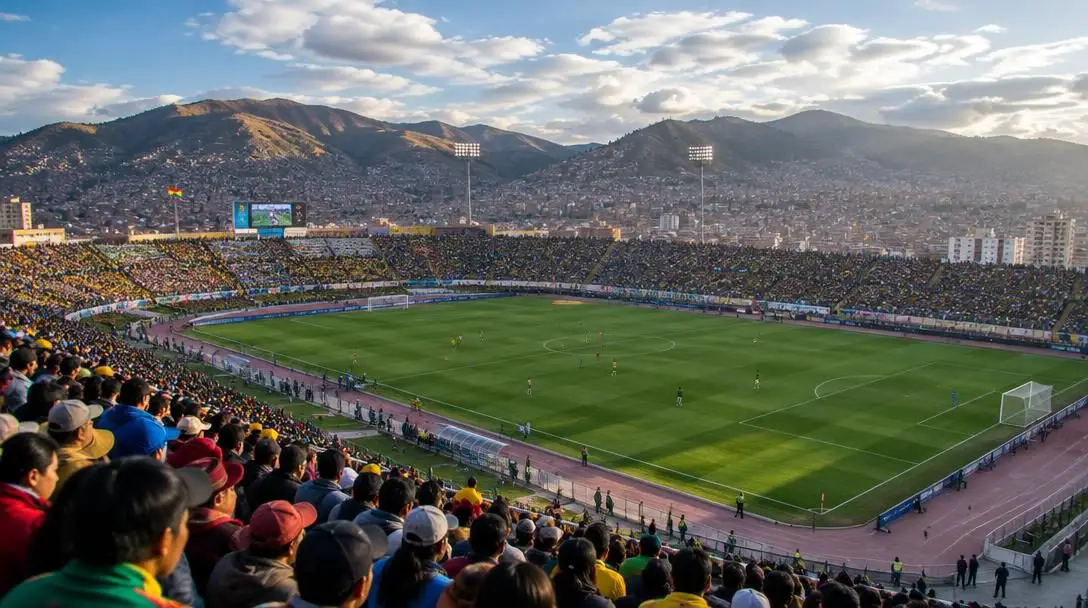
Football stands as a captivating athletic endeavor that has captured the attention of millions across the globe for well over a century. Defined by a powerful fusion of raw speed, disciplined physical collisions, tactical chess matches, and coordinated teamwork, the sport has expanded from modest regional pastimes into a multi-billion-dollar global phenomenon. Whether observing the strategic downs of the North American gridiron or the fluid, open-field drama of association football across Europe, South America, and beyond, the sport consistently bridges regional divides and inspires fierce community devotion.
The shared heritage of these games reflects human ingenuity and the universal drive for organized competition. From the standardization of universal codes in Victorian England to the tactical genius of modern gridiron dynasties, football embodies how athletic competition continuously adapts to spectator enthusiasm, broadcast innovations, and rigorous scientific preparation.
Key takeaways
- Modern association football codified its earliest unified regulations in England in 1863, leading to the creation of organized global leagues and the FIFA World Cup.
- American football emerged from nineteenth-century rugby and soccer traditions, organizing professionally under the APFA in 1920 before becoming the National Football League.
- Gridiron competition relies on precise territorial progression across a 120-yard field, using specialized offensive, defensive, and kicking units across four 15-minute quarters.
- Iconic head coaches and players, such as Vince Lombardi, Joe Montana, and Jerry Rice, transformed tactical playbooks and established benchmarks for professional sporting excellence.
The Global Origins and Historical Milestones of Football
The contemporary sport traces its structural origins to nineteenth-century England, an era when public schools and regional communities played numerous contrasting variations of kicking and handling games. Because each local jurisdiction observed independent customs, arranging fixtures between distant institutions proved exceptionally difficult. The urgent need for standardized governance produced a series of defining milestones that reshaped athletic competition worldwide:
- 1863: The Football Association (FA) was formed in England, establishing the first standardized handbook of rules and formally distinguishing association football from rugby-style gameplay.
- 1870s: The earliest recognized international football fixtures were contested, demonstrating the sport's cross-border appeal and paving the way for global competition.
- 1871: The FA Cup was inaugurated as the oldest official football competition in the world, introducing an open tournament structure where amateur and professional clubs could compete head-to-head.
- 1888: The English Football League was established, introducing structured, seasonal league play and formal professional contracts for athletes.
- 1903: Germany formed its inaugural national professional football league, highlighting the rapid institutional expansion of organized competition across continental Europe.
- 1920: In the United States, the American Professional Football Association (APFA) was organized, an entity that would subsequently evolve into the National Football League (NFL).
- 1930: Uruguay hosted and won the inaugural FIFA World Cup, cementing international football's preeminent tournament and opening an era of worldwide sporting pageantry.
Regulatory Evolution, Elite Club Competitions, and Tournament Lore
To preserve balance between defensive stoicism and attacking excitement, football administrators enacted deliberate structural revisions over the decades. In 1912, the physical dimensions of goalposts were formally standardized across association football grounds to ensure fair competitive conditions. Two decades later, during the 1930s, rulemakers created a designated penalty area inside the defensive third, introducing the penalty kick to penalize dangerous defensive fouls committed near the net. Offensive tactics experienced further modernization through repeated modifications to the offside rule, culminating in significant modern updates finalized in 2005 to encourage forward passing and goal-scoring momentum.
At the club level, international enthusiasm catalyzed the rise of premier continental competitions. The UEFA Champions League emerged as the pinnacle of European domestic competition, pitting top-flight clubs against one another before vast worldwide broadcast audiences. In South America, the Copa Libertadores developed into an equally celebrated tournament, testing the continent's finest clubs in an atmosphere of intense athletic passion. Supported by modern sports science, tracking technologies, and data analytics, elite organizations now execute intricate positional strategies designed to optimize athlete performance over long, grueling campaigns.
Deliberate rule revisions throughout football history transformed localized athletic games into high-speed spectacles celebrated across every continent.
On the international stage, the FIFA World Cup has generated unforgettable milestones that remain deeply embedded in cultural memory. In 1954, West Germany secured the renowned "Miracle of Bern" in Switzerland, overturning expectations by defeating the dominant Hungarian national team. In 1986, Argentine forward Diego Maradona made tournament history in a dramatic quarterfinal clash against England, featuring the infamous "Hand of God" alongside breathtaking individual skill. Across successive tournaments, the World Cup elevated generational talents such as Pelé, Diego Maradona, Zinedine Zidane, and Lionel Messi into international sporting icons.
Essential Rules and Mechanics of American Football
While association football prioritizes continuous movement, American football operates through an intricate framework of distinct downs, deliberate clock management, and specialized positional assignments. Contested on a rectangular playing field measuring 120 yards long—inclusive of two 10-yard end zones—and 53.3 yards wide, the gridiron provides an organized spatial canvas for tactical progression.
The playing surface features white yard lines painted every 5 yards to help game officials track territorial gains and enforce distance penalties. Longitudinal hash marks divide the turf into symmetrical halves, designating the exact lateral point where the ball must be spotted prior to the execution of each down. Standardized goalposts anchored at the rear boundary of each end zone serve as targets for scoring kicks throughout the contest.
A standard regulation contest features four 15-minute quarters separated by a 12-minute halftime intermission. Action begins with a pre-game coin toss, giving the winner the strategic option to kick off, receive, or defer ball possession. If regulation ends with the score deadlocked, teams enter a 15-minute sudden-death overtime period, where the first team to register a score claims victory.
Gridiron Scoring Methods and On-Field Infractions
An offense advances across the gridiron by completing forward passes through the air or executing direct running plays through defensive lanes. The sport assigns specific point values based on the physical and tactical difficulty of each scoring method:
- Touchdown (6 Points): Achieved when an athlete carries the football across the goal line into the end zone, or secures a completed reception within the end zone boundaries.
- Point After Touchdown / PAT (1 Point): An untimed post-touchdown opportunity where the placekicker sends the ball between the uprights from short range.
- Two-Point Conversion (2 Points): An aggressive alternative to the PAT, requiring the offense to snap the ball from the two-yard line and advance it into the end zone via run or pass.
- Field Goal (3 Points): Executed during regular downs when an offense opts to placekick the football through the opponent's uprights rather than attempting to gain a first down or touchdown.
To preserve competitive fairness and athlete safety, on-field officials closely monitor player engagements and penalize mechanical violations. Holding penalties occur whenever an athlete illegally grasps an opponent who does not hold the football. Pass interference occurs when a defender physically impedes an eligible receiver prior to the football's arrival. In addition, false starts penalize offensive players who jump or move abruptly before the ball is legally snapped. These infractions typically result in loss of yardage and replayed downs.
Positional Units and Tactical Responsibilities
Unlike sports requiring continuous two-way performance from all participants, an American football roster divides personnel into three distinct operational units:
- The Offensive Unit: Responsible for maintaining possession and scoring points. The unit is orchestrated by the quarterback, who calls plays, identifies defensive alignments, and distributes the ball via passes or handoffs. Running backs navigate defensive gaps, wide receivers run precise routes downfield to catch passes, and an offensive line blocks defenders to safeguard the passer and open rushing lanes.
- The Defensive Unit: Charged with halting offensive progress, forcing turnovers, and preventing scores. Defensive linemen apply pass pressure and seal running avenues at the line of scrimmage; linebackers deliver tackling support and defend short-to-intermediate passing routes; and defensive backs cover receivers downfield while trying to deflect or intercept throws.
- Special Teams: Deployed during kicking transitions, handling field goal attempts, kickoffs, punts, and point-after-touchdown kicks.
Major Leagues and Storied Rivalries Around the World
Football competitions generate intense local allegiance, fueling celebrated rivalries across both university campuses and world-class professional arenas.
In the United States, the National Football League (NFL) stands as the peak of professional gridiron football, comprising 32 franchises divided equally between the American Football Conference (AFC) and the National Football Conference (NFC). The Green Bay Packers, celebrated for winning the first Super Bowl, and the Pittsburgh Steelers, known for earning six championships, represent two of the league's most distinguished franchises. Intense divisional rivalries, including the classic series between the Green Bay Packers and Chicago Bears or the matchups between the Dallas Cowboys and Washington Football Team, captivate spectators throughout each autumn and winter.
Concurrently, NCAA College Football commands massive followings across America. Elite university programs including Alabama, Clemson, Ohio State, and Notre Dame consistently battle for national honors. Storied rivalries like the Iron Bowl between the Alabama Crimson Tide and Auburn Tigers, alongside the annual showdown between the Michigan Wolverines and Ohio State Buckeyes, produce stadium environments that rival professional spectacles.
Internationally, association football features celebrated domestic competitions. The English Premier League commands global broadcast attention through high-profile clubs such as Manchester United, Liverpool, Arsenal, and Chelsea, punctuated by the fierce North-West derby between Liverpool and Manchester United. In Spain, La Liga features two iconic global institutions, Real Madrid and FC Barcelona, whose head-to-head showdown, El Clásico, remains one of the world's most-watched regular sporting fixtures.
Continental Europe also features Germany's Bundesliga, anchored by Bayern Munich and Borussia Dortmund, alongside Italy's Serie A, driven by decorated clubs like Juventus, AC Milan, and Inter Milan. In South America, Brazil's Campeonato Brasileiro Série A showcases powers such as Flamengo and Palmeiras, while Argentina's Primera División is highlighted by the legendary Superclásico between Buenos Aires giants Boca Juniors and River Plate.
Icons of American Football
The history of the gridiron has been shaped by exceptional individual contributors whose playing achievements and coaching acumen set lasting standards for professional competition.
| Icon | Primary Role | Key Career Accolades | Notable Off-Field Pursuits |
|---|---|---|---|
| Joe Montana | Quarterback | 4 Super Bowl titles; 16 NFL seasons; "Joe Cool" | Venture investing; youth sports and education initiatives |
| Jerry Rice | Wide Receiver | 3 Super Bowl titles; all-time receptions, yards, and TDs leader | Dancing with the Stars finalist; Jerry Rice 127 Foundation |
| Vince Lombardi | Head Coach | 3 straight league titles; first 2 Super Bowls | Corporate management principles; trophy namesake |
| Bill Belichick | Head Coach | 6 Super Bowl titles; 9 Super Bowl appearances | Directs the Bill Belichick Foundation for youth sports |
| Tom Landry | Head Coach | 2 Super Bowl titles; 5 appearances; 29 straight seasons | Pioneered modern offensive and defensive playbook concepts |
Joe Montana
- Position: Quarterback
- NFL Longevity: 16 seasons
- Championships: 4 Super Bowl titles
- Monikers: "Joe Cool" and "The Comeback Kid"
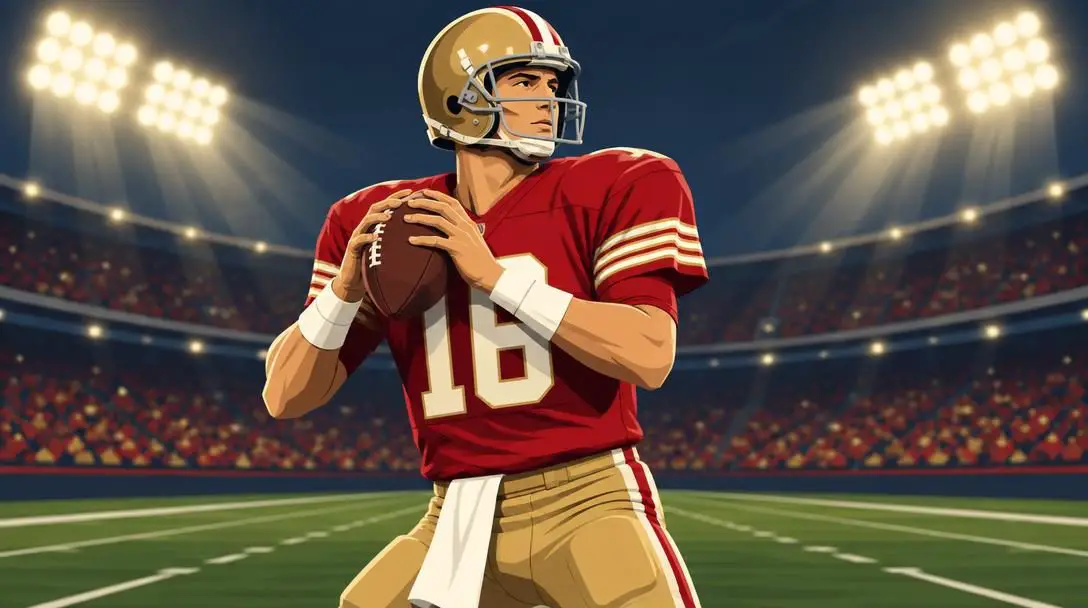
Directing the offense primarily for the San Francisco 49ers, Joe Montana demonstrated unmatched composure under intense pressure. His calm demeanor during high-stakes fourth-quarter drives earned him the moniker "Joe Cool" and established him as one of the most reliable clutch competitors in sporting history. Over his 16-season NFL career, Montana collected four Super Bowl rings without committing a single interception in championship play. After retiring from active football, Montana applied his strategic vision to venture capital investing while funding philanthropic organizations that support youth athletics and educational initiatives.
Jerry Rice
- Position: Wide Receiver
- NFL Career Span: 20 seasons
- Championships: 3 Super Bowl titles
- Hall of Fame Induction: Class of 2010
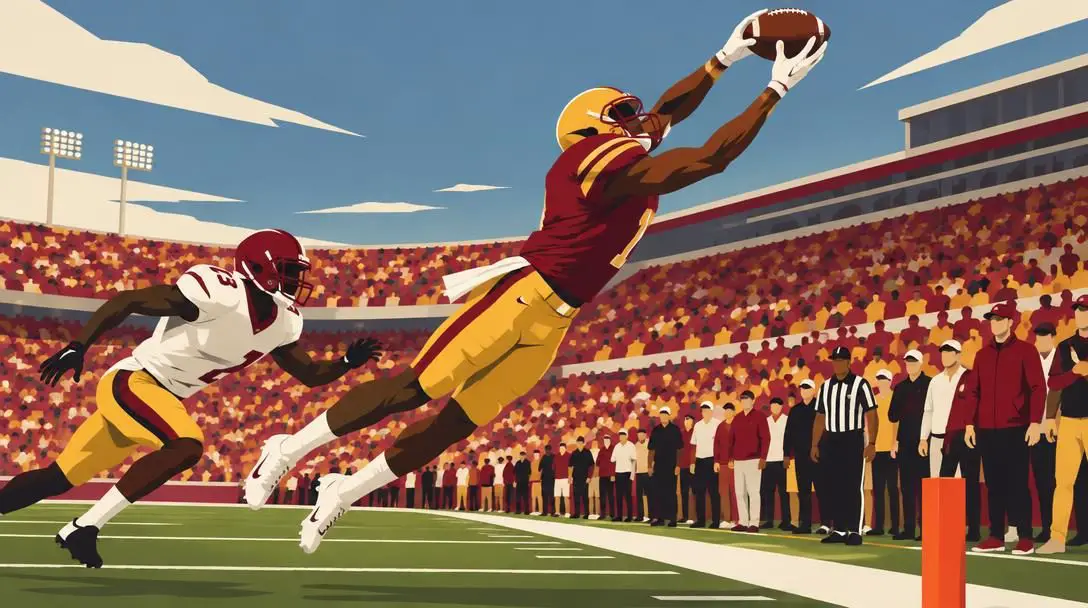
Universally acknowledged as the premier wide receiver in gridiron history, Jerry Rice put together an extraordinary 20-year career with the San Francisco 49ers, Oakland Raiders, and Seattle Seahawks. Known for his legendary conditioning, Rice established all-time NFL records for career receptions, receiving yardage, and total touchdowns that continue to stand unchallenged. A three-time Super Bowl champion who entered the Pro Football Hall of Fame in 2010, Rice expanded his public presence beyond sports by reaching the finals of television's Dancing with the Stars and supporting disadvantaged communities through his Jerry Rice 127 Foundation.
Vince Lombardi
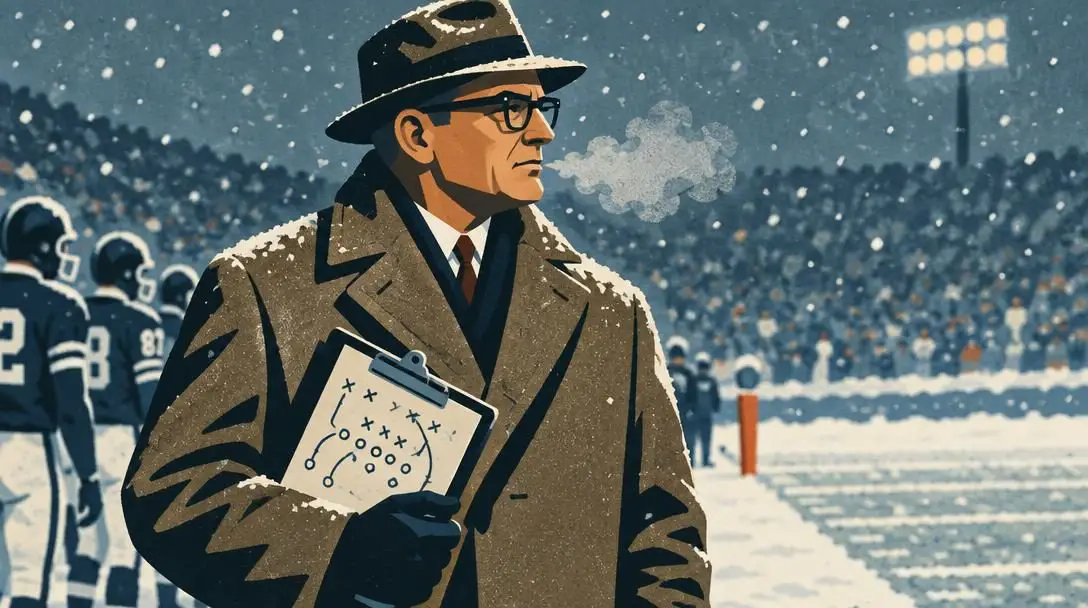
- Primary Role: Head Coach
- Key Franchise: Green Bay Packers
- Key Achievements: 3 straight league titles, 2 Super Bowl titles
- Enduring Honor: Namesake of the Vince Lombardi Trophy
Leading the Green Bay Packers during the 1960s, Vince Lombardi built a football dynasty defined by relentless preparation, physical toughness, and precise execution. Lombardi guided Green Bay to three consecutive league championships and victories in the first two Super Bowls ever played. His uncompromising leadership philosophies were so respected across the athletic spectrum that the NFL permanently designated its championship prize the Vince Lombardi Trophy. Lombardi's motivational maxims and operational standards continue to serve as reference points for corporate executives and team leaders worldwide.
Bill Belichick
- Primary Role: Head Coach
- Key Franchise: New England Patriots
- Super Bowl Record: 6 victories in 9 appearances
- Tenure Began: 2000
Directing the New England Patriots since 2000, Bill Belichick engineered one of the most sustained championship eras in modern sports. Known for meticulous game preparation and situational adaptability, Belichick repeatedly devised tactical adjustments to neutralize opponents' strengths while attacking their defensive weaknesses. His leadership produced nine Super Bowl appearances and six championship titles. Outside of team facilities, Belichick directs the Bill Belichick Foundation, providing coaching mentorship and athletic grants to assist underprivileged youth athletic programs.
Tom Landry
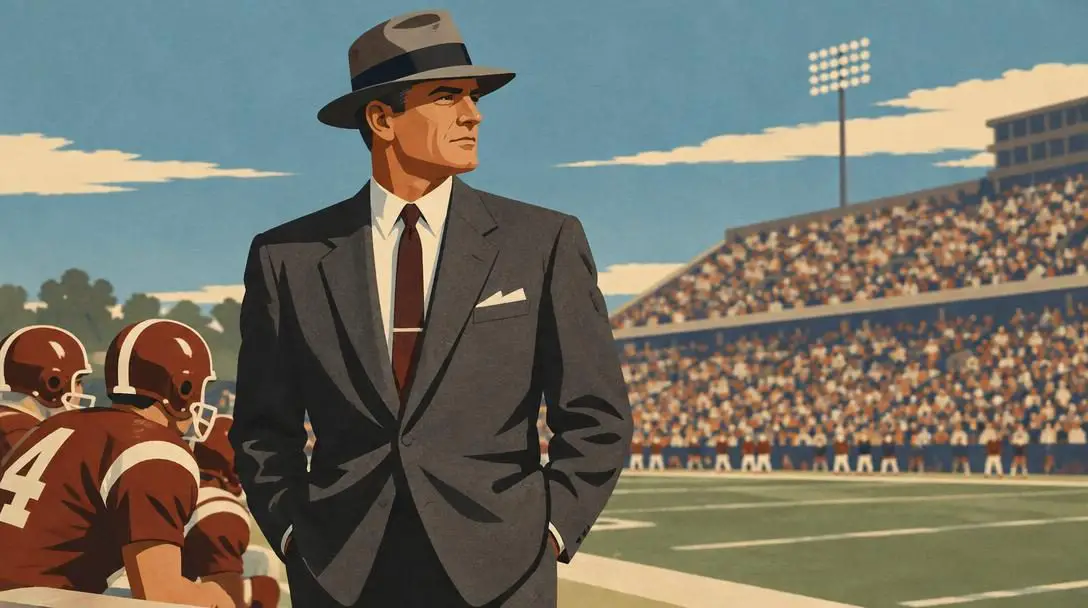
- Primary Role: Head Coach
- Key Franchise: Dallas Cowboys
- Tenure: 29 consecutive seasons
- Championships: 2 Super Bowl titles in 5 appearances
The foundational strategist behind the Dallas Cowboys, Tom Landry served as the franchise's head coach for 29 straight seasons. Sporting his trademark fedora and maintaining stoic composure on the sideline, Landry fundamentally reshaped football tactics by creating intricate offensive motions and establishing complex defensive schemes like the 4-3 defense. His strategic designs propelled Dallas to five Super Bowl appearances and two world championships, permanently enriching the strategic terminology and technical playbooks of contemporary professional football.
Frequently asked questions
When were the first official rules of football established?
The first standardized guidelines for association football were codified in 1863 when The Football Association (FA) was formed in England to establish uniform playing rules across regional teams.
How does overtime work in regular-season American football?
When regulation ends in a tie, teams compete in a 15-minute sudden-death overtime period, meaning the first team to register a score of any kind immediately secures victory.
What is the difference between a PAT and a two-point conversion?
Following a touchdown, a team can kick a Point After Touchdown (PAT) through the uprights from close range for one point, or attempt a two-point conversion by running or passing the ball into the end zone from the two-yard line.
Which NFL coach is the Super Bowl trophy named after?
The NFL championship prize is named the Vince Lombardi Trophy in honor of Green Bay Packers head coach Vince Lombardi, who won three consecutive league titles and the first two Super Bowls.
What major rule revision occurred in football in 1912?
In 1912, the physical dimensions of the goalposts were officially standardized across association football grounds to ensure uniform competitive conditions.
The bottom line
From the historic formation of England's Football Association in 1863 to the intricate gridiron strategies mastered by legends like Vince Lombardi, Tom Landry, and Bill Belichick, football represents a remarkable blend of physical athleticism and strategic discipline. Whether played on open soccer pitches before international crowds or inside packed American stadiums across 120-yard fields, the game continues to evolve through updated regulations, tactical innovation, and fierce regional loyalties that unite generations of supporters around the world.