Football History: A Journey Through Time
Football stands as a cultural titan across the globe, uniting billions of supporters through shared passion, dramatic rivalries, and athletic mastery. Known as soccer in the United States and football virtually everywhere else, the sport has expanded from rough, agrarian rituals into a multi-billion-dollar global enterprise that shapes national identities and modern entertainment.
The journey of football is defined by continuous reinvention. Over centuries, communities transformed chaotic ball-kicking pastimes into strictly governed tactical contests, generating iconic club cultures, distinct tactical philosophies, and individual legends whose exploits remain etched in sporting lore.
Key takeaways
- Early ancestors of the sport date back millennia, from China's cuju to ancient Greek episkyros and chaotic medieval mob football.
- Formal codification began in nineteenth-century England with the 1848 Cambridge Rules and the 1863 establishment of the Football Association.
- American football diverged from soccer and rugby through Walter Camp's rule updates, standardizing eleven-man rosters and legalizing the forward pass.
- Legendary rivalries and historic tacticians transformed regional sporting matches into deeply meaningful cultural and tactical phenomena.
Ancient roots and medieval mob games
Long before standard pitches and synthetic footballs existed, ancient civilizations engaged in varied kicking and ball-carrying games. In China, historical records trace the game of cuju ("kick the ball") back to the Warring States period in the fifth century BC. Participants were tasked with propelling a leather sphere through a narrow opening without using their hands, establishing an uncanny structural resemblance to the contemporary sport.
Classical antiquity in the Mediterranean fostered its own competitive ball traditions. Ancient Greece developed episkyros, a dynamic contest where rival squads attempted to launch a ball past an opposing boundary line while pushing back defensive challenges. The Roman Empire subsequently adopted and adapted these mechanics into harpastum, a fast-paced sport played with a smaller, harder ball that emphasized physical agility and tactical positioning.
During the Middle Ages, Western Europe developed volatile regional folk pastimes, notably la soule in France and mob football across England. Mob football featured matches between neighboring hamlets, deploying unmetered numbers of participants who battled over massive expanses to force an inflated pig's bladder into enemy territory. Because these encounters were largely lawless and frequently resulted in severe injuries, state and royal authorities viewed them as public hazards rather than athletic exercises.
Codification and the rise of association football
The transformation of football from unregulated brawls into an organized athletic discipline took place within England's public schools during the early nineteenth century. Because each academy maintained contradictory local customs, inter-school matches proved difficult to arrange. In 1848, representatives gathered to formulate the Cambridge Rules, which introduced foundational prohibitions against tripping opponents and running with the ball in hand.
The definitive turning point arrived in October 1863 with the formation of the Football Association (FA) in London. The FA drafted a universal rulebook that banned hand contact for field players and instituted formal sanctions, including free kicks and penalty decisions for foul play. These foundational parameters established association football as a standalone sport distinct from rugby, enabling the formation of official leagues, referee syndicates, and structured tournaments.
International expansion followed quickly:
- 1872: England and Scotland contested the inaugural official international football match, concluding in a scoreless draw.
- 1904: The Fédération Internationale de Football Association (FIFA) was founded in Paris to manage cross-border competition.
- 1913: The British Home Championship emerged nine years after FIFA's creation, cementing recurring competitive international play.
- 1930: Uruguay hosted the maiden FIFA World Cup, welcoming 13 teams and claiming the tournament's inaugural title.
Codifying the rules transformed chaotic village spectacles into a disciplined, universally recognized tactical competition.
The American branch: Walter Camp and gridiron evolution
While association football swept across Europe and South America, the United States developed a distinct variation of the game influenced by both rugby and soccer. During the late nineteenth century, Walter Camp—an athlete affiliated with Yale and the Hopkins School—championed a sequence of structural innovations that separated American football from its global counterparts. Camp's administrative and conceptual leadership directly fostered the eventual emergence of the National Collegiate Athletic Association (NCAA) and the National Football League (NFL).
Two essential regulatory adjustments permanently shaped gridiron gameplay:
- Standardizing roster sizes to eleven players per team in 1880, eliminating previous setups that fielded up to 25 competitors simultaneously.
- Legalizing the forward pass in 1906 to eliminate life-threatening gang-tackles and reduce catastrophic injuries generated by brute mass formations like the flying wedge.
Opening the field to aerial passing shifted athletic requirements from sheer physical bulk toward speed, precision route-running, and analytical play-calling. Over the decades, innovative coaches engineered game-changing offensive and defensive doctrines:
| Scheme | Era Introduced | Primary Strategic Objective |
|---|---|---|
| T-Formation | 1930s–1940s | Direct snap deception with three running backs aligned behind the quarterback. |
| Zone Defense | 1950s–1960s | Area coverage to suppress dynamic wide receivers and intercept passing lanes. |
| West Coast Offense | 1980s | Short, horizontal ball-control passes that stretch defenses and minimize turnovers. |
The T-formation demonstrated its devastating ceiling in the 1940 NFL Championship, when George Halas guided the Chicago Bears to an unmatched 73–0 victory. Decades later, Bill Walsh perfected the West Coast offense with the San Francisco 49ers, setting modern benchmarks for passing efficiency. Later developments, such as high-tempo no-huddle drives and run-pass option (RPO) concepts, have continued to expand the strategic boundaries of the gridiron.
Iconic club rivalries and cultural clashes
Football's global dominance is sustained by historic rivalries that mirror local politics, class divisions, and regional identities. These matches transcend simple league tables, functioning as civic dramas played out in packed stadiums.
El Clásico: FC Barcelona vs. Real Madrid
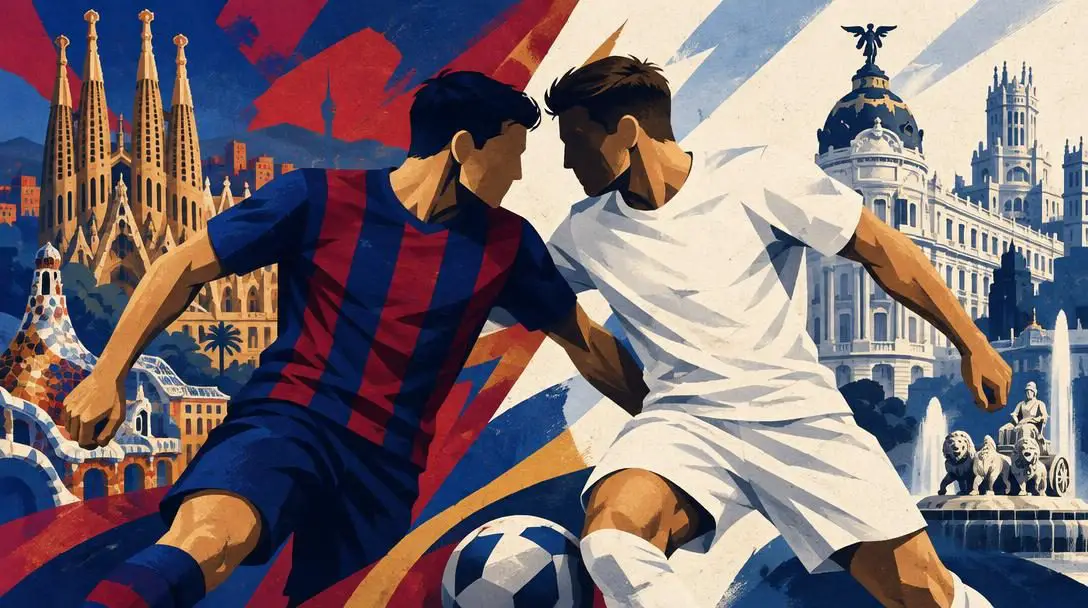
- FC Barcelona Founded: 1899
- Real Madrid Founded: 1902
- Cultural Divide: Catalan autonomy vs. Spanish centralized establishment
Few rivalries command the international spotlight like Spain's premier domestic fixture. Beyond athletic competition, the rivalry embodies historical tensions between Catalan regional pride and the central government in Madrid. FC Barcelona has historically stood as a cultural banner for Catalan self-determination, whereas Real Madrid became linked to the state establishment and the twentieth-century regime of Francisco Franco. Their meetings consistently assemble world-class rosters and carry enormous political symbolism.
The North-West Derby: Manchester United vs. Liverpool
- Manchester United League Titles: 20
- Liverpool League Titles: 19
- Root Origin: Industrial Revolution economic rivalry
The North-West Derby represents the preeminent rivalry in English sporting history. Stemming from nineteenth-century industrial disputes between neighboring manufacturing and shipping powerhouses, the clash between Manchester United and Liverpool centers on working-class heritage and sporting supremacy. Holding 39 combined domestic league championships, the two institutions contest every match amidst deafening atmospheres fueled by fierce local pride.
Derby della Madonnina: AC Milan vs. Inter Milan
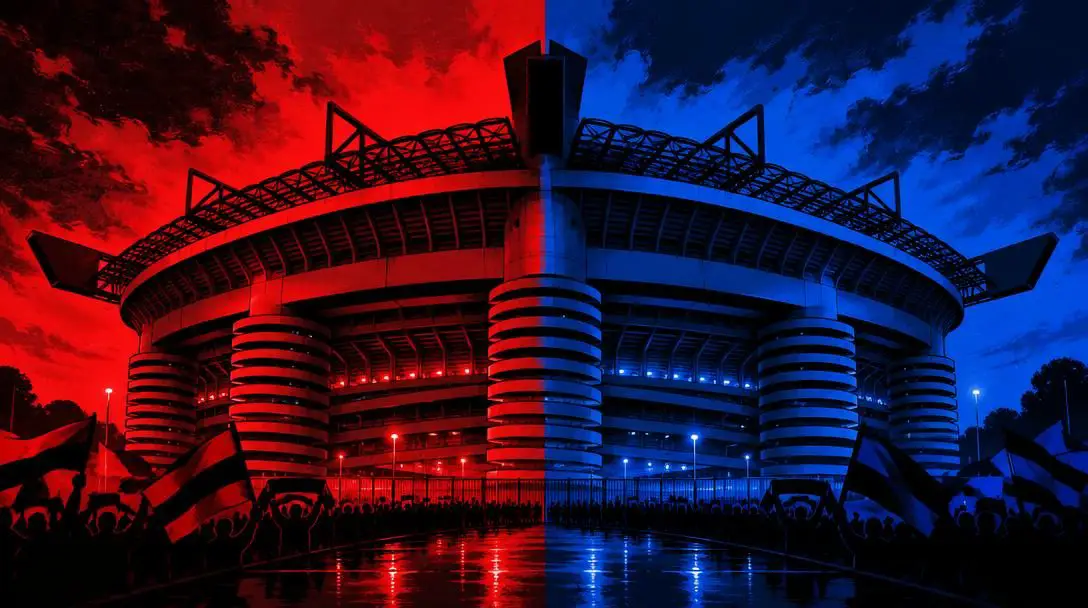
- Shared Venue: San Siro Stadium
- Combined Serie A Titles: 36
- Combined Champions League Titles: 10
Milan's intra-city derby derives its title from the statue of the Virgin Mary atop the Milan Cathedral, an enduring civic landmark. AC Milan was founded in 1899, but internal disagreements over whether to welcome foreign competitors led a splinter faction to establish Internazionale in 1908. Sharing the iconic San Siro ground, both European heavyweights have secured a combined 36 domestic league championships and 10 European Cup/UEFA Champions League trophies.
The Superclásico: Boca Juniors vs. River Plate
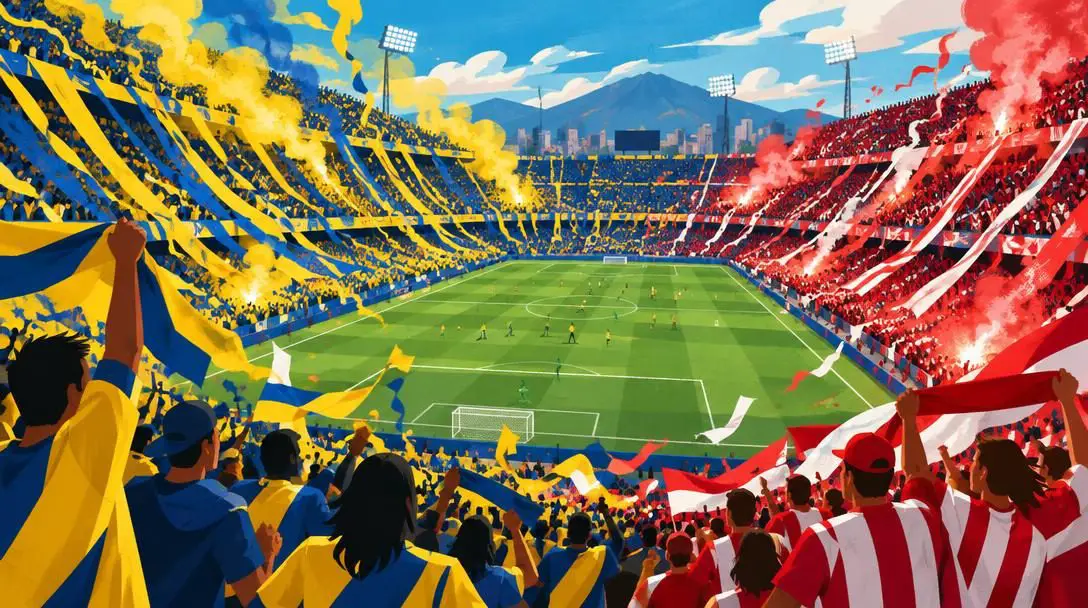
- Location: Buenos Aires, Argentina
- Original Dynamic: Working-class identity vs. Affluent migration
- Atmosphere: Globally renowned for passionate supporter displays
Argentina's Superclásico divides Buenos Aires into passionate sporting factions. Although both clubs started within the working-class waterfront district of La Boca, River Plate later migrated to the affluent northern suburb of Nuñez, establishing a deep socioeconomic division. Encounters between Boca Juniors and River Plate are celebrated worldwide for their intense pageantry, visual spectacle, and deep cultural resonance across South American athletics.
Legendary players and visionary managers
The progression of football has been charted by master technicians on the pitch and visionary thinkers along the touchline. Their tactical frameworks and athletic milestones established the benchmarks by which modern greatness is evaluated.
Pele
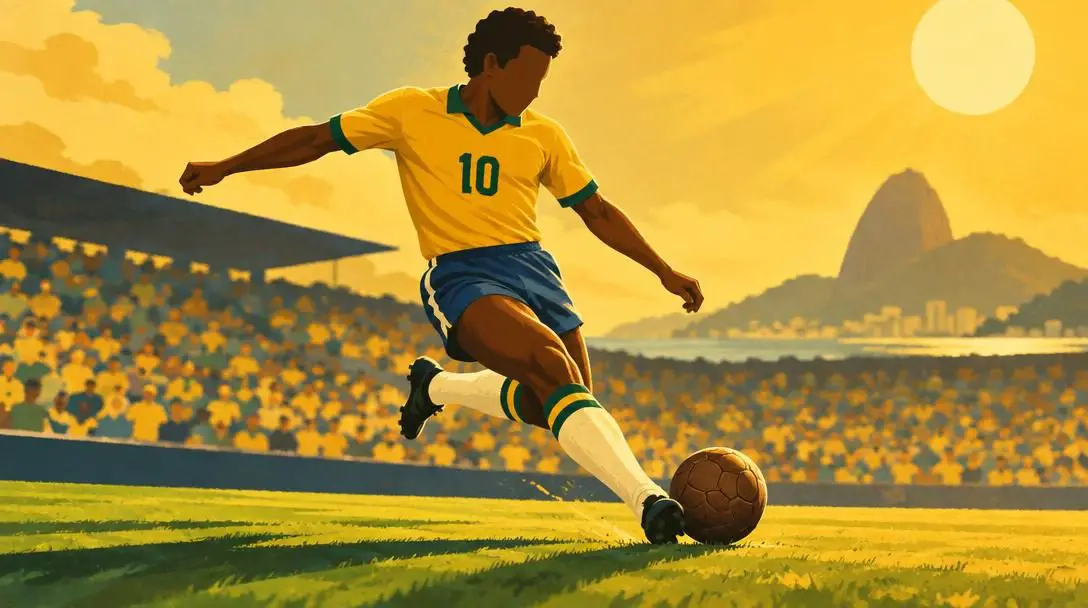
- Full Name: Edson Arantes do Nascimento
- Senior Debut Club: Santos (1956)
- World Cup Titles: 3 (1958, 1962, 1970)
- Ballon d'Or Honors: 3 (1961, 1963, 1965)
Universally celebrated among the finest footballers ever to play the sport, Pele reshaped modern attacking standards. Launching his career with Santos in 1956, he accumulated over 1,000 career goals through an exceptional blend of balance, clinical finishing, and vision. Pele remains the only male competitor to win three FIFA World Cup trophies, securing titles in Sweden (1958), Chile (1962), and Mexico (1970). In his later years, he signed with the New York Cosmos of the NASL, playing a pivotal ambassadorial role in introducing association football to mainstream American sports culture.
Diego Maradona
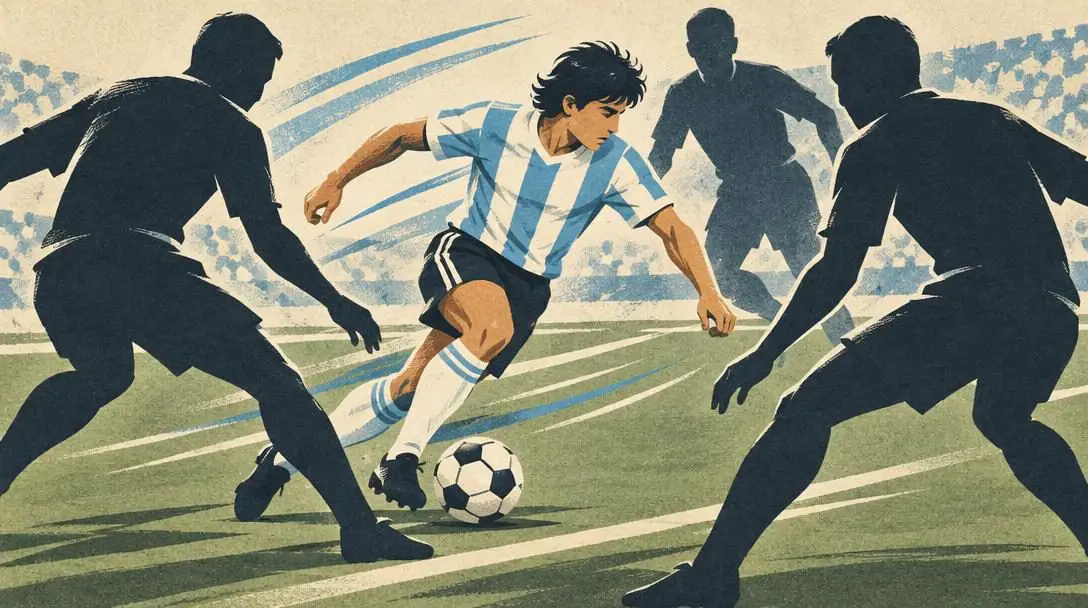
- Key Clubs: Argentinos Juniors, Boca Juniors, Barcelona, Napoli
- Major International Honor: 1986 FIFA World Cup Champion
- Defining Tournament Match: 1986 Quarterfinal vs. England
Diego Armando Maradona commanded world football with dazzling technical ball mastery, intuitive balance, and audacious improvisation. After showcasing his prodigal abilities with Argentinos Juniors and Boca Juniors, the Argentine playmaker achieved historic success in Europe, leading SSC Napoli to unprecedented Italian league championships. His crowning international achievement arrived during the 1986 World Cup in Mexico, highlighted by his infamous "Hand of God" score alongside a solo run through the English defense celebrated as one of the greatest goals in tournament history.
Sir Alex Ferguson
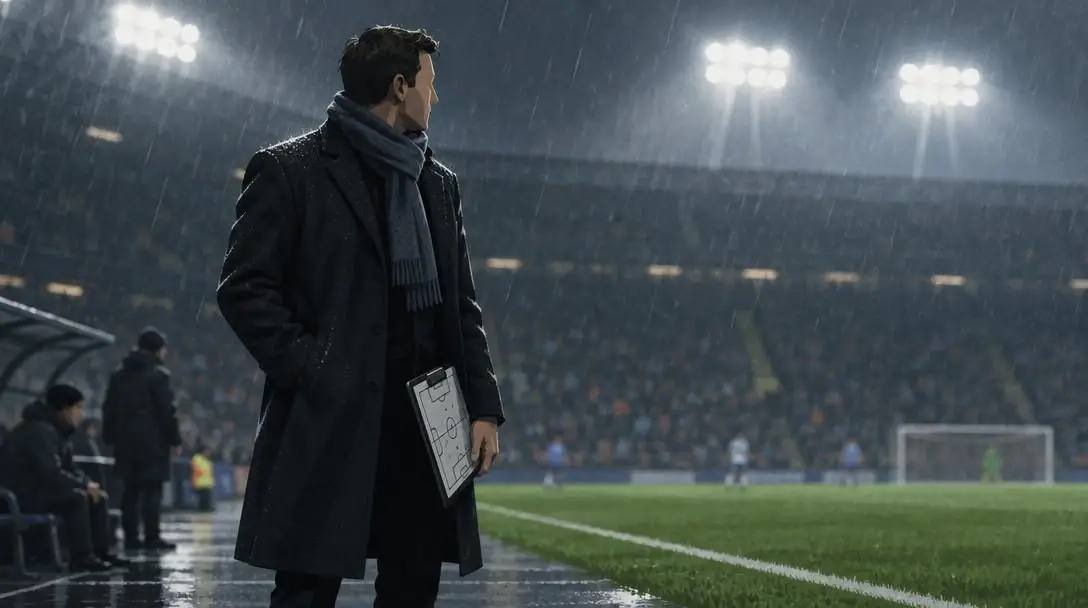
- Tenure at Manchester United: 1986–2013
- Premier League Titles: 13
- Champions League Trophies: 2
Sir Alex Ferguson built the most enduring dynasty in modern British football during his 27-year managerial tenure at Manchester United. Taking charge in 1986, Ferguson captured 13 Premier League championships, five FA Cups, and two UEFA Champions League titles before retiring in 2013. His management merged intense tactical discipline with a commitment to player development, mentoring home-grown stars like Ryan Giggs, Paul Scholes, and David Beckham while sustaining unmatched competitive consistency over nearly three decades.
Rinus Michels
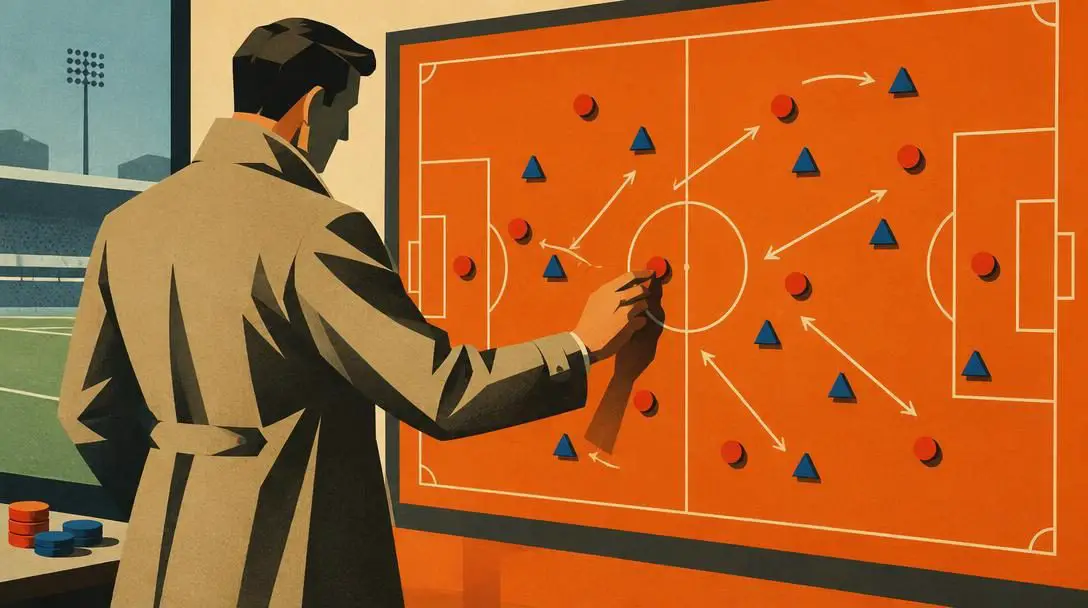
- Primary Innovation: Total Football (Totaalvoetbal)
- European Cup Titles: 3 consecutive with Ajax (1971–1973)
- Major Final: 1974 FIFA World Cup Final
Dutch tactician Rinus Michels altered football strategy by designing "Total Football," a dynamic system where outfield players fluidly swapped positional duties without surrendering overall tactical shape. Deploying this system at Ajax Amsterdam, Michels guided the club to three consecutive European Cup titles between 1971 and 1973. He later engineered the Netherlands' run to the 1974 World Cup final, establishing structural blueprints that continue to guide modern high-pressing, possession-oriented managers.
Johan Cruyff
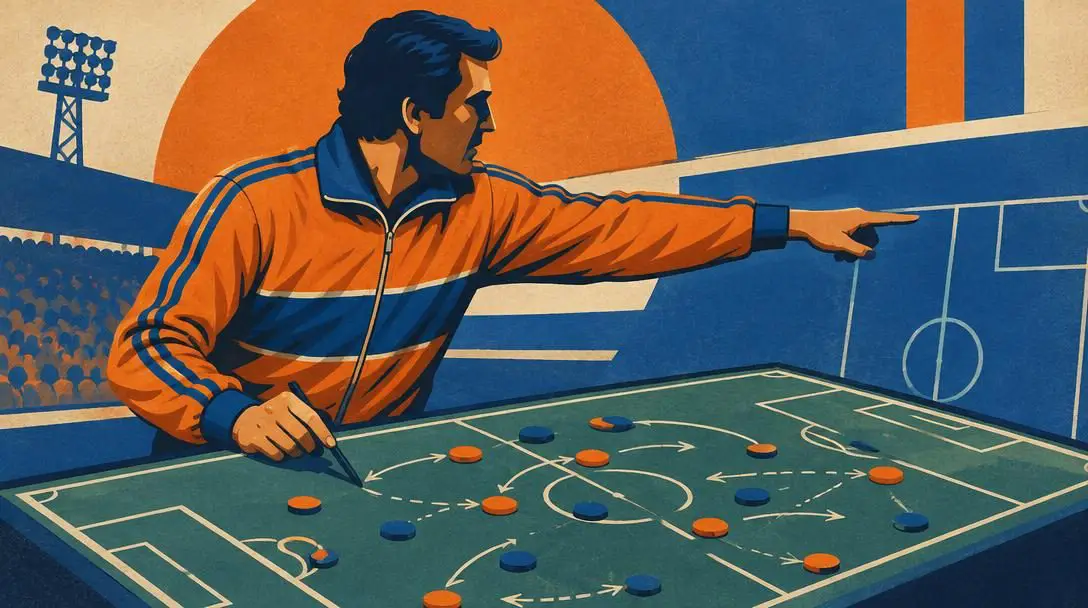
- Key Clubs Managed: Ajax, FC Barcelona
- La Liga Titles as Manager: 4 consecutive (1991–1994)
- European Triumph: 1992 European Cup
Johan Cruyff served as the on-pitch orchestrator of Michels' Total Football before becoming a transformational manager in his own right. After starring for Ajax and Barcelona, Cruyff took the managerial helm at Barcelona, forming the acclaimed "Dream Team." Under his stewardship, Barcelona claimed four straight La Liga championships from 1991 to 1994 and secured their first European Cup title in 1992. Cruyff's possession-based tactical principles and youth academy philosophy remain central to Barcelona's sporting identity.
Frequently asked questions
Where did the earliest forms of football originate?
Early ball games were played in ancient China (cuju during the fifth century BC), ancient Greece (episkyros), and the Roman Empire (harpastum), long before codified football emerged in nineteenth-century England.
Why was the forward pass legalized in American football?
The forward pass was legalized in 1906 to curb severe injuries and fatalities caused by violent mass collisions, particularly formations like the "flying wedge," encouraging a more open, agile style of play.
What is Total Football?
Total Football is a fluid tactical philosophy pioneered by Dutch manager Rinus Michels and popularized by Johan Cruyff, wherein any outfield player can take over the role of any teammate on the pitch without losing positional structure.
Why did AC Milan and Inter Milan split into separate clubs?
Inter Milan was established in 1908 by a breakaway group of AC Milan members who strongly objected to the original club's restrictions regarding the recruitment and signing of foreign players.
How many teams competed in the first FIFA World Cup?
The inaugural 1930 FIFA World Cup held in Uruguay featured just 13 participating nations, with the host country claiming the first tournament title.
The bottom line
From makeshift ancient contests played with leather bladders to global spectacles hosted in futuristic stadiums, football has repeatedly adapted without losing its core appeal. Whether tracking the evolution of the forward pass in gridiron football or tracing the fluid beauty of association football across Europe and the Americas, the sport thrives because it blends simple athletic objectives with limitless tactical depth.
As training methodologies, analytical frameworks, and broadcast models continue to advance, football retains its singular ability to captivate audiences worldwide. Its rich heritage of iconic derbies, visionary architects, and legendary performers guarantees that the beautiful game will remain the world's defining sporting narrative for generations to come.