Burger King Behind The Scenes: 5 Surprising Facts
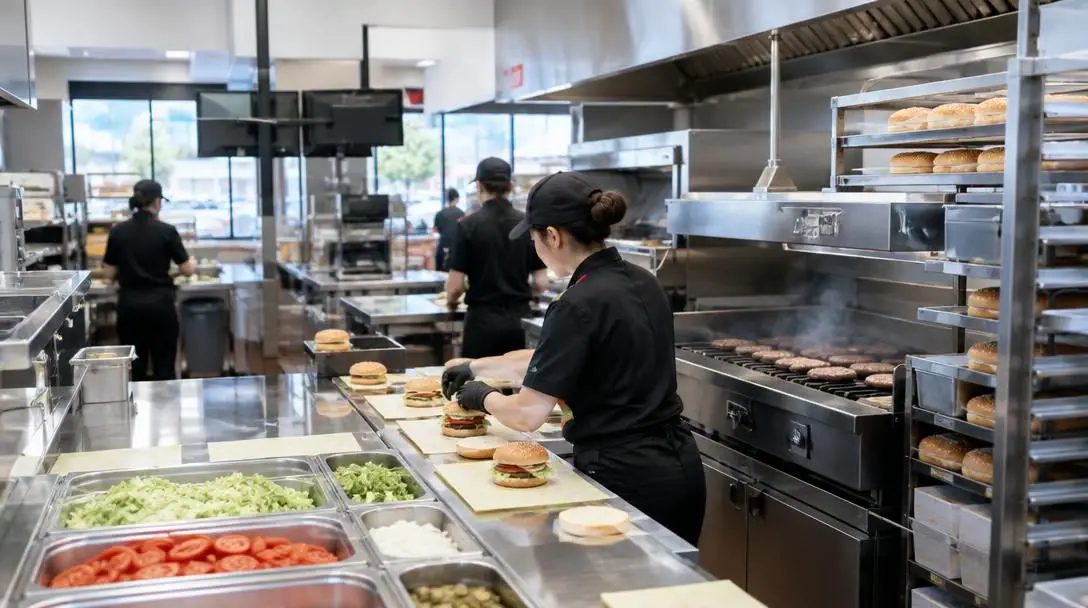
Behind the flame-broiled patties, paper crowns, and ubiquitous drive-thrus of Burger King lies an operational history far more complex than standard fast-food lore suggests. Founded in Florida and boasting nearly 20,000 locations across the globe, the burger giant represents one of the largest corporate food franchises in history. However, scaling an empire to that magnitude has produced a series of bizarre legal conflicts, international rebrands, and unconventional marketing experiments.
From independent family eateries successfully banishing the corporation across entire counties to Hollywood superstars facing lifetime bans over thirty-second television commercials, Burger King's corporate trajectory reveals the unexpected volatility of global brand building. Exploring these behind-the-scenes milestones demonstrates how local property rights, international trademark barriers, and high-risk promotional campaigns have shaped the modern fast-food landscape.
Key takeaways
- A localized prior-use trademark dispute created a strict 20-mile exclusion zone around Mattoon, Illinois, locking Burger King out of multiple surrounding cities.
- Burger King maintains an ultra-exclusive gold Crown Card held by approximately 12 people worldwide, including filmmaker George Lucas.
- Due to a pre-existing Australian trademark in 1971, the franchise operates across Australia as Hungry Jack's, following a bitter multi-million-dollar court battle.
- A 1981 comparative advertising campaign prompted McDonald's to sue Burger King and ban five-year-old child actor Sarah Michelle Gellar from its restaurants.
- A trio of self-published Xbox 360 console games in the mid-2000s became an unexpected commercial smash that redefined demographic marketing for fast food.
Five surprising chapters from Burger King's corporate history
While millions of diners recognize Burger King by its signature flame-broiled burgers and golden crowns, few are aware of the intense legal clashes, localized resistance, and high-stakes gambits that have defined the brand behind closed doors. The following five episodes highlight how the company navigated legal boundaries, foreign territories, and fierce competitor rivalries.
Mattoon, Illinois

- Key Entity: The Hoots family
- Legal Boundary: 20-mile commercial exclusion zone
- Settlement Offer: $10,000 cash buyout (declined)
- Affected Towns: Charleston and Effingham, Illinois
In central Illinois, motorists will discover a curious void where standard Burger King drive-thrus simply do not exist, despite the presence of nearly every other national fast-food chain. This corporate dead zone centers around the town of Mattoon, where an independent restaurant operated by the Hoots family held legal rights to the name Burger King long before the national brand expanded into the area. When the Florida-based corporation attempted to establish its footprint in the regional market, the Hoots family mounted a fierce legal defense grounded in local prior-use trademark rights.
The resulting court decision permanently barred the corporate giant from opening any restaurants within a 20-mile radius of Mattoon. This ruling did not just protect the immediate town; it established a boundary that effectively prohibited corporate Burger King locations in neighboring regional population centers such as Charleston and Effingham, Illinois. In an effort to resolve the dispute and secure expansion rights, corporate representatives offered the Hoots family a $10,000 settlement. The family rejected the cash offer, ensuring their independent diner remains the only establishment permitted to use the Burger King name within the exclusion zone.
The BK Crown Card

- Holder Base: Approximately 12 individuals worldwide
- Physical Appearance: Styled like a gold credit card
- Key Recipient: Filmmaker George Lucas
- Primary Criterion: Direct involvement in major promotional campaigns
While many restaurant chains offer digital points or plastic VIP passes, Burger King created one of the most elusive perks in corporate marketing: the BK Crown Card. Designed with the appearance of a standard gold credit card, this rare pass entitles its holder to complimentary food across the chain. Yet unlike conventional VIP perks handed out widely to social media figures and athletes, Burger King has maintained rigorous scarcity, limiting ownership to roughly 12 individuals across the entire planet.
Eligibility for the card is almost exclusively tied to direct business collaboration and brand-defining promotional campaigns. Filmmaker George Lucas earned his membership after negotiating a massive cross-promotional partnership that linked his Star Wars cinematic franchise with Burger King kids' meal toys. With multiple fast-food corporations vying for the partnership, securing the licensing agreement represented a massive victory for Burger King, prompting the company to reward Lucas with one of its few gold passes.
Hungry Jack's
- Market: Australia
- Key Figure: Franchisee Jack Cowin
- Court Judgment: More than $40 million awarded to franchisee
- Current Footprint: Over 400 locations nationwide
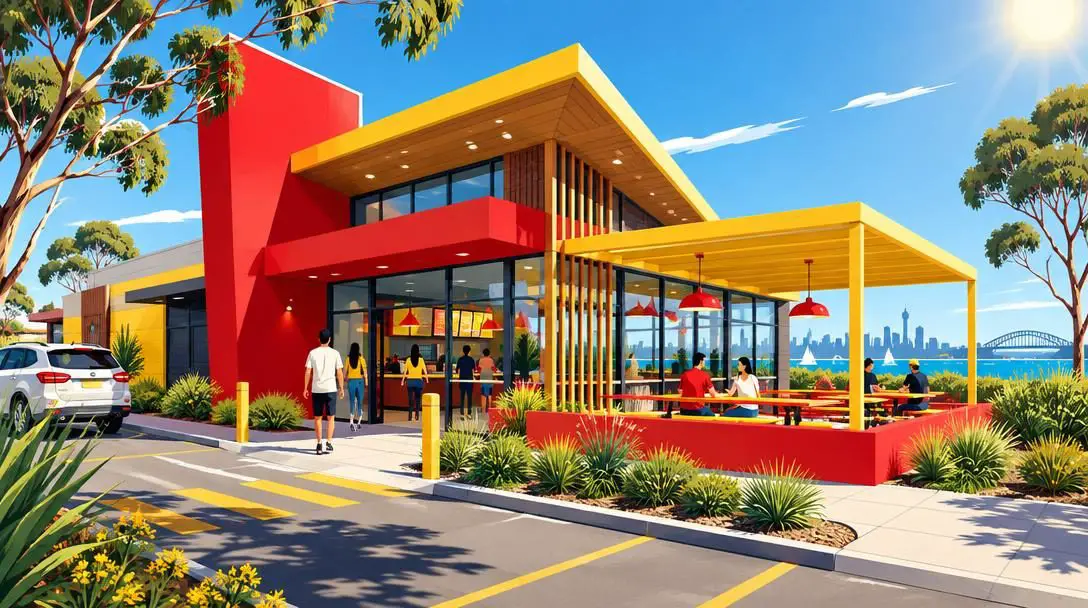
Travelers arriving in Australia will encounter a restaurant chain that shares the exact typography, packaging, color schemes, and flame-broiled menu of Burger King, but under the name Hungry Jack's. When the Florida brand planned its expansion down under in 1971, it discovered that the name Burger King was already legally registered by an existing Australian business. To move forward without delaying the rollout, the corporation allowed Canadian-Australian franchisee Jack Cowin to name the regional enterprise after himself.
While the business expanded rapidly under Cowin's leadership, commercial relations deteriorated severely in the late 1990s. A high-stakes corporate feud over franchise rights and expansion boundaries ended in Australian court, culminating in a historic legal defeat for the American parent corporation that awarded Hungry Jack's more than $40 million in damages. Following the courtroom loss, Burger King withdrew direct operations from Australia, leaving Trans-Pacific Foods to assume regional management. Today, the network encompasses over 400 Hungry Jack's locations, operating largely through company-owned properties while retaining identical branding to its global counterpart.
A bitter international legal defeat cost Burger King more than $40 million and forced its direct corporate retreat from Australia.
Sarah Michelle Gellar
- Year of Commercial: 1981
- Actor's Age: Five years old
- Opposing Chain: McDonald's
- Future Career: Lead star of Buffy the Vampire Slayer
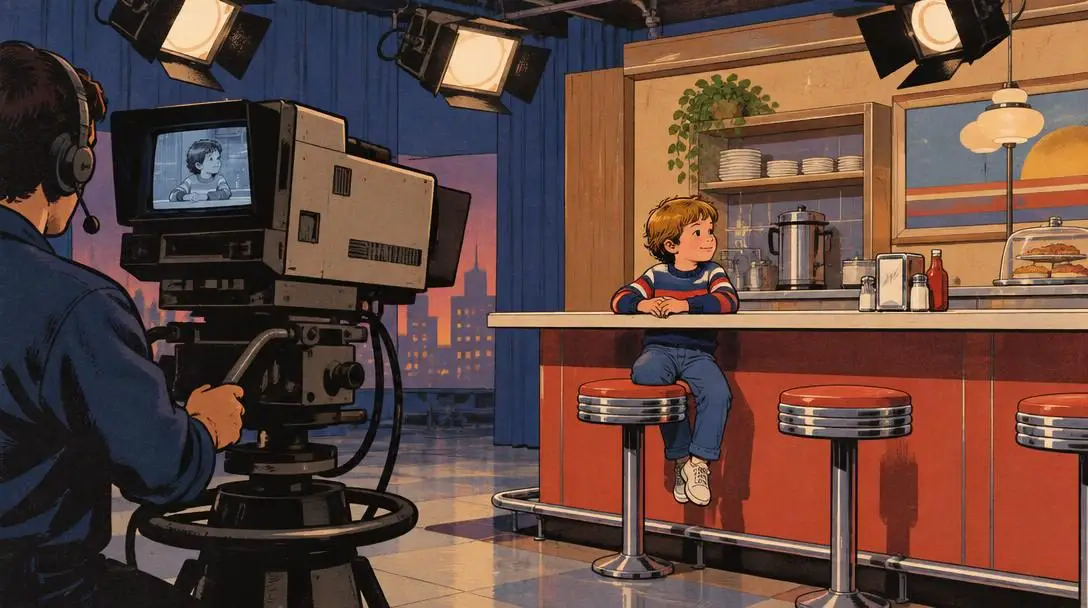
The fierce competitive friction between Burger King and McDonald's produced unprecedented personal consequences in 1981 for a five-year-old child actor who would later achieve global fame. Before headlining television hit Buffy the Vampire Slayer, Sarah Michelle Gellar was cast in a high-profile Burger King television advertisement. The commercial directly challenged McDonald's, with the young Gellar stating on camera that Burger King prepared significantly larger hamburgers than its primary rival.
Infuriated by the direct comparative advertising, McDonald's initiated aggressive litigation against Burger King and took the punitive step of banning every individual involved in the commercial from entering any McDonald's restaurant. For young Gellar, the corporate retaliation created genuine social challenges; she found herself unable to attend classmates' birthday celebrations hosted under the Golden Arches and missed out on the chain's famous apple pies throughout her childhood due to the strict legal ban.
Xbox 360 Burger King games

- Release Era: Mid-2000s
- Console Platform: Microsoft Xbox 360
- Game Titles: Sneak King, PocketBiek Racer, Big Bumpin'
- Target Demographic: Young adult millennials
Fast-food toy partnerships had historically been confined to plastic figurines distributed in paper meal boxes. However, during the mid-2000s, Burger King executed an unprecedented gaming promotion tailored to young adults entering their prime spending years. Partnering directly with developers during the console era of the Xbox 360, the chain sold three fully functional, disc-based video games directly over the counter alongside value meals: Sneak King, PocketBiek Racer, and Big Bumpin'.
Each title featured the company's stylized royal mascot placed in unconventional, humor-driven gameplay scenarios. Rather than languishing as cheap promotional novelties, the games became a viral sensation, selling millions of copies and dominating consumer discussions during that holiday season. The campaign successfully shifted the brand's cultural identity among millennials, demonstrating that interactive multimedia software could serve as an effective vehicle for restaurant customer acquisition.
At a glance: Burger King's high-stakes legal and marketing battles
Across decades of domestic expansion and international growth, Burger King's corporate challenges have spanned territorial disputes, trademark deadlocks, and experimental marketing gambits. The table below compares the key components of these defining corporate events.
| Event or Conflict | Key Entity Involved | Primary Issue | Final Outcome |
|---|---|---|---|
| Mattoon Territorial Dispute | The Hoots family | Prior-use trademark rights in Illinois | 20-mile corporate exclusion zone enforced |
| Crown Card Scarcity | George Lucas & VIPs | Ultra-exclusive brand partnership reward | Restricted to roughly 12 holders worldwide |
| Australian Brand Rights | Jack Cowin / Hungry Jack's | Existing regional trademark barrier | $40+ million judgment; BK corporate withdrawal |
| Comparative Ad Retaliation | Sarah Michelle Gellar | Direct advertising callout of burger sizes | McDonald's lawsuit; actor banned from restaurants |
| Xbox 360 Game Suite | Microsoft console gaming | Millennial demographic brand engagement | Viral multi-title hit featuring brand mascot |
How fast-food franchising and legal boundaries work
The unusual history of Burger King illustrates the complex operational and legal systems that govern global food franchises. Operating a restaurant chain requires balancing brand identity across thousands of independent locations while defending corporate interests against competitors, regional business owners, and international trademark authorities.
Geographic trademark rights represent one of the most rigid legal frameworks in corporate development. Trademark statutes protect corporate logos and brand names, but historical usage dictates regional boundaries. When an independent business operator establishes a commercial moniker in a localized market before a national company registers or expands its operation, judicial courts routinely recognize prior-use rights. In the Mattoon standoff, this legal doctrine established a territorial exclusion zone that overrode the national influence of an enterprise operating thousands of units.
Similarly, international expansion necessitates navigating franchise agreements and master licenses. Entering overseas markets frequently requires partnering with local business leaders through master development agreements, as occurred with Jack Cowin in Australia. Under these arrangements, the franchisee manages regional development, brand presentation, and store ownership. However, if contractual friction emerges, these agreements can dissolve into high-stakes litigation, resulting in operational shifts or distinct corporate entities holding the regional rights.
Furthermore, comparative advertising regulations dictate how aggressively restaurant chains can target competitors. Food chains frequently seek competitive advantages by contrasting their offerings with rivals. However, naming a competitor directly in an advertisement—such as the 1981 commercial comparing burger sizes—exposes companies to lawsuits over truth in advertising, unfair competition claims, and aggressive legal retaliations between corporate rivals.
Strategic lessons from fast-food marketing history
Business owners, marketers, and regional entrepreneurs can draw concrete lessons from the unexpected turns throughout Burger King's history. Understanding these operational principles helps protect business interests and improve promotional reach.
- Conduct comprehensive trademark research: Before launching any brand or expanding into a new geographical market, verify whether the name is already in use locally or internationally. If a conflict exists, negotiate early licensing terms or adopt localized naming alternatives, as occurred with the creation of the Hungry Jack's label.
- Respect local legal boundaries: When local prior-use disputes arise, evaluate territorial limits carefully. As shown in central Illinois, attempting to buy out regional operators who decline settlement offers can leave established geographic exclusions permanently in place.
- Align marketing with core demographics: Identify the specific lifestyle habits of target audiences when designing promotional campaigns. Pairing interactive video games with food purchases successfully connected BK with young adults during the Xbox 360 era by meeting them where they spent their leisure time.
- Weigh the consequences of direct competitor callouts: If utilizing comparative advertising, ensure every claim is defensible and anticipate retaliatory litigation or public boycotts from rival firms, such as the courtroom conflicts and personal bans resulting from the 1981 hamburger size campaign.
- Leverage highly selective influencer programs: When developing VIP or rewards cards, maintaining extreme scarcity can create far more brand prestige than widespread distribution. Restricting access to a dozen key partners keeps the program memorable and exclusive.
Common brand management pitfalls to avoid
Examining the missteps and conflicts within corporate fast-food history highlights several pitfalls that companies, marketers, and franchise partners should actively avoid:
- Underestimating independent regional operators: Large corporations often assume small, independent family-run businesses will accept cash settlements to give up their local branding. The Hoots family's refusal of a $10,000 buyout shows that local heritage and long-standing legal rights often outweigh corporate financial incentives.
- Ignoring local trademark obstacles abroad: Expanding into foreign markets without securing clean trademark rights can cause operational disruption. Failure to manage relationships with master franchisees can trigger multi-million dollar judgments, similar to the $40 million lawsuit won by Hungry Jack's that forced Burger King's corporate departure from Australia.
- Overly punitive responses to comparative advertising: Striking out too aggressively against competitive marketing can result in negative public perception. Placing bans on child actors, such as the young Sarah Michelle Gellar being prevented from entering stores to eat apple pies, creates lingering public relations stories that highlight corporate pettiness.
- Relying solely on conventional marketing channels: Assuming that standard television ads or traditional kids' meal toys are sufficient limits audience growth. Missing out on interactive media and digital tie-ins means failing to connect with emerging consumer demographics who favor digital gaming and pop culture integration.
Frequently asked questions
Why is Burger King called Hungry Jack's in Australia?
When Burger King expanded to Australia in 1971, the trademark was already owned by a pre-existing local food shop. The company permitted Australian master franchisee Jack Cowin to use the Hungry Jack's name instead, which continues to operate across more than 400 Australian locations today.
Why can't Burger King open a restaurant in Mattoon, Illinois?
An independent restaurant owned by the Hoots family operated under the Burger King name in Mattoon before the national chain arrived. A court recognized their prior-use rights, granting them exclusive rights within a 20-mile radius and preventing corporate Burger King from expanding into Mattoon or nearby towns like Charleston and Effingham.
Who qualifies to receive a BK Crown Card?
Only about 12 people on Earth possess an authentic BK Crown Card. Rather than rewarding general fame, Burger King awards the cards almost exclusively to individuals who have maintained significant commercial or promotional partnerships with the brand, such as George Lucas following the Star Wars toy cross-promotion.
Why was Sarah Michelle Gellar banned from McDonald's?
In 1981, a five-year-old Sarah Michelle Gellar starred in a Burger King television commercial claiming BK burgers were larger than McDonald's burgers. McDonald's responded with a lawsuit against Burger King and placed a ban on everyone involved in the commercial, barring the young actor from entering its restaurants.
What video games did Burger King release for the Xbox 360?
During the mid-2000s, Burger King sold three physical Xbox 360 game discs directly at its restaurant counters: Sneak King, PocketBiek Racer, and Big Bumpin'. All three titles starred the chain's mascot and became viral commercial successes among millennial consumers.
The bottom line
The global footprint of nearly 20,000 restaurants makes Burger King a pillar of international fast food, but its journey has been marked by fierce corporate competition, legal boundaries, and high-stakes marketing risks. From the stubborn prior-use perimeter guarded by the Hoots family in central Illinois to the international court battles that entrenched Hungry Jack's across Australia, the chain's behind-the-scenes history demonstrates that even the largest multinational conglomerates must navigate strict legal frameworks and regional identities.
Whether creating gold VIP cards reserved for approximately a dozen people, enduring competitor bans over comparative children's commercials, or transforming home video consoles into fast-food promotional hubs, Burger King has consistently tested the outer boundaries of commercial branding. For consumers and marketers alike, these episodes provide a rare glimpse into the complex friction between localized enterprise and global corporate ambition.