Collector Psychology: Why We Love To Collect Things
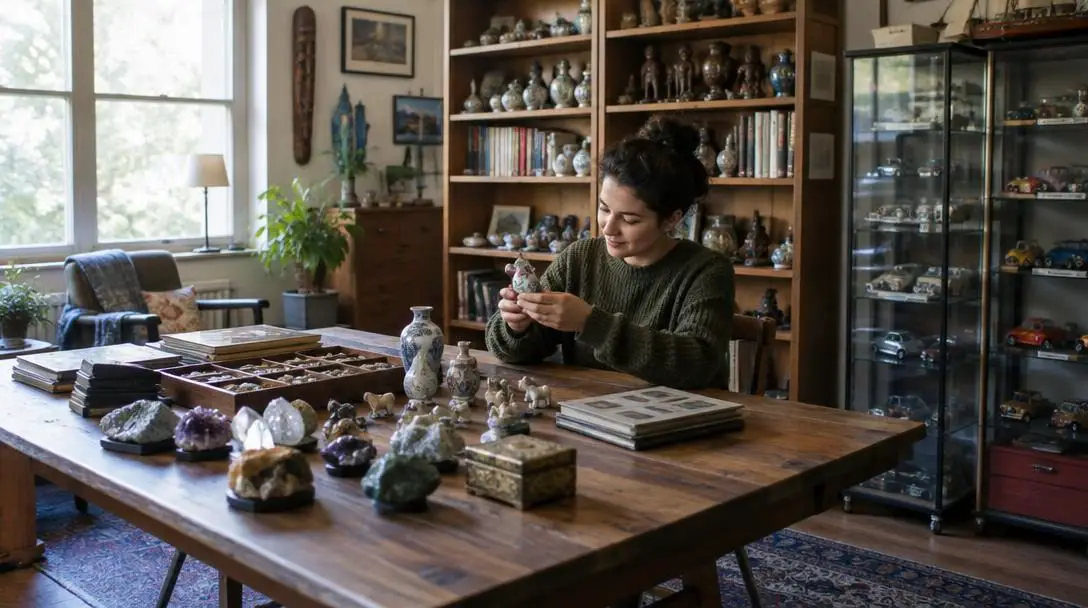
If you take a careful look around your living space, there is a very strong chance that you hold onto a specific set of items. Whether it takes the form of vintage coins, baseball cards, postal stamps, or decorative keepsakes, researchers estimate that roughly forty percent of Americans actively maintain a collection of a particular category of item. The underlying instinct to gather, curate, organize, and preserve tangible objects represents an enduring human trait that seamlessly spans across generations, backgrounds, and social circles.
Yet, because every collector is shaped by unique personal experiences and individual preferences, the underlying impulses driving this behavior differ significantly from one household to the next. While one person views their possessions primarily as a prospective financial portfolio, another treats them as an emotional anchor to a beloved period of childhood or a physical expression of a deeply held interest. Collecting can serve as a casual weekend pastime, an educational journey, or an all-consuming lifelong pursuit.
Key takeaways
- Approximately forty percent of Americans actively collect items, driven by a wide spectrum of financial, emotional, and psychological motivations.
- While nearly a third of collectors enter the hobby hoping to make money, widespread market appreciation remains rare compared to legendary finds like the T206 Honus Wagner card.
- Nostalgic collecting frequently intensifies during periods of low mood or depression, offering individuals a comforting psychological refuge.
- Healthy collecting is sharply distinct from hoarding disorder, characterized by targeted acquisition, careful organization, and respect for living spaces.
The Financial Angle: Speculation, Value, and Market Realities
One major motivation behind collecting is the financial angle. In modern society, seeking financial gain is exceptionally common, and while many investors search for rapid returns in volatile arenas, others prefer a patient, long-term approach to wealth generation. Collecting frequently functions as this type of extended investment vehicle, especially within historically established markets such as vintage trading cards and rare coins. High-profile auction sales regularly capture public headlines, reinforcing the popular fantasy that forgotten cardboard or pocket change can transform into a life-changing fortune.
Classic treasures like the historic T206 Honus Wagner baseball card demonstrate that certain ultra-rare collectibles can indeed reach astonishing sums. However, the prospect of substantial financial return does not apply evenly across the broader collectibles universe. For every historic baseball card that commands millions at auction, there are thousands of Beanie Babies sitting forgotten and collecting dust in dark closets and plastic storage bins across the country. Initial retail frenzy and artificial scarcity rarely translate into sustained secondary market value once the broader cultural fad subsides.
Despite this uneven reality, roughly thirty-two percent of collectors report entering the hobby with the specific goal of making money. Within that financially focused cohort, an astonishing eighty-three percent genuinely believe they will eventually strike it rich through their acquisitions. Coin collectors are noted as being among the most optimistic about these financial windfalls, often viewing their specialized numismatic knowledge as an edge in spotting undervalued precious metals or minting errors.
Demographics in the collecting space have also shifted in unexpected ways over recent years. Members of Generation Z have emerged as some of the most enthusiastic collectors today. Rather than dismissing physical goods in favor of purely digital experiences, these younger collectors actively seek out tangible assets like rare coins and vintage Pokemon cards, harboring high hopes that their preserved physical items will appreciate significantly in value as their generation ages.
Tangible collections provide a stable anchor of personal control and nostalgic comfort in an increasingly fast-paced world.
Core Motivations Driving the Collector Mindset
Human collecting habits are shaped by diverse psychological needs. When looking at why people dedicate considerable time, physical space, and income to accumulating objects, several distinct rationales emerge.
Financial Investment and Long-Term Speculation
For speculative collectors, acquisitions are evaluated primarily through the lens of supply, demand, grading condition, and projected appreciation. These collectors monitor auction results, price guides, and historical trends, operating more like portfolio managers than casual hobbyists.
Nostalgia and Emotional Refuge
A substantial segment of the collecting community builds collections with absolutely no intention of ever selling them. For these individuals, the emotional power of nostalgia serves as the primary engine. Handling a beloved collection can instantly transport an owner back to a personal happy place, recalling simpler, warmer, or more secure chapters of life. These collections are often deeply personal, consisting of items such as autographs inscribed directly to the collector rather than impersonal mass-market goods.
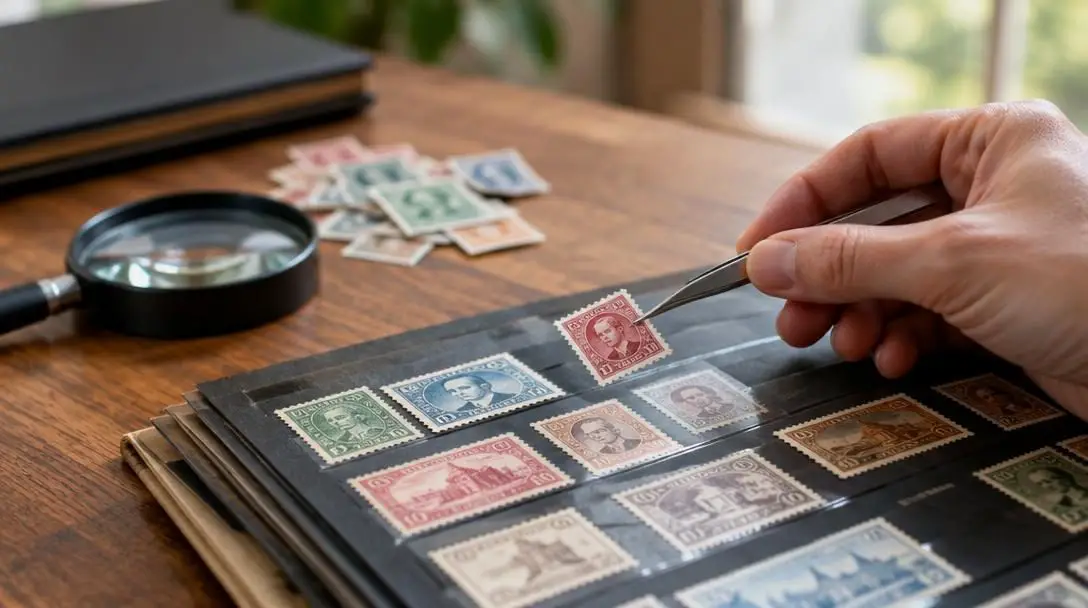
While nostalgia often reflects fond memories, it can also carry a more complicated emotional burden. Because individuals lean on nostalgic feelings as a psychological refuge during periods of low mood, collecting can occasionally signal that someone is seeking an emotional escape from their current mental state, relying on tangible objects to cope with life's immediate distress.
Intense Passion and Personal Identity
Genuine excitement about a particular topic or cultural phenomenon frequently drives people to amass vast physical archives. A classic example is a passionate homeowner outfitting a dedicated basement or den with an extensive display of sports memorabilia. In these instances, the collection serves as a visual statement of identity, broadcasting personal loyalties, achievements, and interests to visiting friends and family.
Spiritual Rituals and Sacred Belongings
Many people amass items that directly connect to their personal faith, spiritual rituals, or ancestral belief systems. These collectors view their assembled items as sacred expressions or vital tools for reflection, meditation, and continuous prayer, keeping them closely integrated into daily household routines.
Aesthetic Appreciation and the Thrill of the Search
Some enthusiasts gather items simply because they appreciate how they look, display, or demonstrate superior physical craftsmanship. For others, the primary joy lies not in final ownership, but in the thrill of the search. Tracking down an elusive, out-of-print, or hidden piece through flea markets, estate sales, and obscure forums provides a tangible sense of achievement, purpose, and problem-solving satisfaction.
The Boundary: Collecting Versus Hoarding
Because collecting inevitably involves bringing numerous physical objects into a private living environment, it is often casually compared to hoarding, a subject that has received widespread public attention through mainstream media and reality television. However, psychological research establishes a clear and vital boundary between the two behaviors. Hoarding is classified as a distinct mental disorder in which individuals compulsively retain items, and it maintains established clinical links to broader mental health challenges such as chronic depression, severe anxiety, and substance abuse.
| Attribute | Healthy Collecting | Hoarding Disorder |
|---|---|---|
| Scope and Focus | Narrowly focused on specific categories like coins, stamps, or cards | Broad, indiscriminate accumulation of unrelated, everyday goods |
| Organization | Meticulously cataloged, sorted, preserved, and displayed | Unstructured clutter that overtakes functional living spaces |
| Perceived Value | Possesses recognizable market, aesthetic, or historical value | Consists primarily of items lacking practical or monetary worth |
| Population Prevalence | Estimated at approximately forty percent of the public | Affects approximately 3.5 percent of the general population |
As the table illustrates, the distinctions between healthy collecting and clinical hoarding center on intentionality and domestic functionality. While collecting represents an organized, category-specific pursuit practiced by nearly half the population, hoarding is an indiscriminate accumulation that disrupts basic daily living activities like cooking, sleeping, and personal hygiene.
How Collecting Functions as a Psychological Process
To understand why collecting remains so prevalent, psychologists look at how the activity operates within an individual's daily habits and emotional routines. The complete collecting lifecycle generally relies on three progressive psychological mechanisms:
The journey begins with targeted acquisition. The hobby almost always starts with a single object that sparks curiosity, aesthetic pleasure, or historical intrigue. The collector quickly establishes an internal rule set governing what belongs within the collection, whether defined by rarity, specific historical eras, condition grades, or geographic origins.
Once gathered, the items move into systematic organization. True collectors rarely leave their acquisitions in random, unsorted piles. They actively categorize them by date, condition, manufacturer, or personal significance. This hands-on process delivers a measurable feeling of order, mastery, and personal agency over one's immediate environment.

Finally, the process concludes with display and review. Collectors regularly return to their assembled items, examining fine details, showing them to fellow enthusiasts, or simply enjoying their visual symmetry. This ongoing review continually reinforces the initial positive feelings of ownership, accomplishment, and personal memory.
Practical Steps for Managing a Collection Healthily
Whether you are motivated by the financial hopes typical of coin collectors and Generation Z card traders, or you collect purely for personal sentiment, establishing clear guidelines helps keep the hobby enjoyable, manageable, and sustainable over the long term.
- Define the Purpose of Your Collection: Be honest about why you are collecting. If you are part of the thirty-two percent seeking financial return, research the true historical market rather than assuming a windfall. If you are collecting for nostalgia or personal joy, recognize that the value is emotional rather than monetary.
- Set Boundaries on Physical Space: Prevent items from overtaking living areas by dedicating specific shelving, drawers, or rooms for your hobby. Keeping possessions within clear physical limits protects both your living environment and your peace of mind.
- Maintain Clear Inventory Records: Document what you own, noting purchase prices, acquisition dates, and where items are kept. This habit reinforces the deliberate, organized nature of collecting and separates it from unstructured accumulation.
- Preserve Items Carefully: Protect your items from dust, moisture, and sunlight. For paper ephemera, cards, and coins, appropriate protective storage preserves whatever monetary or personal value they hold over the decades.
- Monitor Your Emotional Relationship with the Objects: Since nostalgia can increase during periods of low mood, check in with yourself periodically. Ensure your collection serves as a source of enjoyment rather than a substitute for managing real-world stress or mental well-being.
Common Mistakes Collectors Make
Even seasoned enthusiasts can encounter frustrating pitfalls when managing their collections. Remaining aware of these missteps helps collectors protect their finances, relationships, and living spaces:
- Assuming Guaranteed Appreciation: A remarkably common error, especially among the eighty-three percent of profit-seeking collectors who anticipate striking it rich, is assuming that all vintage or widely discussed items will appreciate. High early production numbers frequently prevent long-term secondary market scarcity.
- Neglecting Display and Organization: When items are left unsorted in unmarked cardboard boxes, the collector loses the primary benefits of the hobby, including the visual enjoyment and systematic order that define healthy collecting.
- Letting Possessions Crowd Functional Living Spaces: When a collection spreads beyond its designated areas and begins interfering with everyday living, cooking, or sleeping, the balance between a healthy hobby and domestic disorder has shifted dangerously.
- Using Purchases to Mask Ongoing Distress: Because nostalgia and collecting can serve as an emotional escape during depression, buying new items can sometimes become an unhelpful coping tool for underlying stress rather than a genuine pursuit of joy.
What to Consider Next as Your Collection Evolves
As time goes on, collections naturally change. What held your interest in your youth may look very different as you grow older. Taking time to periodically evaluate the practical future of your collection ensures that it continues to bring value to your life rather than administrative stress.
If your collection was built primarily as an investment, take time to obtain realistic appraisals from independent, credentialed sources rather than relying on promotional price guides, forum rumors, or past assumptions. Knowing the actual market liquidity of your rare coins, sports cards, or Pokemon cards allows you to make informed decisions about whether to sell, hold, or pass them down to heirs.
If your items were assembled for nostalgic or personal reasons, consider how you want them preserved for future generations. Do you wish to pass specific, personally inscribed items along to family members who understand their sentimental worth, or would you prefer to donate specialized items to historical societies, clubs, or fellow enthusiasts who share your passion?
Frequently asked questions
Why do so many people collect things?
Roughly forty percent of Americans collect items due to a mix of psychological motivations, including the search for financial investment gains, nostalgic longing for comforting memories, personal passion for a subject, spiritual expression, and the thrill of tracking down scarce objects.
How can you tell the difference between collecting and hoarding?
Collecting involves the targeted acquisition, systematic organization, and careful preservation of specific categories of items that hold recognized market or personal value. Hoarding is an indiscriminate accumulation of unrelated, often valueless items that clutters living areas and impairs normal daily functioning.
Can collecting reliably make someone wealthy?
While eighty-three percent of profit-seeking collectors believe they will strike it rich, guaranteed appreciation is extremely rare. While exceptional items like the T206 Honus Wagner card command massive sums, most mass-market collectibles fail to appreciate substantially over time.
Why do people feel more nostalgic about collections during tough times?
Psychological research demonstrates that people experience nostalgia more frequently during bouts of depression or emotional distress. In these moments, familiar tangible objects serve as an emotional refuge and coping mechanism, recalling safer and happier periods of life.
Why are younger generations like Gen Z collecting physical items?
Despite growing up in a largely digital era, many Gen Z collectors actively seek out tangible assets such as rare coins and Pokemon cards, viewing them as tangible alternative investments that they hope will gain significant value as their generation matures.
The bottom line
Collecting remains one of humanity's most widespread and versatile pastimes, engaging tens of millions of individuals across every demographic. Whether an enthusiast is chasing the elusive thrill of financial appreciation or finding solace in the warm glow of personal nostalgia, the hobby offers unique psychological benefits when practiced with intention and self-awareness.
By remaining honest about why you collect, keeping your items meticulously organized, respecting the physical limits of your living space, and ensuring the pursuit supports your emotional health, you can enjoy the profound satisfaction, order, and camaraderie that this timeless human endeavor provides.