Already-Existing Tech That Will Change How We Live In 20 Years

For most of human history, technological advancement appeared to move at a crawl. Across centuries, mechanical tools and basic implements developed through slow, generational increments. In stark contrast, modern technological innovation builds rapidly upon itself, creating an acceleration so intense that keeping pace can feel overwhelming. Some of the machinery and systems that will define life two decades from now have not even been conceived yet.
Fortunately, understanding our future does not require speculative fiction or completely unknown discoveries. The fundamental platforms that will reshape our daily routines, healthcare environments, travel networks, and domestic homes over the next twenty years already exist today. By examining 3-D printing, flying and self-driving cars, nanorobotics, and artificial intelligence, we can observe the exact foundations upon which the next twenty years will be built.
Key takeaways
- The rapid pace of modern innovation means everyday life in twenty years will be shaped by technologies operating in laboratories and pilot programs right now.
- Additive manufacturing and microscopic nanorobotics are moving from industrial novelties toward life-saving roles in bioprinting human organs and targeted oncology.
- Autonomous freight systems and aerial vehicles are advancing rapidly, with widespread adoption largely hinged on regulatory approvals from agencies like the FAA.
- Artificial intelligence is transitioning from predictive retail ordering and mirror-based health diagnostics toward affordable domestic robot assistants by 2042.
At a glance: Four foundational technologies
| Technology | Early Origins & Milestones | Present Real-World Use | Twenty-Year Outlook |
|---|---|---|---|
| 3-D Printing | Basic decorative shapes and symbols | Automotive fabrication and experimental implants | Fully functional bioprinted bones, tissue, and vital organs |
| Flying and Self-Driving Cars | Mid-century sci-fi; early autonomous prototypes | Commercial freight trucks (Walmart) and consumer autopilot (Tesla) | Regulated civilian sky corridors and pervasive driverless logistics |
| Nanorobotics | Theoretical physics and pop culture tropes | Microscopic targeted therapy research | In-body cancer destruction, denser computing, and resilient materials |
| Artificial Intelligence | Automated sorting and basic algorithms | Predictive retail replenishment (Amazon) and smart mirrors | Affordable home robot butlers managing household needs by 2042 |
Four foundational technologies already reshaping our world
3-D Printing
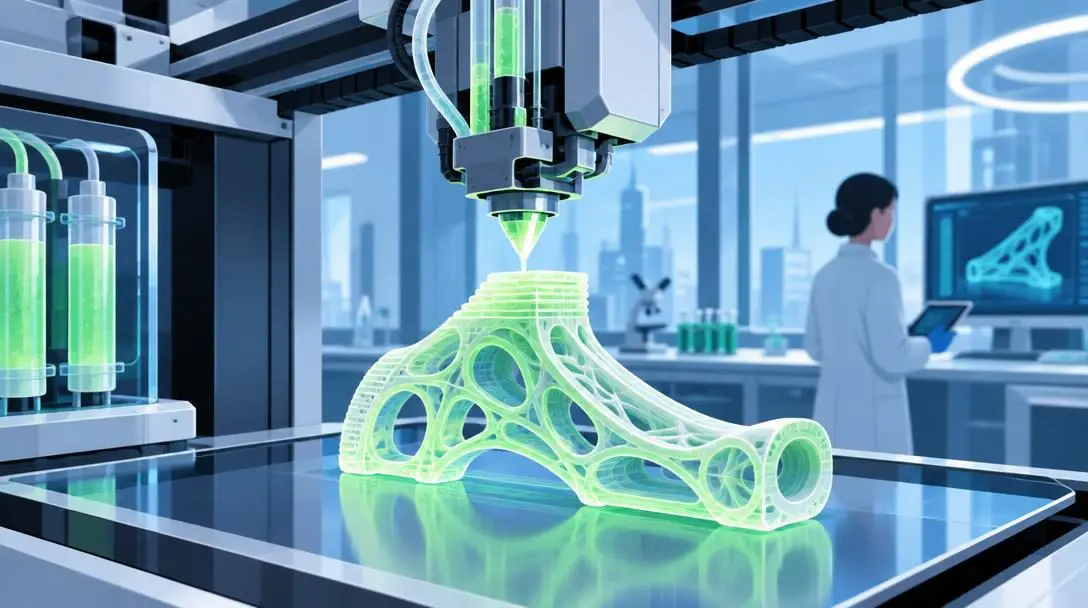
- Early application: Fabrication of simple symbols and basic prototypes
- Core manufacturing principle: Additive layer-by-layer deposition
- High-impact sectors: Medical bioprinting and automotive fabrication
Additive manufacturing is far from a brand-new concept, but its practical capabilities have expanded dramatically over recent years. Decades ago, early 3-D printers were largely restricted to producing simple plastic symbols, visual tokens, and basic architectural mockups. Today, the technology has matured into a sophisticated manufacturing method capable of handling polymers, metals, and biological matter.
Looking toward the next twenty years, 3-D printing will revolutionize medical care through bioprinting. Instead of waiting on organ donor lists or depending on synthetic prosthetics that never fully integrate with the body, patients will receive custom-printed bones, tissue scaffolds, and functional biological organs tailored to their exact anatomy. Simultaneously, the automotive sector is utilizing additive techniques to print complex vehicle components as single, lightweight structures, eliminating traditional assembly steps and drastically reducing vehicle weight.
Flying and Self-Driving Cars
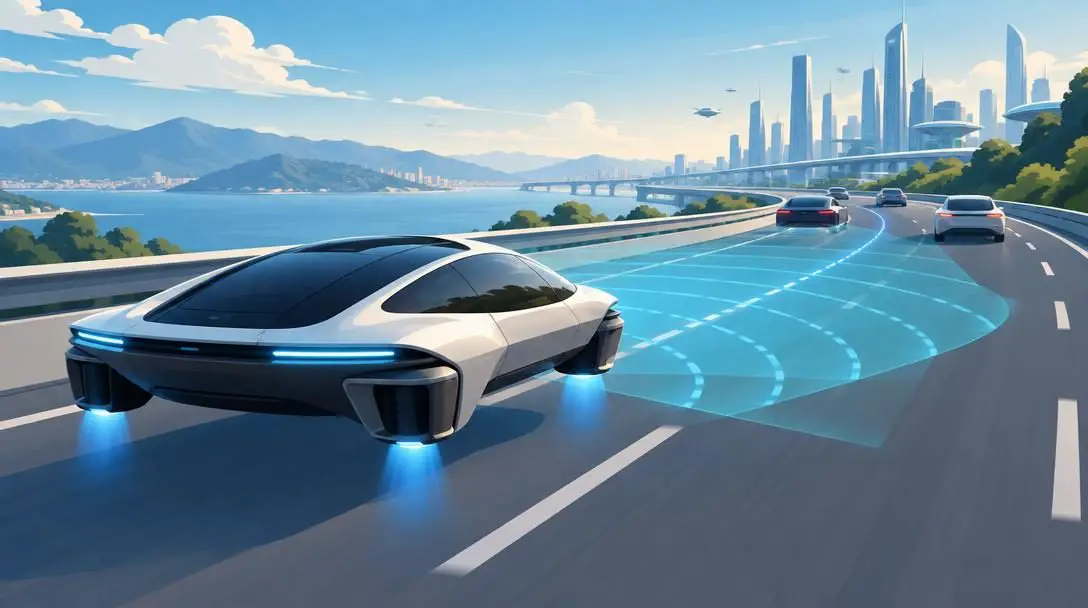
- Early target: Widespread flying vehicles predicted by 2022
- Active corporate testing: Commercial logistics with Walmart, consumer vehicles with Tesla
- Primary oversight agency: Federal Aviation Administration (FAA)
Past generations routinely predicted that everyday commuters would pilot flying cars through the sky by the year 2022. While airborne consumer transit has not yet arrived on every street corner, that does not mean the concept is dead. Numerous engineering firms and aerospace startups continue to build functional prototypes, competing to introduce the first widely accessible personal flying vehicles. Before any consumer vehicle takes to the sky, however, manufacturers must navigate rigorous flight testing and secure clear operational approvals from the Federal Aviation Administration.
In the interim, autonomous surface transport represents the bridge to aerial mobility. Automotive brands like Tesla have iterated on self-driving technology for consumer highways, while enterprise giants like Walmart deploy autonomous trucks to transport commercial freight between distribution centers and stores. These ground-based autonomous networks establish the sensor fusion, navigation software, and safety protocols that will eventually power autonomous aerial commuting.
Nanorobotics
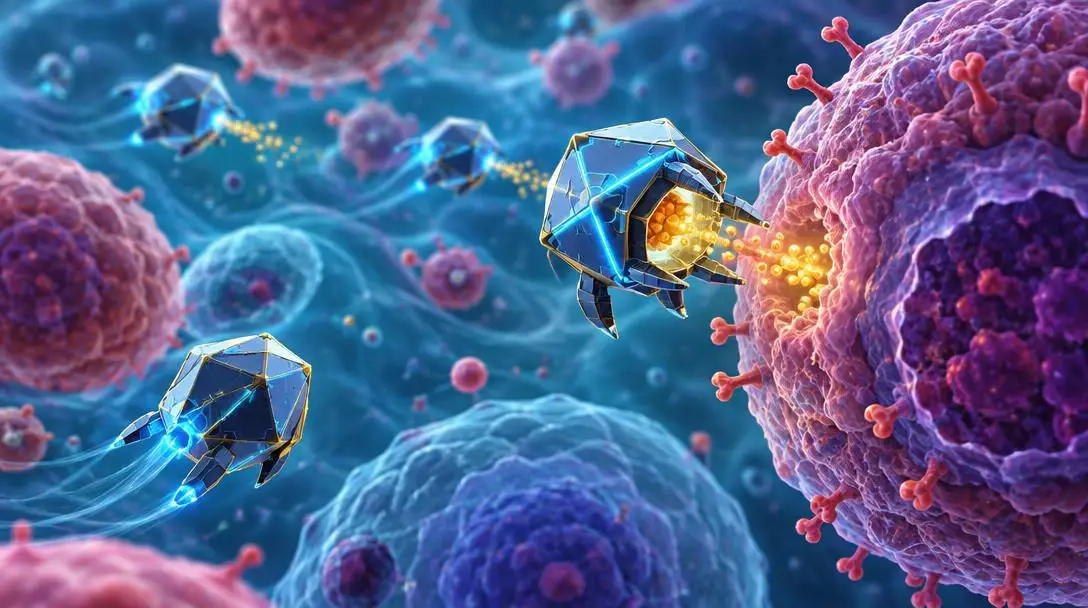
- Operational scale: Measured in microscopic billionths of a meter
- Primary medical ambition: Targeted oncology and non-invasive cancer cell removal
- Industrial applications: High-density computer processors and resilient automotive materials
Modern audiences often associate nanotechnology with big-budget science fiction, notably the Marvel Cinematic Universe, where microscopic machines serve as convenient explanations for superhuman armor and physics-defying feats. In reality, nanotechnology is a rigorous, rapidly advancing physical science. Researchers worldwide are racing to perfect nanobots that are entirely invisible to the naked human eye yet capable of performing complex physical tasks.
The most anticipated application for this microscopic engineering is within oncology. Traditional cancer therapies often cause widespread collateral damage to healthy cells; nanobots could navigate the bloodstream directly to malignant tumors, delivering precise therapeutic compounds without poisoning surrounding tissue. Beyond healthcare, microscopic fabrication will reshape the computing and automotive sectors by producing ultra-dense processing chips and high-strength, lightweight vehicular alloys.
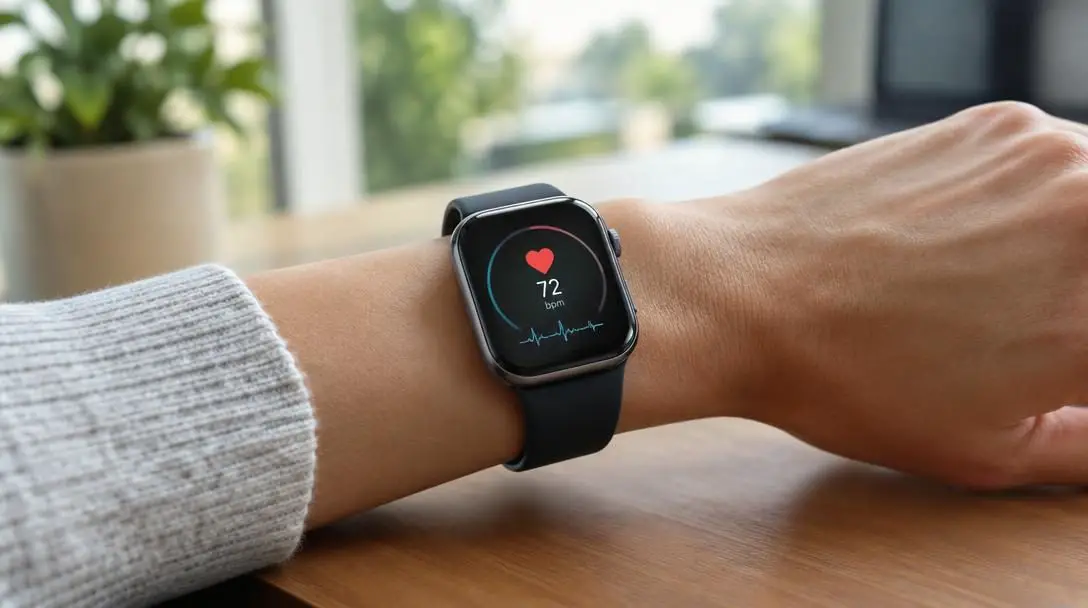
Nanotechnology is a working field of physical science with measurable biological applications, not merely a pop culture storytelling tool.
Artificial Intelligence
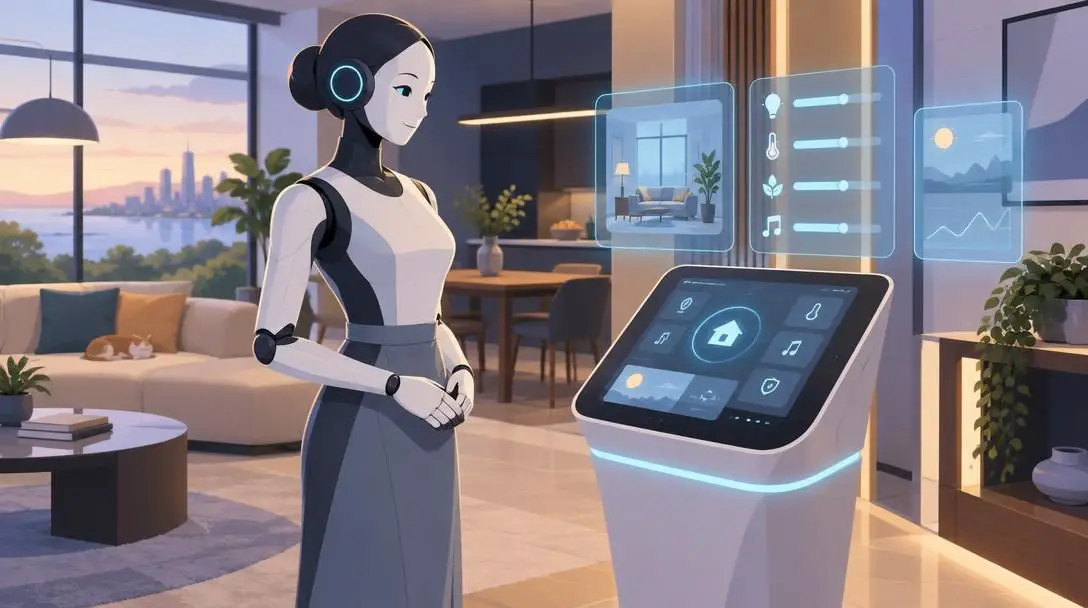
- Everyday touchpoints: Diagnostic wellness mirrors and Amazon retail predictive ordering
- Projected 2042 milestone: Affordable domestic robot butlers
- Key domestic role: Predictive home inventory management and seasonal supply tracking
Artificial intelligence has operated quietly in the background of everyday life for decades, but recent architectural leaps have accelerated its reach into everyday spaces. AI models already perform complex predictive tasks, analyzing an individual's health by scanning their reflection in an interactive mirror, or anticipating household supply depletion on consumer shopping websites like Amazon before the resident consciously notices the shortage.
Over the next two decades, software algorithms will merge with physical hardware to produce affordable domestic robot butlers by 2042. These personal robotic helpers will not merely follow manual voice commands; they will anticipate seasonal rhythms and domestic habits. A domestic robot butler will recognize shifting spring temperatures, assess the garage inventory, and remind homeowners to restock outdoor recreation gear like pool noodles before summer begins.
How these advanced systems function in everyday practice
To understand how laboratory prototypes transform into normal consumer tools, it helps to examine the functional mechanics that drive these four systems.
Additive manufacturing functions in direct contrast to traditional subtractive machining. Rather than carving an object out of a solid block of metal or pouring molten material into specialized molds, 3-D printing slices a digital computer-aided design into minute horizontal cross-sections. The printer extrudes or fuses material layer by layer, building up physical geometry from the bottom up. When applied to medicine as bioprinting, the machine deposits precise droplets of living cellular ink onto bio-absorbable scaffolding, encouraging real human cells to bind together into living bone and organ tissues.
Autonomous and aerial transport relies on continuous sensory feedback loops. Autonomous systems scan their environment through mounted camera arrays, radar units, and spatial proximity sensors. Onboard processors analyze this incoming data in real time, differentiating between static road barriers, moving freight, and unpredictable pedestrians. Flying automobiles expand this spatial tracking into a three-dimensional coordinate system, combining vertical lift thrusters with computerized navigation that communicates directly with civilian flight corridors mapped by the Federal Aviation Administration.
Nanoscale engineering operates at scales smaller than human cellular structures. Because these machines are measured in nanometers, they function effortlessly inside fluid networks, vascular pathways, and microscopic electronics. Rather than relying on traditional mechanical gears, nanorobots are engineered to react to biochemical signatures, heat variations, or external magnetic guidance. This sensitivity allows an oncology nanobot to identify unique proteins on a cancer cell's surface and mechanically rupture the cell wall or deposit a concentrated medical payload directly at the target site.
Predictive machine learning identifies behavioral, statistical, and visual patterns across vast datasets. Visual diagnostic mirrors use computer vision models to inspect skin tone, pupil reaction, and micro-expressions, cross-referencing these changes with medical databases to identify early indicators of illness. On consumer logistics platforms, predictive algorithms review order histories, geographic weather patterns, and seasonal cycles, generating automated reminders that ensure household pantries, cleaning supplies, and seasonal goods remain continuously stocked.
How to prepare for the next twenty years of innovation
Because technological shifts build upon themselves at an accelerating rate, individuals, workers, and organizations can take deliberate measures today to ensure they are prepared for the changes coming by the 2040s.

- Track regulatory and airspace milestones: Pay attention to legislative announcements and Federal Aviation Administration policy updates to understand when regional flight corridors and autonomous commercial corridors will open in your area.
- Identify supply chain and fabrication changes: Business owners should evaluate how additive 3-D manufacturing and self-driving freight operations (such as automated truck fleets) can reduce warehousing overhead, lower transit delays, and streamline local production.
- Develop data literacy and technical skill sets: As artificial intelligence and additive machinery absorb repetitive technical tasks, human labor will shift heavily toward system supervisory work, algorithmic auditing, design thinking, and physical hardware repair.
- Monitor clinical bioprinting and nanomedicine trials: Follow official clinical research developments around synthetic bone implants, bioprinted organs, and targeted oncology nanobots to make informed long-term healthcare decisions for your family.
- Audit domestic infrastructure for smart integration: Assess your residential electrical panels, home data networks, and utility areas to ensure your home can support connected diagnostic appliances, high-draw charging infrastructure, and autonomous domestic helpers.
Common mistakes when forecasting future technologies
Analyzing long-term technological trends often causes observers to make inaccurate assumptions about what is coming. Avoid these common misconceptions:
- Assuming slow progress equals complete abandonment: Just because flying cars were not the standard consumer vehicle by 2022 does not mean personal aviation is impossible; revolutionary transit systems simply demand exhaustive safety engineering and rigorous regulatory oversight.
- Confusing cinematic fiction with real scientific practice: Viewing nanotechnology merely through the lens of comic book cinema ignores the tangible, physical breakthroughs researchers are achieving in real-world fluid dynamics, oncology, and material science.
- Overlooking early historical developments: Many people dismiss 3-D printing as an overnight tech trend, forgetting that the technology has developed over several decades from humble beginnings producing basic decorative symbols to printing living tissue.
- Expecting artificial intelligence to arrive through sudden upheaval: AI rarely arrives as a single monolithic shock; it steadily integrates into everyday existence through incremental features, starting with Amazon shopping suggestions and expanding gradually toward autonomous domestic butlers.
- Ignoring public infrastructure and legal frameworks: A machine can perform flawlessly in a controlled engineering laboratory, but it cannot enter public circulation until municipal road laws, liability codes, and agencies like the FAA establish safe parameters for its operation.
Systemic challenges and the convergence of emerging tools
The practical rollout of these technologies over the next twenty years will depend on how society navigates regulatory oversight, biomedical ethics, data security, and systemic convergence.
The successful expansion of self-driving commercial vehicles and aerial passenger transport requires clear, unambiguous legal mandates. The Federal Aviation Administration must carefully integrate flying consumer vehicles into crowded civilian airspace without endangering existing commercial passenger aviation. Likewise, autonomous transport trucks operating across national freight routes must demonstrate verifiable safety records that satisfy local traffic authorities and passenger vehicle drivers sharing the road.
Mainstream bioprinting and microscopic cancer therapies will also generate profound ethical questions. As replacement organs, lab-printed bone reconstructions, and microscopic tumor-destroying nanorobots leave trial stages, healthcare systems must confront fundamental questions of equitable access. Determining how to produce and distribute these life-saving manufacturing procedures cost-effectively will dictate whether these medical breakthroughs benefit all of society or remain restricted to wealthy demographics.
Furthermore, artificial intelligence requires constant observational access to operate effectively. Permitting domestic mirrors to scan your body for physiological anomalies or welcoming an automated robot assistant to track your household supplies requires non-stop visual and behavioral monitoring. Establishing robust data governance frameworks will be crucial to ensure private health evaluations and domestic habits remain secure from unauthorized corporate access or malicious breaches.
Ultimately, the most dramatic advancements over the next twenty years will occur where these four distinct disciplines intersect. Artificial intelligence will run the complex flight control algorithms inside flying cars and direct the micro-navigation of oncology nanobots. Nanotechnology will create the lightweight, super-strong materials necessary for consumer aircraft and dense processing boards. Additive 3-D printing will manufacture the aerodynamic chassis for autonomous trucks and physical housings for domestic robot helpers. Rather than developing in isolation, these foundational tools will merge to transform travel, healthcare, and daily living.
Frequently asked questions
Why did flying cars fail to become widespread by 2022 as predicted?
Early predictions underestimated the immense regulatory, structural, and safety hurdles involved in personal aviation. Vehicles must undergo decades of testing and clear strict commercial airspace frameworks under agencies like the Federal Aviation Administration before civilian skies can be opened safely.
How is 3-D printing used in the medical field today versus the future?
While 3-D printing originally produced simple symbols, prototypes, and basic models, modern medical teams use it for experimental bone implants and surgical planning. Over the next twenty years, the technology is advancing toward full bioprinting, where living human cells are layered to create viable, transplantable organs.
What will affordable domestic robot butlers be able to do by 2042?
By 2042, artificial intelligence is projected to power affordable home robot assistants that manage domestic environments. These machines will monitor home inventory, recognize seasonal transitions, and proactively remind homeowners to buy necessary supplies, such as ordering pool noodles when spring temperatures rise.
Are nanorobots really capable of fighting cancer in the body?
Yes. Although pop culture often depicts nanotechnology as science fiction, real researchers are developing microscopic nanobots designed to travel through the human bloodstream. These tiny machines are engineered to detect tumor cells and deliver targeted therapies directly to diseased tissue without harming healthy surrounding cells.
How are commercial businesses like Walmart currently using self-driving vehicles?
Enterprise logistics operations like Walmart currently deploy autonomous self-driving trucks along predetermined distribution routes to transport commercial freight from point A to point B, refining autonomous driving algorithms in freight before consumer deployment.
The bottom line
The technologies that will shape human life twenty years from now are not distant science fiction concepts; they are active engineering projects already proving their worth. From 3-D bioprinting and microscopic nanorobots to autonomous logistics trucks and predictive artificial intelligence, modern engineering has laid the foundation for the next several decades. By understanding how these tools operate today, society can proactively adapt to the automated, interconnected world of tomorrow.