The History of Computer Animation: From Wireframes to Photorealism
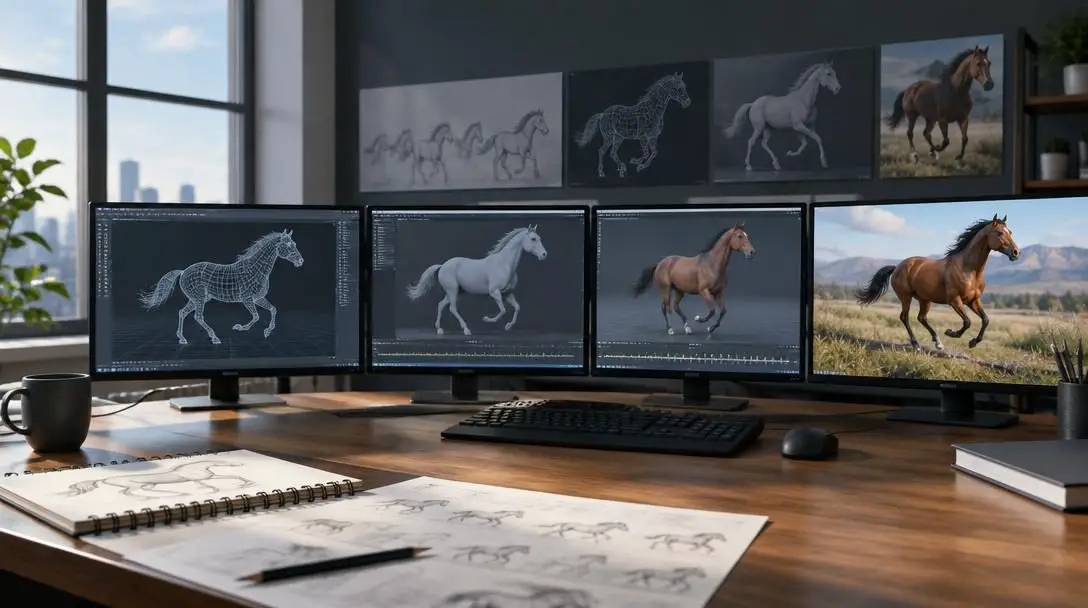
For nearly a century, moving pictures relied on rooms filled with animators, inbetweeners, and inkers drawing every frame by hand onto physical sheets of celluloid. Producing a standard twenty-four frames per second required tens of thousands of individual cels, making alterations or camera movements an exhausting, labor-intensive chore. Every line had to be traced with precise ink, painted on the reverse side of clear acetate sheets, and photographed sequentially under static rostrum cameras.
Today, traditional hand-drawn methods have become rare in commercial entertainment, replaced by computational imagery that powers everything from subtle visual effects and live-action blockbusters to interactive video games. The transition from military mainframes calculating mathematical trajectories to Hollywood workstations rendering lifelike digital humans took decades of persistent engineering. Tracing this evolution reveals how experimental wireframe blueprints grew into solid polygonal geometry, transformed feature filmmaking, and eventually achieved photorealism across modern cinema and interactive media.
Key takeaways
- Early computer animation emerged from mathematical experiments using wireframes, which functioned as bare geometric blueprints displaying only edges and vertices.
- Ed Catmull's 1972 breakthrough demonstrated that curved, volumetric surfaces could be created inside a computer using polygonal modeling.
- The 1996 release of Toy Story transformed commercial film by becoming the first feature film made entirely with computer-generated imagery.
- Groundbreaking 1990s visual effects conquered complex natural phenomena, including photorealistic animals in Jumanji, digital fire in Spawn, and simulated water in Titanic.
- Modern computer animation combines multi-stage digital production pipelines with motion capture to achieve photorealism in cinema and real-time interactive games.
Early milestones that defined digital animation
Before computer graphics entered multiplexes, university laboratories and visual effects pioneers used mathematical formulas to represent physical space. These early breakthroughs demonstrated that digital computing could serve as an artistic storytelling medium rather than merely a tool for scientific calculation. By replacing physical cel drawings with calculated coordinate systems, engineers began laying the groundwork for a new cinematic language.
Ed Catmull's polygonal hand
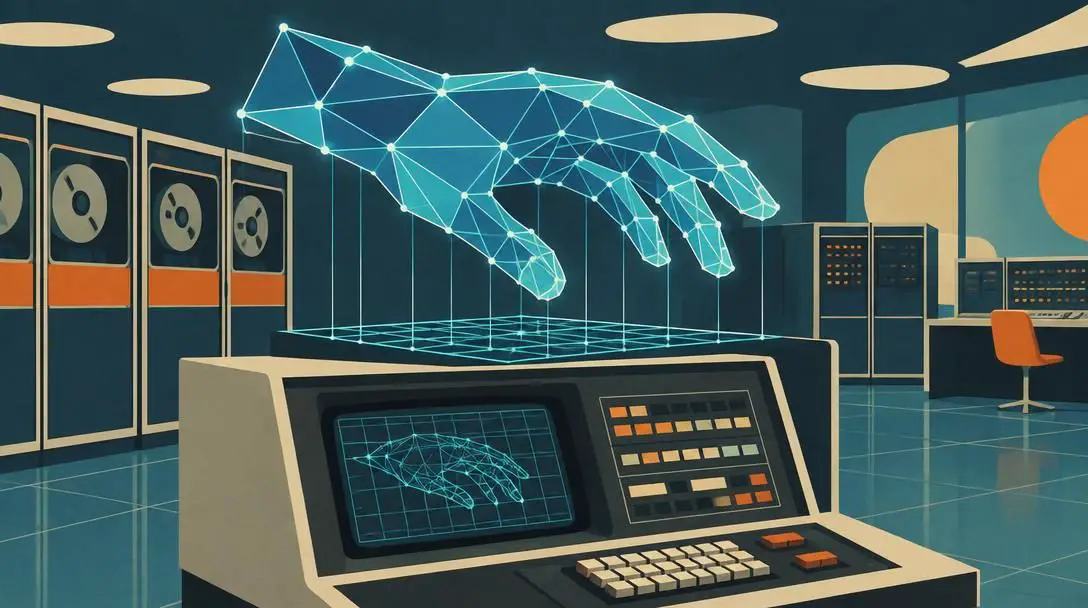
- Year: 1972
- Breakthrough: First digitized polygonal model of a curved human form
- Significance: Proved volumetric digital shapes could exist in software
In 1972, Ed Catmull marked a massive technical leap by drawing polygonal shapes across a physical mold of a human hand and digitizing those coordinates into a mainframe computer. Before this experiment, computer graphics consisted almost exclusively of simple wireframe models, which displayed only intersecting vertices and lines without surface depth or solid mass. Catmull's project demonstrated that computers could render curved, solid three-dimensional forms, laying the foundational framework for polygonal meshes used across the entire animation industry.
Westworld
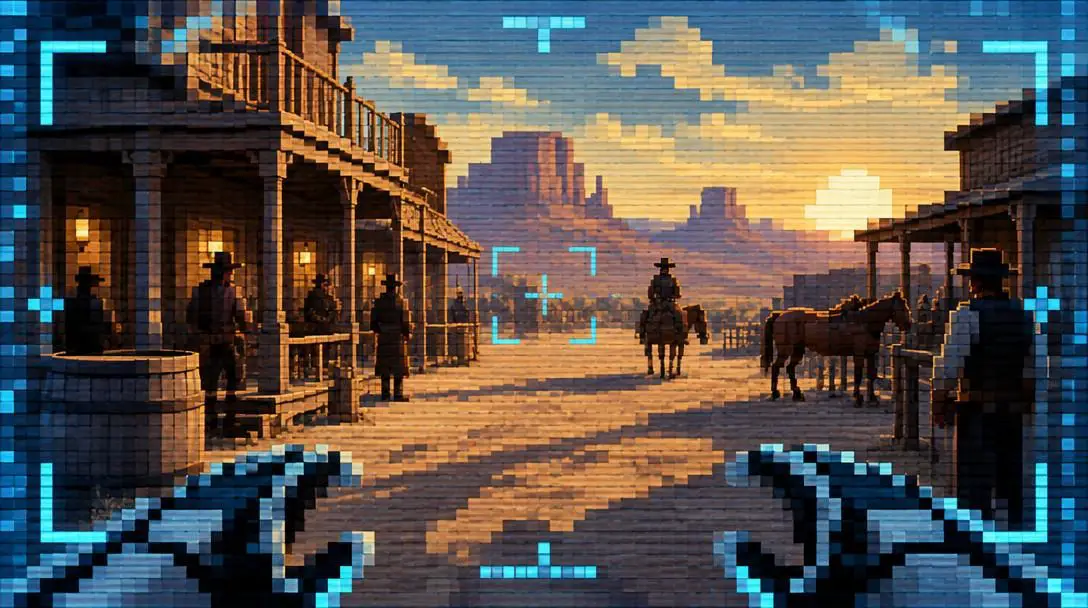
- Release year: 1973
- Format: Feature-length science fiction film
- Breakthrough: First motion picture to combine CGI with live-action footage
The 1973 sci-fi classic Westworld made cinematic history by becoming the first commercial movie to integrate digital computer imagery directly into a live-action narrative. The production digitized photographic film footage and processed it computationally to represent the pixelated, computerized vision of an android character. Though simple compared to contemporary standards, this brief digital sequence demonstrated to Hollywood executives that computer-generated assets could be integrated into live-action cinema without breaking audience immersion.
Star Wars
- Release year: 1977
- Director: George Lucas
- Associated studio: Industrial Light & Magic (ILM)
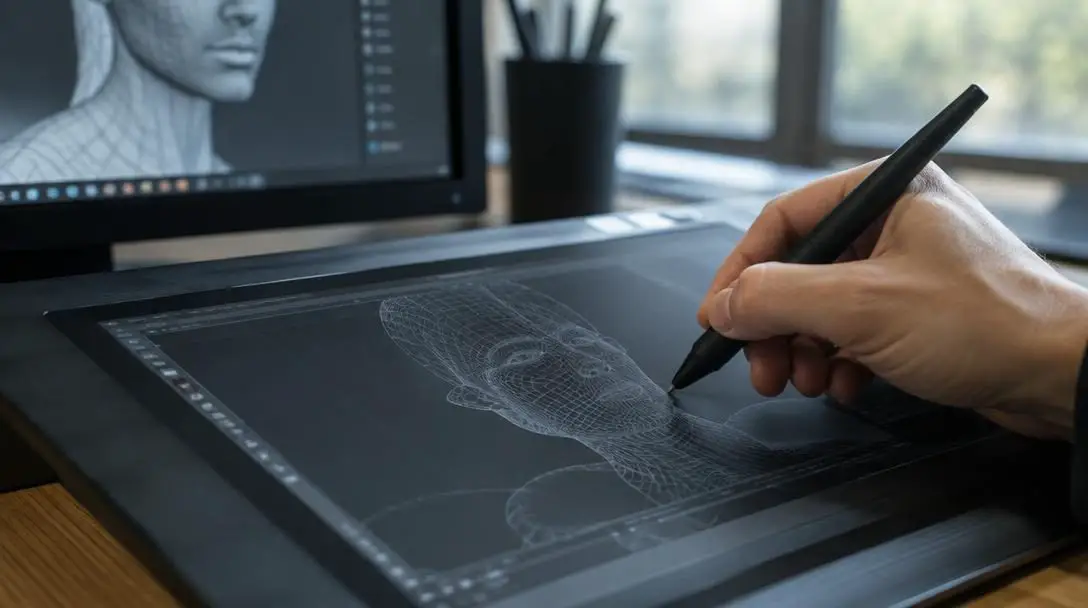
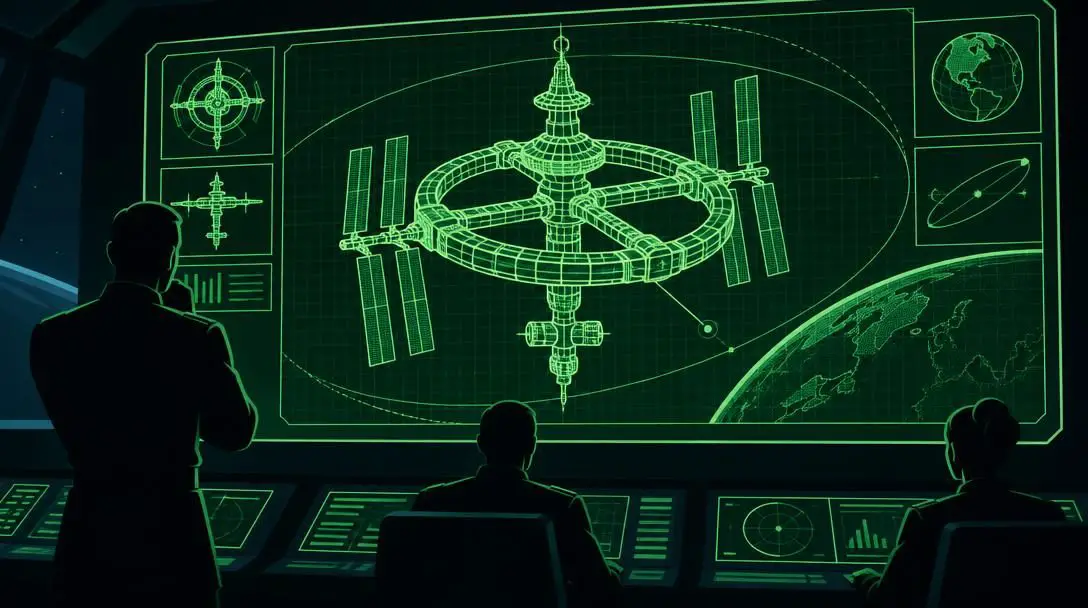
Directed by George Lucas, the original Star Wars set a bold standard for cinematic effects and proved that digital technology was crucial for the future of film production. Lucas founded the visual effects company Industrial Light & Magic to craft the film's groundbreaking visual elements. The movie incorporated computerized camera control alongside digital wireframe readouts, such as the tactical display of the Death Star briefing room. The film's immense critical and commercial success helped elevate digital visual technology from an academic curiosity to an artistic force.
Toy Story
- Release year: 1996
- Runtime format: 90-minute feature film
- Breakthrough: First entirely computer-animated feature film
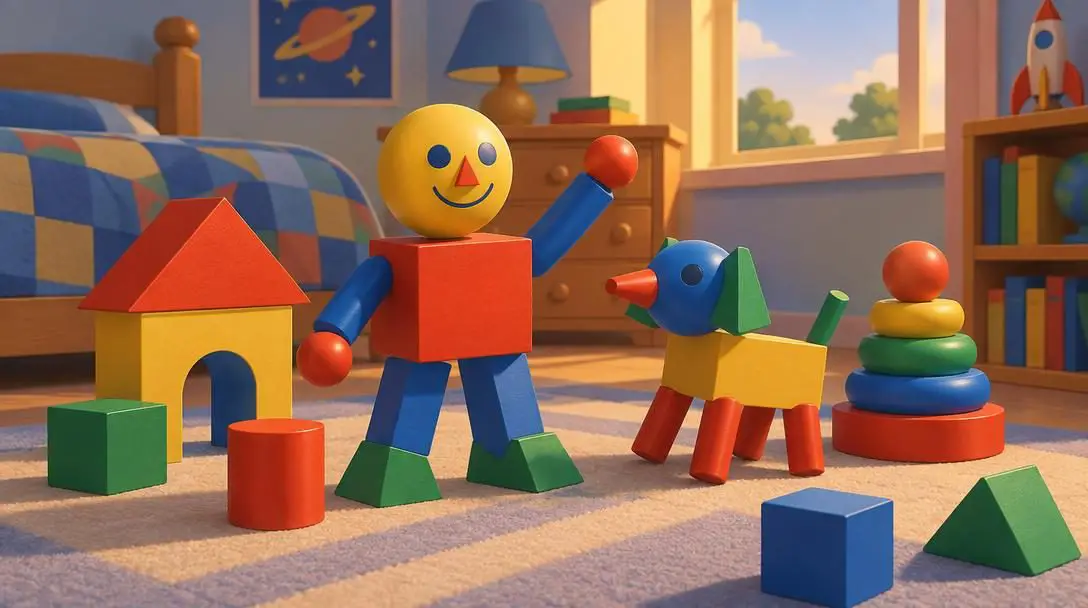
While movies throughout the 1980s and early 1990s like Tron, The Last Starfighter, and the Indiana Jones series introduced isolated digital assets, 1996 brought an absolute turning point with Toy Story. It was the first feature film produced entirely with computer-generated imagery. The production proved that computer-animated characters could sustain an emotional narrative across a ninety-minute runtime without relying on hand-painted cels, fundamentally reshaping Hollywood animation forever.
The transition to computer animation proved that mathematical coordinates could carry as much emotional weight as traditional hand-drawn celluloid.
How the 1990s mastered natural elements
While fully animated features proved viable for family entertainment, live-action cinema faced a different hurdle during the 1990s: rendering unpredictable, organic phenomena that audiences see every day in the physical world. Replicating living anatomy, dynamic fluids, and thermodynamics required significant algorithmic advances. Unlike hard-surface geometric objects such as spaceships or architectural columns, natural elements behave non-linearly and respond chaotically to external forces.
| Film | Simulated element | Industry impact |
|---|---|---|
| Jumanji | Living animal anatomy | Delivered the first photorealistic digital animals moving with organic physical weight. |
| Spawn | Dynamic fire and heat | Introduced the first photorealistic digital fire simulating non-linear flame behavior. |
| Titanic | Large-scale fluid dynamics | Simulated the first photorealistic digital ocean water to blend with practical physical sets. |
Conquering these elements bridged the visual divide between synthetic objects and live-action photography. Once simulation engines learned to compute fluid dynamics, chaotic flame volumes, and soft-tissue anatomy, digital artists could composite computer-generated assets into live-action photography without jarring the audience.
The core stages of the modern animation pipeline
Every digital character, prop, and environment created in contemporary entertainment undergoes a structured multi-stage production pipeline. While creative software packages vary across production houses, the underlying production process follows these essential stages:
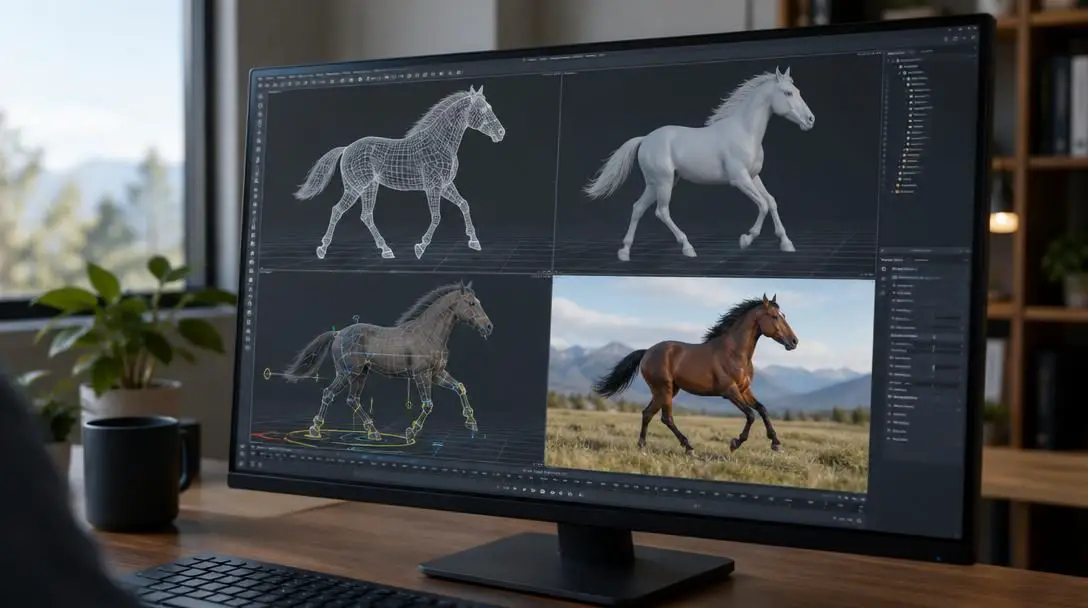
- 3D modeling: Artists build the exterior surface of an object using a mesh of connected polygons, composed of triangles and quadrilaterals, establishing its volumetric form in virtual space.
- Rigging: Technical directors install an internal digital skeleton of interconnected joints, bones, and mathematical constraints within the mesh to dictate how the model can naturally articulate and deform.
- Animation: Animators manipulate the rig across keyframes to define poses over time, allowing software to calculate the smooth interpolation between movements, or apply performance data captured from sensor-laden motion-capture suits.
- Texturing and shading: Surface artists design digital materials to replicate real-world matter like fabric, metal, or human skin, using specialized shaders to govern how surfaces scatter, absorb, or reflect light rays.
- Lighting: Technical artists place virtual lights within the digital environment, configuring key lights, ambient fills, and bounce illumination to establish cinematic mood and cast realistic shadows.
- Rendering: High-performance computing engines process the combined geometric data, motion, surface materials, and light paths frame by frame to produce flat two-dimensional images ready for projection or display.
Modern photorealism across cinema and interactive media
Following the visual effects breakthroughs of The Matrix at the turn of the century, digital animation expanded into facial reconstruction and high-fidelity interaction. Filmmakers now regularly utilize performance capture to map subtle actor expressions onto synthetic digital skins or de-age veteran actors to portray their younger selves. In modern blockbusters like the Avengers franchise, physical filmmaking and digital animation have fused, placing performers inside motion-capture suits amidst green-screen stages while entire worlds and digital costumes are generated in post-production.
Concurrently, interactive video games experienced a dramatic technological evolution. In the early 1990s, gamers interacted with flat pixel art and simple 16-bit sprites. In less than three decades, home hardware expanded into real-time photorealism. Titles such as Ghost of Tsushima, Red Dead Redemption II, and Death Stranding render cinematic weather systems, realistic cloth physics, and lifelike facial acting dynamically as the player interacts with the world.
Common mistakes novice animators make
Because modern digital workstations automate many mathematical computations, beginner animators often fall into technical traps that betray the artificial nature of their renders. Avoiding these pitfalls is essential for achieving professional realism:
- Over-relying on default settings: Using default materials, stock cameras, and basic point lights produces a flat, plastic look. Believable scenes demand tailored material roughness, nuanced color palettes, and deliberate cinematic lighting setups.
- Ignoring physical weight and momentum: Software can instantly move an asset across three-dimensional coordinates, but real objects possess mass. Animators must deliberately craft acceleration, deceleration, and the subtle recoil that occurs when heavy bodies stop.
- Designing unnaturally pristine surfaces: Real-world objects feature subtle imperfections such as dust, micro-scratches, edge wear, and uneven surface sheen. Renders with mathematically sharp edges and perfectly uniform textures quickly fall into the uncanny valley.
- Disregarding real-world scene scale: When 3D assets are modeled without matching real-world physical units, simulation engines calculate gravity, cloth folds, and fluid dynamics inaccurately.
- Flying the virtual camera erratically: The lack of physical constraints often tempts creators into impossible, sweeping camera moves. Grounding virtual cameras in the mechanics of physical camera rigs preserves cinematic immersion.
Frequently asked questions
What is the difference between a wireframe model and a polygonal mesh?
A wireframe displays only the intersecting edges and vertices of a three-dimensional form, acting as an open digital blueprint without surface skin, color, or lighting. A polygonal mesh connects those vertices into closed geometric faces (triangles or quads), creating a solid surface capable of receiving textures, shaders, and light calculations.
What made Toy Story such a significant cinematic milestone?
Released in 1996, Toy Story was the first feature-length film created entirely with computer-generated imagery. It proved to audiences and film studios that computers could handle complex character animation, camera staging, and emotional narrative storytelling across a full ninety-minute runtime without traditional hand-painted cels.
Why were natural elements like water, fire, and fur so difficult to animate early on?
Unlike rigid, geometric objects like spaceships or buildings, natural elements possess non-linear, chaotic behavior and consist of millions of interacting particles. Animating them required the development of complex physics simulation algorithms capable of calculating dynamic fluid motion, turbulent heat, and soft-tissue anatomy.
How does motion capture differ from keyframe animation?
In keyframe animation, an artist manually poses a 3D digital rig at specific time intervals and allows software to calculate the movement between them. In motion capture, a live performer wears a sensor-laden suit that records their real-time physical performance and translates those spatial coordinates directly onto the digital character rig.
Why are imperfections important in photorealistic 3D rendering?
Objects in the physical world are never mathematically flawless. Adding surface imperfections like micro-scratches, dust, fingerprint smudges, and slightly softened edges prevents models from appearing like sterile computer assets and helps avoid the unsettling uncanny valley effect.
The bottom line
The journey of computer animation from rudimentary wireframe models to indistinguishable photorealism represents one of the most remarkable technical achievements in visual storytelling. What began as experimental mathematical trials in scientific laboratories has developed into a universal artistic language spanning commercial cinema, digital art, and interactive gaming. As real-time rendering engines and machine simulations continue to progress, the boundary separating synthetic graphics from physical reality will only continue to dissolve.