How Big Data Is Transforming Healthcare and Medical Research

For generations, healthcare providers documented medical knowledge in physical paper charts, clinical logs, and handwritten observations. While these historical records tracked individual diagnoses, surgical interventions, and pharmaceutical reactions, they remained largely isolated in file cabinets and hospital basements. The rise of digital diagnostic systems, centralized billing networks, and computerized patient intake fundamentally changed this paradigm, ushering in an era of massive, complex medical datasets.
Today, big data in healthcare represents the aggregation and computational analysis of petabytes of clinical narratives, diagnostic imaging files, genomic sequences, insurance claims, and multi-phase clinical trial logs. By replacing manual, fragmented chart inspections with high-throughput algorithmic pipelines, modern medicine can identify subtle correlations, forecast disease trajectories, and deliver interventions at both the individual bedside and the broader community level.
Key takeaways
- Healthcare big data brings together disparate information sources, including electronic health records, imaging scans, billing records, and clinical research data.
- Predictive analytics and machine learning empower clinical teams to anticipate patient complications and optimize hospital staffing before crises occur.
- Medical research relies on big data workflows to accelerate drug discovery, map infectious outbreaks, and design treatments matched to individual genetics.
- Fragmented databases, severe data security risks, and algorithmic inaccuracies remain substantial obstacles to institutional implementation.
- Successful adoption requires structured data governance, specialized clinical training, and continuous human validation of all automated findings.
The Anatomy and Ingestion of Healthcare Big Data
Modern healthcare environments produce continuous, multi-layered streams of data from every point of clinical and administrative contact. Making sense of this information requires specialized computational platforms capable of processing both structured entries—such as standardized laboratory numbers and billing codes—and unstructured assets like narrative physician notes and high-resolution radiology scans.
Rather than evaluating these information streams in isolation, high-capacity data processing platforms integrate disparate records into unified pipelines. This ingestion process transforms raw clinical measurements into structured inputs that machine learning models and statistical frameworks can cross-reference. The objective is to establish connections between subtle physical symptoms, historical treatments, and long-term health outcomes that human analysis could never spot unaided.
Systematic organization of complex clinical streams makes it possible to uncover hidden patterns that previously eluded medical researchers.
Once organized, this data fuels improvements across four foundational pillars: elevating direct patient care, accelerating scientific discovery, reducing institutional operating costs, and supporting population-level health initiatives.
How Clinical Care and Hospital Operations Benefit
Within daily hospital workflows, big data systems transition medical care from a reactive model to a proactive posture. By scrutinizing longitudinal health histories and dynamic inpatient monitors, predictive clinical models evaluate real-time health trajectories to flag deteriorating patients before acute complications escalate. For example, algorithms can scan vitals, medication changes, and lab results to identify patient profiles that carry a high probability of hospital readmission or surgical site infection, allowing attending physicians to administer preventive interventions early.
Beyond direct clinical interventions, big data serves as an essential tool for organizational and operational management. Running modern medical facilities involves balancing complex financial constraints, finite physical spaces, and fluctuating patient arrivals. Analytics platforms evaluate seasonal trends, localized disease patterns, and historical admission numbers to forecast future bed occupancy rates and intensive care needs.
With accurate volume projections, hospital administrators can adjust nursing schedules, allocate operating rooms with precision, and optimize medical supply chains. These efficiencies eliminate unnecessary material waste, lower overhead expenditures, and reduce clinician burnout—all while preserving high standards of patient safety and care delivery.
Five Vital Frontiers in Big Data Medical Research
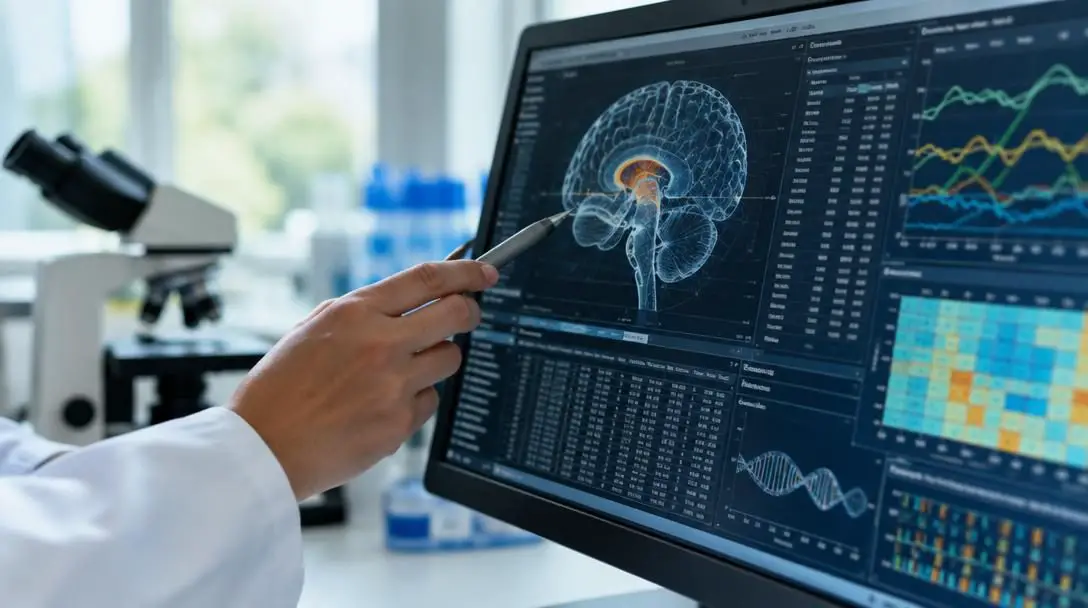
Beyond day-to-day hospital operations, the integration of computational analytics has reshaped medical science. Modern researchers routinely process vast epidemiological and biological datasets across five primary domains.
Disease Surveillance
Public health authorities utilize real-time clinical data feeds from regional clinics, diagnostic labs, and electronic medical record systems to track the geographical emergence and transmission vectors of infectious diseases. This continuous flow of geographic information enables agencies to pinpoint transmission clusters, deploy containment measures, and distribute medical supplies such as vaccines and personal protective equipment directly to impacted communities before an outbreak becomes unmanageable.
Genomics and Personalized Medicine
The convergence of bioinformatics and big data allows scientists to evaluate vast amounts of patient clinical data alongside complex genomic sequences. By analyzing these layered datasets, researchers identify microscopic genetic variants that influence disease vulnerability and drug resistance. These insights empower oncologists and other medical specialists to tailor therapies specifically to an individual patient's biological profile, maximizing therapeutic response rates while sparing patients from ineffective drugs and severe side effects.
Drug Development and Clinical Trials
Historically, discovering and validating new pharmaceutical compounds required decades of trial-and-error laboratory experimentation and exorbitant financial expenditures. Big data models transform this pipeline by scanning extensive chemical libraries and biological target databases to predict drug efficacy and molecular safety profiles before human administration. Furthermore, data-driven platforms streamline clinical trial candidate selection by evaluating demographic and clinical records to recruit well-matched trial cohorts quickly.
Predictive Analytics and Machine Learning
Applying machine learning algorithms to longitudinal health datasets allows data scientists to build robust risk models that forecast individual disease development. By identifying early warning signs scattered across years of patient encounters, these algorithms highlight high-risk cohorts who benefit most from aggressive preventive care, regular screenings, and targeted lifestyle modifications.
Public Health and Epidemiology
On a macro scale, analytical platforms aggregate community-wide health indicators to map social determinants of health, pinpoint regional environmental hazards, and measure chronic disease frequency across specific demographics. By evaluating the real-world outcomes of previous healthcare initiatives, policymakers can refine public health programs and distribute municipal resources where they will deliver the greatest societal benefit.
Landmark Case Studies in Health Data Analytics
The practical application of big data in modern medicine is best demonstrated through the major programs and initiatives that established data-driven clinical practice.
| Initiative or Platform | Primary Data Focus | Core Clinical Objective | Key Healthcare Impact |
|---|---|---|---|
| The Human Genome Project | Genomic sequences and molecular data | Complete mapping of human genetic code | Established the computational groundwork for personalized medicine |
| The Precision Medicine Initiative | Genetics, lifestyle, and environmental logs | Design targeted, customized disease therapies | Shifted treatment paradigms away from one-size-fits-all treatments |
| The COVID-19 Pandemic Response | Real-time infection logs and clinical outcomes | Map viral transmission and fast-track therapies | Accelerated vaccine development and international supply routing |
| IBM Watson Health | Scientific papers, clinical notes, and imaging | Assist diagnosis and lower administrative friction | Demonstrated the utility of machine learning in clinical care |
The Human Genome Project

- Core Objective: Sequencing the complete human genetic code
- Data Scope: Billions of individual chemical base pairs
- Primary Contribution: Laid the technological infrastructure for computational genomics
The successful sequencing of the human genome stands as one of the original milestones for big data in biology. Deciphering billions of base pairs produced immense datasets that exceeded the capacity of traditional computing tools. The technological innovations developed to store, organize, and analyze this genomic data established the foundational methodologies that contemporary bioinformaticians rely on to investigate inherited conditions and design gene-targeted therapies.
The Precision Medicine Initiative
- Core Objective: Tailoring individual patient therapies
- Data Scope: Genetics, environmental factors, and medical records
- Primary Contribution: Replacement of broad, uniform treatment regimens
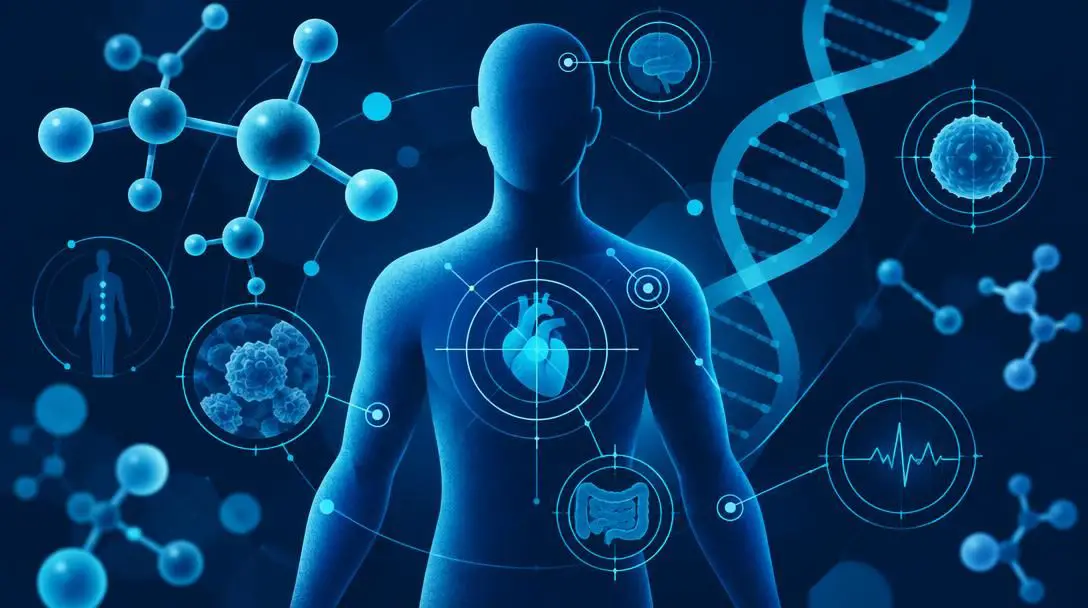
The Precision Medicine Initiative was established to move clinical practice beyond uniform, one-size-fits-all healthcare strategies. By aggregating genetic profiles, environmental exposures, and comprehensive electronic health records from large patient populations, the initiative gives researchers the analytical scale necessary to identify why specific interventions succeed in certain patients but fail in others, establishing actionable criteria for tailored disease prevention.
The COVID-19 Pandemic Response

- Core Objective: Global viral monitoring and treatment formulation
- Data Scope: International case tracking and molecular sequencing
- Primary Contribution: Rapid development of protective vaccines and therapies
The international response to the COVID-19 pandemic demonstrated the necessity of immediate, real-time big data integration. Healthcare agencies, academic research centers, and hospital networks established data feeds to track viral mutations across borders, balance regional ventilator and bed inventories, and coordinate emergency responses. This collaborative data infrastructure substantially accelerated the design, testing, and distribution of life-saving vaccines and supportive antiviral protocols.

IBM Watson Health
- Core Objective: Clinical decision assistance and operational refinement
- Data Scope: Biomedical literature, imaging scans, and electronic patient files
- Primary Contribution: Pioneered cognitive computing applications in clinical workflows
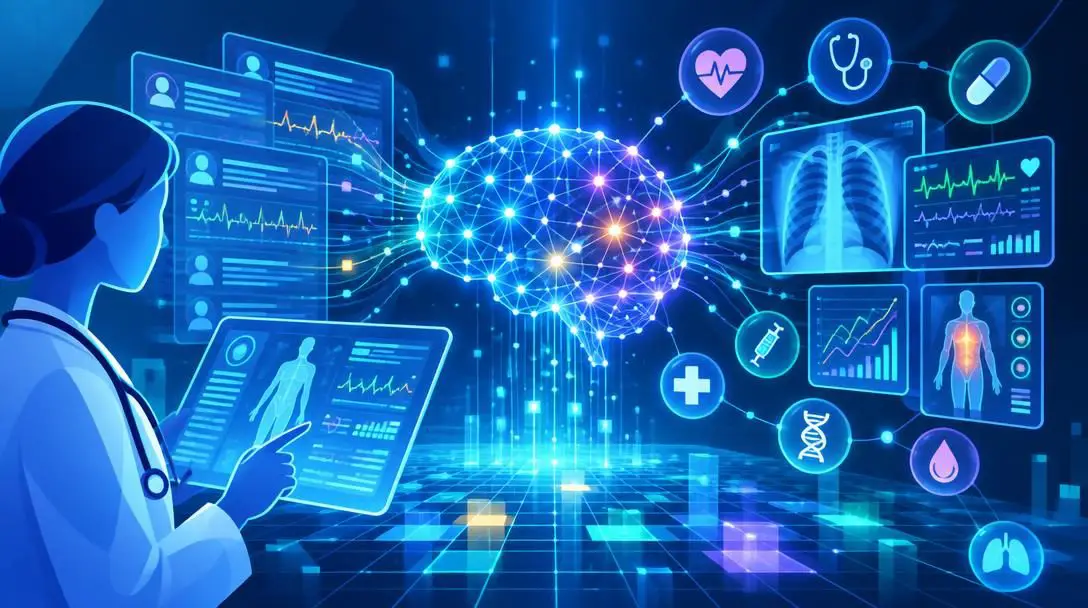
IBM Watson Health was engineered as an advanced artificial intelligence platform to assist healthcare organizations in managing massive clinical datasets. By digesting medical research publications, diagnostic images, and historical patient charts, the system generated data-driven clinical insights to help physicians evaluate complex cases, match patients with relevant clinical trials, and uncover operational efficiencies to reduce the cost of care delivery.
Navigating Technical Obstacles and Ethical Safeguards
While big data analytics offers substantial clinical promise, healthcare providers face persistent technical, administrative, and ethical friction when managing health records at scale.
Security and patient privacy stand as paramount concerns. Healthcare databases store detailed medical histories, genetic sequences, billing details, and personal identifiers. This concentration of sensitive information makes medical repositories prime targets for cyberattacks and unauthorized breaches. Institutions must maintain rigorous network defenses, end-to-end data encryption, and role-based permissions to ensure compliance with legal privacy statutes.
Data integration and standardization present another persistent logistical bottleneck. Clinical data is rarely organized in a single universal format. Instead, it is distributed across disparate legacy servers, proprietary electronic health record vendors, diagnostic laboratory databases, and external insurance clearinghouses. Merging these fragmented, incompatible repositories into clean, interoperable data pipelines requires extensive data normalization and continuous software maintenance.
Finally, ethical transparency and patient consent remain central to modern data practices. Aggregating comprehensive medical histories for academic study or corporate algorithm training prompts challenging questions regarding patient autonomy. Organizations must implement unambiguous consent procedures so that individuals understand precisely how their de-identified health metrics will be analyzed, stored, or shared across commercial and research partnerships.
A Roadmap for Institutional Implementation
Healthcare systems and regional clinics planning to launch or upgrade a big data program should follow a structured, phased implementation roadmap to balance analytical innovation with operational stability.
- Audit existing information systems: Catalog all internal digital and physical archives, including electronic health records, imaging systems, billing software, and patient registries. Document legacy software versions, data formats, and access permissions across all clinical departments.
- Establish rigorous data governance: Develop standardized protocols for data cleansing, storage, role-based access permissions, and regulatory compliance. Appoint specialized data stewards and clinical oversight committees to maintain ongoing information hygiene and integrity.
- Deploy scalable technical infrastructure: Invest in high-capacity data processing platforms capable of aggregating structured and unstructured data formats. Ensure the technology stack includes validated predictive modeling tools, machine learning capabilities, and enterprise-grade security encryption.
- Prioritize measurable strategic goals: Focus initial analytical deployments on specific, high-yield operational challenges—such as predicting 30-day hospital readmissions or forecasting surgical staffing requirements—rather than attempting an enterprise-wide overhaul all at once.
- Train clinical and administrative staff: Equip doctors, nurses, and administrative teams with the skills needed to interpret analytical dashboards accurately and apply predictive metrics directly to bedside decisions without disrupting everyday clinical workflows.
- Continuously validate algorithmic outputs: Regularly audit predictive models against real-world clinical outcomes to identify mathematical drift, systemic errors, or underlying dataset biases before they influence patient care.
Common Deployment Mistakes to Avoid
Adopting complex analytical tools within hospital environments carries risks when organizations move too quickly or neglect foundational technical safeguards. Medical organizations should watch for several frequent errors:
- Neglecting data standardization: Ingesting messy, non-normalized datasets directly into predictive models produces inaccurate recommendations that undermine clinician trust.
- Treating security as a secondary concern: Building large analytical repositories without multi-factor authentication, end-to-end encryption, and intrusion-detection systems invites catastrophic data breaches.
- Excluding frontline clinicians from system design: Developing analytical software solely from a software engineering perspective creates cumbersome interfaces that disrupt medical workflows and lead to poor clinician adoption.
- Overlooking consent and regulatory compliance: Utilizing patient records for advanced algorithmic research without verifiable patient consent protocols creates legal liabilities and erodes patient trust.
- Treating automated recommendations as absolute truth: Allowing predictive models to dictate clinical decisions without human physician validation creates opportunities for diagnostic errors and medical oversights.
Frequently asked questions
What constitutes big data in a medical setting?
Healthcare big data encompasses the massive volume of structured and unstructured information produced across health systems. This includes electronic health records, diagnostic radiology scans, laboratory results, physician notes, billing and insurance claims, and multi-phase clinical trial logs.
How does big data analytics help lower hospital operational costs?
By evaluating historical patient trends and seasonal illness trajectories, predictive analytics helps healthcare administrators accurately forecast patient admission volumes. This allows facilities to optimize nursing schedules, schedule operating rooms efficiently, and minimize physical supply waste.
In what ways does big data support personalized medicine?
Big data systems cross-reference individual clinical histories with complex genomic datasets. By identifying how subtle genetic variations influence disease vulnerability and drug resistance, clinicians can design targeted therapies suited to a patient's biological profile rather than relying on standard, one-size-fits-all options.
Why is data standardization such a difficult challenge for healthcare systems?
Health information is typically scattered across incompatible legacy databases, differing electronic record vendors, diagnostic laboratory systems, and insurance platforms. Reconciling these diverse systems into a clean, interoperable framework requires complex data engineering and consistent standardization guidelines.
Can automated predictive analytics replace human medical doctors?
No. Big data systems and machine learning models are designed to assist medical practitioners, not replace them. Algorithms identify hidden patterns, assess risk profiles, and surface diagnostic insights, but final medical judgments require human clinical experience and physical patient evaluation.
The bottom line
The transformation of healthcare through big data is transitioning medicine from a historical model of intuition-driven diagnosis and reactive treatment into a proactive, data-informed discipline. By assembling disparate records into unified analytical pipelines, medical systems can predict patient complications, refine hospital efficiency, and accelerate the development of personalized therapies. Realizing the full potential of these computational tools requires healthcare leaders to address data quality, protect patient privacy, and ensure that human medical judgment remains at the heart of every data-driven decision.