The Role of Databases in the Information Age: Organizing and Storing Our Digital Lives

Every digital interaction today generates a continuous stream of information that must be captured, organized, and preserved. From checking an account balance at an online bank and ordering goods from an e-commerce catalog to scheduling a medical checkup, transactional records are continuously registered behind the scenes. Without robust architectural frameworks to handle this relentless influx, modern computing systems would quickly collapse into an unnavigable tangle of disconnected and conflicting files.
At the center of this digital infrastructure sits the modern database: an organized repository designed to manage, store, and retrieve information quickly and efficiently. What began during the earliest chapters of computing as basic mechanisms capable of storing only a few hundred records has matured into sophisticated software systems. Today, database architectures support global enterprises, underpin critical industries, and quietly organize the foundation of modern digital life.
Key takeaways
- Databases have evolved from rudimentary storage limited to a few hundred entries into scalable relational and non-relational engines that power worldwide digital services.
- A database management system translates instructions into efficient file reads and writes while allowing multiple users to access and modify data simultaneously without file corruption.
- Relational systems use structured tables linked by shared identifiers, whereas NoSQL models provide flexible data storage suited for rapid horizontal scaling and unstructured data.
- Core industries including healthcare, finance, and retail rely on strict database management to maintain accurate patient records, financial transactions, and real-time inventory catalogs.
- Proactive security measures—including encryption, role-based access controls, verified backup schedules, and privacy compliance—are vital to protect sensitive information from breaches.
The Evolution of Data Storage in the Modern Era
The dawn of the Information Age brought an unprecedented explosion in the volume of data generated by organizations and individuals alike. In early computing, data storage was severely constrained by hardware limitations. Early storage implementations struggled to maintain even a few hundred records, pushing machines to their operational limits whenever basic text or numerical tables expanded.
A major breakthrough arrived in the 1970s with the introduction of relational databases. This paradigm shifted data organization from rigid, isolated storage models into interconnected structures, allowing administrators to build scalable schemas and express complex data relationships. During the 1980s, the emergence of Object-Oriented Programming (OOP) further altered the discipline. By introducing the concept of objects as a way to represent data, OOP aligned application code directly with underlying storage configurations, establishing the technical foundation for enterprise software.
In recent years, the rapid proliferation of web-scale applications, mobile platforms, and connected sensor networks presented challenges that traditional models could not resolve on their own. This led to the development of NoSQL databases, which provide alternative models designed to handle unstructured and semi-structured assets with high availability, flexible schemas, and horizontal scaling capabilities.
At its core, a database is a structured collection of data that allows users to manage, organize, and retrieve information quickly and efficiently.
How Databases Work: Architecture and Core Mechanics
To grasp how modern data management operates, it helps to look inside a standard database structure. In a conventional setup, data is stored in one or more tables made up of horizontal rows and vertical columns. The rows hold records for individual entities, while the columns define specific attributes belonging to those entities.
Consider an e-commerce platform that maintains a database table for products. Each row represents a distinct merchandise item, while the columns store relevant attributes such as the product name, its retail price, and its descriptive text. Whenever a merchant introduces a new item to the store, a new row is appended to the table, with each column populated according to predetermined formatting rules.
Interacting with these tables directly through manual file modifications would be impractical, slow, and prone to severe errors. Instead, organizations employ a Database Management System (DBMS). A DBMS is specialized software that enables users and software programs to create, update, administer, and query records. The DBMS accepts commands from users or client applications, translates them into optimized read and write operations on physical storage disks, and prevents multiple simultaneous users from corrupting records when reading or editing the same files at once.
Major Database Management System Platforms
Enterprise applications rely on established DBMS platforms to maintain reliability and continuous performance under demanding workloads. Among the most widely adopted database management platforms are the following four software systems:
Oracle
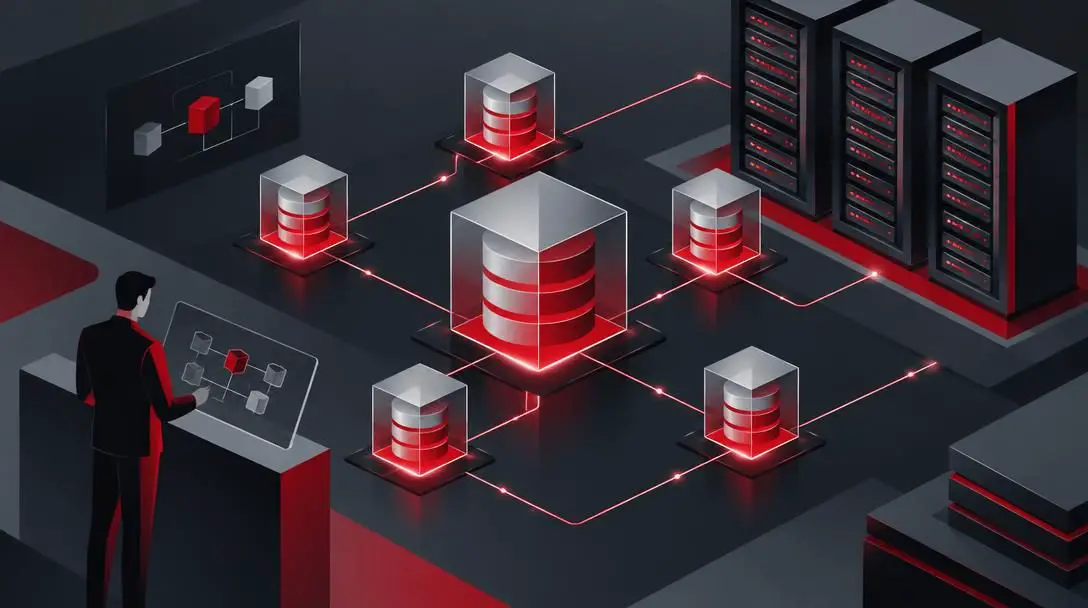
Oracle is an enterprise-grade database management system engineered to handle large-scale, complex relational workloads. It provides powerful query optimization, advanced multi-user concurrency controls, and comprehensive administration tools designed for mission-critical corporate infrastructure.

Microsoft SQL Server
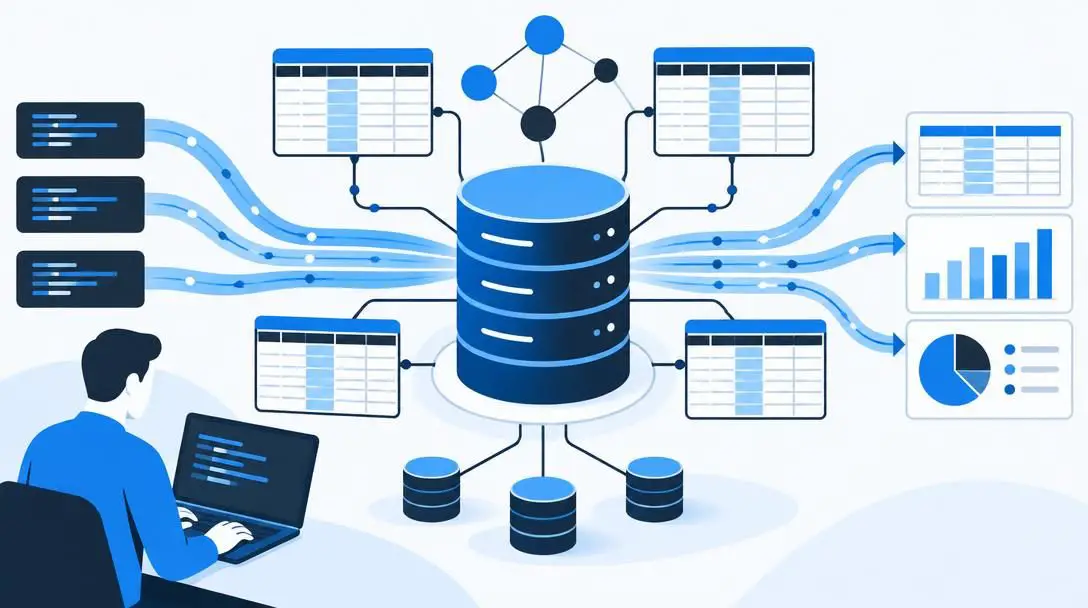
Microsoft SQL Server is an enterprise relational database platform designed to manage and secure structured records across complex application ecosystems. It translates structured commands into efficient disk read and write operations while coordinating simultaneous multi-user access to prevent data conflicts.
MySQL
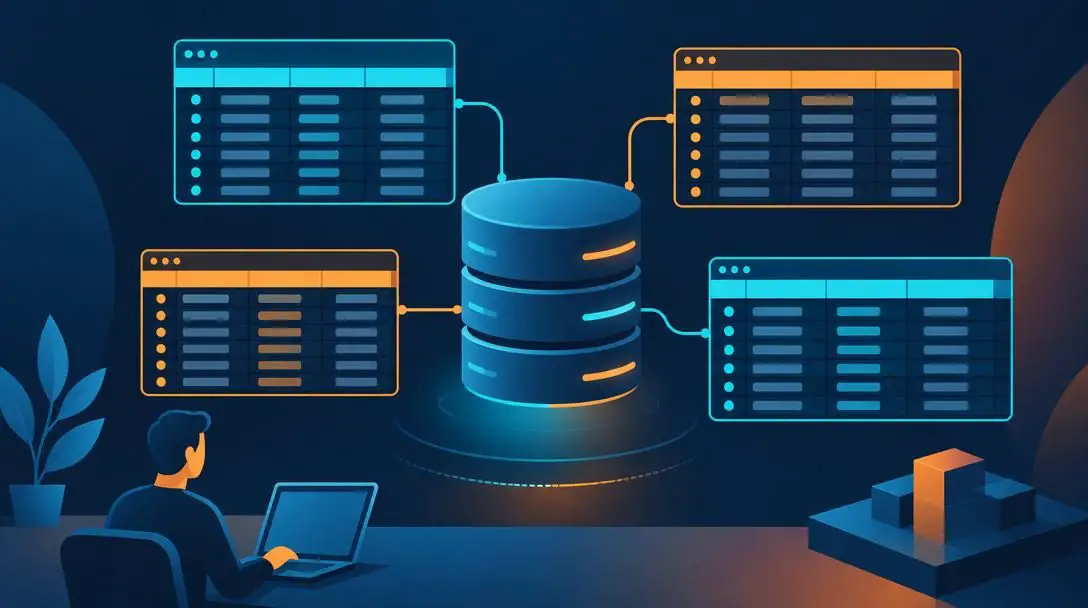
MySQL is a widely deployed relational database management system that powers countless web applications and transactional platforms. It organizes data into structured tables with relational integrity, offering high operational reliability and fast query processing for high-traffic environments.
PostgreSQL
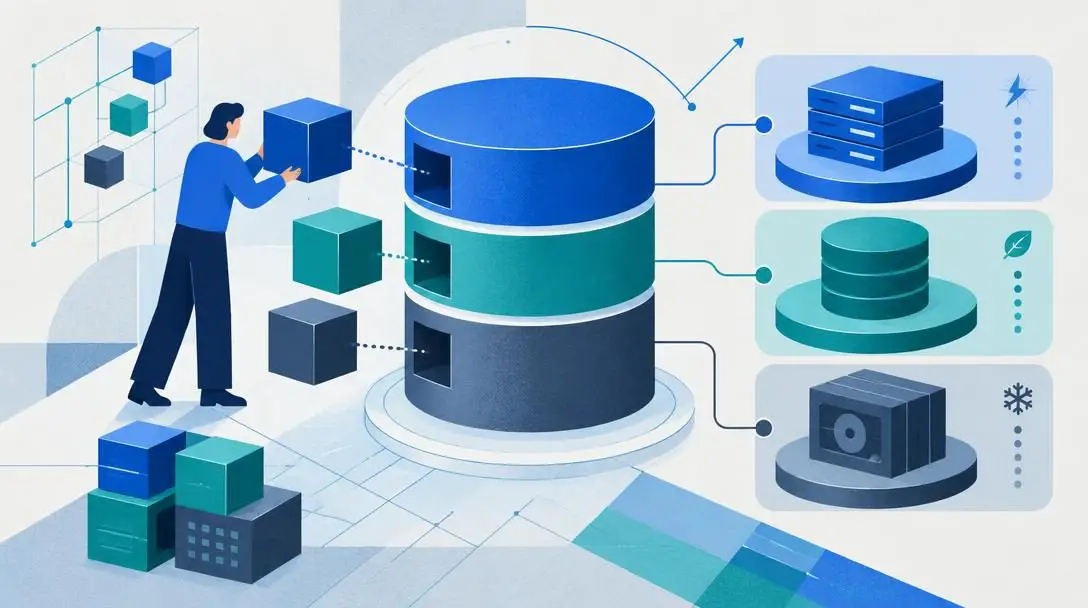
PostgreSQL is an advanced, highly extensible relational database management system known for its strict adherence to technical standards and data integrity. It accommodates complex data models and concurrent multi-user workloads without risking file degradation or transaction errors.
Comparing Relational and NoSQL Paradigms
Understanding when to implement a relational model versus a NoSQL framework is one of the most critical decisions in software engineering. Both architectures solve distinct data problems across modern computing environments.
| Architectural Paradigm | Primary Data Structure | Key Strengths | Typical Application Use Cases |
|---|---|---|---|
| Relational Database | Structured tables composed of fixed rows and columns linked by identifiers | Strict relationships, high consistency, elimination of duplicate entries | Hospital appointments, banking ledgers, customer account profiles |
| NoSQL Database | Flexible document, key-value, column-family, or graph formats | Dynamic schemas, horizontal scaling, high availability for varying data | Social media feeds, sensor streams, unstructured content platforms |
In a relational database, distinct tables relate to one another via shared keys. For example, a hospital database may use three separate tables: one for patients, one for medical doctors, and one for clinic appointments. Rather than retyping a patient's full name, address, and medical background into every appointment record, the appointment table simply references the patient ID and doctor ID alongside the appointment date. This relational structure prevents redundant data storage and maintains clean, consistent references across tables.
Conversely, NoSQL databases avoid strict tabular schemas. When dealing with streaming sensor feeds or social media posts, each entry may contain wildly different attributes. NoSQL provides the agility to store varied, evolving information without requiring administrators to restructure existing tables beforehand.
Databases Across Key Industries
Reliable information management is indispensable across sectors that handle vast volumes of critical records on a daily basis. Three industries highlight the central role databases play in keeping essential operations moving:
Healthcare
Healthcare organizations rely on databases to maintain comprehensive patient files, including diagnostic histories, clinical treatment plans, medication schedules, and lab test results. When a physician reviews a patient's condition or plans an emergency intervention, the medical database provides immediate access to cross-referenced records. Rapid retrieval of linked patient data ensures informed medical decisions while minimizing dangerous prescription interactions or redundant diagnostic procedures.
Finance
Financial institutions depend on databases to manage sensitive customer profiles, account balances, loan files, and real-time transaction movements. Database systems in this sector enforce absolute balance consistency across ledger accounts, verify credit card payments, and maintain tamper-resistant audit trails. These reliable transactional histories are critical for regulatory reporting, fraud prevention, and operational stability across global financial networks.
Retail
Retail operations use databases to organize expansive product catalogs, track real-time inventory levels across regional warehouses, and evaluate historical consumer sales patterns. When a shopper completes an online checkout, the underlying database automatically adjusts stock counts, logs the sales transaction, and updates merchandising data. This immediate synchronization helps retailers avoid stock shortages while feeding analytics engines that generate personalized shopping recommendations.

Data Security, Privacy, and Regulatory Compliance
Because databases hold vital business assets and personal records, maintaining rigorous security standards is mandatory. A single unauthorized breach of sensitive databases can trigger catastrophic financial consequences and permanent damage to an organization's public reputation.
Database administrators must apply comprehensive protective measures across every layer of the infrastructure:
- Encryption: Data must be cryptographically encoded both while resting in physical storage drives and during transmission across internal and external networks, ensuring intercepted files cannot be read without decryption keys.
- Access Controls: Administrators must establish explicit user permissions and role-based policies, restricting read, write, and deletion privileges to verified personnel with a clear operational need.
- Backup and Recovery Procedures: Routine, automated backups must be duplicated to secure secondary storage locations so systems can recover promptly from hardware failures, operator errors, or ransomware attacks.
Beyond defensive technical mechanisms, compliance with regulatory statutes is essential. Frameworks such as the General Data Protection Regulation (GDPR) and the California Consumer Privacy Act (CCPA) grant consumers enforceable rights over their personal information. Organizations must govern how customer records are gathered, modified, and purged to maintain full legal standing.
Step-by-Step Guide to Implementing a Database
Designing and deploying a dependable database system requires a methodical approach that addresses data organization, system security, and ongoing maintenance.
- Define the Data Requirements: Identify all business entities and attributes that must be recorded. In an e-commerce project, determine the tables needed for merchandise, customer profiles, and order receipts, as well as the exact attributes each must capture, such as product names, prices, and descriptions.
- Select the Appropriate Architecture: Determine whether the project demands a relational system like Oracle, Microsoft SQL Server, MySQL, or PostgreSQL, or a NoSQL solution. Opt for relational structures when data demands linked records such as patients, physicians, and appointments; choose NoSQL when handling varied data like social media posts or sensor metrics.
- Design the Schema and Linkages: Structure the tables, defining columns, data types, and primary rows. Establish clear identification keys to link related tables together, preventing duplicate records and preserving referential integrity across the system.
- Implement Security Controls: Activate end-to-end data encryption across disks and communication interfaces. Configure fine-grained access roles to ensure individual users and software processes access only the minimal records required for their tasks.
- Establish Backup and Restoration Schedules: Configure automated snapshots of all tables and transaction logs. Periodically execute restoration drills to confirm that backup archives remain uncorrupted and capable of sustaining quick operational recovery.
- Monitor and Optimize System Performance: Track query execution times, resource allocation, and overall storage utilization. As transaction loads increase, refine indexes and adjust server allocations to maintain low latency.
Common Pitfalls in Database Management
Overlooking structural details during design or operational maintenance can jeopardize system reliability. Teams should steer clear of these frequent mistakes:
- Failing to Plan for Scalability: Building an architecture tailored strictly to current data volumes leads to severe performance bottlenecks as transactional activity expands. Systems must be designed with vertical or horizontal expansion paths in mind.
- Neglecting Backup Verification: Archiving database copies without routinely executing restoration drills creates false confidence. Organizations often discover that archived backups are incomplete only after an unexpected system outage occurs.
- Over-Complicating Schema Design: Creating excessively tangled table relationships complicates queries and consumes unnecessary processing power. Administrators should keep linkages clean, simple, and direct.
- Ignoring Privacy Regulations: Mishandling customer records without adhering to privacy mandates like GDPR or CCPA exposes an enterprise to steep financial penalties, litigation, and lost consumer confidence.
- Granting Excessive User Permissions: Distributing broad administrative rights increases the likelihood of accidental table deletions or data leaks. Permissions should always adhere to the principle of least privilege.
Emerging Frontiers: Cloud Infrastructure and Blockchain
The relentless expansion of big data continues to push conventional management models to their limits. Databases are growing larger and more complex, making rapid data ingestion and uninterrupted availability difficult to maintain through physical on-premises servers alone.
To overcome operational bottlenecks, many organizations rely on cloud-based databases. Cloud platforms provide scalable, reliable database services equipped with built-in high availability and automated data redundancy. Rather than procuring, configuring, and maintaining dedicated physical servers, engineering teams can use cloud systems that adjust capacity dynamically to meet changing workloads, lowering infrastructure overhead while safeguarding continuous uptime.
Another emerging trend is the integration of blockchain technology for specialized record-keeping. Blockchain provides a decentralized, tamper-resistant method for logging information. Because data on a blockchain is replicated across decentralized nodes and cryptographically secured against unauthorized modification, it offers an ideal storage foundation for workflows that demand uncompromising transparency and auditable verification, such as complex supply chains and cross-border financial settlements.
Frequently asked questions
What is the difference between a database and a database management system (DBMS)?
A database is the structured collection of stored data itself, organized into tables or documents. A Database Management System (DBMS) is the software used to interact with that database, allowing administrators and software applications to create, query, update, and manage the stored records efficiently without modifying raw storage files directly.
How do relational databases avoid duplicate records?
Relational databases eliminate redundant data by splitting information into dedicated, thematic tables linked by unique identifiers. For example, a hospital database links an appointment record to a patient ID and a doctor ID rather than duplicating the patient's full biographical and medical history in every single appointment entry.
When is a NoSQL database preferable to a relational database?
A NoSQL database is preferred when handling unstructured or semi-structured information, such as real-time sensor streams, log files, or social media posts, where individual records have varied attributes. NoSQL models also excel in environments that require flexible schemas, high availability, and rapid horizontal scaling across multiple servers.
What role do GDPR and CCPA play in database administration?
Regulations like GDPR and CCPA mandate strict standards for collecting, storing, and securing consumer data. They require database administrators to implement strong safeguards, such as encryption and access controls, and to maintain the ability to locate, export, or permanently erase personal records upon request.
Why is blockchain considered an emerging alternative for certain database needs?
Blockchain offers a decentralized, tamper-resistant framework where records are shared across independent nodes rather than stored in a single centralized system. This makes blockchain particularly valuable for applications requiring high transparency and unalterable audit trails, such as tracking supply chain movements or processing financial transactions.
The Bottom Line
From the earliest computing setups that struggled to store a few hundred entries to today's cloud-native platforms, databases have served as the silent engines of modern digital progress. They convert raw, chaotic data streams into organized, searchable knowledge that drives healthcare diagnostics, financial accounting, and retail logistics. As modern data volumes expand, adopting resilient architectures—whether relational platforms like PostgreSQL and MySQL, agile NoSQL models, cloud-hosted systems, or decentralized blockchains—remains fundamental to building a reliable digital future.