How Computing Is Being Used to Address Climate Change
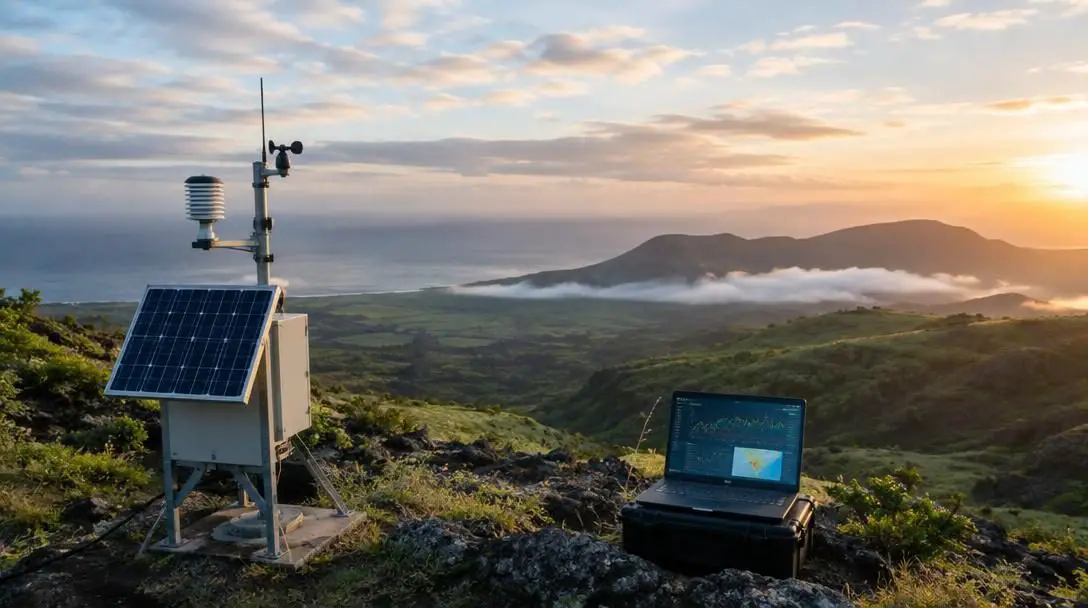
Climate change stands among the most formidable challenges facing humanity, evident in rising sea levels, accelerating ecosystem shifts, and increasingly frequent extreme weather events. Because human industrial operations and resource consumption have intensified environmental imbalances, finding verifiable mechanisms to curb greenhouse gas emissions and safeguard natural habitats has become urgent. Historically, environmental measurement depended on isolated field readings, localized ground sensors, and manual calculations that struggled to capture planetary dynamics. Today, digital technology serves as a vital bridge between raw scientific observation and effective ecological stewardship.
Modern computing functions as the central nervous system for environmental science and conservation policy. At its fundamental level, computing processes massive datasets, reveals hidden systemic patterns, and organizes complex variables into coherent simulations. By converting planetary-scale data streams into actionable strategies, computing allows researchers, industry leaders, and public officials to move away from speculative measures and implement precise, data-driven climate interventions.
Key takeaways
- Advanced computing transforms massive streams of environmental data into actionable interventions for emissions reduction and ecological protection.
- Machine learning and artificial intelligence can scan satellite imagery to detect localized deforestation and pinpoint high-emission industrial zones.
- Digital simulations enable engineers to test renewable energy siting and subsurface carbon storage without requiring costly physical trials.
- Sensor-driven smart agriculture reduces water waste and preserves soil health through real-time monitoring of field conditions.
- Computational models are decision-support instruments that require quality data inputs and physical real-world execution to achieve genuine emissions reductions.
How Computational Systems Decode Planetary Systems
Addressing the climate crisis requires an intimate understanding of how the atmosphere, oceans, and land surfaces interact. Modern computing achieves this through two foundational disciplines: data analytics and dynamic modeling, and artificial intelligence paired with machine learning. Together, these tools process high-frequency observations collected across decades and continents, allowing researchers to evaluate trends that human observation alone cannot identify.
Through artificial intelligence and machine learning algorithms, computational networks evaluate massive datasets to spot subtle correlations and environmental degradation patterns. For instance, algorithmic evaluation of satellite imagery allows systems to track forest cover loss in near real-time and identify geographic hotspots with disproportionate carbon output. Rather than conducting sporadic ground audits, institutions can deploy automated computational platforms that continuously survey the biosphere and pinpoint where intervention is most urgent.
Key Applications of Computing in Climate Action
The practical deployment of computational technology extends across diverse sectors of the global economy, helping optimize natural resource consumption, minimize carbon footprints, and enhance systemic efficiency.
| Application Domain | Core Computational Function | Target Environmental Outcome |
|---|---|---|
| Climate Modeling and Forecasting | Simulating atmospheric and oceanic shifts over time | Predicting climate patterns and evaluating biosphere shifts |
| Analysis of Climate Data | Synthesizing high-frequency monitoring observations | Identifying emissions hotspots and tracking trends |
| Renewable Energy Sourcing | Evaluating geographic and atmospheric conditions | Optimizing site placement for wind and solar generation |
| Carbon Capture and Storage | Simulating subsurface chemical and gas dynamics | Safely isolating captured industrial carbon emissions |
| Smart Agriculture and Land Management | Analyzing sensor metrics on soil and vegetation health | Minimizing irrigation waste and preserving biodiversity |
| Green Transportation | Coordinating transit routing and vehicle telemetry | Lowering municipal emissions and reducing congestion |
Climate Modeling and Forecasting
Climate modeling and forecasting represent some of the most computationally demanding tasks in modern science. By constructing multidimensional models that simulate the Earth's climate system, researchers can observe how shifts in atmospheric chemistry influence weather patterns, ocean currents, and ice sheet stability. These computational simulations allow experts to explore various environmental dynamics and evaluate the potential consequences of shifts across the biosphere. The resulting forecasts offer governments and organizations the clarity required to formulate long-term mitigation policies and protect vulnerable populations from ecological disruption.
Analysis of Climate Data
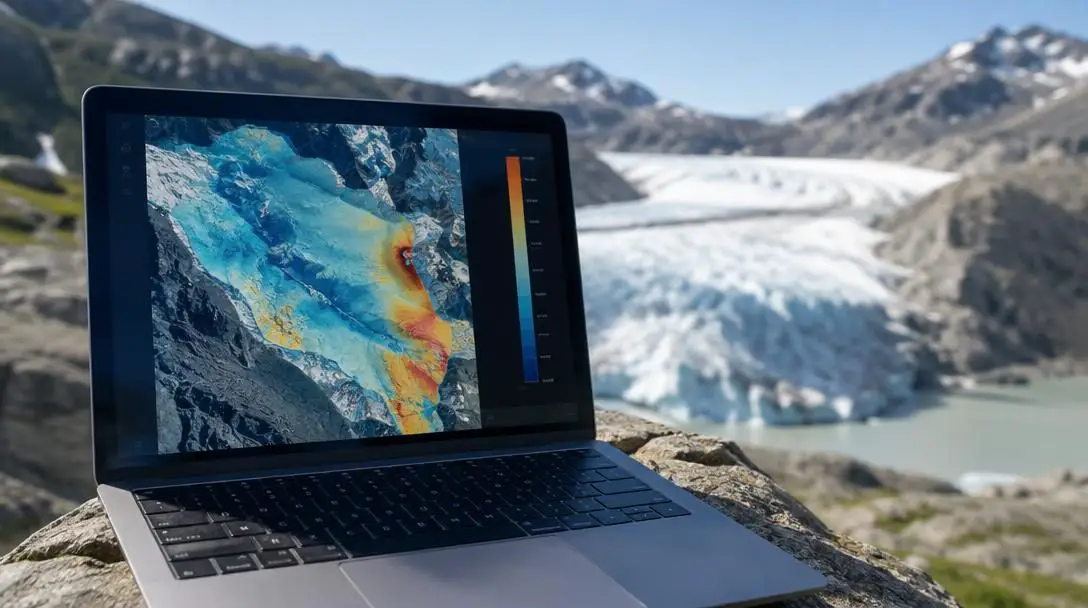
The volume of environmental information gathered by orbital satellites, oceanic probes, and atmospheric monitors is far too vast for manual assessment. Computing provides the analytical architecture necessary to sift through these complex data streams, finding trends and anomalies that would otherwise remain obscured. By examining historical and real-time records, computational tools help scientists determine which industrial processes produce the heaviest emissions burdens. This analytical precision ensures that environmental policies target root causes rather than secondary symptoms.
Development of Renewable Energy Sources
Transitioning away from fossil fuels depends on maximizing the efficiency of wind and solar installations. Because weather conditions vary constantly, computing is used to identify geographic areas where solar radiation and wind velocities are most consistent and powerful. Analytical software tools help planners align energy collection systems with ideal atmospheric and geographic conditions, minimizing capital waste and accelerating the integration of clean power into regional utility grids.
Carbon Capture and Storage
Carbon capture and storage involves capturing greenhouse gases directly from industrial facilities and depositing them deep underground to prevent atmospheric warming. Computational modeling plays an indispensable role in this engineering challenge by simulating how gases behave under high pressures within geologic formations. Digital simulations assist engineers in testing storage security and gas migration patterns beneath the Earth's surface without requiring dangerous or wasteful physical trials.
Computational simulations allow scientists and engineers to test complex environmental interventions safely before committing real-world capital and labor.
Smart Agriculture and Land Management
Agricultural operations consume vast amounts of freshwater and account for a significant share of land-use disruption. Smart agriculture incorporates automated data analytics, machine learning, and Internet of Things sensors to refine traditional farming methods. Sensors embedded in fields monitor soil moisture levels, nutrient balances, and local ambient temperatures. Algorithms process these field metrics to optimize irrigation practices, ensuring crops receive only the water necessary for peak health. This computational coordination reduces water waste, increases crop yields, and helps maintain biological diversity and soil health across productive agricultural regions.
Green Transportation
Urban transit networks generate a substantial portion of global greenhouse gas emissions through traffic congestion and inefficient transit planning. Computational platforms address this footprint by analyzing traffic flows, freight logistics, and vehicle emissions data in real time. Municipalities use these systems-level insights to reconfigure signal timing, minimize vehicle idling, and optimize public transportation routes. Furthermore, digital tools support the transition to electric mobility by managing charging network distribution and powering ride-sharing applications that decrease the total volume of single-occupant passenger vehicles on municipal roadways.
Practical Steps for Implementing Computational Climate Solutions
Organizations and municipalities seeking to implement computing-based environmental projects must proceed methodically to avoid wasted resources and achieve verifiable reductions in environmental impacts.
- Establish Clear Environmental Objectives: Define the precise outcome the project seeks to achieve before investing in hardware or code, such as lowering municipal transit fuel use, tracking forest canopy preservation, or monitoring industrial emissions.
- Gather and Standardize Quality Data: Aggregate environmental metrics from reliable sources, including satellite photography, localized field sensors, and emissions logs. Ensure inputs are cleaned, standardized, and continuously updated.
- Implement Targeted Analytics and Models: Select the computational architecture best fitted to the objective, such as deploying machine learning for satellite image review, building numerical climate models, or using predictive analytics for energy forecasting.
- Translate Findings into Practical Interventions: Convert analytical discoveries into direct physical actions, such as rerouting transit fleets away from congested choke points or retrofitting industrial systems identified as high-emission sources.
- Monitor Results and Refine Systems: Treat every computational project as an iterative feedback loop, continuously comparing real-world field measurements against model forecasts to tune algorithms and sensors over time.
Common Mistakes to Avoid in Computing-Driven Climate Projects
While computing offers formidable analytical leverage, improper deployment can severely undermine its environmental utility. Project managers and researchers should avoid several widespread mistakes:
- Relying on Low-Quality Data: Algorithmic predictions are only as dependable as the information feeding them. Incomplete sensor records, noisy satellite images, or irregular emissions data produce flawed models that mislead conservation efforts.
- Treating Computing as a Complete Solution: Digital simulations, predictive models, and software dashboards do not remove carbon from the air on their own. Computing is an optimization tool; real-world emissions reductions require corresponding policy adjustments, engineering projects, and physical actions.
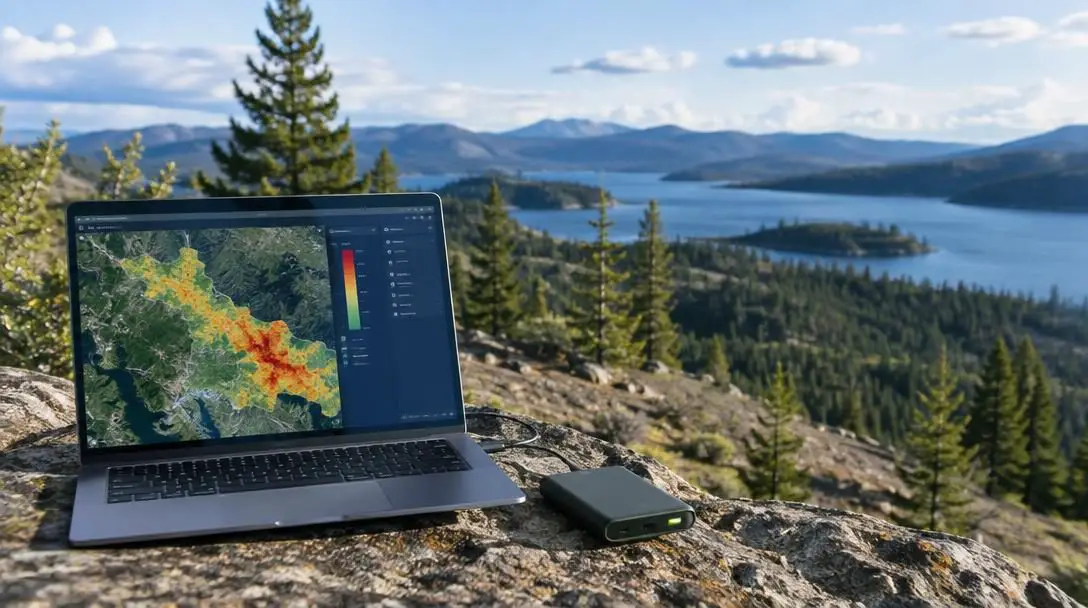
- Overlooking Practical Deployment Constraints: Sophisticated machine learning systems require reliable electrical power, specialized processing hardware, and stable internet access. Deploying digital agriculture tools or remote emissions sensors without considering rural connectivity or hardware durability leads to equipment failure.
- Failing to Target Specific Problem Areas: Broad initiatives that gather environmental data without focused objectives waste computational power and organizational funding. Projects must concentrate on well-defined challenges, such as locating deforestation in specific forest boundaries or determining optimal wind turbine spacing.
Looking Ahead: Strategic Priorities for Computational Environmentalism
To maximize the long-term impact of computing on climate change, future initiatives must emphasize strategic integration across several fronts. First, interdisciplinary cooperation must expand. Software engineers and data scientists must work directly alongside soil scientists, climate researchers, agriculturalists, and municipal leaders to ensure algorithmic outputs reflect physical ecological realities.
Second, organizations must prioritize systemic scalability. Digital solutions that prove successful during localized trials—such as sensor-based irrigation or automated satellite deforestation alerts—must be engineered so they can scale to regional and national frameworks without computational bottlenecks. Finally, continuous long-term evaluation is critical. Because planetary dynamics evolve as atmospheric carbon levels fluctuate, climate models and energy-siting algorithms require ongoing calibration against fresh empirical observations to maintain analytical accuracy.
Frequently asked questions
How does computing help reduce carbon emissions?
Computing processes vast amounts of data to identify carbon emission hotspots, model complex atmospheric dynamics, optimize renewable energy placement, and coordinate green transportation systems to reduce overall energy waste.
What role does artificial intelligence play in climate change research?
Artificial intelligence and machine learning evaluate complex datasets, identify hidden environmental patterns, and automate monitoring tasks, such as scanning satellite imagery to pinpoint illegal deforestation and high industrial emissions.
Can computing improve renewable energy generation?
Yes. Analytical software evaluates geographic and atmospheric variables to identify optimal locations for wind and solar installations, helping planners align power generation facilities with the most favorable weather conditions.
How does smart agriculture assist the environment?
Smart agriculture deploys connected sensors and machine learning to track soil moisture levels and crop requirements, allowing farmers to reduce water consumption, optimize fertilizer application, and preserve soil health.
Is computing alone enough to stop climate change?
No. Computing is a decision-support and modeling tool that reveals where and how to intervene. Real emissions reductions require physical actions, such as building clean energy infrastructure, passing regulatory policies, and altering industrial operations.
The bottom line
Computing is not an environmental panacea, but it is one of the most effective tools humanity has to analyze and mitigate ecological disruption. By uniting data analytics, artificial intelligence, and physical simulations, computational systems replace guesswork with scientific precision. When deployed with high-quality data and paired with real-world infrastructure investments, digital tools provide the strategic clarity needed to curb emissions and safeguard planetary stability for generations to come.