How to Earn Money Playing Video Games
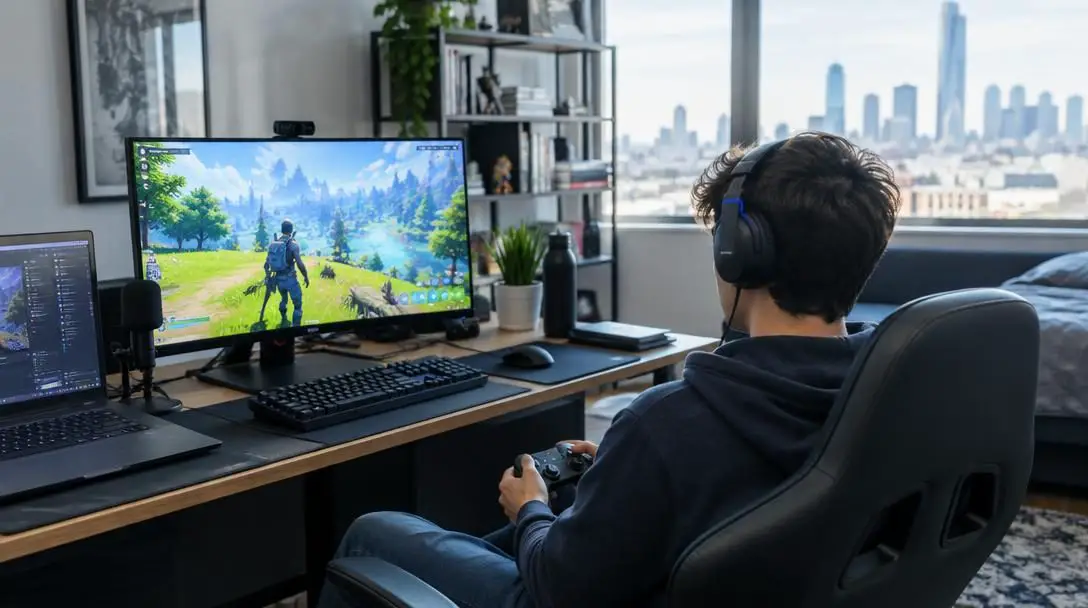
For decades, video games were treated almost exclusively as home entertainment, confined to living room consoles, personal computers, and neighborhood arcades. As the video game industry expanded into a global economic powerhouse, it reshaped how people interact with digital media, transforming casual leisure into viable financial opportunities. Today, dedicated players can leverage their technical aptitude, competitive drive, or on-screen charisma to earn supplemental income or completely replace a traditional career.
Transitioning from a casual hobbyist to a paid gaming specialist requires deliberate focus, time investment, and an honest assessment of your abilities. Monetization takes several distinct forms, ranging from rigorous software quality assurance to educational instruction, live entertainment broadcasting, and high-stakes tournament competition. By matching your individual strengths with the right business model, you can navigate the modern gaming economy and establish a durable income stream.
Key takeaways
- Video game monetization spans technical software analysis, one-on-one coaching, content broadcasting, and professional tournament play.
- Game testers evaluate unreleased titles by isolating technical bugs, attempting to break game balance, and identifying monotonous segments.
- Gaming coaches differ from traditional athletic trainers because they actively play alongside their clients to analyze live decision-making.
- Streaming on platforms like Twitch and YouTube demands varied editing styles, distinctive gameplay tricks, and consistent audience engagement to yield sustainable revenue.
- Professional tournament earnings depend strictly on winning competitions hosted by circuits like Major League Gaming and Intel Extreme Masters.
At a glance: Four primary monetization paths
Each commercial pathway within the gaming ecosystem requires a specific balance of mechanical skill, interpersonal communication, and analytical thinking. Before committing resources toward a specific track, review how these opportunities compare across their primary operational demands and revenue mechanisms.
| Monetization Path | Primary Role | Revenue Source | Core Focus |
|---|---|---|---|
| Game Tester | Quality assurance and evaluation | Employer compensation / studio contracts | Bug isolation and identifying boring areas |
| Gaming Coach | Direct instruction and player development | Client fees / independent business earnings | Active co-op play and tactical analysis |
| Game Streamer | Entertainment and video production | Platform earnings and audience viewership | Showcasing special tricks and engaging formats |
| Professional Gamer | High-level arena competition | Tournament prize money | Mastery of mechanics and match victories |
Key paths to monetizing your gaming skills
To establish a consistent income stream from gaming, you must align your daily efforts with a recognized industry role. Players generally choose one of four primary disciplines based on whether they excel at technical troubleshooting, teaching, public performance, or elite competitive execution.
Game Tester
Working as a game tester, or beta tester, is an ideal route for players seeking to shift career paths or replace an existing full-time income. Rather than playing for sheer enjoyment, a tester approaches an unreleased title with a critical, investigative mindset. Your primary objective is to discover software glitches, uncover graphic anomalies, and expose balance oversights before the product reaches retail shelves.
Beyond finding coding errors, game testers actively search for methods to break the game mechanics. Studios also rely on testers to identify problem areas where progression stalls, pacing drags, or repetitive gameplay causes players to lose interest and quit out of boredom. By testing titles throughout development, you gain hands-on access to upcoming releases while being financially compensated for your technical feedback.
A game tester does not simply enjoy an unreleased title, but analyzes it critically to isolate glitches, exploit bugs, and pinpoint where gameplay becomes boring.
Gaming Coach
As competitive multiplayer titles grow in popularity, demand has surged for skilled players capable of teaching others. Becoming a gaming coach allows you to establish an independent service business built around your tactical expertise. You can work with a broad spectrum of clients, ranging from complete beginners looking to understand fundamental mechanics to experienced competitors seeking an edge in advanced play.
Coaching in video games differs from conventional athletic coaching in one major aspect: you routinely play the game directly alongside or against the person you are teaching. This active participation allows you to observe real-time decision-making, demonstrate correct positioning, run targeted drills, and provide immediate feedback within the live virtual environment.
Game Streamer
Players with expressive personalities or exceptional flair often find success by streaming their gameplay on services such as Twitch and YouTube. Broadcasters monetize their channels by providing live commentary, interacting with chat audiences, and producing recorded video guides or highlight reels.
Because thousands of creators broadcast daily, standing out requires more than standard gameplay. Successful streamers capture attention by executing high-difficulty tricks, mastering niche strategies, and experimenting with creative video editing styles. Income potential in streaming varies widely, meaning creators must treat their channels like media brands by continually testing new content formats to see what resonates with viewers.
Professional Gamer
Professional esports represents the most direct, performance-driven tier of gaming monetization. A professional gamer participates in organized, high-visibility tournaments coordinated by established leagues such as Major League Gaming and Intel Extreme Masters. These events take place in live arenas or structured online brackets, drawing global audiences through digital broadcasts.
In this arena, compensation is tied directly to competitive success. Organizations award prize pools to top finishers, meaning your earning capacity mirrors your ability to defeat world-class opponents. As a result, professional gaming requires absolute mastery of a specific title; experimenting with games you are still learning is not an option when facing elite competitors.
How each operational model works behind the scenes
While all four disciplines involve playing video games, their day-to-day operations could not be more distinct. Knowing the underlying mechanics of each path helps you set realistic expectations before dedicating substantial time to a new venture.
In quality assurance and testing, gameplay is methodical, structured, and repetitive. You may spend hours walking a character against specific walls, testing hitboxes, or cycling through every menu option in varied sequences to confirm stability. Once a bug or performance flaw is uncovered, the tester must write a precise report detailing the exact steps required to replicate the problem so programming teams can resolve it.
In coaching operations, success depends on customer service, structured communication, and diagnostic skill. You must evaluate a client's gameplay footage, identify recurring errors in their execution, and design custom practice regimens. Because you are playing alongside the client, you must balance your own in-game execution with constant, supportive verbal guidance.
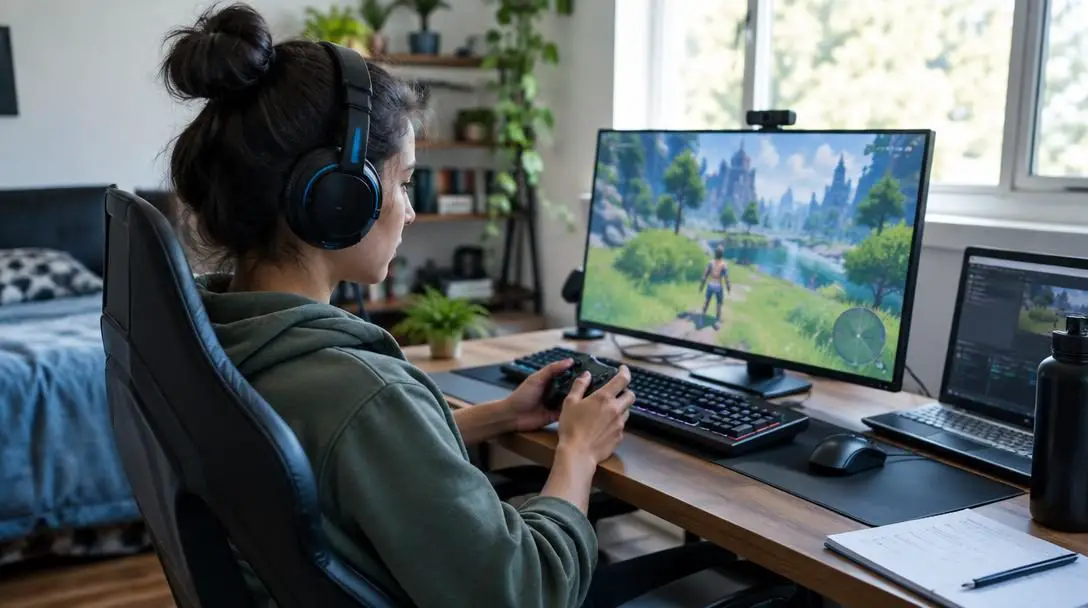
In streaming and digital video production, the job extends far past the game window. Streamers must configure audio mixing boards, manage capture cards, monitor broadcast latency, and maintain an active presence on camera. Post-broadcast duties often include cutting long footage into digestible highlights, designing engaging thumbnails, and analyzing viewer retention metrics across platforms like YouTube.
In professional competitive esports, the framework resembles professional sports. Players adhere to demanding practice schedules, run scrimmages against rival teams, analyze opponent tendencies, and travel to physical arena venues managed by organizations like Intel Extreme Masters and Major League Gaming. Income instability is an inherent factor, as compensation hinges on winning brackets under high-pressure conditions.
Step-by-step roadmap to start earning
Entering the gaming industry requires an intentional, step-by-step strategy. Rushing forward without a defined plan often results in wasted effort and early burnout. Follow this organized progression to lay the foundation for your gaming venture:
- Audit your personal strengths: Determine whether your talents align with technical software analysis, interpersonal teaching, entertaining public broadcasts, or high-pressure competitive play.
- Select a single, mastered title: Rather than spreading your attention across multiple genres, commit entirely to one game where your skill level, game knowledge, and mechanical precision are fully developed.
- Assemble the required technical equipment: Secure reliable hardware appropriate for your target path, such as quality communication headsets for coaching, broadcast software and recording tools for streaming, or high-performance peripherals for competitive play.
- Establish your professional presence: Register accounts on broadcasting networks like YouTube and Twitch, reach out to game development studios seeking beta testers, create clear coaching lesson plans, or register for entry-level qualifiers through Major League Gaming circuits.
- Iterate on presentation and feedback: Regularly evaluate your results. If you stream, refine your video editing and highlight your best tricks; if you coach, adjust your feedback methods to match your client's learning speed; if you compete, review tournament matches to fix tactical weaknesses.
Frequent mistakes that derail aspiring gaming professionals
Many players attempt to monetize their gaming hobby but abandon the effort within a few months. Most setbacks stem from avoidable errors in strategy, unrealistic expectations, and a misunderstanding of how the commercial gaming landscape functions.
- Entering competitive tournaments prematurely: Signing up for brackets organized by Major League Gaming or Intel Extreme Masters before mastering every mechanic results in immediate elimination and wasted entry fees.
- Confusing game testing with casual recreation: Beta testing is rigorous software evaluation. Players who treat testing sessions like relaxing entertainment fail to log critical bugs or properly assess gameplay pacing.
- Anticipating overnight streaming revenue: Earnings on Twitch and YouTube grow gradually. Assuming that simply broadcasting standard gameplay will provide immediate income ignores the need for creative editing, unique content, and long-term audience cultivation.
- Failing to showcase unique differentiators: With thousands of streamers playing identical titles, creators who fail to display special tricks, innovative strategies, or distinct personalities blend into the background.
- Ignoring the interpersonal demands of coaching: High mechanical skill does not automatically make someone a great instructor. Coaches who fail to listen to their clients, articulate concepts clearly, and maintain patience will struggle to retain paying students.
- Assuming income is guaranteed: Outside of contracted quality assurance roles, gaming revenue is variable. Relying solely on tournament prize pools or unpredictable streaming tips without a financial safety net creates unnecessary stress.
Frequently asked questions
Can game testing truly replace a traditional income?
Yes. Game testing can serve as a viable way to replace your current income or begin a new career path within the game development industry. Unlike speculative paths like streaming or esports, studios hire testers to perform structured quality assurance on unreleased titles, paying them to locate bugs, break software balance, and evaluate gameplay engagement.
How does a gaming coach differ from a traditional sports coach?
While traditional sports coaches primarily instruct from the sidelines, a gaming coach actively plays the game with or against their clients. This direct in-game participation allows the coach to demonstrate tactics in real time, analyze decision-making during active matches, and tailor feedback for both beginners and aspiring tournament players.
What equipment do you need to earn money streaming video games?
To monetize gameplay on platforms like YouTube or Twitch, you need capable broadcasting software, reliable recording tools, clear audio equipment, and access to video editing software. Successful streaming also relies on showcasing special tricks and producing distinctive video styles that help your channel stand out from competitors.
What organizations host professional gaming competitions?
Major competitive events are operated by dedicated esports organizations such as Major League Gaming and Intel Extreme Masters. These organizations coordinate tournaments in physical arenas and through digital broadcasts, offering prize pools to competitors who outperform rival players.
Should you quit your job to pursue professional gaming full-time?
It is generally safer to treat gaming as a supplemental income stream first. Professional tournament payouts depend strictly on winning matches, while streaming earnings require time to grow alongside an audience. Transitioning full-time is best reserved for when your gaming revenue consistently matches or exceeds your living expenses.
The bottom line
Transforming video games from an entertaining pastime into a financial asset is an achievable goal, provided you approach the industry with discipline, patience, and realistic expectations. Whether you choose to help developers refine unreleased software as a beta tester, mentor rising players through active coaching, broadcast creative video content across YouTube and Twitch, or contest arena championships in Major League Gaming events, success requires measurable competence.
Before making radical lifestyle changes, assess your skills honestly and determine whether monetization should begin as a side venture. Focus on mastering your chosen titles, pay close attention to audience or client feedback, and continually refine your approach. By pairing a strategic plan with persistent execution, you can build a sustainable, rewarding presence within the growing gaming economy.