Scrabble Mania: History of the World’s Favorite Word Game
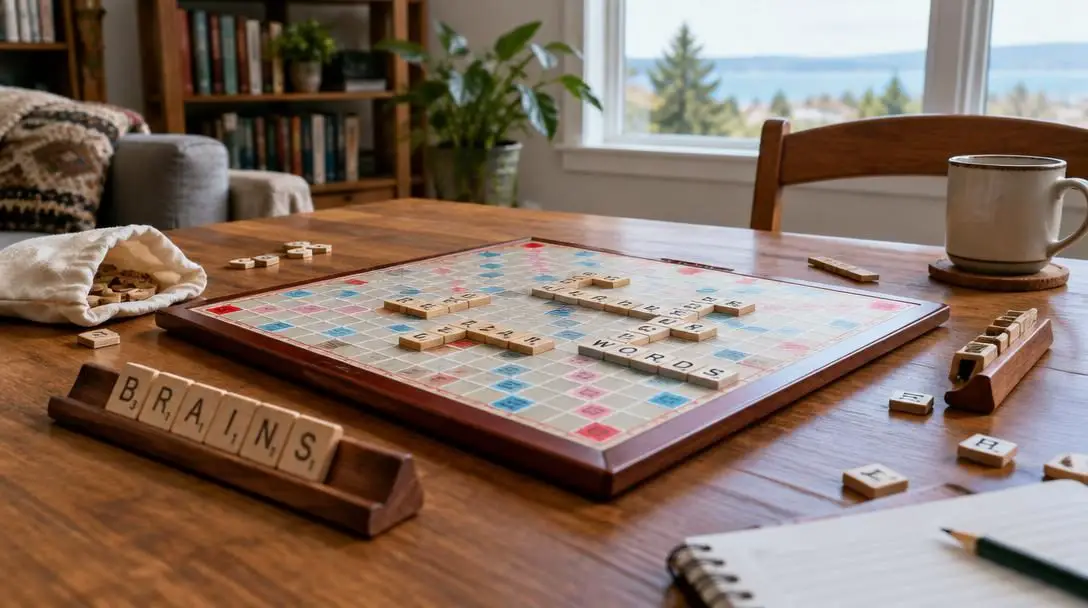
Every single day across more than 120 countries, millions of people sit down to match wits over a grid of letter tiles. From competitive tournaments and casual kitchen-table duels to digital showdowns on the Scrabble GO application, the game has established itself alongside enduring classics such as Monopoly and Connect Four. Its lasting power spans multiple generations, bridging linguistic puzzles with tactical spatial planning.
Yet this international staple did not emerge from a corporate boardroom or a focus group. It was born out of economic hardship during the Great Depression, nurtured by an unemployed architect, and rescued from obscurity through sheer persistence and grassroots enthusiasm. Exploring its origins, operational design, and strategic nuances reveals how simple wooden tiles transformed into one of the most celebrated board games in modern history.
Key takeaways
- Scrabble was invented in the 1930s by unemployed New York architect Alfred Mosher Butts, who wanted to combine linguistic skill with the element of chance.
- The game evolved through two earlier iterations, Lexiko and Criss-Cross Words, before entrepreneur James Brunot coined the name Scrabble and launched commercial production.
- A sudden retail surge in 1952, sparked by national word of mouth and Macy's department store orders, turned the struggling venture into an international hit.
- Today, Hasbro manages the brand, with more than 100 million sets sold globally and over one million games purchased annually in North America alone.
The architects of an enduring board game phenomenon
The journey from a homebrewed word puzzle to an internationally recognized brand depended on several determined individuals who protected and reshaped the game across decades of corporate transitions.
Alfred Mosher Butts
- Profession: Architect from New York
- Era of invention: 1930s Great Depression
- Key innovations: Tile frequency values, randomized tile draws, and grid bonus squares
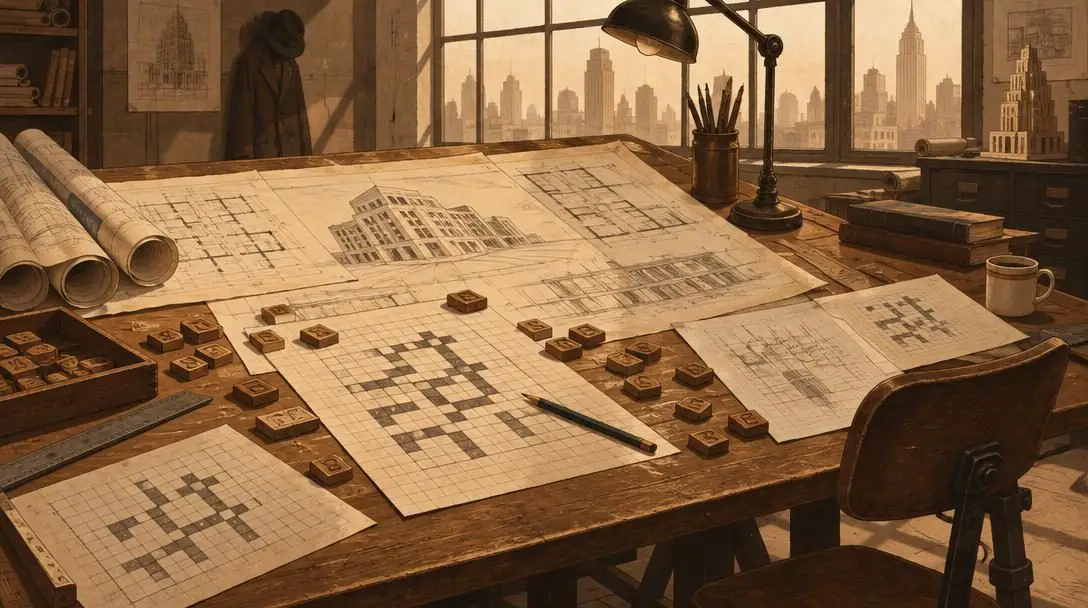
When Alfred Mosher Butts lost his architectural job during the Great Depression, he refused to remain idle. Analyzing the contemporary leisure landscape, he identified a distinct flaw in prevailing word games: they relied exclusively on vocabulary knowledge, offering no room for the unpredictability of luck. To rectify this imbalance, Butts engineered a system where players drew randomized letter tiles from a concealed pool. He spent countless hours analyzing newspaper front pages to determine the exact frequency and relative rarity of letters in the English language, translating those metrics into assigned point values.
James Brunot
- Role: Entrepreneur and manufacturing partner
- Major contribution: Renamed the concept Scrabble and refined the rules
- Breakthrough milestone: 1952 national sales explosion
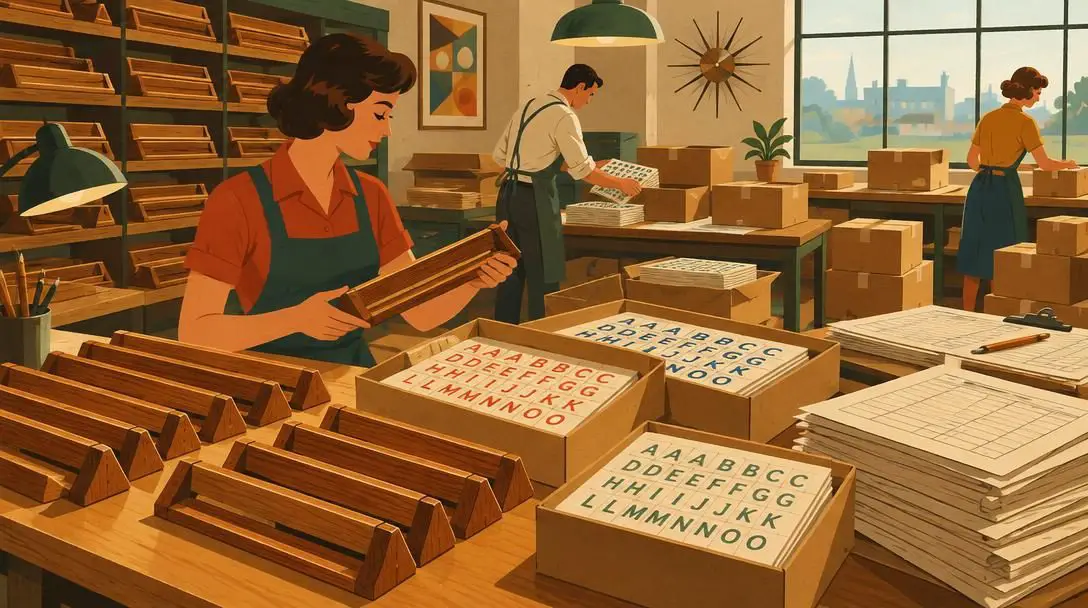
Despite Butts' meticulous craftsmanship, established game manufacturers such as Milton Bradley and Parker Brothers repeatedly turned down his pitches. The concept found new life when Butts partnered with James Brunot, an entrepreneur who recognized the raw potential of the mechanics. Brunot made minor adjustments to the design, streamlined the operational flow, and bestowed upon the game its defining title: Scrabble. While the venture operated at a loss in its earliest stages, Brunot's unwavering dedication kept the printing tables running until word-of-mouth recommendations triggered an unprecedented retail run.
Harriet T. Righter
- Role: Businesswoman and trademark custodian
- Tenure: Owned the Scrabble trademark until 1982
- Subsequent owners: Coleco (1984) and Hasbro
As Scrabble transitioned from a novelty to a permanent fixture of popular culture, its commercial stewardship passed into new hands. Businesswoman Harriet T. Righter acquired the trademark and safeguarded the brand through its golden era of domestic expansion, retaining ownership until her death in 1982. Two years later, the trademark was acquired by Coleco, a company widely recognized for its electronic toys and video games. Following Coleco's eventual collapse, the property was purchased by Hasbro, which continues to guide the game's manufacturing, digital licensing, and global distribution.
From Lexiko to Scrabble: The evolution of the format
Before achieving the balanced layout recognized by households today, the game underwent three distinct phases of design and refinement. Butts tinkered continuously with letter counts, distribution rates, and scoring incentives to prevent games from stalling or favoring cheap grammatical tricks.
| Game version | Lead developer | Primary innovation | Board format |
|---|---|---|---|
| Lexiko | Alfred Mosher Butts | Tile point weighting based on letter frequency in print | Played without an interactive grid board |
| Criss-Cross Words | Alfred Mosher Butts | Introduction of bonus spaces and anti-plural safeguards | Specialized board layout introduced in 1938 |
| Scrabble | James Brunot & Alfred Mosher Butts | Finalized rules, refined board pacing, and nationwide commercial rollout | Classic grid featuring center star and dedicated premium squares |
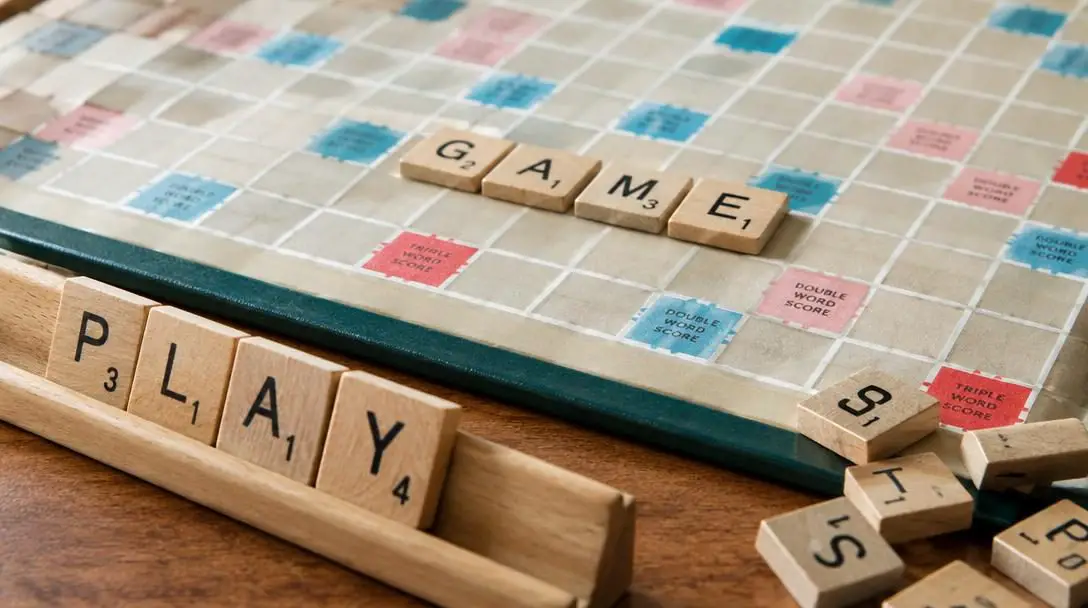
The initial release, Lexiko, had no central board at all; players held letter tiles and formed individual words independently. Recognizing that direct interaction added greater competitive tension, Butts introduced Criss-Cross Words in 1938. This intermediate format introduced the specialized grid, balanced the rules to curb an overabundance of plural words ending in "S", and debuted the double and triple bonus squares that reward sharp spatial awareness.
By combining deliberate letter frequency with the chance of a blind tile draw, Alfred Mosher Butts ensured that a player's tactical adaptability mattered just as much as their vocabulary.
When Brunot took over production, he retained Butts' original mathematical framework while clarifying the game's presentation. By 1952, three years after Scrabble reached the broader public, retail giant Macy's embraced the game ahead of the Christmas shopping season. Demand quickly exceeded Brunot's independent capacity, forcing him to partner with larger industrial distributors to satisfy orders across the United States.
Core mechanics and design principles
The timelessness of Scrabble lies in its friction between personal vocabulary and board control. Every match relies on several foundational pillars that govern tile placement and scoring:
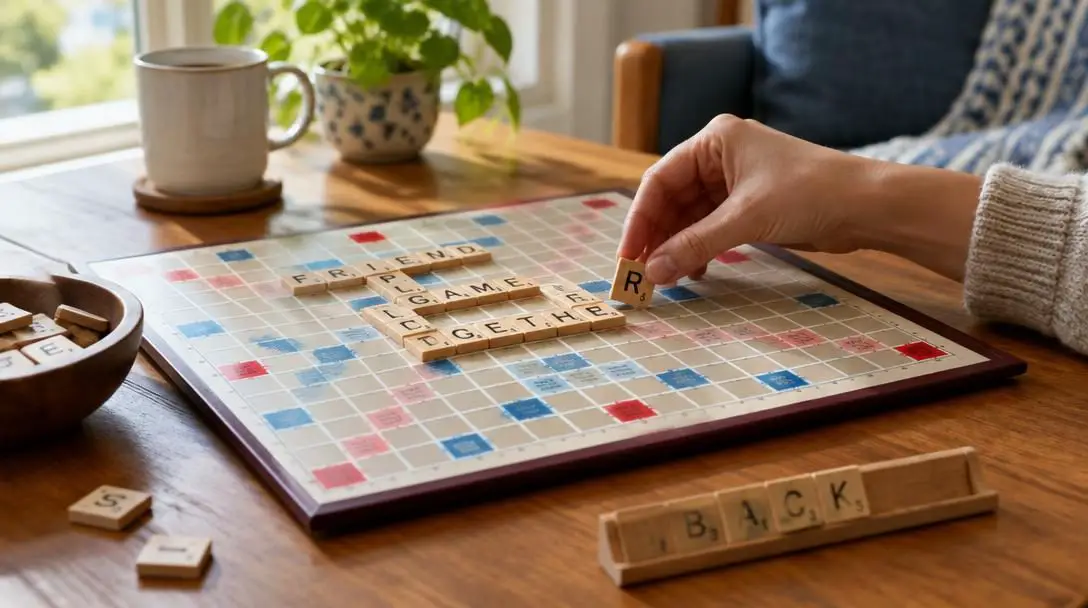
- The Letter Grid: The playing area features a symmetrical grid containing double letter, triple letter, double word, and triple word score spaces. Maneuvering high-scoring letters onto these premium coordinates forms the basis of competitive play.
- Point Distributions and Blanks: High-frequency letters such as vowels carry low values, whereas difficult consonants like "Q" and "Z" yield substantial rewards. Two blank tiles act as wildcards, substituting for any letter on the board while carrying zero baseline points.
- Concealed Tile Draws: Hidden tile draws introduce an element of chance, requiring players to build coherent words out of an unpredictable seven-tile rack.
- Interlocking Crossword Structure: Every newly played word must connect horizontally or vertically to existing tiles. Any adjacent letters brought together must form complete, valid words according to the agreed-upon standard.
- Dedicated Lexicons: While early matches relied on general household dictionaries, competitive needs led to the release of The Official Scrabble Players Dictionary in 1978. Updated editions periodically integrate modern usage and resolve spelling ambiguities.
How to play a standard game of Scrabble
Setting up and playing a standard match follows a logical, turn-by-turn sequence that balances private tile management with shared board construction.
- Establish the reference dictionary: Confirm which print or digital word source will govern challenges and word verifications throughout the session.
- Determine turn order and draw starting racks: Place all tiles into an opaque cloth bag. Each player draws one tile; the player with the letter closest to the beginning of the alphabet plays first. Return those tiles to the bag, shake it, and have each player draw seven tiles onto their personal rack.
- Execute the opening placement: The starting player forms a word of two or more letters and places it across the center star. The star acts as a double word score, doubling the opening play's point total.
- Replenish the tile rack: At the close of each turn, tally the points earned, declare the running total, and draw replacement tiles from the bag until the rack holds seven letters.
- Connect subsequent words: Subsequent players expand the board by attaching new letters to existing plays in horizontal or vertical lines, verifying that all adjacent letter intersections form valid words.
- Manage word challenges: If an opponent doubts the legitimacy of a placed word, they may issue a challenge before the next turn starts. Check the word against the chosen reference; if the word is invalid, the player removes their tiles and forfeits their turn.
- Conclude play and subtract remaining points: Play continues until the bag is empty and one participant uses their final tile, or until all possible plays are exhausted. Each player subtracts the unplayed point values remaining on their rack from their score, and the highest final score wins.
Common strategic mistakes to avoid
Novice players frequently succumb to predictable habits that undermine their scoring potential and hand high-value openings to their rivals. Steering clear of these pitfalls makes an immediate impact on game results:
- Chasing word length over board geography: A long word placed across ordinary squares often scores far less than a compact four-letter word strategically placed across a triple letter or double word square.
- Leaving premium squares exposed: Ending a word right next to an unoccupied triple word score creates an open invitation for an opponent to secure a game-changing tally on the following turn.
- Ignoring two-letter word linkages: Overlooking short two-letter words prevents players from playing parallel to existing words, a technique that allows a single placement to score multiple words simultaneously.
- Hoarding difficult consonants: Keeping high-value letters on your rack for multiple turns while waiting for a dream opening clogs rack mobility, leaving you stranded without vowels or functional combinations.
- Relying on informal vocabulary: Assuming colloquial slang or casual verbal shorthand will pass inspection frequently leads to lost turns under formal challenge rules.
Pathways to advance your play
Once players master the fundamentals, several focused habits help build intermediate and advanced board competence:
- Memorize essential short words: Studying official lists of acceptable two-letter and three-letter words provides reliable escape routes when racks become awkward or congested.
- Practice proactive rack balancing: Instead of focusing exclusively on the points scored in the immediate turn, consider what tiles remain behind. Striving to preserve a balanced ratio of vowels to consonants guarantees scoring consistency.
- Utilize digital sparring tools: Engaging in matches on platforms like Scrabble GO allows players to test unconventional word combinations and sharpen their spatial recognition against players from around the globe.
- Participate in local clubs: Joining a community game night or a sanctioned Scrabble club exposes players to competitive clock management, strict challenge rules, and sophisticated board containment strategies.
Frequently asked questions
Who invented Scrabble and when was it created?
Scrabble was created by Alfred Mosher Butts, an unemployed architect from New York, during the Great Depression in the 1930s. It was later refined and renamed by entrepreneur James Brunot.
What were the original names of Scrabble before its commercial release?
Before adopting the name Scrabble, the game was developed as Lexiko, which was played without a board, and later evolved into Criss-Cross Words, which introduced the dedicated grid layout in 1938.
What special bonus does the center space on the Scrabble board provide?
The center space, indicated by a star symbol, functions as a double word score, immediately doubling the point value of the opening word played in the match.
What happens if a player challenges a word on the board?
An opponent may issue a challenge before the next player takes their turn. The contested word is checked against the agreed-upon dictionary; if it is not a valid entry, the active player must retrieve their tiles and forfeits their turn.
Who currently owns the trademark rights to Scrabble?
Hasbro currently owns the trademark for Scrabble, having acquired it following earlier ownership periods by businesswoman Harriet T. Righter and the toy manufacturer Coleco.
The bottom line
The enduring success of Scrabble demonstrates the power of balanced game design. By blending linguistic exploration with calculated risk and spatial tactics, Alfred Mosher Butts and James Brunot designed a format that remains as compelling today as it was in the living rooms of the 1950s. Whether played casually on a kitchen table or competitively on a digital screen, every drawn rack presents a fresh intellectual puzzle waiting to be unraveled.