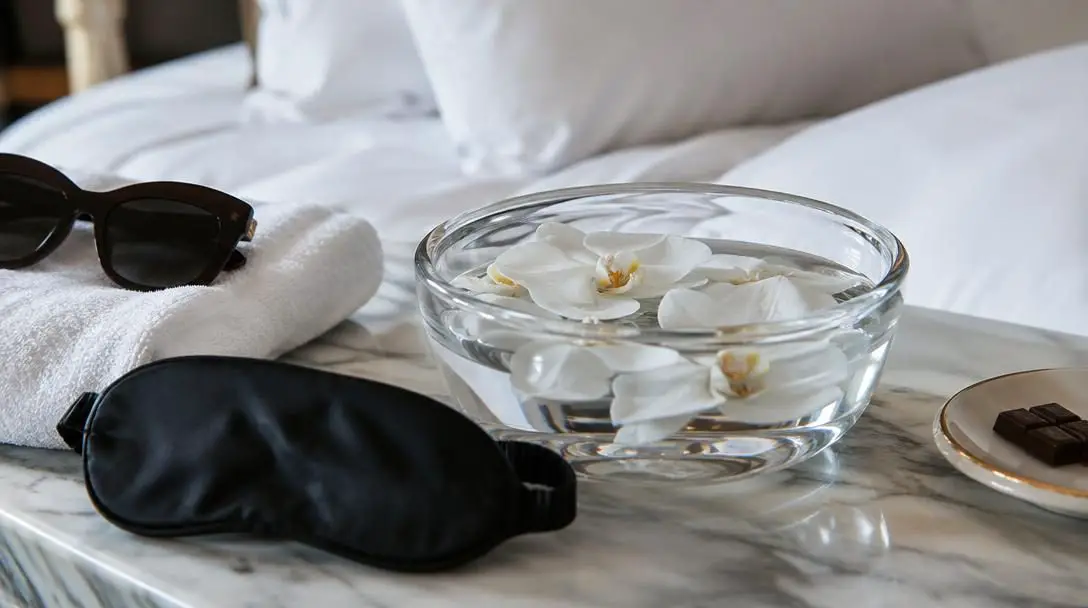
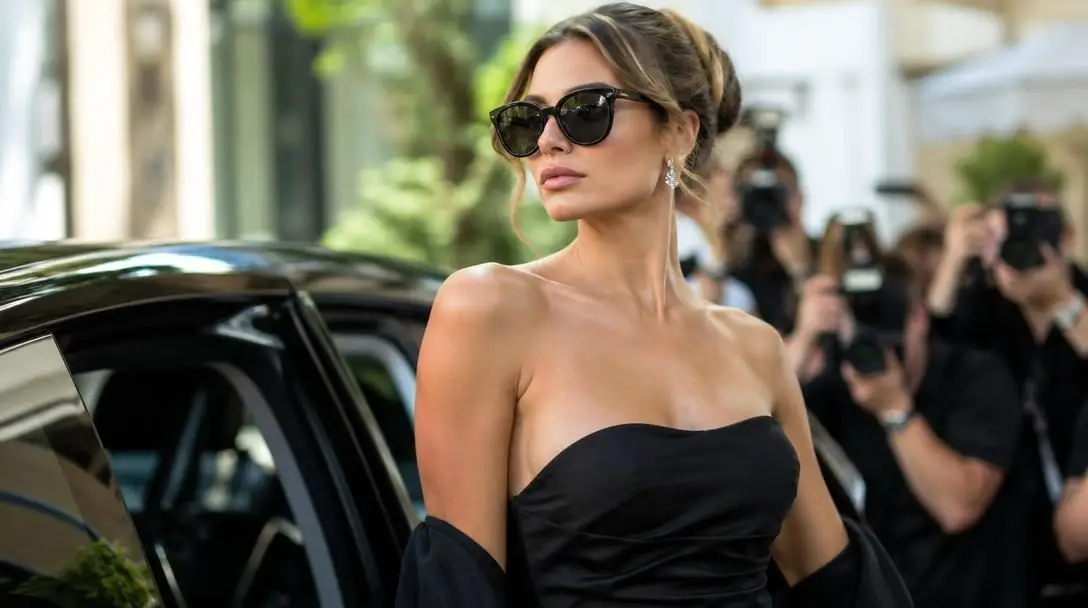
The 5 Craziest Celebrity Demands
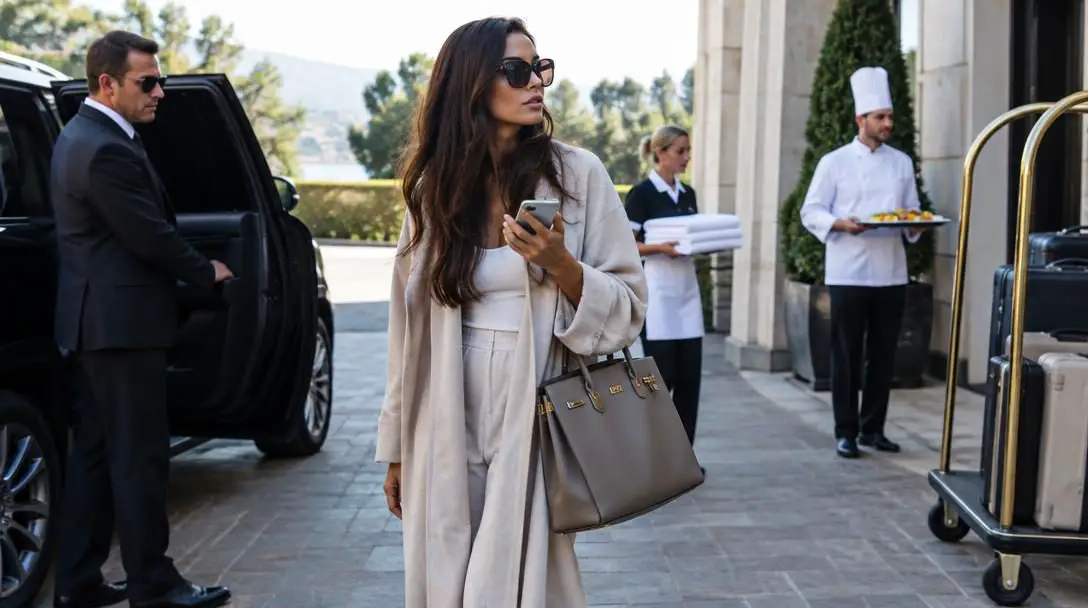
Behind the scenes of major concert tours and red-carpet premieres lies a hidden universe of complex logistics, contractual mandates, and backstage hospitality. For decades, audiences and media outlets have observed the peculiar backstage requirements of high-profile performers with a combination of amusement, bewilderment, and fascination. These specifications are formalized in legal and operational agreements known as contract riders. While technical riders govern essential soundboards, stage lighting, and audio equipment, hospitality riders dictate personal routines, catering requirements, and backstage room dressing, offering an intriguing glimpse into how elite performers prepare their personal sanctuaries before taking the stage. <div class="takeaways"> <h2>Key takeaways</h2> <ul> <li>Contract riders serve as legally binding operational roadmaps dividing technical stage equipment from personal hospitality requirements.</li> <li>Unusual rider requests often reflect an artist's desire for mental grounding, sensory comfort, strict dietary regimens, or unified aesthetic vision.</li> <li>Fulfilling backstage requirements demands months of advance logistical planning, specialty sourcing, and strict compliance with local venue regulations.</li> <li>Dismissing eccentric rider items or providing unauthorized substitutions can breach contracts and disrupt high-stakes live productions.</li> <li>Modern rider trends increasingly emphasize environmental sustainability, mental focus, and health-conscious alternatives over disposable extravagance.</li> </ul> </div> <h2>The Anatomy of Celebrity Contract Riders</h2> <p>To the average observer, celebrity backstage demands can easily appear to be little more than uncontrolled ego. However, within the live entertainment industry, <strong>contract riders</strong> serve an essential operational purpose. When touring performers travel from city to city, they enter unfamiliar venues with disparate layouts, local crews, and acoustic properties. Riders establish a predictable, controlled baseline so that artists can consistently perform at their highest professional standard.</p> <p>Historically, rider documents were straightforward checklists guaranteeing clean dressing rooms, basic meals, secure entrances, and functional audio gear. As arena tours evolved into multi-million-dollar global spectacles and artists gained unprecedented commercial leverage, riders expanded dramatically. Today, they encompass three primary subdivisions: technical riders, catering riders, and hospitality riders. Hospitality riders govern the artist's private environment, outlining precise requirements for lighting, room temperature, soft furnishings, floral decor, and specific brand items.</p> <aside class="callout note"> <strong>Good to know:</strong> Hospitality riders are legally binding attachments to a performance contract, meaning a venue promoter's failure to provide an agreed item can technically cause delays or result in a breach of contract. </aside> <p>Psychologists and production managers note that these specifications often provide critical psychological stability. High-profile performers endure continuous sensory overload, intense scrutiny, and exhaustive travel schedules. Transforming a generic concrete dressing room into a familiar, highly tailored sanctuary enables them to center themselves, safeguard their physical health, and focus entirely on stage delivery.</p> <h2>At a Glance: Eccentric Rider Requests</h2> <p>The following table outlines the unique specifications, stated motivations, and backstage applications for some of the most memorable demands in recent entertainment history.</p> <table> <thead> <tr> <th>Performer</th> <th>Core Demand</th> <th>Primary Purpose</th> <th>Backstage Focus Area</th> </tr> </thead> <tbody> <tr> <td>Mariah Carey</td> <td>White kittens and 20 white doves</td> <td>Dressing room presence and live stage release</td> <td>Hospitality room and live stage performance</td> </tr> <tr> <td>Beyoncé</td> <td>Titanium straws for alkaline water</td> <td>Health filtration and hydration maintenance</td> <td>Catering and stage-side vocal care</td> </tr> <tr> <td>Lady Gaga</td> <td>Mannequins with puffy pink pubic hair</td> <td>Artistic commentary and visual party aesthetic</td> <td>Event decor and venue atmosphere</td> </tr> <tr> <td>Jennifer Lopez</td> <td>Monochromatic all-white dressing room</td> <td>Cleanliness, purity, and calming ambiance</td> <td>Private dressing room transformation</td> </tr> <tr> <td>Kanye West</td> <td>100% cotton apparel for production staff</td> <td>Fabric durability, breathability, and aesthetic unity</td> <td>Production crew wardrobe protocol</td> </tr> </tbody> </table> <h2>Five of the Most Outrageous Backstage Demands</h2> <p>While many touring performers submit modest requests for fresh fruit or specific brands of tea, certain stars have become legendary for their elaborate, exacting, and unconventional stipulations.</p> <h3>Mariah Carey</h3> <ul class="facts"> <li><strong>Signature Demand:</strong> A basket of white kittens and a crate of 20 live white doves</li> <li><strong>Logistical Scope:</strong> Professional animal handlers and specialized staging crates</li> <li><strong>Primary Function:</strong> Dressing room ambiance and stage release during the performance</li> </ul> <p>Pop icon Mariah Carey has long embraced her larger-than-life persona, and her legendary requirement for live animals remains one of the most famous hospitality riders in music history. Carey is reported to require a basket filled with white kittens placed inside her dressing room, accompanied by a crate housing <strong>20 white doves</strong> intended for release during her live show. Fulfilling such a request presents complex logistical challenges, requiring event coordinators to contract licensed animal handlers, secure animal welfare permits, and establish safe, temperature-regulated environments. While the exact origins of her affinity for white animals remain private, the visual grandeur reinforces Carey's theatrical and glamorous brand.</p> <aside class="callout warn"> <strong>Watch out:</strong> Sourcing live animals for entertainment events requires stringent adherence to municipal health codes, certified handlers, and clear safety precautions to prevent stress or harm to the creatures. </aside> <h3>Beyoncé</h3> <ul class="facts"> <li><strong>Signature Demand:</strong> Reusable titanium drinking straws</li> <li><strong>Liquid Pairing:</strong> Strictly alkaline water served at specific temperatures</li> <li><strong>Dietary Context:</strong> Rigorous vegan lifestyle and vocal conditioning regimen</li> </ul> <p>Renowned for her tireless work ethic and vocal stamina, Beyoncé approaches backstage hospitality through the lens of rigorous wellness and vocal health. Along with following a disciplined vegan diet during tour cycles, the global superstar reportedly insists on drinking <strong>alkaline water through titanium straws</strong> during her concerts. The metallic straws are designed to be reusable and are intended to ensure that no impurities enter the water before consumption. Although health professionals continue to evaluate whether specialized metal straws offer measurable advantages over other materials, the requirement highlights the star's meticulous commitment to protecting her voice and maintaining hydration during grueling choreography.</p> <h3>Lady Gaga</h3> <ul class="facts"> <li><strong>Signature Demand:</strong> Display mannequins featuring puffy pink pubic hair</li> <li><strong>Occasion:</strong> Her high-profile 2013 studio album release celebration</li> <li><strong>Cultural Intention:</strong> Artistic disruption of traditional beauty standards and gender norms</li> </ul> <p>Throughout her career, Lady Gaga has used shock value, avant-garde visuals, and surrealist fashion to challenge cultural orthodoxy. That mindset extended directly into her event planning when she demanded that her 2013 album release party be decorated with <strong>mannequins sporting puffy pink pubic hair</strong>. Rather than seeking a tranquil relaxation space, Gaga used her event rider to shape the entire physical environment into an artistic installation. Industry observers debated whether the bold decor was a pointed critique of unrealistic body standards or simply an expression of her love for the eccentric, but it succeeded in making the event completely unforgettable.</p> <blockquote class="pull"> Far from being random whims, these requirements often highlight the performer's psychological need to create an immersive sanctuary or assert artistic control over their working environment. </blockquote> <h3>Jennifer Lopez</h3> <ul class="facts"> <li><strong>Signature Demand:</strong> Entirely monochromatic white dressing room environment</li> <li><strong>Required Furnishings:</strong> White drapery, white couches, white tables, and white flowers</li> <li><strong>Underlying Theme:</strong> Visual calm, purity, and pristine cleanliness</li> </ul> <p>Global entertainer Jennifer Lopez approaches her backstage hospitality with an uncompromising eye for visual serenity. Her most famous rider demand specifies an <strong>all-white dressing suite</strong>, requiring local venues to drape walls in white fabric and outfit the room exclusively with white sofas, white tables, and fresh white floral arrangements. For Lopez, the color white represents purity, clarity, and peace, providing a tranquil oasis away from the roaring noise of packed arenas. While outfitting a bare industrial locker room with pristine monochromatic furniture demands significant budget and effort from local promoters, it gives the superstar a consistent, soothing home away from home wherever she lands.</p> <h3>Kanye West</h3> <ul class="facts"> <li><strong>Signature Demand:</strong> Mandatory 100% natural cotton apparel for working staff</li> <li><strong>Event Setting:</strong> The Yeezy Season 3 presentation and runway spectacle</li> <li><strong>Operational Goals:</strong> Material breathability, durability, and visual cohesion</li> </ul> <p>As both a music producer and a high-fashion designer, Kanye West treats every component of a production as an integrated canvas. During the staging of his Yeezy Season 3 presentation, West required all working backstage and event personnel to be dressed strictly in <strong>100% cotton clothing</strong>. West mandated the singular textile to generate an unmistakable feeling of unity and structural coherence among the crew, selecting pure cotton for its natural breathability and practical durability. While imposing an absolute textile rule on hundreds of production hands created backstage grumbling, it exemplified West's relentless focus on creative cohesion and total control over presentation details.</p> <h2>Behind the Curtain: How Tour Hospitality Actually Operates</h2> <p>Fulfilling these eccentric demands requires a massive collaborative apparatus that links artist managers, booking agencies, local promoters, and independent contractors. Backstage hospitality operations follow an orderly sequence that begins months before opening night:</p> <p>The process starts with <strong>contract drafting and advance negotiation</strong>. Weeks or months prior to a scheduled show, the artist's agency delivers the official rider alongside the primary performance contract. Promoters examine each clause line by line, evaluating local sourcing options, budget allocations, and venue restrictions. If an item cannot be secured legally or safely—such as specific live animals in municipalities with exotic pet ordinances—the promoter's team negotiates alternative solutions with tour management.</p> <p>Once the terms are settled, local production teams begin the <strong>advancing phase</strong>. The production manager contacts regional florists, catering companies, drapery rental houses, and specialized suppliers to confirm reservations. On show morning, a dedicated hospitality coordinator takes charge of transforming empty, utilitarian backstage dressing rooms into luxurious hotel-grade environments, adjusting room temperatures, hanging custom drapes, placing floral centerpieces, and positioning requested beverages.</p> <p>Finally, hours before the artist's arrival, the artist's personal tour manager conducts a thorough <strong>pre-show walkthrough</strong>. Armed with the rider checklist, the manager inspects every element: confirming that alkaline water is chilled, verifying that catering aligns with dietary protocols, checking that animal handlers are staged, and confirming that the local crew complies with all dress code mandates.</p> <h2>Step-by-Step: How Event Coordinators Fulfill Demanding Riders</h2> <p>Event managers handling VIP guests, high-profile artists, or corporate executives should adopt a methodical workflow to manage challenging hospitality riders effectively:</p> <ol class="steps"> <li><strong>Review the full document immediately upon receipt:</strong> Read through the entire rider to flag rare materials, customized decor, specialty food products, or animal handling requests that require long procurement lead times.</li> <li><strong>Open proactive communication with tour representatives:</strong> Reach out to the tour production manager to clarify ambiguous items, establishing whether specific requests are strict performance necessities or flexible preferences.</li> <li><strong>Establish a dependable network of regional vendors:</strong> Partner with established florists, licensed equipment rental houses, organic grocers, and certified talent handlers capable of delivering replacements on short notice.</li> <li><strong>Verify municipal health, safety, and venue regulations:</strong> Ensure that complex requirements—particularly open flames, live animals, or structural drapery—comply fully with local fire codes and venue safety guidelines.</li> <li><strong>Conduct a timed inspection before talent arrival:</strong> Complete all room dressing, temperature adjustments, and catering layouts hours before call time, leaving sufficient leeway to correct missing items before the entourage enters.</li> </ol> <aside class="callout tip"> <strong>Tip:</strong> Always document any approved rider substitutions in writing via email or signed addendum; verbal agreements with touring staff can easily be contested during day-of-show inspections. </aside> <h2>Pitfalls to Avoid: Common Mistakes in Hospitality Fulfillment</h2> <p>Backstage production operates under intense time constraints and heightened emotions. Experienced venue managers actively avoid several common traps when executing artist riders:</p> <ul> <li><strong>Treating eccentric clauses as playful jokes:</strong> Promoters sometimes dismiss strange requirements, such as specific fabric requirements or straw materials, as trivial pranks. For artists, these clauses often serve as deliberate litmus tests to assess whether the venue pays attention to detailed instructions.</li> <li><strong>Making unapproved substitutions without prior notice:</strong> Replacing titanium straws with generic plastic or substituting cream drapery for pure white fabric can prompt immediate rejection from tour management. Always secure explicit written permission before making changes.</li> <li><strong>Underestimating the logistical demands of live animals:</strong> Introducing live creatures into a noisy backstage arena involves specialized housing, climate control, feeding routines, and certified handlers. Failing to plan for animal welfare invites ethical problems and operational failure.</li> <li><strong>Failing to brief frontline hospitality staff:</strong> Neglecting to inform catering and stagehand crews about strict wardrobe mandates, behavioral rules, or privacy guidelines can disrupt the talent's focus and create preventable tension.</li> <li><strong>Procrastinating on hard-to-find specialty items:</strong> Waiting until the morning of the event to source rare props, high-end organic beverages, or unique decorative installations frequently leads to supply failures.</li> </ul> <h2>The Evolution of Rider Demands: Wellness, Brand, and Sustainability</h2> <p>As the live music and touring industries mature, the nature of backstage riders is shifting in response to broader cultural and environmental concerns. Three clear trends are redefining the modern rider landscape:</p> <p>First, <strong>environmental sustainability and zero-waste initiatives</strong> are actively replacing the era of single-use luxury. Where riders previously demanded cases of individually wrapped plastic water bottles and disposable dishware, modern artists increasingly mandate refillable water stations, compostable food packaging, and reusable metal straws. Artists frequently require venues to provide comprehensive recycling programs and donate untouched catering to local food rescue organizations.</p> <p>Second, backstage hospitality has pivoted toward <strong>holistic physical and mental health maintenance</strong>. Touring places enormous physiological stress on vocal cords and bodies. Modern riders routinely prioritize air purification systems, organic farm-to-table catering, specialized tea stations, humidifiers, and sound-dampened quiet spaces designed to support vocal recovery and deep meditation.</p> <p>Finally, artists increasingly view backstage environments as an unbroken extension of their personal brand identity. In an era dominated by instant social media documentation, the dressing room is no longer an isolated utility room; it is a branded stage for promotional photos, VIP hospitality, and artistic expression. Whether through immaculate monochromatic design or custom-curated art installations, riders remain an indispensable window into the exacting standards of high-performance talent.</p> <section class="faq"> <h2>Frequently asked questions</h2> <details> <summary>What is a contract rider in the entertainment industry?</summary> <p>A contract rider is a legally binding addendum to a performance agreement that details the specific technical, dietary, and hospitality conditions a venue promoter must supply for an artist before and during a show.</p> </details> <details> <summary>Why did Beyoncé request titanium straws instead of traditional straws?</summary> <p>Beyoncé requested reusable titanium straws to drink alkaline water during her performances, with the specialized straws intended to filter out potential impurities and protect her hydration routine.</p> </details> <details> <summary>What was the purpose behind Lady Gaga's mannequin demand?</summary> <p>Lady Gaga requested mannequins decorated with puffy pink pubic hair for her 2013 album release party, serving as an unconventional visual installation that challenged traditional beauty standards and gender expectations.</p> </details> <details> <summary>Why do artists like Jennifer Lopez require monochromatic dressing rooms?</summary> <p>Jennifer Lopez specifies an all-white dressing room with matching furniture and white floral arrangements because the color white represents purity, calmness, and cleanliness, helping create a soothing mental retreat amid high-intensity tours.</p> </details> <details> <summary>What happens if a venue promoter fails to fulfill an artist's rider?</summary> <p>Failing to fulfill mandatory rider clauses can lead to performance delays, financial penalties, or a formal breach of contract, allowing the artist's management to withhold performance services until terms are rectified.</p> </details> </section> <h2>The Bottom Line</h2> <p>While stories of white kittens, pink mannequins, and pure cotton uniforms may entertain the public as examples of celebrity indulgence, contract riders represent a critical mechanism of the live entertainment industry. They bridge the gap between creative vision, personal well-being, and logistical execution. Behind every unexpected backstage demand lies an artist striving to establish control over an unpredictable touring life, ensuring that when the house lights dim, they are fully equipped to deliver an unforgettable show.</p>