The Celebrity Diaries: What Do They Really Think of Their Fans?
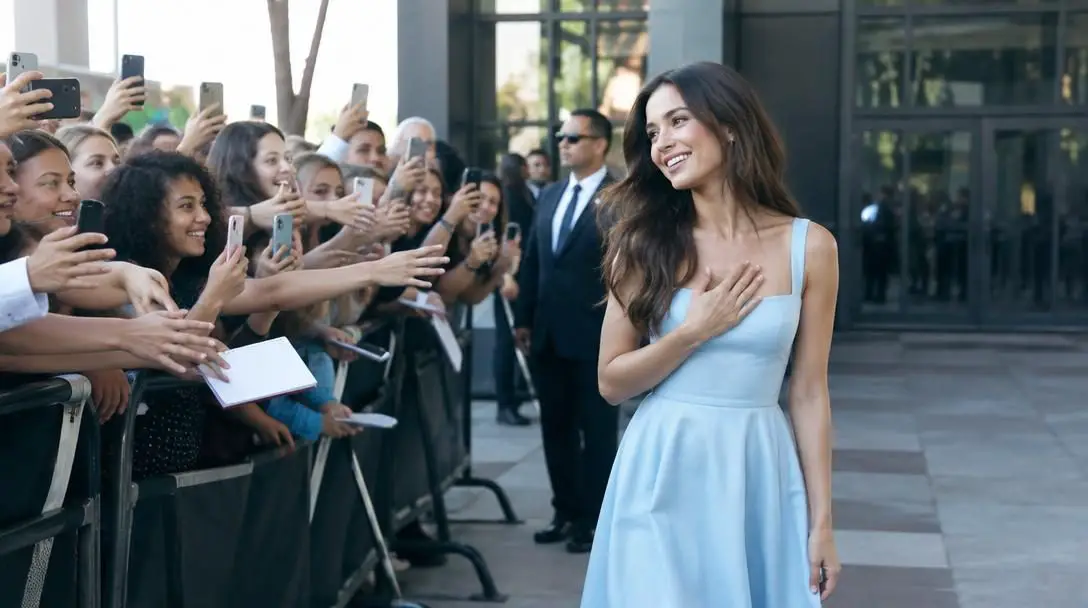
Without devoted audiences, the modern entertainment industry would cease to exist. While corporate executives and entrepreneurs would continue operating across the business landscape, the global cultural sphere would lack film actors, arena-filling touring musicians, and recognizable media stars. Audience enthusiasm is the ultimate financial engine of entertainment, powering box-office revenues, streaming numbers, and multi-million-dollar personal fortunes. Yet, while public figures rely on massive fanbases for their visibility, wealth, and continued relevance, navigating daily contact with those crowds presents an ongoing, complex challenge.
The rise of digital technology and social networks has dismantled the historic wall that once shielded creative talents from public intrusion. During the Golden Era of Hollywood, motion picture studios deliberately manufactured an aura of distance, glamour, and mystique around their contract performers, rendering unscripted, everyday contact virtually impossible. Today, real-time location tagging, pocket-sized smartphone cameras, and direct digital messaging expose prominent figures to near-continuous observation. This persistent access has forged a wide spectrum of public interactions, ranging from heartwarming expressions of community support to serious boundary violations and historic tragedies.
Key takeaways
- Audiences financially power the entertainment industry, but direct access has complicated the social contract between performers and the public.
- During Hollywood’s Golden Era, theatrical studios strictly controlled star interactions, whereas modern smartphones and social networks make performers accessible at all hours.
- High-profile actors establish widely differing rules for everyday life, ranging from enthusiastic public engagement to strict bans on candid photographs and bathroom approaches.
- Parasocial illusions of personal friendship often fuel consumer entitlement, leading people to ignore situational awareness in ordinary public settings.
The Evolution of Celebrity and Fandom
The social dynamic connecting prominent entertainers and the general public has fundamentally transformed over the past century. Under the classic studio system of Hollywood’s Golden Era, film production companies carefully orchestrated every aspect of a performer's image. Public interactions were thoroughly vetted and strictly confined to organized film premieres, tightly scheduled promotional tours, and screened fan mail. Ordinary people rarely crossed paths with screen idols in everyday situations, maintaining a clear separation between a performer's professional presence and their private domestic life.
The development of ubiquitous digital networks dismantled those protective barriers. Modern entertainment consumers no longer wait for curated studio announcements or magazine profiles to catch glimpses of an actor's lifestyle. Instead, fans monitor real-time location tags, tune in to casual live video broadcasts, and comment directly on performer feeds. While this rapid connection helps artists build passionate fan communities, it also strips away organic privacy, forcing stars to constantly defend boundaries in grocery stores, airports, and restaurants.
Perspectives from Hollywood Screen Stars
Prominent figures adopt remarkably distinct philosophies when managing everyday encounters with the public. While some welcome direct interactions, others establish firm rules to shield their time, autonomy, and mental well-being.
Brad Pitt

- Career Milestone: Thriller film Se7en
- Common Shout: "What’s in the box!?"
- Core Rule: Never approach him inside a public restroom
Brad Pitt takes a perspective anchored in deep gratitude toward the public that supports his cinematic projects. He has directly noted that his fans are absolutely incredible and represent a real accomplishment in his career. In everyday settings, he frequently encounters passersby calling out his iconic line from the thriller Se7en, shouting, "What’s in the box!?" Pitt generally embraces casual recognition during his daily routine and welcomes polite conversations. However, he enforces a rigid boundary regarding privacy: individuals should never attempt to speak to him or solicit an interaction while he is utilizing a public restroom.
Arnold Schwarzenegger

- Background: Action star and former California Governor
- Signature Project: Terminator franchise
- Common Shout: "Get to the chopper!"
Arnold Schwarzenegger exemplifies one of the most proactive, community-minded approaches to audience engagement in entertainment history. Throughout his careers as a bodybuilder, Hollywood leading man, and Governor of California, direct engagement has formed the cornerstone of his public life. Schwarzenegger actively invites people to say hello when they spot him in public spaces, and he maintains a consistent personal presence on Reddit to talk directly with community members without media filters. He has observed that he prefers hearing the truth directly from the people rather than relying on media interpretations that can be distorted. When spotted on city streets, the catchphrase he hears most consistently is the iconic line, "Get to the chopper!"
Chris Pratt
- Signature Project: Guardians of the Galaxy franchise
- Engagement Policy: Replaces candid photo requests with handshakes
- Core Philosophy: Being economical with personal time
Chris Pratt, best known for headlining the Guardians of the Galaxy film series, relies on clear behavioral boundaries when moving through public venues. Although he makes a conscious effort not to ignore people who approach him, he enforces a strict personal ban against posing for snapshots during private outings. Pratt explains that he must be economical with his time, accepting that living a normal life requires getting comfortable with disappointing people. Rather than stopping for group photos or selfies, he routinely offers a polite compromise, asking fans if they would settle for a handshake instead. This approach lets him share a genuine personal moment while preserving his schedule.
Scarlett Johansson

- Signature Projects: Marvel Cinematic Universe and independent films
- Primary Frustration: Secret smartphone photography
- Core View: Invasive recording brings out the worst in humanity
Scarlett Johansson, renowned for her appearances in the Marvel Cinematic Universe as well as critically acclaimed independent dramas, has voiced deep frustration regarding the normalization of mobile phone surveillance. Her primary grievance centers on individuals who covertly take photos or film video footage while she is engaged in private activities. She has noted that she is constantly surprised by how rude individuals can be, recalling moments where people at neighboring tables pointed cameraphones directly at her face during quiet dinners with friends. While stating she is not traumatized by these occurrences, Johansson has noted that covert recording often brings out the worst in human behavior.
| Performer | Prominent Focus | Frequent Catchphrase or Request | Key Boundary or Philosophy |
|---|---|---|---|
| Brad Pitt | Film actor (Se7en) | "What’s in the box!?" | Welcomes chats, but strictly forbids restroom approaches |
| Arnold Schwarzenegger | Action star, former Governor | "Get to the chopper!" | Encourages public greetings and uses direct Reddit forums |
| Chris Pratt | Action franchise lead | Requests for candid photos | Declines candid photography in favor of a polite handshake |
| Scarlett Johansson | Blockbuster and indie actor | Covert smartphone recordings | Condemns secretive video recording during personal meals |
The Mechanics of Modern Fandom Dynamics
Understanding how public interactions swing between rewarding moments and hostile friction requires examining the structural pressures underlying modern celebrity culture.
Economic Reciprocity: Audiences purchase cinema tickets, stream media subscriptions, attend live stadium tours, and buy branded consumer merchandise. Because these collective expenditures create enormous industry fortunes, some consumers develop a sense of financial entitlement. They conclude that because their patronage pays for a star's lavish lifestyle, the entertainer is personally obligated to offer photos, autographs, and personal conversation on demand.
Access and Parasocial Visibility: The end of old-fashioned studio distance has created a powerful psychological illusion of intimacy. When social media users consume daily video clips, spontaneous humor, and informal life updates directly from a creator, they naturally begin to perceive the performer as an everyday acquaintance or friend. This perceived familiarity causes people to drop normal social boundaries when encountering that star in an unexpected public setting.
The Collision of Public and Private Life: While creative artists are public figures when filming on set, walking promotional red carpets, or participating in televised press junkets, they are private citizens when running everyday errands, eating meals, or spending time with family. Conflicts arise whenever the surrounding public treats an ordinary municipal setting as an active stage for entertainment.
When the general public treats ordinary private moments as an open stage, the fragile boundary separating entertainment from entitlement quickly breaks down.
Revered for Kindness: Celebrities Known for Warm Encounters
When boundaries are respected by both parties, real-world meetings between prominent figures and everyday citizens can produce inspiring memories. A number of beloved entertainers have earned widespread reputations for handling public encounters with uncommon grace and generosity:

- Steve Irwin: The late wildlife educator and television host was universally known for his unbridled warmth, leaving lasting positive memories with multiple generations of nature enthusiasts.
- Dolly Parton: The country music legend has maintained an enduring reputation for personal philanthropy, modesty, and an exceptionally gracious attitude toward members of the public.
- Keanu Reeves: Celebrated across social media for his down-to-earth demeanor, Reeves is regularly recognized for showing sincere kindness and humility during casual public encounters.
- Emma Stone: The Academy Award-winning performer is widely recognized for offering lighthearted, welcoming, and humorous exchanges when greeting supporters in public venues.
- Adam Sandler: The comedic film star frequently delights local communities by casually joining unscripted pickup basketball games on municipal park courts.
- John Cena: The wrestler and actor has established historical records through his extensive philanthropic dedication, granting an unmatched number of wishes for young people through the Make-A-Wish Foundation.
When Boundaries Collapse: Inconveniences and Fatal Tragedies
Boundary failures between performers and audiences do not always end with harmless social awkwardness. Entertainment history contains sobering reminders of the devastation that can occur when obsessive behavior and entitlement spiral out of control.
In 1980, legendary singer-songwriter and former Beatles guitarist John Lennon was shot and killed outside his New York residence by Mark David Chapman. Decades later, Latin music sensation Selena was murdered by the trusted founder and president of her own official fan club. In another devastating incident, singer and former contestant on The Voice Christina Grimmie was fatally shot at a public meet-and-greet while greeting an approaching individual with an open embrace.
Beyond these extreme historical tragedies, everyday boundary violations cause persistent stress for high-profile performers. Artists are frequently accosted while responding to medical emergencies, navigating crowded transit terminals, attempting to eat meals with their children, or using public restrooms—the exact line identified by Brad Pitt. Failing to exercise situational awareness instantly transforms an innocent fan greeting into a disruptive and unsafe confrontation.
How to Respectfully Encounter a Celebrity in Public
If you encounter a well-known media figure during your daily routine, you can keep the interaction safe, courteous, and comfortable by following standard etiquette guidelines:
- Read the Environment: Carefully assess your surroundings before initiating contact. If an individual is rushing to catch a flight, sitting down for a family meal, tending to children, or located in a restroom, do not approach them.
- Keep the Approach Low-Key: Avoid shouting, running, or calling out to draw the attention of the entire room. Maintain a calm presence and offer a brief, gentle verbal greeting as you pass by.
- Prioritize Consent Over Media: Never point a smartphone lens across a restaurant or capture covert photographs. If you speak to them politely, ask whether they are comfortable taking a picture rather than aiming your device immediately.
- Accept Stated Boundaries: If a performer establishes a limit—such as Chris Pratt declining a photograph in favor of a handshake—accept the answer gracefully. A respectful conversation has far more value than a forced photo.
- Keep Interactions Brief: Remember that public figures have their own schedules, appointments, and personal stresses. Offer a sincere word of appreciation for their work and let them return to their day without delay.
Common Etiquette Pitfalls to Avoid
Even well-intentioned individuals often commit basic mistakes when running into public figures outside of organized industry events. Avoiding these common habits protects everyone's dignity:
- Assuming Constant Availability: Forgetting that performers live normal private lives, leading people to treat quiet dinners or airport layovers as promotional conventions.
- Invading Personal Space: Standing uncomfortably close, cornering a performer inside an elevator or restroom, or initiating unsolicited physical touch.
- Secretly Recording: Holding a phone up to covertly capture video or photos at adjacent tables, a habit Scarlett Johansson identified as remarkably rude.
- Reacting Negatively to Rejection: Becoming defensive, angry, or vocal when a public figure declines an autograph or photo request, ignoring their right to privacy and personal safety.
Frequently asked questions
Why do some celebrities refuse to take photos with fans?
Performers often decline photos to protect their personal schedules and prevent large crowds from gathering. As Chris Pratt has explained, posing for photos during private outings quickly consumes time, making a brief handshake a more practical and respectful alternative.
What is Brad Pitt's primary rule for fan interactions?
While Brad Pitt appreciates his fans and generally welcomes casual conversation in public, he enforces an absolute boundary that no one should approach or speak to him while he is inside a public restroom.
How does Arnold Schwarzenegger communicate directly with his supporters?
Arnold Schwarzenegger actively encourages people to say hello on the street and maintains a direct personal presence on Reddit, allowing him to interact with everyday people without media filters.
What makes secret smartphone photography particularly invasive for actors?
As Scarlett Johansson has pointed out, covert recording intrudes upon personal moments, such as private meals with friends, turning everyday social spaces into environments of unwanted surveillance.
What are the most serious historical examples of fan boundary failures?
Extreme boundary failures have led to historic tragedies, including the 1980 murder of John Lennon by Mark David Chapman, the fatal shooting of Latin music star Selena by her fan club president, and the killing of singer Christina Grimmie during a public meet-and-greet.
The Bottom Line
The relationship between prominent artists and the general public will continue to evolve as recording technologies and social platforms integrate deeper into daily life. Audiences must distinguish between enjoying an artist's public work and honoring their fundamental right to personal privacy. Recognizing that performers need unmonitored personal downtime, upholding standard public etiquette, and graciously accepting boundaries creates safer, healthier, and far more memorable experiences for both creators and the audiences who appreciate their craft.