The Evolution of Celebrity Culture: From Old Hollywood to Social Media
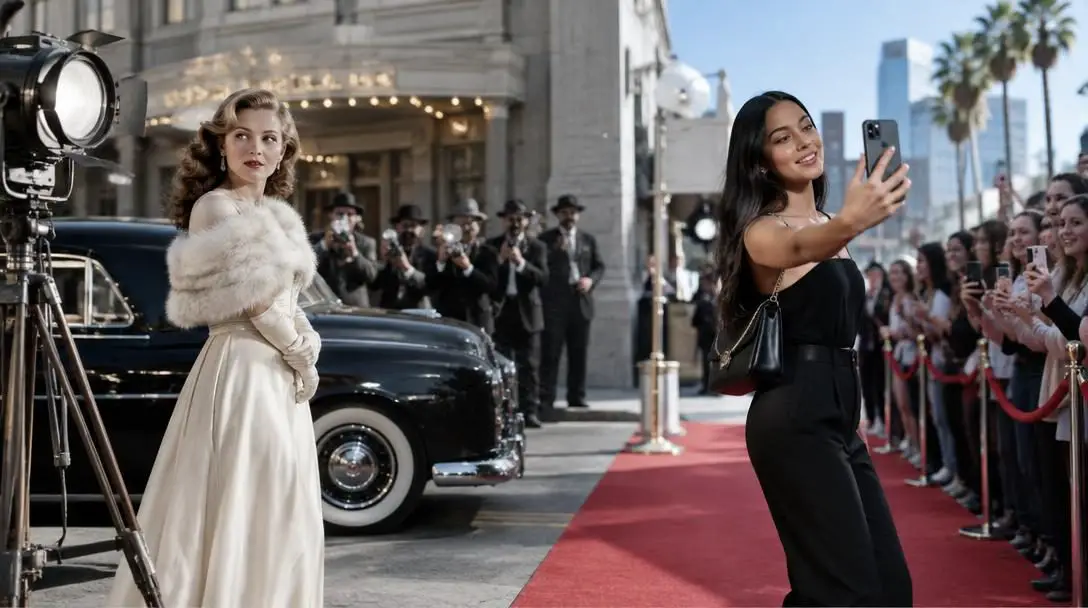
For more than a century, the concept of fame has served as a mirror reflecting societal priorities, technological capabilities, and economic structures. What began in the early twentieth century as a tightly managed enterprise orchestrated by film studio executives has evolved into an interactive, algorithmic landscape where almost anyone with an internet connection can cultivate a global following. The transition from the silver screen to the smartphone represents more than a shift in media consumption; it marks a fundamental change in how humans perceive, manufacture, and commercialize public identity.
To grasp the reality of contemporary culture, one must look closely at how public figures have engaged with audiences across three distinct epochs: the Golden Age of Old Hollywood, the post-World War II broadcast television era, and the modern social media landscape. Across these eras, fame transformed from an exclusive status granted by corporate gatekeepers into a decentralized economy powered by individual connection, direct branding, and real-time community engagement.
Key takeaways
- The Old Hollywood era operated on a rigid studio system that controlled actors through long-term contracts and manufactured glamorous, larger-than-life personas.
- Post-WWII television introduced stars directly into home living rooms, transforming remote idols into relatable, regular household fixtures.
- Social media has decentralized fame by weakening traditional gatekeepers, enabling creators to build direct audiences and multi-million-dollar independent brands.
- While modern fame provides unprecedented accessibility and individual autonomy, it also exposes public figures to widespread online harassment and creator burnout.
The studio system and the manufactured glamour of Old Hollywood
The Old Hollywood era, spanning the 1920s through the 1950s, represents the period when the American film industry was in its prime. During these decades, Hollywood established itself as the global capital of entertainment, manufacturing cinematic productions that captivated millions of viewers across the globe. At the center of this industrial juggernaut was the studio system, the operational foundation that established the modern star system and invented the contemporary concept of celebrity.
Under the studio system, major production houses maintained complete dominion over the filmmaking process. Rather than negotiating individual projects on the open market, studios signed actors and actresses to restrictive, long-term contracts that dictated every dimension of their careers. Studio publicists, directors, and executives manufactured polished public personas for these performers, carefully orchestrating their wardrobes, personal narratives, and press coverage to market upcoming theatrical releases. Fans idolized these performers as distant, larger-than-life icons whose flawless lives seemed entirely detached from everyday domestic reality.
Marilyn Monroe
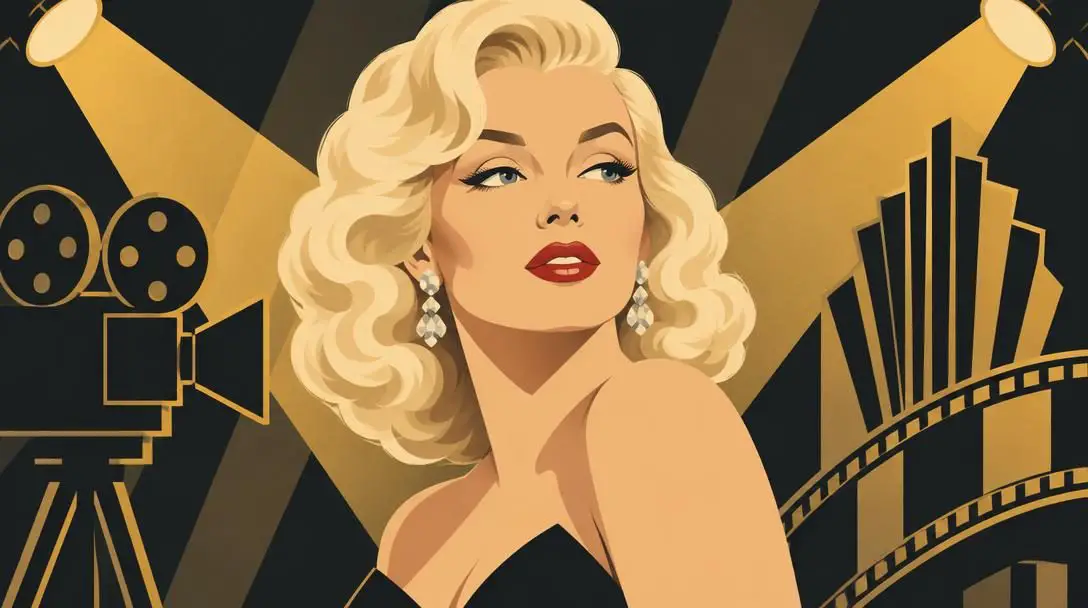
- Era: Old Hollywood (1920s–1950s)
- System: Long-term studio contract system
- Public standing: Idolized, larger-than-life cinematic figure
Marilyn Monroe emerged as one of the defining personalities of the classic Hollywood studio era. Her career embodied the studio system's capacity to build an iconic public image, captivating worldwide audiences who sought to emulate her style while viewing her through the heightened lens of cinematic glamour.
Humphrey Bogart

- Era: Old Hollywood (1920s–1950s)
- System: Major studio production contract
- Public standing: Global silver screen icon
Humphrey Bogart represented the enduring appeal of Old Hollywood's star system, headlining classic motion pictures distributed internationally. His carefully maintained screen persona demonstrated how studio-directed marketing could establish enduring cultural archetypes that captured public fascination for decades.
Audrey Hepburn
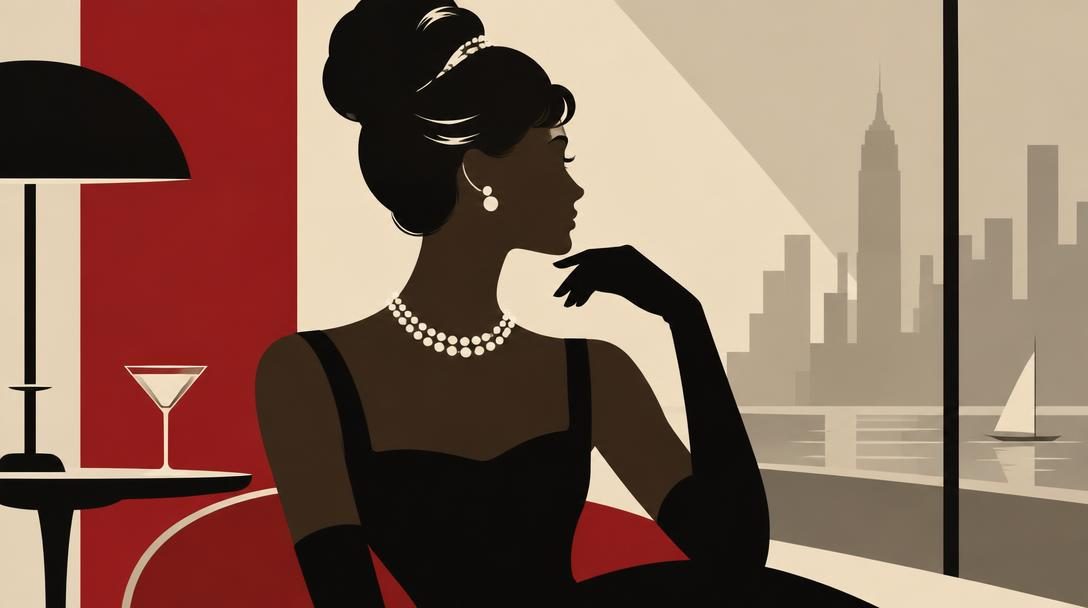
- Era: Old Hollywood (1920s–1950s)
- System: Golden Age studio star system
- Public standing: Aspirational fashion and cultural figure
Audrey Hepburn exemplified the polished elegance engineered by mid-century studio publicists. As an internationally recognized screen presence, her image, fashion choices, and screen roles were closely followed by global audiences who viewed studio stars as unattainable models of poise.
Alongside other leading performers of the era, such as Clark Gable, these figures represented an era when fame was defined by profound emotional distance. The public engaged with stars almost exclusively inside theatrical venues, relying on heavily curated promotional releases to catch glimpses of their personal lives.

The post-WWII era: television brings stars into the living room
The post-WWII era brought significant technological and cultural changes that reshaped the entertainment landscape. The primary catalyst for this transformation was television, which rapidly supplanted movie theaters as the dominant medium of popular entertainment. Unlike theatrical films, which required an outing and played only for limited screening windows, television programming was delivered directly into private residences on a recurring schedule.
This domestic accessibility altered the dynamic between audiences and performers. While stars of the previous generation retained an aura of unattainable mystery, television figures became predictable companions who entered family living rooms every evening. Celebrities remained glamorous and aspirational, but they were now perceived as far more relatable, approachable, and down-to-earth than their cinematic predecessors.
Johnny Carson
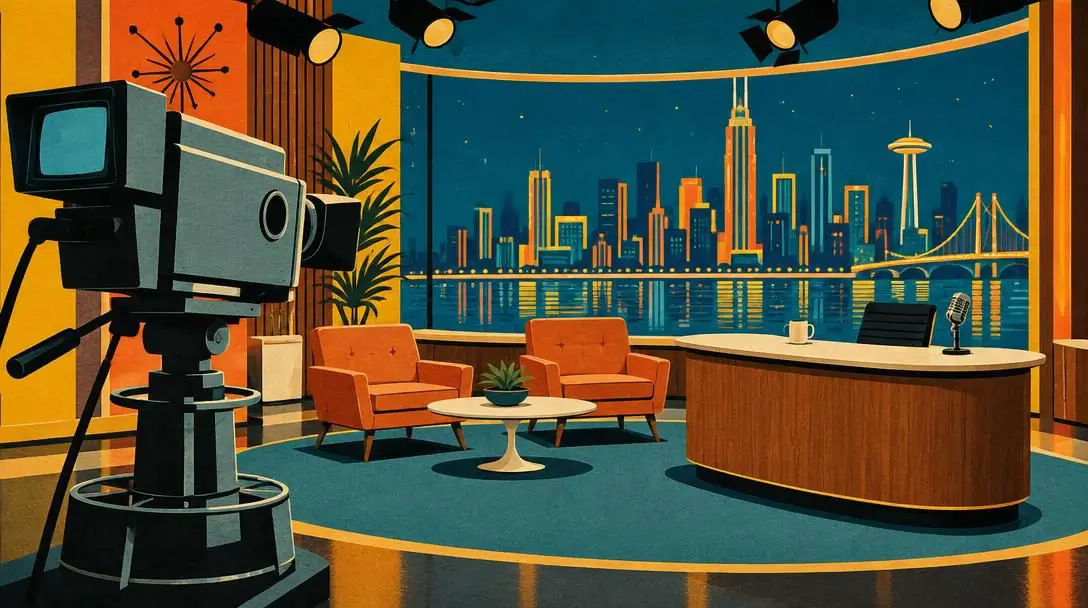
- Era: Post-WWII broadcast television era
- Medium: Late-night television talk show
- Cultural role: Household name and daily companion
Johnny Carson came to personify the unprecedented reach of television broadcasting. As a late-night talk show host, Carson appeared in living rooms nationwide on a nightly basis, turning the informal conversational format into a powerful vehicle for widespread household recognition.
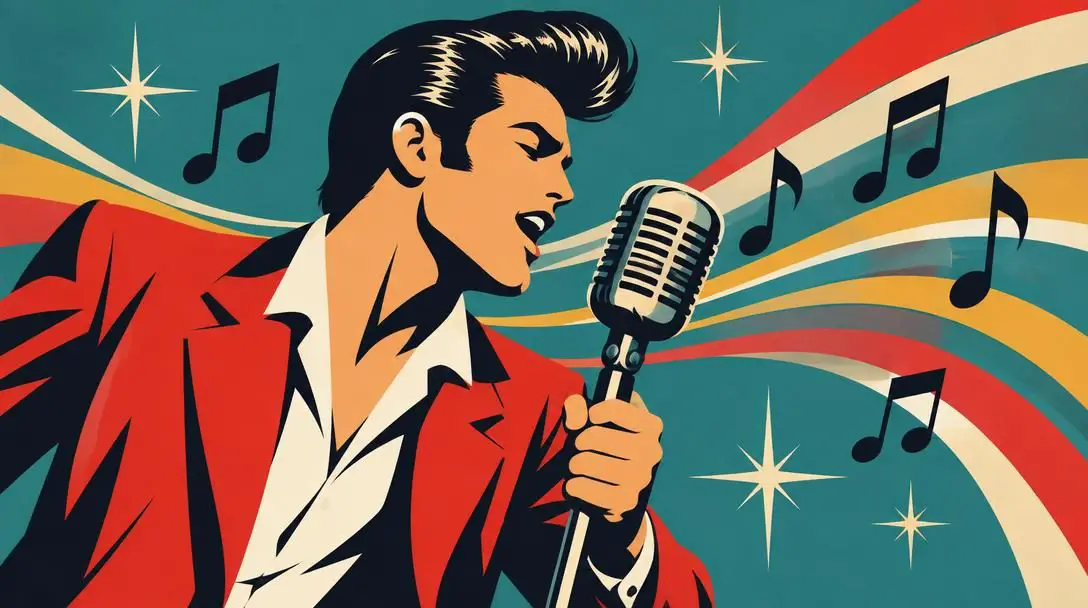
Elvis Presley
- Era: Post-WWII entertainment expansion
- Medium: Recorded music and broadcast television
- Cultural role: Global icon shaping music and fashion
Elvis Presley demonstrated the immense commercial power of the expanding post-war music and television industries. His appearances galvanized audiences internationally, allowing a single recording artist to directly influence youth culture, personal style, and global music trends at unprecedented scale.
The post-war broadcast boom similarly transformed talk show figures like David Letterman and game show personalities including Bob Barker and Chuck Woolery into enduring household fixtures. Simultaneously, musical sensations like The Beatles leveraged global broadcasting and mass record distribution to command international attention, laying the groundwork for an increasingly connected, music-driven celebrity sphere.
The digital era: social media and the democratization of fame
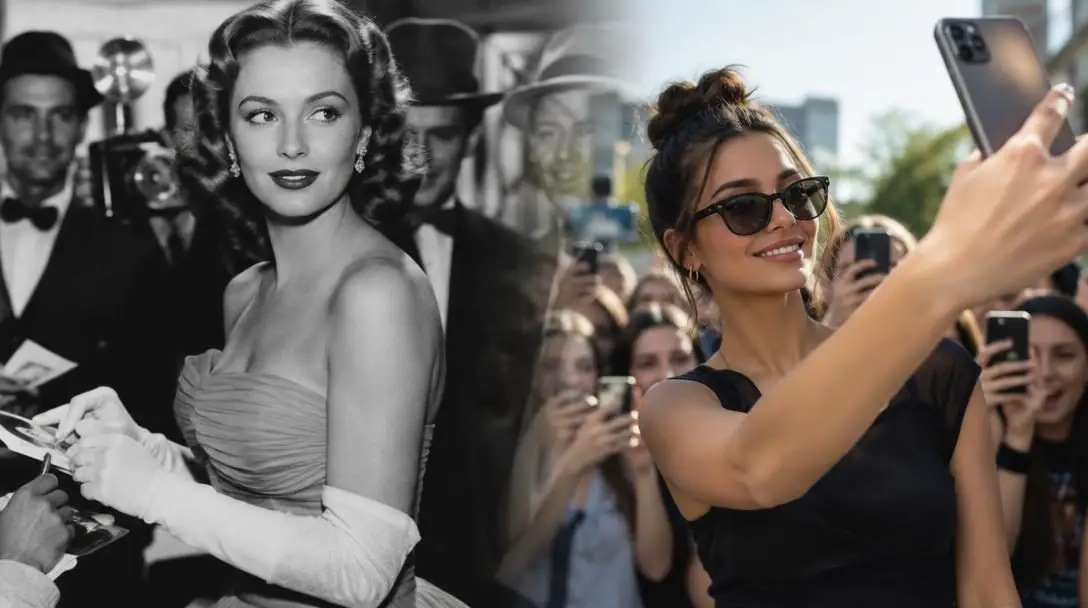
The dawn of the 21st century sparked a profound revolution in media culture. The explosion of social media platforms fundamentally altered how fame is created, managed, and monetized. Traditional gatekeepers that once dictated cultural visibility—such as legacy movie studios, talent agencies, and major record labels—no longer hold a monopoly over public attention. Instead, digital networks have created a landscape where everyday individuals can assemble dedicated audiences and achieve international prominence through self-directed content creation.
This creator economy has blurred the once-rigid boundary between ordinary citizens and global stars. Modern internet celebrities achieve prominence by documenting their routines, personal opinions, and unique lifestyle perspectives. Rather than revering public figures as distant, untouchable idols, modern consumers view social media personalities as relatable peers. Followers engage in reciprocal communication through live streams, direct comments, and community feeds, forging an intense sense of personal connection.
Kylie Jenner

- Era: 21st-century social media era
- Platform: Direct-to-consumer social media channels
- Business milestone: Billion-dollar commercial beauty empire
Kylie Jenner represents the disruptive potential of contemporary social influence. By converting a massive, engaged personal following on social platforms into a customer base, Jenner established a billion-dollar beauty enterprise, demonstrating how modern creators can circumvent traditional advertising gatekeepers to build commercial ventures.
PewDiePie

- Era: 21st-century digital creator era
- Platform: Online video-sharing network (YouTube)
- Audience milestone: Over 100 million channel subscribers
PewDiePie illustrates the power of decentralized video distribution. By producing self-directed gaming and commentary content, he amassed over 100 million channel subscribers independently of traditional broadcast networks, proving that individual creators can cultivate audiences that rival established media conglomerates.
Fame was once an exclusive status granted by corporate gatekeepers, whereas today it functions as a decentralized economy driven by individual connection and continuous content consumption.
Mechanisms of fame across modern entertainment eras
Understanding how the nature of celebrity evolved requires analyzing the operational systems that supported each era. As technological formats shifted from film reels to broadcast antennas and eventually to pocket-sized digital screens, the core mechanisms governing image creation, distribution, monetization, and audience relationships experienced dramatic changes.
| Attribute | Old Hollywood (1920s–1950s) | Post-WWII Television | 21st-Century Social Media |
|---|---|---|---|
| Primary Gatekeepers | Major movie studios and production executives | Television network executives and record labels | Digital platform algorithms and audiences |
| Distribution Channel | Physical movie theaters and scheduled print | Home broadcast television and vinyl records | Decentralized online video and social feeds |
| Public Persona Control | Top-down studio publicist control | Network-negotiated broadcast presentation | Bottom-up, real-time creator self-curation |
| Fan Interaction Style | Distant, formal fan mail and studio clubs | Regular domestic viewing in living rooms | Instant, direct comments and live-stream replies |
| Primary Revenue Model | Long-term studio contracts and royalties | Network contracts and commercial appearance fees | Brand deals, affiliate sales, and platform payouts |
The shift in image creation highlights the profound nature of this evolution. In Old Hollywood, a star's persona was entirely manufactured by public relations teams who carefully scripted interviews and shaped public narratives. Today, public figures publish unvarnished or self-edited updates in real time, shifting their messaging based on instant data metrics. Monetization has experienced a parallel diversification: while past figures relied on studio paychecks, modern creators blend brand endorsements, proprietary product lines, digital subscriptions, and algorithmic revenue sharing.
Navigating modern media and influencer culture
The democratization of fame offers unprecedented opportunities for individual expression, but it also creates unique challenges for both consumers and aspiring creators. Navigating today's influencer-driven environment requires conscious strategies to safeguard personal perspective and digital well-being.
- Evaluate the source of content: Distinguish between organic creative expression and sponsored brand endorsements. Scrutinize recommendations to verify whether an influencer is sharing a genuine opinion or fulfilling a paid contractual partnership.
- Establish boundaries between public and private life: For those sharing content online, establish firm personal limits. While digital metrics often reward oversharing, preserving private spaces protects long-term emotional well-being and privacy.
- Diversify your information and entertainment streams: Counteract algorithmically curated social feeds by actively seeking varied media formats, including traditional investigative journalism, independent cinema, and literature.
- Practice conscious online engagement: Recognize that public figures and fellow commenters experience authentic emotional distress from hostile behavior. Engage with digital communities constructively, refusing to participate in targeted online harassment.
- Focus on value rather than vanity: When building an online presence, prioritize delivering instructional skills, creative artistry, or meaningful perspective rather than chasing viral engagement metrics solely for self-promotion.
Common pitfalls in interpreting celebrity and social fame
As the cultural architecture around fame has shifted, audiences frequently misinterpret the realities of modern media production. Recognizing these misconceptions helps users maintain healthy boundaries with digital creators.
- Confusing relatability with genuine friendship: Because social media personalities speak directly into handheld cameras from informal domestic settings, viewers frequently develop one-sided emotional attachments, overlooking the fact that the interaction remains a curated media presentation.
- Equating high follower counts with absolute authority: Open digital platforms enable individuals to accumulate massive audiences without possessing technical training or verified expertise. High engagement should never be mistaken for qualified authority.
- Overlooking the hidden labor behind modern fame: Consumers often perceive digital creator content as effortless, underestimating the rigorous work involved in constant video production, algorithmic tracking, sponsor negotiations, and community oversight.
- Assuming online criticism has no impact: Because prominent creators often achieve financial success, audiences sometimes assume they are immune to digital cruelty. In reality, unrelenting public harassment and online trolling can cause severe damage to mental health.
- Romanticizing past eras without acknowledging their constraints: While classic Hollywood produced unforgettable screen legends, the era was defined by restrictive studio contracts, intense corporate control over personal behavior, and severe limits on individual autonomy.
Frequently asked questions
What was the star system in Old Hollywood?
The star system was an operational framework used by major film studios between the 1920s and 1950s. Studios placed actors under exclusive long-term contracts, carefully manufactured their public personas, and managed their personal narratives to market theatrical motion pictures worldwide.
How did television change public perception of celebrities after World War II?
Television brought performers directly into home living rooms on a regular schedule. This domestic familiarity made celebrities, such as talk show hosts and game show personalities, appear more relatable, accessible, and down-to-earth compared to the distant, larger-than-life idols of the cinematic era.
How has social media democratized celebrity culture?
Social media dismantled traditional institutional gatekeepers like movie studios and record labels. By distributing content directly on digital platforms, everyday individuals can cultivate substantial followings, build multi-million-dollar independent brands, and achieve international prominence without corporate backing.
What are the primary negative consequences of modern digital fame?
The modern fame economy has encouraged self-promotion and vanity while making public figures vulnerable to severe online harassment and trolling campaigns, which frequently result in psychological strain and creator burnout.
How do traditional celebrities and modern influencers differ in their revenue models?
Traditional celebrities primarily earned income through studio contracts, theatrical royalties, and broadcast performance fees. In contrast, modern social media personalities monetize through a diverse mix of commercial brand partnerships, affiliate marketing, self-owned merchandise lines, and direct digital platform payouts.
The bottom line
The trajectory of celebrity culture reveals that fame is not a fixed attribute, but a continuously shifting reflection of media technology and social values. From the tightly regulated studio backlots of the 1930s to the immediate, participatory smartphone feeds of the twenty-first century, every era redefines what it means to be widely known. While early studio systems built remote, glamorous icons who inspired distant admiration, modern digital channels celebrate accessible personalities who interact directly with their audiences.
Looking ahead, the balance of influence between traditional entertainment corporations and independent creators will continue to develop. Navigating this environment requires critical literacy from consumers and balanced boundaries from creators. By understanding how the mechanisms of publicity, monetization, and public engagement have transformed across the decades, audiences can enjoy contemporary entertainment with greater perspective, clarity, and discernment.