The Secrets of Success: How Barack Obama Got Famous
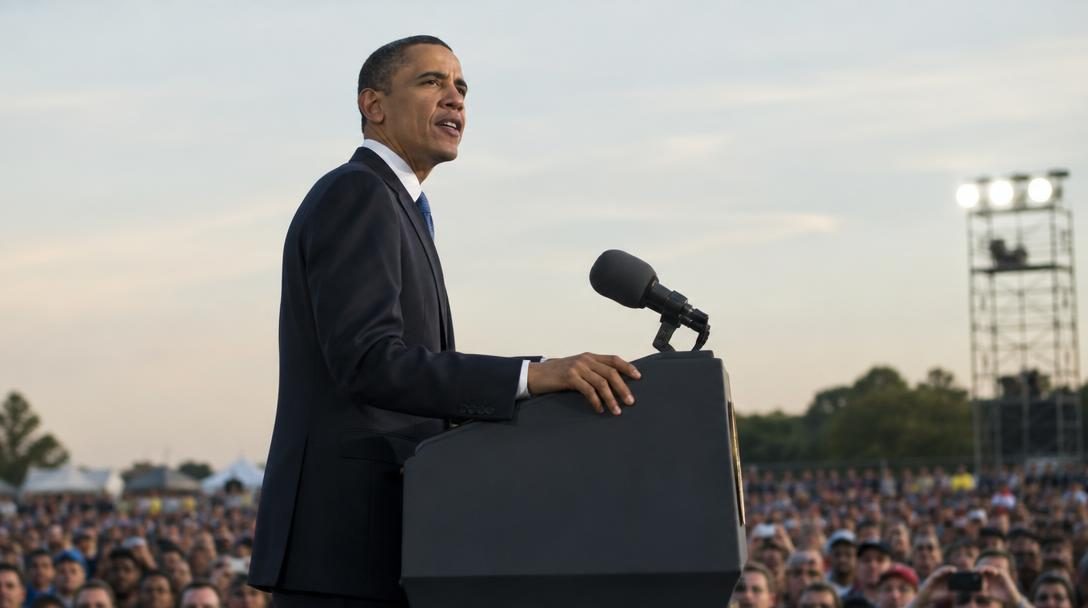
Barack Obama remains one of the most recognizable figures of the modern era, celebrated worldwide as an enduring symbol of leadership, purpose, and historic achievement. By breaking a centuries-old barrier to become the first African American President of the United States, he proved that transformative change is possible even within entrenched institutional landscapes. His journey resonated across international borders, offering a compelling case study in the intersection of grassroots activism, intellectual discipline, and masterful communication.
Yet, the narrative of his sudden political stardom obscures the years of groundwork, calculated risks, and persistent friction that preceded it. From his early upbringing in Hawaii and community organizing in Chicago to the intense political battles of Springfield and Washington, Obama experienced substantial societal hurdles, skepticism, and professional setbacks. Examining the foundational milestones of his life reveals the deliberate strategies, interpersonal habits, and leadership models that powered his ascent.
Key takeaways
- Obama built his career on a dual foundation of ground-level community organizing and high-level academic and legal excellence.
- His national breakthrough relied heavily on unifying rhetoric that emphasized shared values rather than polarizing ideological divides.
- A commitment to bottom-up mobilization empowered everyday citizens and transformed conventional political campaign operations.
- Resilience in the face of systemic racial bias, intense media scrutiny, and legislative resistance proved essential to his sustained success.
Chronological Milestones of Obama's Ascent
Understanding how Barack Obama achieved global prominence requires examining the specific environments where he developed his skills, tested his ideas, and forged coalitions. Each stage provided a unique testing ground for his emerging leadership style.
Punahou School

- Location: Honolulu, Hawaii
- Focus: Academic rigor and competitive athletics
- Significance: Formative educational environment
Born in Honolulu on August 4, 1961, to an American mother from Kansas and a Kenyan father who came to the United States to study, Obama was raised primarily by his mother and maternal grandparents following his parents' separation when he was two years old. His enrollment at the prestigious Punahou School in Honolulu exposed him to a demanding academic curriculum while instilling the value of personal discipline. In this setting, he balanced rigorous scholarship with competitive sports, establishing an early habit of mental and physical versatility that characterized his subsequent collegiate and professional pursuits.
Occidental College and Columbia University
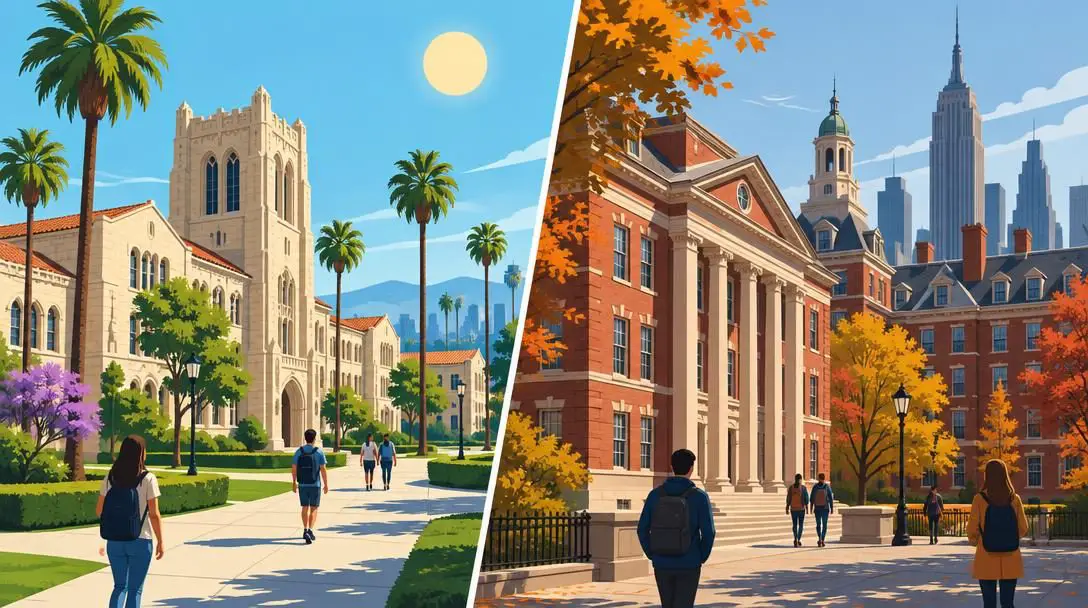
- Institutions: Occidental College (Los Angeles), Columbia University (New York City)
- Degree: Bachelor of Arts in Political Science
- Focus: Governance, foreign affairs, and political systems
Obama started his higher education on the West Coast, attending Occidental College in Los Angeles for two years before transferring to Columbia University in New York City. At Columbia, he channeled his energies into political science, studying institutional power structures, governance, and public policy. Living in New York immersed him in an urban center defined by social complexity and economic contrast, reinforcing his intellectual interest in systemic social change and giving him a rigorous analytical framework for understanding civic institutions.
Chicago Community Organizing

- Location: South Side of Chicago, Illinois
- Role: Grassroots community organizer
- Core Work: Neighborhood advocacy, local activism, and coalition building
Rather than pursuing a lucrative corporate track immediately after graduating from Columbia, Obama moved to Illinois to work as an organizer on Chicago's South Side. This period proved foundational. Confronting structural poverty, factory closures, and municipal indifference, he worked directly with local residents, church communities, and civic leaders. The experience taught him how institutional inertia stymies change, but it also proved that bottom-up participation can force entrenched bureaucracies to listen. His field work in Chicago forged his belief that sustainable political authority originates from ordinary people working together.
Harvard Law School

- Institution: Harvard Law School
- Milestone: First Black president of the Harvard Law Review
- Key Skill: Consensus-building in an ideologically divided institution
Seeking to combine his grassroots experience with formal legal authority, Obama enrolled at Harvard Law School. While there, he gained national attention when he was elected the first Black president of the prestigious Harvard Law Review. Serving in this editorial position required synthesizing complex legal scholarship while arbitrating disputes between deeply polarized conservative and liberal student factions. His successful tenure cemented his reputation as an intellectually formidable thinker who prioritized consensus, analytical rigor, and fairness.
Illinois State Senate
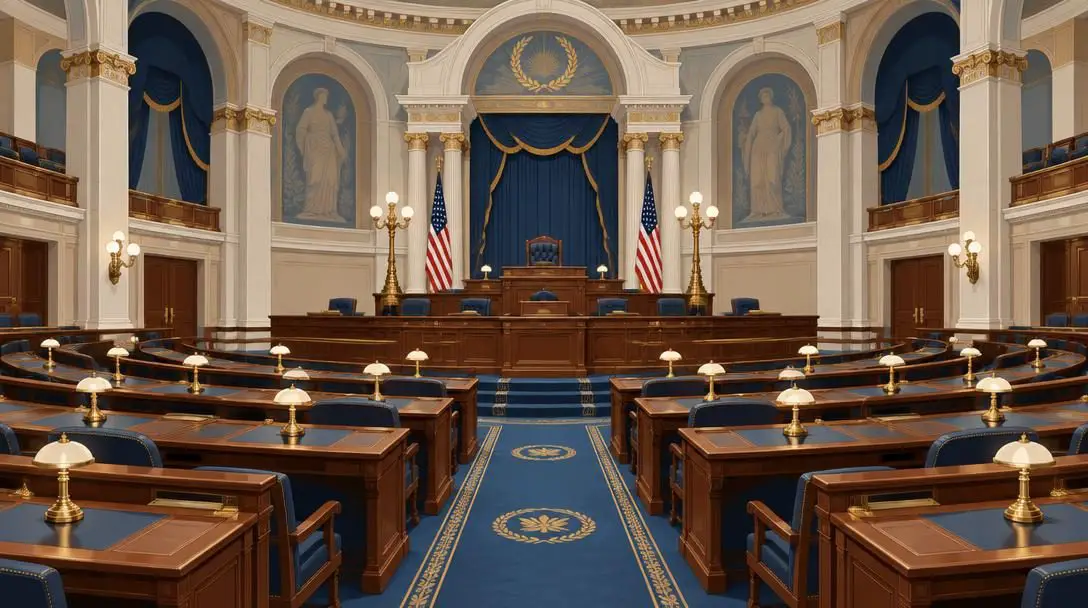
- Tenure: Elected in 1996
- Chamber: Illinois Senate, Springfield, Illinois
- Record: Pragmatic negotiation and progressive policy reform
Returning to Chicago, Obama worked concurrently as a civil rights attorney and a professor of constitutional law before mounting a successful campaign for the Illinois Senate in 1996. Serving in the state legislature in Springfield allowed him to learn the granular craft of lawmaking. He cultivated relationships across party lines, navigated complex committee negotiations, and developed a reputation as a pragmatic, progressive legislator capable of passing meaningful reforms in criminal justice, healthcare, and economic support for working families.

2004 Democratic National Convention Keynote

- Event: 2004 Democratic National Convention
- Theme: National unity beyond red and blue political divisions
- Outcome: Instant national visibility and political elevation
While running for the United States Senate in 2004, Obama was selected to deliver the keynote address at the Democratic National Convention. The resulting speech became an immediate political touchstone. By rejecting the premise that America was irreparably fractured into liberal and conservative enclaves, he articulated an expansive vision of shared values and collective identity. His rhythmic, oratorical delivery resonated across the nation, catapulting him overnight from a state legislator into a leading political voice.
True transformative authority emerges when an orator elevates collective aspirations far above the familiar rhetoric of ideological division.
The 2008 Presidential Campaign

- Opponent: Republican nominee John McCain
- Platform: A unified message of hope and systemic change
- Milestone: First African American President of the United States
Capitalizing on his growing public profile, Obama announced his candidacy for President of the United States in 2008. His campaign challenged conventional wisdom by combining an inspirational message of hope and change with a disciplined, data-driven grassroots mobilization engine. Powered by small-dollar donors, digital organizing tools, and millions of active volunteers, his operation outmaneuvered seasoned political machines. Facing Republican nominee John McCain in the general election, Obama won a decisive victory, breaking one of the ultimate racial barriers in global politics.
The White House and Policy Milestones
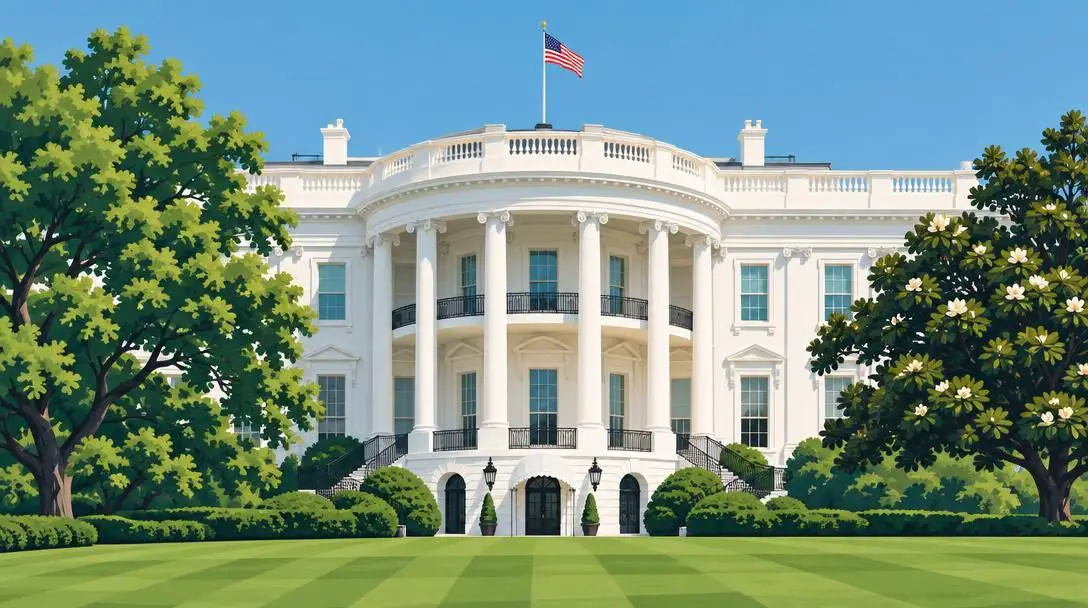
- Key Policies: The Affordable Care Act, economic stabilization, education reform
- Civil Rights: Federal advancement and national legalization of same-sex marriage
- Terms: Two full terms as Commander-in-Chief
Assuming the presidency during a severe economic crisis, Obama initiated far-reaching legislative and executive actions. His administration oversaw major efforts to rebuild the national economy, overhaul federal education initiatives, and establish consumer financial protections. His central legislative achievement was the passage of the Affordable Care Act, which fundamentally restructured the American healthcare system to expand coverage to millions of uninsured citizens. His tenure was also marked by profound civil rights advancements, highlighted by the nationwide legalization of same-sex marriage.
Milestones at a Glance
Each phase of Obama's trajectory contributed distinct operational skills, theoretical foundations, and public platforms that collectively enabled his historic national rise.
| Milestone | Primary Arena | Core Focus | Key Takeaway |
|---|---|---|---|
| Punahou School | Honolulu, Hawaii | Academic rigor & sports | Developed versatile intellectual and personal discipline early in life. |
| Columbia University | New York City | Political Science | Built an analytical foundation in governance and institutional systems. |
| Chicago Organizing | South Side of Chicago | Community Advocacy | Mastered bottom-up coalition building and citizen mobilization. |
| Harvard Law Review | Cambridge, Massachusetts | Legal Scholarship | Demonstrated high-level consensus building across ideological divides. |
| Illinois State Senate | Springfield, Illinois | State Legislation | Gained practical mastery of legislative mechanics and policy drafting. |
| 2004 DNC Keynote | Boston, Massachusetts | National Rhetoric | Captured global attention through unifying, values-based communication. |
| 2008 Presidency | Washington, D.C. | Executive Governance | Overcame systemic barriers to enact major healthcare and social reforms. |
The Core Drivers of His Public Ascent
Obama's political career was not simply the result of favorable timing; it was engineered through specific strategic disciplines. Four distinct operational strengths enabled him to move from local community organizing to the highest office in the world.
Inspirational, values-first communication stood at the core of his appeal. Rather than starting speeches with technocratic policy details or partisan attacks, he framed arguments around fundamental democratic principles, shared dignity, and mutual responsibility. This rhetorical structure allowed listeners from disparate social classes, racial backgrounds, and geographic regions to see their own experiences reflected in his vision.
Decentralized, bottom-up mobilization differentiated his campaigns from traditional top-down political efforts. Drawing directly on what he had learned in Chicago neighborhoods, Obama's organizations entrusted local leaders with genuine operational responsibility. Field offices functioned as community hubs where volunteers were trained to persuade their neighbors, creating an invested network that sustained energy through long primary and general election battles.
Strategic patience and long-term vision kept his trajectory focused. Whether he was drafting complex statutes in the Illinois Senate, directing legal discourse at Harvard, or managing a high-stakes national campaign, Obama avoided being drawn into ephemeral controversies. He articulated clear end-state objectives and maintained methodical execution, even when public opinion or immediate political pressures pushed for reactionary moves.
Collaborative, viewpoint-diverse counsel insulated him from the insularity that often traps ambitious leaders. He consistently sought out experienced mentors, sharp legal minds, and pragmatic advisors who did not hesitate to challenge his assumptions. By subjecting his strategic initiatives to rigorous stress-testing before unveiling them publicly, he preserved policy integrity and identified vulnerabilities early.
Navigating Setbacks and Systemic Barriers
The arc of Obama's life was accompanied by deep resistance. As an African American leader operating within historical power systems, he encountered systemic racism, institutional prejudice, and deep skepticism regarding his background, worldview, and right to govern. These structural barriers required a high degree of emotional self-regulation, steady focus, and exceptional poise under intense public scrutiny.
Throughout his career in the Illinois legislature and the White House, political opponents, organized ideological groups, and skeptical media figures frequently pushed back against his legislative initiatives. He confronted stalled bills, contentious judicial confirmation battles, and relentless scrutiny designed to undermine his authority. Rather than meeting hostility with reactive anger, he maintained strict personal discipline, trusted his advisors, and treated legislative stalemates as operational problems requiring strategic recalculation.
Five Practical Steps for Aspiring Leaders
While few individuals will pursue a path toward national elective office, the principles that guided Obama's rise offer a replicable blueprint for professional growth, organizational leadership, and community impact.
- Establish technical and intellectual competence: Before seeking broader public influence, dedicate years to mastering your domain. Obama spent decades studying political science, constitutional law, and legislative procedure, which gave him undisputed authority when addressing complex issues.
- Engage directly with the grassroots: Work at the front lines of your industry, non-profit, or civic organization. Understanding the everyday frustrations of constituents, clients, or frontline staff builds genuine empathy and provides practical insights that high-level administrative work ignores.
- Cultivate unifying communication habits: Train yourself to present ideas through common values rather than divisive jargon. Focus on common denominators, frame problems through shared objectives, and listen actively to audiences whose life experiences differ from your own.
- Build a trusted advisory circle: Surround yourself with mentors, technical experts, and critical peers who will speak truth to your ambition. Actively invite candid feedback to expose your blind spots before executing major decisions or taking organizational risks.
- Develop disciplined emotional resilience: Expect opposition, public critique, and occasional failure. Instead of viewing roadblocks as personal attacks or final defeats, reframe setbacks as tactical lessons that show you where your strategy requires adjustment.
Common Traps to Avoid
Studying an extraordinary career also highlights the common missteps that derail promising professionals. Navigating public or organizational life requires avoiding several frequent leadership traps:
- Relying on charisma without substance: Projecting confidence or rhetorical flair may capture initial attention, but without thorough technical knowledge and thorough preparation, surface-level appeal quickly collapses under institutional pressure.
- Building an echo chamber: Isolating yourself from dissenting viewpoints creates dangerous blind spots. Leaders who dismiss critical staff members or refuse to engage with opposing ideas inevitably make avoidable strategic errors.
- Losing touch with the frontline: As leaders ascend institutional hierarchies, they often detach from the everyday realities of their staff or constituents, eroding the trust and credibility necessary for long-term organizational health.
- Allowing critics to dictate your daily agenda: Reacting reflexively to every external attack or media cycle siphons away valuable time and cognitive energy from your long-range mission.
Frequently asked questions
Where was Barack Obama born and educated?
Barack Obama was born in Honolulu, Hawaii, on August 4, 1961. He completed high school at Punahou School in Honolulu before attending Occidental College in Los Angeles for two years. He then transferred to Columbia University in New York City, earning a degree in political science, and later earned his law degree from Harvard Law School in Massachusetts.
What work did Obama do in Chicago before entering politics?
After graduating from Columbia University, Obama relocated to Illinois to work as a grassroots community organizer on Chicago's South Side, helping local residents advocate for municipal services and community improvement. Later, after completing Harvard Law School, he returned to Chicago to practice as a civil rights attorney and teach constitutional law as a professor.
When did Barack Obama first gain widespread national fame?
While he had received press coverage in 1990 as the first Black president of the Harvard Law Review, his major national breakthrough occurred in the summer of 2004. As an Illinois state senator running for the U.S. Senate, he delivered an impassioned keynote address at the Democratic National Convention that captivated a national television audience.
Who was Obama's opponent in the 2008 presidential election?
In the 2008 general election, Obama ran as the Democratic presidential nominee alongside a grassroots movement centered on hope and change, ultimately defeating Republican nominee Senator John McCain to become the 44th President of the United States.
What were the central policy achievements of Obama's presidency?
Among his primary domestic policy achievements were the landmark passage and implementation of the Affordable Care Act (which expanded healthcare coverage), significant initiatives to stabilize and rebuild the national economy following a severe crisis, investments in public education, and pivotal civil rights advancements including the federal legalization of same-sex marriage.
The bottom line
Barack Obama's rise to international prominence demonstrates that extraordinary leadership is rarely an accidental phenomenon. It is built through the disciplined combination of continuous intellectual development, ground-level civic work, exceptional cross-cultural communication, and emotional resilience under intense scrutiny. By committing to deep preparation, listening to the needs of ordinary citizens, and maintaining a unifying long-term vision, he established a leadership standard that continues to inform modern political, social, and professional life worldwide.