The Secrets of Success: How George W. Bush Got Famous
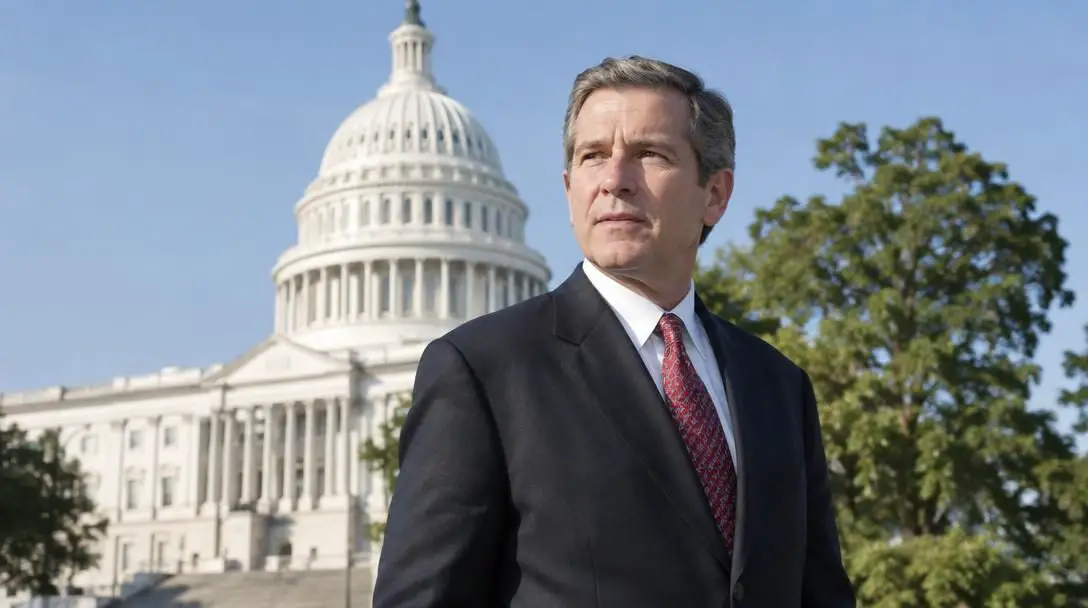
The trajectory of George W. Bush into global prominence offers one of modern history's most instructive case studies in the mechanics of public visibility, private enterprise, and high-stakes political campaigning. From his formative years in New England and Texas to his two terms in the White House, Bush followed a career path shaped by familial legacy, commercial experimentation, state-level governance, and national crisis management.
Understanding his ascent requires taking an objective look at both the strategic choices that propelled him forward and the profound controversies that accompanied his tenure as the nation's 43rd president. By examining how Bush built a base of support in Texas, translated state governance into national appeal, and navigated the geopolitical shifts of the early 21st century, observers gain insight into how modern political authority is forged, maintained, and scrutinized under pressure.
Key takeaways
- George W. Bush built his national profile through a strategic progression from military aviation and commercial business to state governance and the presidency.
- His commercial leadership in the Texas oil industry and Major League Baseball established the organizational credibility and local visibility needed for statewide office.
- As governor of Texas, Bush established a pragmatic domestic reputation centered on measurable education standards and firm criminal justice policies.
- His presidency was fundamentally reshaped by the September 11 terrorist attacks, leading to major domestic policy shifts, the invasion of Iraq, and long-term geopolitical repercussions.
Formative Arenas and Early Private Ventures
Public prominence is rarely accidental; it emerges at the intersection of long-term preparation, calculated risk-taking, and the ability to project resolve during unexpected trials. Bush's early career moved through distinct commercial, military, and academic sectors before he ever sought public office. This diverse background provided him with operational perspective and personal resilience across varied institutional settings.
| Career Phase | Primary Arena | Key Responsibility | Strategic Impact |
|---|---|---|---|
| Academic Grounding | Yale University | Undergraduate coursework in history (completed 1968) | Established analytical perspectives on statecraft and public institutions |
| Military Operational Flight | Texas Air National Guard | Fighter pilot in high-performance military aircraft | Demanded operational focus, personal discipline, and rapid technical choices |
| Commercial Exploration | Independent Texas Oil Enterprise | Founding and directing an energy exploration business | Confronted high-risk capital structures in a volatile regional industry |
| Sports Leadership | Major League Baseball Franchise | Managing partner and stadium project overseer | Elevated public name recognition and honed partner negotiation skills |
| Executive Governance | State of Texas Governorship | Chief executive serving from 1995 to 2000 | Delivered measurable policy wins in public education and criminal justice |
Rather than entering electoral politics immediately after completing his formal education and military duties, Bush chose to build a foundational record in the private sector. Engaging directly with core regional industries allowed him to assemble diverse coalitions, test his executive abilities, and create the statewide relationships that would eventually support his political ambitions.
Yale University

- Location: New Haven, Connecticut
- Degree completed: 1968
- Academic focus: Undergraduate coursework in history
Born in New Haven in 1946, George W. Bush completed his undergraduate degree at Yale University in 1968. His academic coursework focused on history, giving him a foundational understanding of historical precedents, national institutions, and the evolution of governance. This historical grounding helped frame his perspective on leadership, executive authority, and statecraft. Following his graduation, Bush immediately entered military service by joining the Texas Air National Guard as a fighter pilot. Piloting advanced military aircraft required intense operational discipline and rapid technical decision-making under demanding conditions, instilling habits that carried forward into his executive career.
The State of Texas

- Significance: Primary regional foundation for family roots and political career
- Commercial arenas: Independent oil exploration and Major League Baseball
- Executive leadership: Governorship served from 1995 to 2000
Although his earliest years involved frequent relocations, Bush's family established deep roots in Texas, making the state central to his personal identity and future public life. Texas was also where his father, George H.W. Bush, had built an active political career, introducing the younger Bush to public life, legislative debates, and electoral politics from an early age. In Texas, Bush launched an independent oil company, immersing himself in the volatile commercial energy sector that formed the backbone of the state's economy. He later expanded his business portfolio by assembling an investment group to purchase a Major League professional baseball team. Serving as managing partner, Bush took an active, visible role in the franchise's executive leadership and the construction of its new stadium, turning the venture into a platform for widespread civic recognition.
Bush translated his business credibility and public visibility into a successful gubernatorial campaign, serving as governor of Texas from 1995 to 2000. In Austin, he developed a focused domestic agenda centered on two primary priorities: implementing rigorous statewide education standards with measurable testing, and maintaining a firm public safety posture through strict criminal penalties and robust law enforcement. His ability to work across legislative aisles to achieve concrete benchmarks earned him a reputation as an executive capable of setting clear goals and executing them systematically.

Core Mechanisms of Modern Political Prominence
A strategic examination of George W. Bush's ascent illustrates that sustained public prominence operates through identifiable mechanisms. Prominent leaders rarely depend on circumstance alone; instead, they methodically construct authority across distinct professional phases by applying core principles of public engagement and executive administration.
Leveraging Broad Life Experiences
Bush did not restrict himself to a single narrow field. Moving deliberately from military aviation to independent energy exploration, sports franchise management, and state-level politics gave him an unusually multifaceted background. Each distinct arena allowed him to connect with different constituencies, build diverse business networks, and develop varied leadership capabilities long before asking voters for their confidence at the ballot box.
Translating Local Success to National Platforms
State-level governance functioned as a critical proving ground for Bush's political ascent. By demonstrating that his policy initiatives regarding public education accountability and criminal justice could pass and be implemented successfully in Texas, Bush generated a concrete track record. He presented this state-level balance sheet to voters across the country during the 2000 presidential campaign as tangible proof of his executive competence.
Maintaining Decisiveness Under Pressure
Public authority depends heavily on the perception of resolve. When confronted with sudden crises, leaders who make clear, definitive choices and stand behind their implementation project institutional stability. Bush understood that projecting firm executive resolve in times of turmoil reassures the public and coordinates governmental response, even when the underlying choices face severe scrutiny.
Rallying Support Through Communication
Direct communication is essential for translating administrative policy into broad-based public backing. Throughout his career, Bush utilized high-profile public addresses and straightforward rhetoric to frame complex policy objectives, motivate legislative allies, and maintain public morale during sustained periods of nationwide uncertainty.
The 2000 Presidential Campaign and Geopolitical Confrontations
In 2000, Bush formally launched his campaign for the presidency of the United States. His campaign platform emphasized sweeping federal tax cuts, comprehensive education reform modeled on his Texas initiatives, and a calibrated approach to foreign policy. These proposals resonated with voters seeking economic stimulus and educational accountability, ultimately securing him victory in a historically tight national contest and making him the nation's 43rd president.
Al Gore

- Office held: Vice President of the United States
- Campaign role: Democratic presidential nominee in 2000
- Contest outcome: Historically tight national election
Vice President Al Gore stood as Bush's direct opponent during the intense 2000 presidential contest. The race tested both candidates' ability to articulate a clear national vision, build voter coalitions across battleground states, and withstand intense media scrutiny. Bush's victory against an incumbent vice president established his standing on the national stage and affirmed the effectiveness of his disciplined campaign messaging and Texas-tested policy agenda.

Saddam Hussein

- Executive role: Leader of Iraq
- Military outcome: Removed from power following U.S. invasion
- Strategic impact: Fundamental reshaping of Middle Eastern stability
The early priorities of the Bush administration changed abruptly on September 11, 2001, when coordinated terrorist attacks on American soil triggered an immediate overhaul of national security doctrine, intelligence operations, and executive authority. In the years that followed, Bush made the monumental decision to order the military invasion of Iraq and remove Saddam Hussein from power. This action fundamentally altered Middle Eastern geopolitics, drew the United States into a prolonged conflict, and became one of the most intensely debated foreign policy choices in modern American history.
The choices leaders make during national emergencies define their legacy for generations, balancing immediate domestic reform against the enduring global consequences of war and crisis response.
Domestically, the Bush presidency recorded significant legislative achievements alongside deep organizational challenges. Bush successfully signed sweeping federal tax cuts into law to stimulate capital investment and job creation. In public education, he signed the bipartisan No Child Left Behind Act, which introduced mandatory standardized testing and federal accountability benchmarks for school districts across the country. However, the federal government's delayed and uncoordinated response to the catastrophic destruction caused by Hurricane Katrina along the Gulf Coast drew widespread public outrage, damaging public confidence in federal emergency management and highlighting the operational risks of executive coordination during domestic disasters.
Practical Steps for Developing Professional Momentum
The leadership attributes demonstrated throughout Bush's career—diligent preparation, clear prioritization, and decisive execution—can be applied by professionals seeking to expand their influence within any organizational environment. Cultivating long-term professional credibility requires disciplined, step-by-step execution.
- Build a broad base of experience: Avoid siloing yourself within a single technical discipline. Gaining experience across diverse sectors—such as technical operations, private commerce, and organizational management—broadens your strategic perspective and enhances your problem-solving capabilities.
- Focus on core competencies and priorities: When taking on a leadership role, identify a small number of essential goals rather than diffusing your attention. Bush focused on straightforward, high-impact priorities like tax relief and education reform, making his core vision clear and accessible.
- Practice decisive problem-solving: Indecision and excessive deliberation can paralyze an organization. When facing complex decisions, gather the necessary facts, determine your direction, and execute the plan with confidence rather than delaying out of fear of making an operational error.
- Refine your communication skills: Continually invest in your ability to speak clearly, directly, and persuasively. Leaders must be able to articulate objectives plainly to inspire trust, align teams, and build consensus around shared organizational goals.
- Commit to persistence through challenges: Major undertakings inevitably encounter operational friction, political opposition, and unexpected setbacks. Demonstrating persistent determination in the face of adversity builds professional resilience and earns the long-term respect of peers and partners.
Leadership Hazards and Strategic Pitfalls to Avoid
Studying the careers of prominent national figures provides valuable insight into the operational hazards that accompany significant executive authority. Leaders striving to maintain authority and trust must proactively guard against common strategic pitfalls.
- Failing to prepare for unforeseen crises: Leaders frequently err by assuming external conditions will remain stable. Unanticipated crises—whether financial shocks, market disruptions, or operational failures—will inevitably test an organization. Failing to build robust contingency plans leaves leadership vulnerable to sudden systemic disruption.
- Confusing decisiveness with rushing ahead: While decisive action is necessary for organizational momentum, moving forward without thoroughly examining second- and third-order consequences can lead to catastrophic miscalculations. True decisiveness requires balancing a bias for action with a thorough assessment of operational costs and strategic risks.
- Neglecting clear and direct communication: When organizational plans, values, and rationales are poorly communicated, teams become disorganized and demoralized. Failing to explain the core reasons behind significant decisions breeds skepticism and undermines internal cohesion.
Frequently asked questions
How did George W. Bush transition from private business to public office?
Bush established commercial credibility in Texas through independent oil exploration and his role as managing partner of a Major League Baseball franchise. His visible leadership in these high-stakes ventures elevated his public profile and provided the organizational network necessary to launch a successful campaign for governor of Texas in 1994.
What were the central legislative priorities of Bush's Texas governorship?
As governor of Texas from 1995 to 2000, Bush focused primarily on education reform and public safety. His administration introduced rigorous statewide academic testing standards to hold schools accountable and pursued a firm public safety agenda featuring strict criminal penalties and streamlined judicial procedures.
Which major domestic policies defined the Bush presidency?
On the domestic front, Bush secured the passage of sweeping federal tax cuts designed to stimulate economic growth and job creation. He also signed the bipartisan No Child Left Behind Act, which fundamentally reformed federal education policy by establishing standardized testing metrics and performance benchmarks for school districts nationwide.
What were the primary controversies associated with the Bush administration?
The most significant controversies included the military invasion of Iraq and removal of Saddam Hussein, which resulted in the loss of thousands of American service members and tens of thousands of civilian lives amid ongoing debate over intelligence assessments. Domestically, the administration faced severe public backlash over the delayed and uncoordinated response to Hurricane Katrina.
How did military service influence George W. Bush's leadership style?
Serving as a fighter pilot in the Texas Air National Guard required Bush to operate high-performance military aircraft under intense focus. The role demanded personal discipline, split-second technical decision-making, and operational readiness, reinforcing the decisive executive posture he displayed throughout his public career.
The bottom line
The ascent of George W. Bush illustrates how personal heritage, diverse commercial enterprise, and state-level governance can coalesce into national political authority. By establishing an early commercial base in Texas, focusing on measurable policy outcomes as governor, and maintaining an assertive executive posture, Bush navigated the path from regional entrepreneur to the nation's highest office.
At the same time, his two terms in the White House demonstrate that executive prominence carries profound responsibility and inevitable scrutiny. While his domestic legislative achievements in taxation and education demonstrated an ability to enact major policy platforms, the geopolitical fallout of the Iraq War and the operational shortcomings during Hurricane Katrina underscore how national emergencies indelibly shape a leader's enduring historical legacy.