The Secrets of Success: How Justin Bieber Got Famous
Justin Bieber stands as one of the most commercially successful and influential pop artists of the modern era. From his beginnings in southwestern Ontario to headlining packed stadiums across the globe, his career offers a compelling case study in 21st-century talent cultivation, digital disruption, and high-stakes media survival. Rather than following the conventional talent-pipeline routes of early-2000s music television or reality competition shows, Bieber emerged through a direct-to-consumer digital revolution that permanently transformed entertainment scouting.
Achieving international prominence at an extraordinarily young age, Bieber has navigated both the heights of global commercial triumph and the perils of intense press scrutiny. His continued relevance relies not only on his foundational musicianship and undeniable stage presence, but also on deliberate strategic partnerships, cross-genre creative pivots, and a hard-won maturity that prioritized physical and mental health over relentless commercial output.
Key takeaways
- Justin Bieber built early credibility through self-taught multi-instrumentalism and home-recorded digital cover videos.
- Strategic management and institutional label support transformed viral internet buzz into global mainstream dominance.
- Cross-genre collaborations and diverse creative ventures expanded his brand beyond standard pop boundaries.
- Prioritizing personal health over exhausting touring commitments proved essential for his long-term career survival.
Early Musical Foundations in London, Ontario
Justin Bieber was born on March 1, 1994, in London, Ontario, Canada, growing up in a home where rhythm and music were an everyday constant. His household was deeply artistic: his mother played various instruments, while his father played both guitar and drums. Surrounded by audio equipment and musical gear from early childhood, Bieber developed an organic ear for pitch, cadence, and timing long before setting foot inside a professional recording studio.
He took up drumming at a very young age, channeling his energy into rhythm before exploring melodic instruments. Instead of relying solely on formal classical training or rigid theory courses, he displayed disciplined focus and an intuitive musical ear by teaching himself how to play the piano, guitar, and trumpet. This hands-on, multi-instrumental proficiency gave him a level of authentic musicianship that distinguished him from many manufactured teen acts of his era.
During these formative developmental years, Bieber immersed himself in classical soul, R&B, and dynamic pop traditions. He closely studied legendary performers, absorbing the vocal styling, phrasing, and showmanship of Michael Jackson, Stevie Wonder, and Usher. Emulating their melodic delivery and stage discipline allowed Bieber to merge smooth R&B vocal flexibility with radio-ready pop instincts, preparing him for the intense demands of the international music market.
Digital Disruption and the YouTube Launchpad
In 2007, Bieber’s trajectory shifted dramatically when he began publishing videos of himself singing covers of contemporary hits on YouTube. At the time, video-sharing platforms were primarily treated as informal hobbyist spaces rather than legitimate pipelines for professional talent scouting. By placing raw, unedited performances online, Bieber established an unfiltered, direct line of communication with an organic digital audience that felt a personal bond with his vocal journey.
These early digital uploads caught the attention of talent manager Scooter Braun, who recognized that Bieber possessed not only remarkable vocal control but also an innate, camera-ready charisma. Braun contacted Bieber’s mother and arranged to transport the young singer to Atlanta, Georgia, placing him squarely in the middle of a dominant recording and production hub.
In Atlanta, Bieber met with seasoned music executive L.A. Reid, who quickly recognized his commercial viability and signed him to Island Records. The pairing of grassroots viral interest with the muscle of a major record label created an unstoppable launchpad. In 2009, Bieber released his debut single, “One Time,” which rapidly scaled international radio charts. He followed this success with his 2010 debut studio album, My World 2.0, which debuted at number one on the Billboard 200 and unleashed global smashes such as “Baby” and “Somebody to Love.”
Key Figures, Locations, and Ventures
Behind Bieber’s explosive mainstream arrival was an ecosystem of experienced advisors, influential creative hubs, and diverse commercial extensions designed to cement his long-term viability.
Scooter Braun
- Role: Talent manager and career architect
- Discovery year: 2007 via YouTube videos
- Key action: Arranged relocation to Atlanta and secured executive meetings
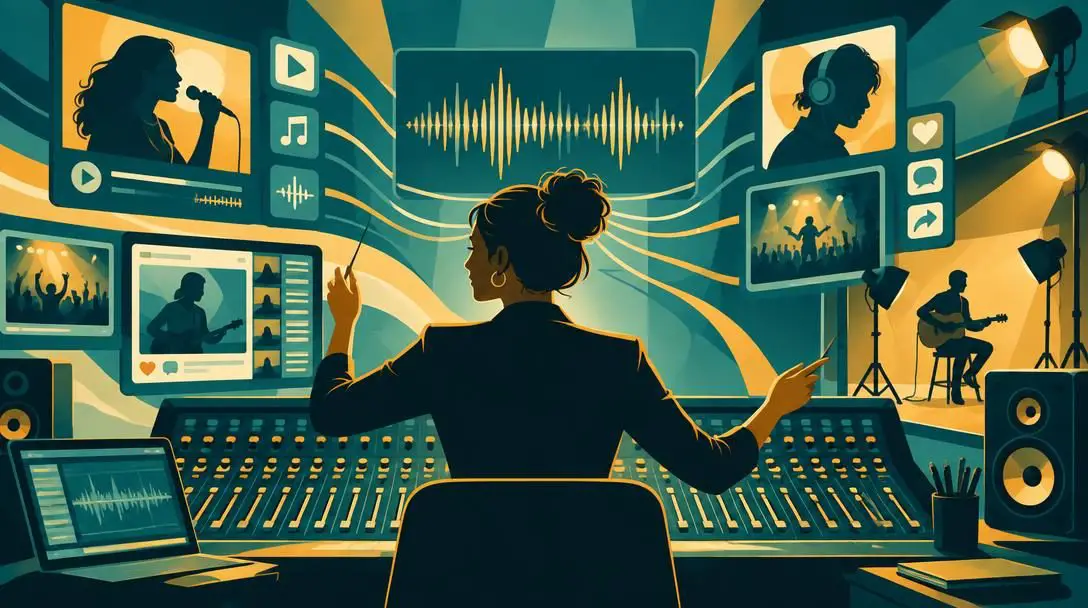
Scooter Braun served as the foundational operational manager who converted Bieber's viral internet notoriety into an organized commercial enterprise. By focusing heavily on digital community building, fan interaction, and strategic industry alliances, Braun shielded the young artist from fleeting one-hit-wonder status and established a sustained platform for global pop longevity.
L.A. Reid

- Role: Music industry executive
- Label affiliation: Island Records
- Milestone: Signed Bieber to his first major recording contract
As a respected record executive, L.A. Reid brought the institutional backing, major production budgets, and elite industry network necessary to broadcast Bieber's voice worldwide. Under Reid's supervision at Island Records, Bieber gained access to top-tier songwriters, legendary producers, and global distribution channels that independent internet artists could not access on their own.
Atlanta, Georgia
- Significance: Primary production and artist-development center
- Relocation context: Initial base for executive auditions and early studio work
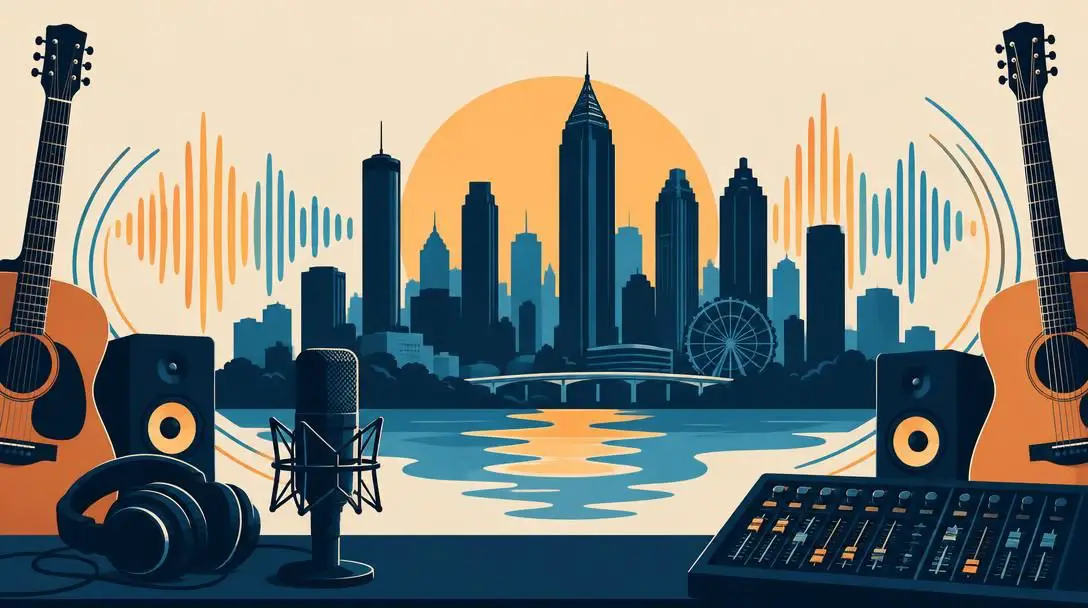
Atlanta served as the critical geographical turning point in Bieber's career. Transitioning from small-town Ontario to this urban music capital immersed him in a rich collaborative environment where legacy R&B traditions and modern pop production converged, setting the sonic standard for his earliest professional recordings.
Drew House

- Category: Lifestyle and apparel brand
- Strategic function: Brand diversification beyond musical releases
Drew House represents Bieber’s expansion into the global fashion and lifestyle market. By establishing his own clothing brand, he successfully transformed his signature relaxed, streetwear aesthetic into an independent commercial venture, ensuring his cultural and financial relevance extends far beyond streaming numbers.
Evolution Across Major Studio Eras
Rather than remaining frozen as a teen idol, Bieber actively reshaped his sound across sequential album cycles to reflect his personal growth and emerging trends in global production.
| Studio Album | Key Singles | Creative Style | Career Impact |
|---|---|---|---|
| My World 2.0 | “Baby”, “Somebody to Love” | Youthful teen pop, clean R&B harmonies | Debuted at number one on the Billboard 200; established global stardom |
| Believe | “Boyfriend” | Acoustic pop blended with dance and urban rhythms | Marked the transition from adolescent performer to mature pop vocalist |
| Purpose | “Sorry”, “Love Yourself” | Electronic dance music, introspective pop, tropical house | Won widespread critical respect and generated massive worldwide stadium tours |
To sustain cultural interest between major solo projects, Bieber also embraced extensive cross-genre collaborations. He stepped outside traditional pop boundaries to work with hip-hop stars such as Chance the Rapper and Post Malone, as well as electronic music heavyweights Skrillex and Diplo. These calculated creative alliances exposed his expressive vocal tone to diverse fan bases, keeping his discography fresh on dance, urban, and pop playlists alike.
Beyond musical releases, Bieber explored multi-platform entertainment avenues to keep his public persona dynamic. He ventured into visual entertainment with appearances in feature films such as Zoolander 2 and Killing Hasselhoff, demonstrating a willingness to leverage his public visibility in playful, varied contexts.
True creative longevity requires the courage to dismantle safe formulas and mature musically alongside your audience.
High-Profile Setbacks, Legal Troubles, and Creative Recovery
Rapid elevation to international superstardom brought severe personal turbulence. Spending his formative adolescent and young-adult years under continuous media scrutiny subjected Bieber to relentless public pressure, which culminated in several high-profile behavioral incidents.
In 2014, Bieber was arrested in Miami Beach on charges of driving under the influence, drag racing, and resisting arrest. During this turbulent era, he also attracted negative headlines for volatile altercations with paparazzi photographers and aggressive interactions with fans. These controversies threatened to overshadow his musical capabilities and permanently derail his commercial brand.
Rather than succumbing to reputational decline, Bieber initiated a conscious personal and professional reset. Recognizing that unyielding performance schedules were causing dangerous emotional and physical depletion, he took decisive action in 2017 by canceling the remaining concert dates of his massive Purpose tour, openly citing severe exhaustion. While calling off tour dates represented a significant commercial disruption, the decision marked a fundamental shift toward protecting his health over fulfilling relentless touring expectations.
This critical pause gave Bieber the necessary space to realign his priorities. When he resumed writing and recording, his music reflected greater emotional vulnerability, exploring themes of accountability, genuine love, personal redemption, and heartbreak. This authentic thematic shift earned him newfound respect from critics and reinforced the loyalty of an aging fan base that had navigated its own real-world struggles.
Strategic Playbook: Lessons and Pitfalls for Modern Creators
While few individuals will ever operate at the scale of an international pop icon, Bieber's career offers universal principles for artists, creators, and entrepreneurs striving to establish durable platforms in an unpredictable digital economy.
- Hone foundational mechanics early: Master core instruments and performance techniques to ensure your creative output is anchored by genuine technical ability rather than artificial studio effects.
- Leverage direct-to-audience platforms: Distribute your work independently across modern video and streaming channels to build an authentic, engaged following before seeking institutional investors.
- Align with experienced operational mentors: Partner with managers, legal advisors, and executives who understand how to scale creative ventures and manage complex operational logistics.
- Embrace strategic creative partnerships: Collaborate across different styles, genres, and mediums to introduce your work to entirely new audiences and keep your creative voice adaptable.
- Diversify into external business ventures: Extend your creative brand into complementary product categories, such as fashion lines and visual media, to create revenue streams independent of performance schedules.
Just as valuable are the cautionary lessons drawn from the missteps that complicated his journey:
- Dismissing warning signs of physical fatigue: Overloading global touring and production schedules without structured rest inevitably results in severe creative burnout and abrupt cancellations.
- Resisting creative maturation: Clinging rigidly to an early artistic style out of fear of alienating initial fans can lead to creative stagnation as audience tastes evolve.
- Reacting defensively to external scrutiny: Engaging in public hostility with critics, photographers, or consumers causes reputational damage that distracts from the quality of the creative work.
- Operating without protective counsel: Navigating sudden commercial expansion without principled advisors leaves young creators vulnerable to legal complications and exploitation.
Frequently asked questions
How did Justin Bieber first get discovered?
Justin Bieber was discovered in 2007 by talent manager Scooter Braun, who encountered Bieber's self-recorded YouTube cover videos while searching for emerging musical talent online.
What musical instruments does Justin Bieber play?
Bieber began playing drums at an early age and subsequently taught himself to play the piano, guitar, and trumpet without relying exclusively on formal classical training.
Which record executive signed Justin Bieber to his first major label deal?
Music industry executive L.A. Reid signed Bieber to Island Records after talent manager Scooter Braun arranged for Bieber and his mother to travel to Atlanta, Georgia, for executive auditions.
Why did Justin Bieber cancel the final dates of his Purpose tour in 2017?
Bieber canceled the remaining dates of the Purpose tour in 2017 due to severe physical and mental exhaustion, choosing to prioritize his personal well-being over relentless commercial touring obligations.
What creative ventures has Justin Bieber launched outside of recording music?
Beyond his recording career, Bieber founded the lifestyle and clothing line Drew House and has made appearances in films such as Zoolander 2 and Killing Hasselhoff.
The Bottom Line
The rise and endurance of Justin Bieber illustrate the delicate balance between natural musical capability, technological evolution, and commercial strategy. His journey proves that while viral digital platforms can spark instantaneous discovery, transforming an online following into lasting international influence demands foundational talent, shrewd industry mentorship, and the courage to evolve past comfortable formulas. By acknowledging personal limits, learning from high-profile mistakes, and continually exploring new creative landscapes, Bieber transformed early internet fame into an enduring, multifaceted entertainment legacy.