The Secrets of Success: How Bill Clinton Got Famous
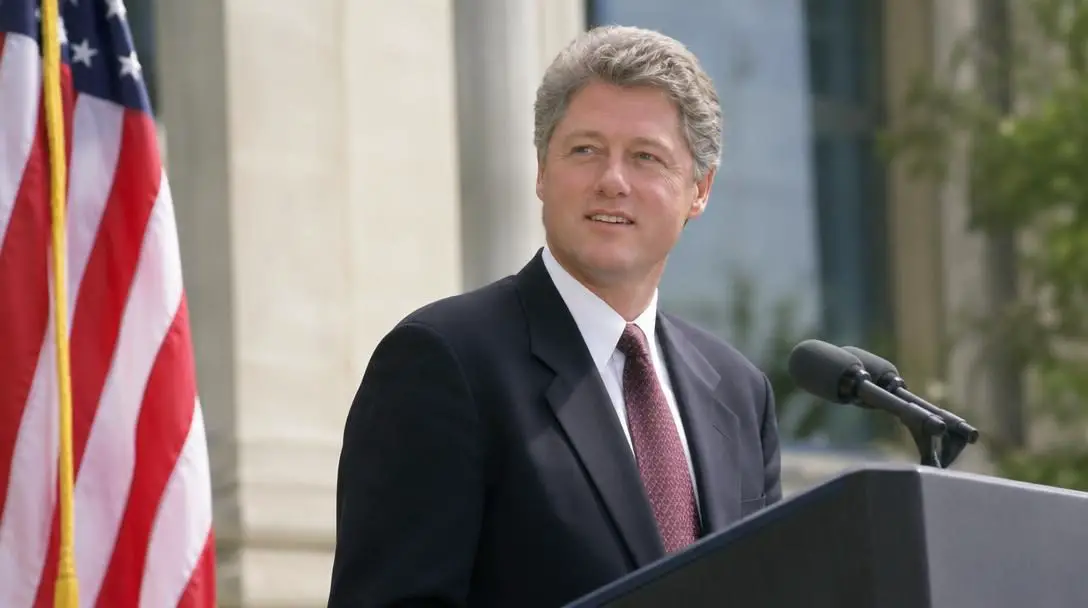
The political ascent of William Jefferson Clinton offers one of the most thoroughly analyzed case studies in contemporary leadership. Rising from modest origins in rural Arkansas to serve as the 42nd President of the United States, his trajectory illustrates how disciplined preparation, empathetic communication, economic prioritization, and intense personal perseverance can build enduring national and international prominence.
Rather than relying on sheer political luck, Clinton established his public standing through a calculated combination of early local governance, sophisticated media engagement, and an intuitive grasp of everyday voter anxieties. By evaluating the underlying mechanisms that fueled his public emergence, observers can extract meaningful lessons regarding the dynamics of modern persuasion, executive strategy, and resilience under scrutiny.
Key takeaways
- Clinton overcame early childhood financial constraints through academic diligence and community-level public service in Arkansas.
- His 1992 presidential victory hinged on empathetic engagement and an economic agenda anchored in jobs and fiscal responsibility.
- Mastery of decentralized media channels like town halls and morning talk shows bypassed traditional press filters to connect directly with the public.
- Strategic compartmentalization and psychological resilience allowed him to advance policy agendas despite high-profile controversies and intense opposition.
The Formative Foundations in Arkansas Politics
To understand the public prominence of Bill Clinton, one must begin with his early life in Hope, Arkansas. Raised amidst financial constraints, Clinton recognized early that personal advancement required rigorous academic performance. His diligence as a student unlocked opportunities for higher education, which in turn broadened his perspective on governance, civil rights, and public policy.
During his collegiate years, Clinton developed a lasting dedication to political activism and civic responsibility. Rather than remaining in academic circles, he returned home to enter public service, rapidly securing multiple roles within Arkansas state government. This period served as an essential operational proving ground. By addressing the everyday concerns of his local constituents and contributing directly to the state's development, Clinton cultivated a nuanced understanding of statecraft, retail politics, and community coalition-building.
This regional groundwork culminated in his strategic entry into the 1992 presidential race. Presenting himself as an accessible outsider capable of grasping the hardships of everyday Americans, Clinton ran a disciplined campaign centered on reform and opportunity. By promising practical change and projecting genuine empathy, he outmaneuvered seasoned political veterans to secure the presidency, establishing a new model for modern executive communication.
The Five Core Pillars of Clinton's Rise and Public Prominence
Clinton’s ascent was not the outcome of a single rhetorical skill or ideological breakthrough. Instead, his career was sustained by five distinct, interacting operational pillars that set him apart from traditional post-war political figures.
| Pillar | Operational Focus | Primary Medium | Strategic Objective |
|---|---|---|---|
| Empathetic Leadership | Personal connection and active listening | Town halls and retail campaign events | Build trust and emotional rapport with everyday citizens |
| Economic Prioritization | Domestic job creation and fiscal discipline | Legislative packages and policy addresses | Deliver tangible, kitchen-table financial stability |
| Diplomatic Engagement | Multilateral dialogue and conflict negotiation | International summits and peace accords | Project global statesmanship in the post-Cold War era |
| Decentralized Media Strategy | Direct, conversational messaging | Morning talk shows and late-night television | Bypass traditional media filters and broaden appeal |
| Psychological Resilience | Tenacious focus and crisis management | Executive operations amid public scrutiny | Maintain policy momentum during acute adversity |
Empathetic Leadership and Relatable Charisma
A primary catalyst of Clinton’s public appeal was his distinct brand of empathetic charisma. Many prominent leaders of his era projected a formal, aristocratic reserve that kept audiences at arm's length. In contrast, Clinton approached interactions with an open, accessible style that made everyday citizens feel understood.
He was renowned for making direct eye contact, listening with visible intensity, and validating the personal and financial hardships shared by voters. Charisma, in his playbook, was not an empty rhetorical flourish; it served as an active instrument of political alliance and consensus-building that bridged deep social divides.
A Clear and Tangible Economic Agenda
Grand ideological appeals often ring hollow when families experience everyday financial distress. Recognizing this, Clinton focused his national platform intently on domestic prosperity, employment growth, and responsible fiscal management. He oriented his message around practical household concerns rather than abstract political doctrine.
By delivering demonstrable economic improvements, his administration reinforced its reputation for competent executive stewardship. This results-oriented focus enabled him to build cross-ideological coalitions and maintain broad public approval across diverse voter demographics.
Diplomatic Engagement and Global Stature
On the international stage, Clinton expanded his public reputation from that of a talented regional politician into a seasoned global statesman. Navigating the complex geopolitical landscape of the post-Cold War world, he actively invested executive energy into mediating protracted disputes and negotiating peace agreements in conflict zones.
These diplomatic initiatives required sophisticated multilateral negotiations, steady patience, and an ability to bring historical adversaries to the conference table. Through active global engagement, Clinton elevated his profile, proving his capacity to manage high-stakes international crises.
Media Mastery and Modern Communication Strategy
Clinton was among the earliest political strategists to realize that national communications were decentralizing. Rather than relying solely on traditional evening news broadcasts or formal press conferences, he embraced accessible formats, including morning talk shows, late-night television, and open town halls.
His natural ability to translate complicated legislative frameworks into straightforward, conversational language resonated with audiences alienated by conventional bureaucratic rhetoric. By managing how his vision was framed across evolving media formats, he maintained a direct, unfiltered dialogue with the electorate.
True political longevity requires the rare discipline to pursue long-term legislative goals even while enduring acute public controversy.
Psychological Resilience and Tenacity
Perhaps the most defining element of Clinton’s career was his remarkable capacity to withstand intense professional pressure. Throughout his time in office, he confronted sharp political opposition, rigorous public investigations, and high-profile controversies that threatened to derail his executive agenda.
Rather than retreating or capitulating, he developed a celebrated ability to compartmentalize crises. By maintaining his concentration on governing priorities while ongoing controversies unfolded around him, Clinton projected an unyielding determination that cemented his reputation for survival and endurance in public life.
Translating Presidential Strategies into Professional Influence
While few individuals pursue the American presidency, the methods that established Bill Clinton's public stature offer valuable lessons for professionals, managers, and civic leaders. Applying these strategic concepts requires a systematic, disciplined approach to personal and professional development.
- Commit to continuous academic and practical learning. Emulate Clinton's early educational diligence by mastering the core technical skills, policy nuances, and strategic dynamics relevant to your specific industry.
- Build a visible track record in preliminary positions. Before pursuing top-tier executive authority, contribute meaningfully within regional offices, local community groups, or smaller corporate departments to earn operational credibility.
- Practice empathetic, conversational communication. Eliminate excessive jargon from your vocabulary; focus instead on active listening, direct eye contact, and clear analogies that articulate the concerns of your audience.
- Focus on measurable, tangible outcomes. Center your projects on verifiable metrics such as fiscal discipline, performance efficiency, and resource optimization to prove your executive capability.
- Seek common ground across organizational divisions. Develop diplomatic mediation skills by identifying shared interests among dissenting colleagues, internal departments, or external stakeholders.
- Manage your professional presence through modern channels. Understand how your leadership profile is perceived across contemporary platforms, utilizing clear, direct communication to shape your professional narrative.
- Develop disciplined psychological compartmentalization. Train yourself to manage professional setbacks constructively, keeping daily operational priorities moving forward despite scrutiny or unexpected obstacles.
Strategic Pitfalls and Common Miscalculations
Attempting to replicate high-profile success without understanding its structural requirements frequently leads to critical leadership miscalculations. Aspiring leaders must remain conscious of several pitfalls that can undermine professional progress.
- Over-relying on superficial charisma: Charm without substantive policy expertise or rigorous preparation creates an impression of superficiality that quickly loses credibility under pressure.
- Bypassing preparatory operational roles: Attempting to leap directly into senior leadership without proving competence in lower-level operational positions leaves a leader ill-equipped for organizational complexities.
- Disregarding modern public perception: Failing to monitor how messages and organizational decisions are perceived across modern communications channels invites misinterpretation and strategic vulnerability.
- Allowing personal controversies to derail objectives: Permitting personal controversies or organizational disputes to consume executive focus inevitably paralyzes long-term strategy and damages public trust.
- Refusing to negotiate across ideological lines: Adopting rigid, uncompromising stances prevents the cross-functional alliances essential for enduring legislative or operational breakthroughs.
- Capitulating prematurely after public criticism: Abandoning key initiatives at the first sign of friction prevents the development of the executive resilience necessary for sustained leadership.
Strategic Self-Assessment for Long-Term Impact
Evaluating the long-term impact of Clinton's career requires analyzing how executive choices reverberate years after leaving office. For leaders seeking to establish an enduring legacy, self-reflection across several core dimensions is critical for sustained performance.
First, evaluate whether your day-to-day leadership relies primarily on formal positional authority or on personal connection and emotional resonance. Leaders who prioritize active engagement and relational trust frequently achieve higher degrees of organizational loyalty and team cohesion.
Second, measure your capacity to facilitate productive collaboration among conflicting factions. In polarized environments, the ability to build diplomatic consensus and unite disparate viewpoints into a functional working coalition remains one of the rarest and most valuable organizational assets.
Finally, examine how you process professional adversity. Developing mental stamina and constructive coping mechanisms allows an individual to maintain composure, focus on core operational missions, and navigate crises without sacrificing long-term strategic objectives.
Frequently asked questions
Where was Bill Clinton born and raised?
Bill Clinton was born in Hope, Arkansas, where he grew up facing early financial constraints before excelling academically and entering public service.
What was the primary focus of Clinton's 1992 presidential campaign?
His 1992 campaign focused on connecting with everyday Americans by emphasizing domestic prosperity, job creation, fiscal responsibility, and empathetic communication.
How did Clinton adapt his communication style to modern media?
Clinton utilized decentralized media formats like morning talk shows, late-night television, and interactive town halls to communicate directly and conversationally with voters.
What role did foreign policy play in establishing his global reputation?
By engaging actively with foreign leaders and mediating peace agreements in international conflict zones, Clinton established his stature as an effective global statesman.
How did Clinton navigate intense political controversies during his presidency?
He employed psychological resilience and disciplined compartmentalization, enabling him to concentrate on legislative and policy goals despite acute public investigations and political opposition.
The bottom line
The journey of William Jefferson Clinton from a small Arkansas town to global prominence illustrates the power of combining personal resilience with strategic public communication. His career demonstrates that enduring fame is rarely accidental; it is built through relentless academic diligence, local service, accessible messaging, and the psychological fortitude to withstand continuous scrutiny.
By examining both his executive successes and the operational hurdles he navigated, modern professionals can extract practical lessons in consensus-building, crisis management, and the vital importance of anchoring ambitious visions in tangible, kitchen-table results.