The Secrets of Success: How Elton John Got Famous
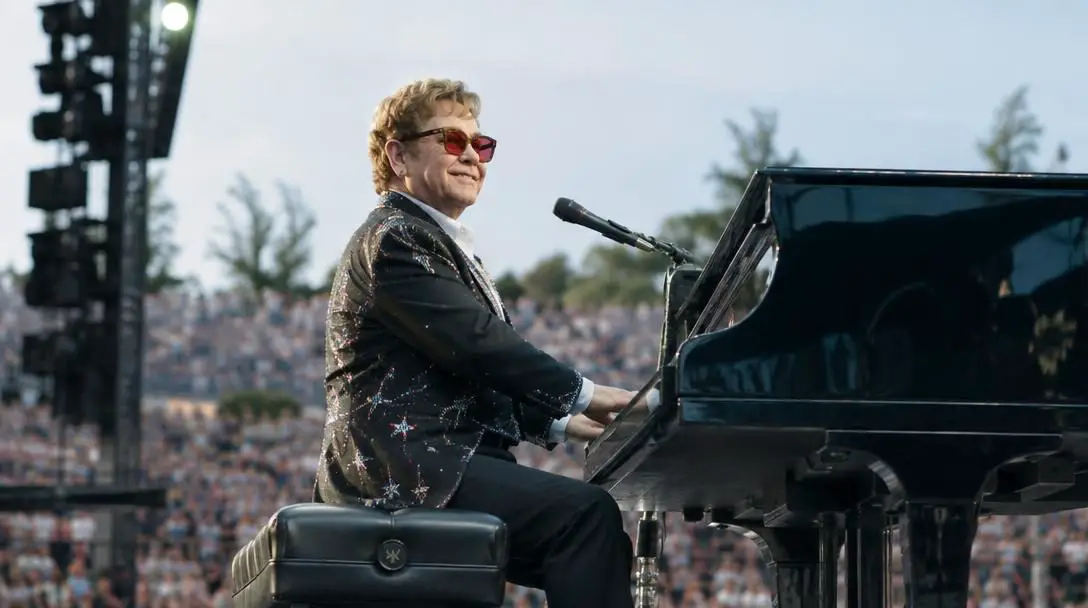
Elton John stands as one of the most celebrated and durable figures in modern entertainment, distinguished by a career that spans over five decades and includes more than 300 million records sold worldwide. Long before he became a global sensation recognized for his virtuosic piano performances, theatrical stage presence, and iconic oversized eyewear, he was an ambitious young musician navigating a working-class upbringing and striving to establish a foothold in the competitive British music industry.
Achieving generational success required far more than natural keyboard talent. His path to international stardom was forged through deliberate artistic reinvention, an extraordinary songwriting collaboration, resilient determination following commercial missteps, and the personal fortitude required to survive intense industry pressure and life-threatening health battles.
Key takeaways
- Elton John transformed from a working-class keyboardist named Reginald Kenneth Dwight into an international pop icon through rigorous musical training and bold visual reinvention.
- His complementary songwriting partnership with lyricist Bernie Taupin produced decades of historic hits through an unconventional, separate creative process.
- Rather than abandoning his ambitions after his 1969 debut album failed to sell, John persevered and delivered his commercial breakthrough just one year later.
- Confronting severe addiction and personal trauma in the 1980s enabled John to sustain his career and establish impactful global humanitarian initiatives.
Formative Milestones on the Road to Fame
The rise of Elton John was not an overnight discovery, but rather the cumulative result of years spent backing other performers, testing creative ideas, and establishing key professional alliances. Examining the critical projects, partners, and records from his early years illustrates how Reginald Kenneth Dwight systematically constructed the foundation of his superstar persona.
Bluesology

- Role: Keyboard player for the touring rhythm and blues outfit
- Key collaborators backed: The Isley Brothers and Patti LaBelle
- Significance: Inspired the stage name Elton John from bandmates Elton Dean and Long John Baldry
Born Reginald Kenneth Dwight on March 25, 1947, in Middlesex, England, John grew up in a working-class home marked by an absent father. His mother actively encouraged his musical gifts, fostering the early piano abilities that formed his core musicianship. In his late teens, he joined Bluesology, a working band that toured extensively across the United Kingdom. Backing prominent American acts like The Isley Brothers and Patti LaBelle gave him invaluable performance mileage. Seeking an identity suited for a charismatic frontman, he combined the names of saxophonist Elton Dean and vocalist Long John Baldry to christen himself Elton John.
Bernie Taupin

- Role: Lifelong lyricist and primary creative partner
- Writing method: Lyric drafts written independently before musical arrangement
- Partnership duration: More than thirty years of continuous creative output
In the late 1960s, a serendipitous introduction connected Elton John with lyricist Bernie Taupin, inaugurating one of the most prolific songwriting teams in music history. The pair discovered an effortless creative synergy despite working largely in isolation from one another. Taupin generated evocative, poetic lyrics, which he then passed to John to score at the piano. This balance allowed each artist to work purely within his zone of genius, yielding a catalog of timeless anthems that spanned multiple decades without creative friction.
Empty Sky

- Release date: 1969
- Format: Debut solo studio album
- Commercial outcome: Critically praised but commercially unsuccessful
Released in 1969, Empty Sky served as the world's introduction to the John-Taupin partnership. The album introduced listeners to John's eclectic songwriting, blending introspective piano chords with contemporary pop and folk-rock textures. While British music journalists recognized the raw talent behind the recordings and offered warm critical praise, the record failed to gain commercial traction on the sales charts. Instead of allowing this initial failure to stall their momentum, the duo returned straight to the studio to refine their approach.

Elton John (1970 Album)

- Release date: 1970
- Format: Sophomore self-titled studio album
- Signature tracks: "Your Song" and "Border Song"
- Commercial outcome: Massive international breakthrough hit
In 1970, John released his self-titled sophomore effort, Elton John, altering the course of his life forever. Propelled by the emotional directness and unforgettable melodic architecture of tracks like "Border Song" and "Your Song," the album captured the public imagination. Radio stations embraced the record worldwide, transforming John almost overnight from an unproven English songwriter into a globally recognized hitmaker. The album demonstrated that his fusion of sensitive lyrical storytelling and classical piano technique possessed massive mainstream appeal.
tbody| Milestone Entity | Era | Format / Role | Key Significance |
|---|---|---|---|
| Bluesology | Late 1960s | Touring rhythm and blues outfit | Provided formative touring experience and John's stage moniker |
| Bernie Taupin | 1967–Present | Lyricist and creative partner | Formed an enduring, thirty-year hitmaking collaboration |
| Empty Sky | 1969 | Debut studio album | Demonstrated critical promise despite commercial failure |
| Elton John | 1970 | Breakthrough studio album | Delivered international stardom with tracks like "Your Song" |
The Mechanics Behind the Hit-Making Engine
The longevity of Elton John's career rested on an unconventional creative engine that set him apart from traditional rock and pop groups of the era. His hitmaking machinery was powered by four foundational components:
- Creative division of labor: Taupin and John avoided the standard pop approach of co-writing in the same studio. Taupin drafted complete lyrics on his own, which John then set to music sitting at his piano, drafting chords, melodies, and vocal harmonies in rapid succession.
- Cross-genre composition: Rather than adhering strictly to basic rock progressions, John applied his classical piano fundamentals to rhythm and blues, rock, and accessible pop. This sophisticated harmonic palette produced enduring works such as "Tiny Dancer," "Rocket Man," and "Goodbye Yellow Brick Road."
- Visual branding and theatricality: Understanding that concert audiences listen with their eyes as well as their ears, John introduced an extravagant visual style. Outrageous sequined outfits, feather boas, and an endless array of oversized glasses turned his live concerts into unforgettable multimedia spectacles.
- Relentless workflow: Over a collaborative partnership exceeding thirty years, the duo consistently generated an expansive body of work, ensuring John remained a permanent fixture across radio formats and changing industry cycles.
Navigating Industry Battles, Mental Health, and Addiction
Behind the glittering stage outfits and celebratory chart success, John encountered serious personal and professional barriers. Early in his development, he weathered relentless rejections from record companies before signing an agreement with DJM Records. Even after proving his commercial viability, he engaged in prolonged conflicts with record executives to maintain his creative control.
As international fame expanded, the extreme demands of life in the spotlight triggered severe mental health issues, profound grief over personal losses, and severe dependency on drugs and alcohol. By the 1980s, realizing his physical health and sanity were hanging by a thread, John checked into a rehabilitation center. Embracing treatment allowed him to overcome his addictions, reconstruct his daily lifestyle, and protect the longevity of his musical career.
True longevity in entertainment requires the internal fortitude to step away, confront self-destructive behaviors, and rebuild when life presents overwhelming obstacles.
His resilience faced additional trials in later decades. In 1997, John underwent urgent surgery to address a life-threatening heart condition. Twenty years later, in 2017, a severe bacterial infection contracted on tour required intensive medical intervention and forced the cancellation of multiple performances. In every instance, his dedication to physical survival and artistic creation sustained his return to the world stage.
Philanthropic Power and Global Cultural Impact
Beyond his musical output, Elton John has built one of the most influential philanthropic legacies in modern cultural history. A proud advocate for human rights, he has used his visibility for decades to champion the LGBTQ+ community across the globe.

In response to a devastating health crisis, he established the Elton John AIDS Foundation. Through persistent advocacy and fundraising, the organization has directed millions of dollars toward cutting-edge research, clinical treatment, and community-level prevention efforts worldwide. Additionally, John proved instrumental in staging the historic 1985 Live Aid benefit concert, which mobilized musicians across continents to raise more than $127 million in famine relief for Africa. His philanthropic commitments demonstrate how celebrity capital can be channeled into profound humanitarian progress.
Strategic Career Lessons from Elton John's Evolution
The trajectory of Elton John’s journey offers actionable insights for musicians, creatives, and professionals across competitive industries:
- Build foundational technical competence early: John spent childhood years practicing classical piano and his late teens playing clubs with Bluesology. Mastering fundamental craft creates the technical fluency necessary to execute complex ideas under pressure.
- Form complementary alliances: Rather than attempting to become an elite lyricist, John partnered with Bernie Taupin. Pair your personal strengths with collaborators whose skills counterbalance your limitations.
- Cultivate an unforgettable personal brand: John fused classical musicianship with dazzling visual pageantry. Distinctive presentation amplifies elite talent and commands audience attention in a noisy marketplace.
- Treat initial failure as vital market feedback: When Empty Sky failed commercially in 1969, the songwriting team did not disband. They iterated immediately, returning in 1970 with a breakthrough record.
- Protect your personal well-being: Exceptional achievement cannot survive poor health. Knowing when to pause professional commitments to enter rehabilitation saved John's life and secured thirty additional years of productivity.
Common Pitfalls That Derail Creative Careers
Studying Elton John's career history also highlights critical pitfalls that frequently sabotage ambitious professionals:
- Surrendering creative control: Signing away artistic discretion in exchange for quick money or early exposure often strips creators of their long-term value. John continually fought record executives to protect his musical vision.
- Neglecting presentation: Believing that technical talent alone is sufficient often leads to obscurity. Failing to invest in visual branding, audience experience, and public presentation limits commercial reach.
- Operating in creative isolation: Attempting to handle songwriting, performance, business decisions, and branding simultaneously produces burnout. High-performing artists lean on specialized partners.
- Ignoring signs of addiction and burnout: Glossing over substance dependency or psychological distress will inevitably destroy a promising career. John's willingness to seek professional treatment in the 1980s remains his most consequential victory.
What to Study Next in Elton John's Journey
To deepen your understanding of modern music history and celebrity entrepreneurship, explore these related dimensions of Elton John's career:
- The Taupin-John song catalog: Analyze early 1970s recordings to observe how Taupin's poetic narrative choices guided John's intricate chord structures and melodic phrasing.
- Humanitarian campaign structures: Study how the Elton John AIDS Foundation and the 1985 Live Aid broadcast developed sustainable operational models for global fundraising.
- Longevity across media formats: Examine how John expanded from pop radio to Broadway theater and film, capturing multiple Grammy, Tony, and Academy Awards across fifty years of relevance.
Frequently asked questions
What was Elton John's birth name?
Elton John was born Reginald Kenneth Dwight on March 25, 1947, in Middlesex, England. He created his stage name during his late teens by combining the names of his Bluesology bandmates, Elton Dean and Long John Baldry.
How did Elton John and Bernie Taupin write their songs?
Elton John and Bernie Taupin utilized an unconventional division of labor where they rarely wrote in the same room. Taupin drafted poetic lyrics independently and handed them to John, who then composed the melodies, chord progressions, and piano arrangements around the words.
Which album launched Elton John into global commercial stardom?
While his 1969 debut album Empty Sky received critical praise, it was his self-titled 1970 sophomore release, Elton John—featuring classic hits such as "Border Song" and "Your Song"—that generated worldwide commercial success.
What major health battles did Elton John overcome?
John entered a rehabilitation facility in the 1980s to overcome severe drug and alcohol addiction. Later in life, he survived life-threatening heart surgery in 1997 and overcame a dangerous bacterial infection in 2017 that forced him to cancel tour dates.
How much money did Live Aid raise for famine relief?
Staged in 1985 with Elton John playing an instrumental performance role, the historic Live Aid global concert raised more than $127 million to assist famine relief efforts across Africa.
The bottom line
Elton John’s extraordinary journey proves that lasting cultural relevance is never an accident of luck or raw musical gift alone. It requires deep technical preparation, an appetite for theatrical daring, the humility to collaborate with exceptional partners, and the resilience to survive commercial rejection and personal crisis. By wedding musical discipline to authentic philanthropy and unyielding personal determination, he built a half-century legacy that continues to inspire artists and audiences across the globe.