The Secrets of Success: How Jennifer Aniston Got Famous
In the fiercely competitive landscape of modern entertainment, few performers have sustained the level of commercial relevance, cultural footprint, and cross-generational affection enjoyed by Jennifer Aniston. Best known globally for her landmark turn as Rachel Green on the television phenomenon Friends, she transitioned smoothly into Hollywood features, alternating between blockbuster romantic comedies and raw independent cinema. Her journey offers far more than a typical narrative of overnight celebrity; it represents a calculated masterclass in resilience, emotional intelligence, craft refinement, and strategic reinvention.
Behind her seamless charm lies a deliberate professional methodology. By navigating early family exposure to show business, withstanding years of professional rejection, diversifying her artistic portfolio, and conducting her public life with steady composure, Aniston established an enduring blueprint for long-term relevance. Analyzing her trajectory reveals the exact habits, project choices, and operating principles that transformed an auditioning hopeful into one of the industry's most bankable and respected figures.
Key takeaways
- Early exposure to the working realities of show business demystified Hollywood glamour and instilled the discipline required to endure repeated early career rejections.
- Breakthrough success in Friends was built on years of foundational auditioning, comedic timing, and emotional vulnerability that resonated across demographics.
- Strategic portfolio diversification into independent dramas proved her artistic depth and prevented the long-term career stagnation of being typecast.
- Maintaining dignified composure under relentless tabloid scrutiny protected her public brand and commercial standing over multiple decades.
- Professional longevity relies on treating setbacks as technical training, embracing continuous skill development, and grounding one's platform in social responsibility.
The Foundations of Stardom and Early Rejections
Jennifer Aniston did not stumble into the entertainment world by accident, nor was she blinded by its glittering exterior. Her father, John Aniston, was a respected, long-running soap opera actor. Growing up with an active working actor for a parent provided her with an unvarnished, behind-the-scenes education on what a creative career actually entailed. Rather than viewing the industry through the lens of effortless red carpets and instant fame, she witnessed the unglamorous realities: grueling hours on set, intense competitive pressure, technical rigor, and constant job insecurity. This early exposure stripped away false illusions, setting realistic expectations long before she ever walked into an audition room.
Despite this familial background, nepotism offered no easy shortcuts. Her early career was marked by the same grueling trial by fire experienced by most aspiring artists. Aniston spent years attending cattle-call auditions, enduring unreturned calls, filming pilot episodes that networks never picked up, and navigating the quiet discouragement of constant rejection. These early hurdles proved formative rather than destructive. Instead of abandoning her aspirations, she used these lean years as an intensive training ground. She learned how to process artistic disappointment without losing momentum, steady her resolve, and continuously refine her technical instincts while waiting for the right creative vehicle.
Key Screen Milestones That Defined Her Trajectory
The arc of Aniston's rise illustrates how precise artistic choices can convert temporary visibility into enduring influence. Rather than remaining static within a single comfort zone, she systematically varied the scale, tone, and genre of her projects to continually challenge industry expectations.
| Project | Format | Genre | Primary Artistic Focus |
|---|---|---|---|
| Friends | Television series | Ensemble comedy | Comedic timing, vulnerability, character evolution |
| The Break-Up | Feature film | Romantic comedy-drama | Commercial box-office viability outside television |
| Marley & Me | Feature film | Family comedy-drama | Broad demographic appeal, emotional resonance |
| The Good Girl | Independent film | Psychological drama | Subtle character study, departure from glamorous roles |
| Cake | Independent film | Dramatic feature | Unvarnished physical realism, emotional trauma |
Friends

- Role: Rachel Green
- Format: Television ensemble sitcom
- Cultural impact: Worldwide phenomenon redefining television comedy
Following a string of failed pilots and uncertain starts, Aniston secured the defining role of Rachel Green in the ensemble comedy Friends. The series rapidly surged into an unprecedented international phenomenon, reshaping television comedy for an entire era. While the entire ensemble shared electric chemistry, Aniston's performance anchored the show's romantic and emotional stakes. She demonstrated a rare gift for combining physical comedy, impeccable timing, and genuine vulnerability. Over ten seasons, viewers watched Rachel evolve from an anxious, sheltered suburban runaway into an independent, accomplished fashion professional. Aniston made that evolution feel authentic and deeply sympathetic, constructing a global following that served as the launchpad for her subsequent work.
The Break-Up

- Format: Commercial feature film
- Genre: Romantic comedy-drama
- Significance: Proved box-office drawing power as a cinema lead
As her decade-long run on television drew to a close, critics questioned whether television actors could carry major studio features independently. In the romantic comedy-drama The Break-Up, Aniston proved her commercial potency beyond the safety net of an established television ensemble. Pairing sharp comedic instincts with grounded emotional authenticity, she captured the painful, bittersweet dissolution of a domestic partnership. The film was a significant box-office triumph, demonstrating to studio executives that her personal magnetism could consistently draw large audiences into movie theaters.
Marley & Me
- Format: Commercial feature film
- Genre: Family comedy-drama
- Audience reach: Broad cross-generational demographic appeal
Continuing her successful cinematic transition, Aniston starred in the major family comedy-drama Marley & Me. The film achieved massive commercial success and widespread critical appreciation, cementing her status as one of Hollywood's most reliable and bankable stars for heart-centered narratives. Her performance served as the emotional ballast of the film, seamlessly balancing light domestic humor with the grief and vulnerability that accompany life transitions. The project confirmed her ability to speak to diverse age groups, retaining appeal among families, younger viewers, and long-term fans alike.
The Good Girl
- Format: Independent feature film
- Genre: Dark character drama
- Critical reception: Widespread praise for quiet emotional intensity
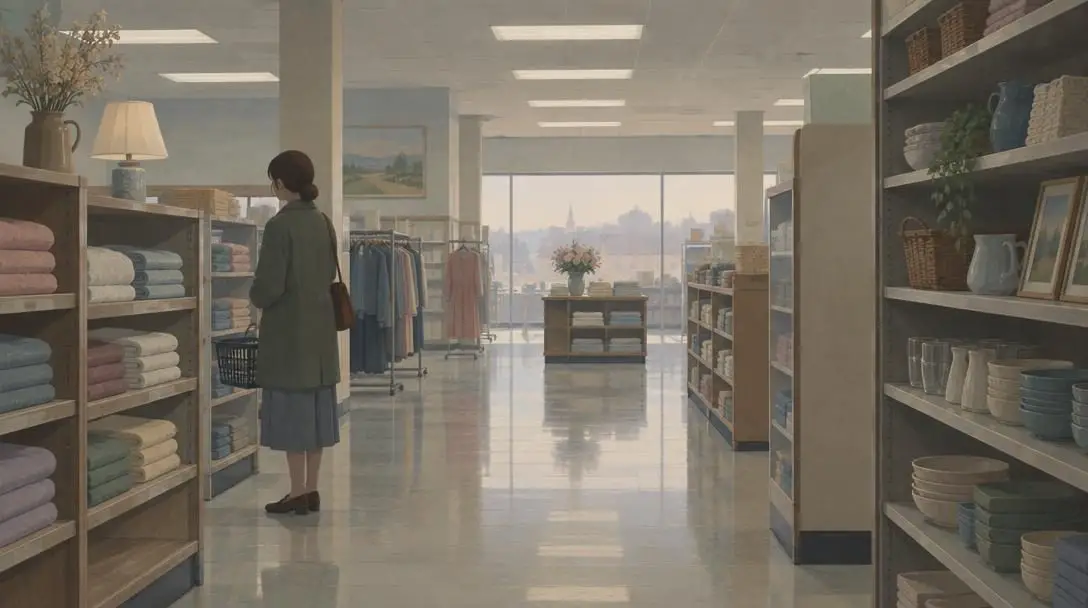
Aware that mainstream romantic comedies could lead to artistic stagnation, Aniston deliberately sought smaller, daring projects that challenged her public image. In the independent feature The Good Girl, she staged a dramatic departure from the bright, upbeat energy of network television. Portraying a dissatisfied, small-town store clerk trapped in an unfulfilling marriage and a monotonous job, she delivered a performance marked by quiet despair, emotional fatigue, and subtle intensity. The role earned her glowing critical reviews and demonstrated to industry decision-makers that her dramatic range extended far beyond comedic charm.
Cake

- Format: Independent feature film
- Character focus: Severe chronic pain, grief, and psychological trauma
- Industry recognition: Major award nominations across the industry
Aniston pushed her dramatic exploration even further with her leading turn in the gritty independent drama Cake. Playing a woman grappling with debilitating chronic physical pain, deep personal grief, and psychological scars, she cast aside the polished aesthetic long associated with her public persona. Appearing without conventional screen glamour, she embodied the physical limitations and emotional bitterness of intense suffering with unsparing realism. Her performance was widely celebrated by critics, earning major industry award nominations and definitively establishing her capability as a heavyweight dramatic performer.
Longevity at the highest level of entertainment requires deliberate portfolio diversification, balancing broad commercial triumphs with daring, unvarnished artistic challenges.
Cultivating Relatability and Navigating Media Pressure
A primary driver of Aniston’s sustained relevance is the emotional texture of her screen persona. In an industry where many celebrities construct distant, untouchable personas, Aniston became a superstar by being fundamentally approachable and authentic. Her characters routinely navigate workplace blunders, relationship turbulence, and social awkwardness with self-effacing warmth. Audiences do not merely watch her; they recognize their own insecurities and triumphs reflected in her work. This profound sense of accessibility converted casual entertainment consumers into loyal, lifelong advocates, giving her career an enduring reservoir of public goodwill.
Sustaining that connection across decades required surviving an unprecedented level of intrusive public scrutiny. From early in her career, Aniston was subjected to relentless tabloid attention, pervasive rumors, and invasive paparazzi coverage. Rather than reacting defensively or allowing sensationalism to dictate her career, she chose a path of disciplined dignity. By keeping her professional work at the center of her public identity and refusing to engage impulsively with tabloid cycles, she shielded her commercial credibility.
Beyond screen performances, she consistently reinforced her public standing through philanthropic engagement. Using her worldwide platform to champion social causes and support targeted charitable initiatives, she underscored that enduring professional capital should be directed toward positive civic impact. This alignment of visibility with genuine purpose transformed her from a simple screen presence into a respected cultural figure.
Actionable Steps for Long-Term Career Longevity
While few professionals will navigate the spotlight of global cinema, the principles governing Jennifer Aniston’s career provide clear operational strategies for anyone seeking durable relevance in competitive industries.
- Convert early failures into technical adjustments. Instead of viewing rejection as a verdict on your worth, treat it as objective diagnostic data. Analyze why a pitch, interview, or project did not land, adjust your methodology, and continue showing up.
- Build a distinctive, approachable core. Lean into authenticity rather than cultivating a detached or artificial exterior. Audiences, clients, and colleagues gravitate toward reliability, emotional intelligence, and warmth.
- Commit to perpetual skill refinement. Stagnation occurs when early success convinces a professional they have finished learning. Continually invest in mentors, study emerging industry shifts, and eliminate artistic or technical blind spots.
- Diversify your professional output. Avoid relying on a single project, skill set, or client base. Balance your dependable revenue-generating tasks with bold, experimental initiatives that stretch your capabilities.
- Maintain poise under high-pressure scrutiny. When operational friction, public missteps, or corporate crises arise, respond with measured calm. Protecting your integrity and composure prevents momentary crises from causing permanent reputational damage.
- Connect your influence to meaningful causes. Use whatever platform or capital you possess to mentor emerging talent and support civic initiatives. A career grounded in broader service establishes a legacy that transcends quarterly metrics.
Common Traps That Derail Professional Trajectories
Understanding sustainable success also demands identifying the pitfalls that cause promising careers to stall. Examining the hazards Aniston successfully avoided provides valuable lessons for professionals at any level:
- Surrendering after initial setbacks: Many individuals abandon high-potential trajectories after the first round of disappointment. Sustained success belongs to those who view early rejection as a prerequisite for development rather than a sign to quit.
- Allowing early triumphs to create a creative prison: The comfort of repeating an initial winning formula often leads to typecasting and obsolescence. Had Aniston remained entirely within network sitcoms, she would never have achieved critical standing in dramatic cinema.
- Engaging impulsively with external critics: Allowing outside gossip, bad-faith reviews, or market chatter to trigger knee-jerk decisions compromises long-term strategy. Delivering consistent, undeniable results is the most powerful response to skepticism.
- Relying exclusively on innate talent: Charisma or raw ability can open initial doors, but it cannot sustain a multi-decade career without continuous discipline, rigorous preparation, and dependable execution.
- Resisting necessary evolution: Industries, consumer preferences, and operating models shift constantly. Refusing to update capabilities or adapt to new formats eventually renders even exceptional professionals obsolete.
Frequently asked questions
How did Jennifer Aniston get her initial start in acting?
She grew up observing the reality of television production through her father, soap opera actor John Aniston. Before securing breakthrough opportunities, she spent years auditioning in Los Angeles, experiencing numerous rejected pilots, unreturned calls, and commercial auditions that built her resilience.
What role turned Jennifer Aniston into an international star?
Her definitive breakthrough was portraying Rachel Green on the ensemble television comedy Friends. Her blend of comedic timing, physical humor, and emotional vulnerability made the character a global cultural icon throughout the show's ten-season run.
Did Jennifer Aniston's family connections guarantee her success?
No. While her father's career provided valuable insight into the demands and discipline of show business, it did not bypass Hollywood's competitive gates. She navigated standard industry rejection, failed television pilots, and years of uncertainty before landing her first major hit.
Which projects established her reputation as a serious dramatic actress?
Her dramatic range was first highlighted in the independent film The Good Girl, where she played an emotionally exhausted retail worker. She later earned critical acclaim and major award nominations for her leading role in Cake, portraying a woman struggling with severe chronic pain and grief.
How did she maintain her career longevity after Friends ended?
Aniston actively diversified her professional portfolio. She proved her commercial appeal in hit movies like The Break-Up and Marley & Me, pursued serious dramatic roles in independent cinema, maintained an approachable public persona, and handled constant media scrutiny with poise.
The bottom line
Jennifer Aniston's enduring standing in modern entertainment is neither a product of pure serendipity nor an accidental byproduct of a hit sitcom. It is the hard-won outcome of a deliberate operating strategy rooted in preparation, emotional relatability, portfolio diversification, and disciplined composure. By treating setbacks as necessary training, daring to depart from comfortable commercial formulas, and conducting her career with dignity under intense scrutiny, she crafted one of the most resilient blueprints in entertainment history. Whether navigating the uncertainty of early auditions or managing the responsibilities of major success, professionals in any discipline can apply her playbook: prepare tirelessly, connect authentically, diversify constantly, and conduct yourself with unflinching grace.