The Top 5 Foods for a Better Night’s Sleep

Getting a restful night of sleep is one of the most essential physiological needs for human survival, standing right alongside clean drinking water in its importance for daily wellness. Despite its fundamental role in repairing tissue, balancing hormones, and restoring energy, quality rest remains elusive for a staggering portion of the population. Studies demonstrate that approximately one out of every three people struggles with falling or staying asleep on a daily basis, turning bedtime into a frustrating battle against restlessness and fatigue.
When searching for the culprits behind sleepless nights, modern habits quickly come under scrutiny. High-stress lifestyles, evening exposure to processed foods, and late-day caffeinated beverages frequently prevent the nervous system from winding down. Chronic sleep deprivation drains daytime productivity, weakens cognitive sharpness, and deteriorates physical health over time. Fortunately, making strategic adjustments to your evening plate offers a practical and effective way to reset your biological clock, using targeted nutrients to promote calm, restorative rest.
Key takeaways
- Roughly one-third of adults experience nightly sleep disturbances, which can be mitigated by choosing nutrient-dense foods over processed items.
- Key compounds like the essential amino acid tryptophan and the hormone melatonin directly signal the brain and body to prepare for slumber.
- Minerals like potassium and fatty acids like docosahexaenoic acid relieve muscle tightness and naturally stimulate melatonin production.
- Simple dietary swaps—such as pairing Greek yogurt with granola, snacking on bananas, or sipping tart cherry juice—support unbroken sleep throughout the night.
Understanding the Biochemical Bridge Between Food and Sleep
The transition from alert wakefulness to restorative slumber is governed by an intricate cascade of biochemical signals. Central to this process is melatonin, the primary hormone responsible for orchestrating the circadian rhythm. Melatonin informs organs and tissues that darkness has fallen, prompting heart rates to slow, body temperature to drop, and mental chatter to quiet down. When the body lacks the raw materials required to produce sufficient melatonin, natural sleep cycles are easily derailed.
Because the body cannot produce every necessary chemical compound independently, it relies heavily on diet. A prime example is tryptophan, an essential amino acid that must be obtained directly through the foods we eat. Once digested, tryptophan travels through the bloodstream and crosses into the brain, where it serves as a critical biological building block in the synthesis of melatonin. Without regular dietary sources of tryptophan, the body struggles to maintain consistent nighttime hormone levels.
Replacing processed items and late-night stimulants with wholesome sleep-supporting foods directly provides the biological fuel needed for effortless rest.
Beyond hormones and amino acids, physical relaxation demands proper mineral and lipid balance. Potassium operates as a natural muscle relaxant, regulating neuromuscular signals to release tension in tight muscle fibers and preventing sudden, painful muscle cramps that jar sleepers awake. Simultaneously, specialized omega-3 fatty acids—specifically docosahexaenoic acid—help ramp up internal melatonin synthesis. Supplying your system with these exact nutrients creates the ideal physiological foundation for sustained, uninterrupted rest.
Five Nutrient-Rich Foods for Deeper Rest
Shifting your evening nutrition toward sleep-supportive foods does not require exotic remedies or dramatic overhauls. Focusing on a handful of accessible, nutrient-dense staples can systematically address nighttime awakenings, physical restlessness, and digestive disruptions.
| Food | Key Sleep-Promoting Nutrient | Primary Restorative Mechanism | Recommended Form or Pairing |
|---|---|---|---|
| Bananas | Potassium, fiber, prebiotics | Relaxes tight muscles and stops cramps | Whole fruit or paired with peanut butter |
| Yogurt | Calcium, tryptophan, protein | Aids melatonin synthesis and curbs hunger | Greek yogurt topped with nuts or granola |
| Tart Cherries | Melatonin | Directly elevates circulating melatonin levels | Concentrated tart cherry juice (25-cherry equivalent) |
| Salmon | Docosahexaenoic acid (omega-3) | Stimulates internal melatonin production | Baked or broiled fillet eaten three times weekly |
| Turkey | Tryptophan | Provides raw amino acids for sleep hormone pathways | Roasted dinner portions alongside light sides |
Bananas

- Key Nutrients: Potassium, fiber, prebiotics, and natural sugars
- Primary Benefit: Relaxes muscular tension and prevents nighttime leg cramps
- Serving Suggestion: Eaten alone or paired with creamy peanut butter
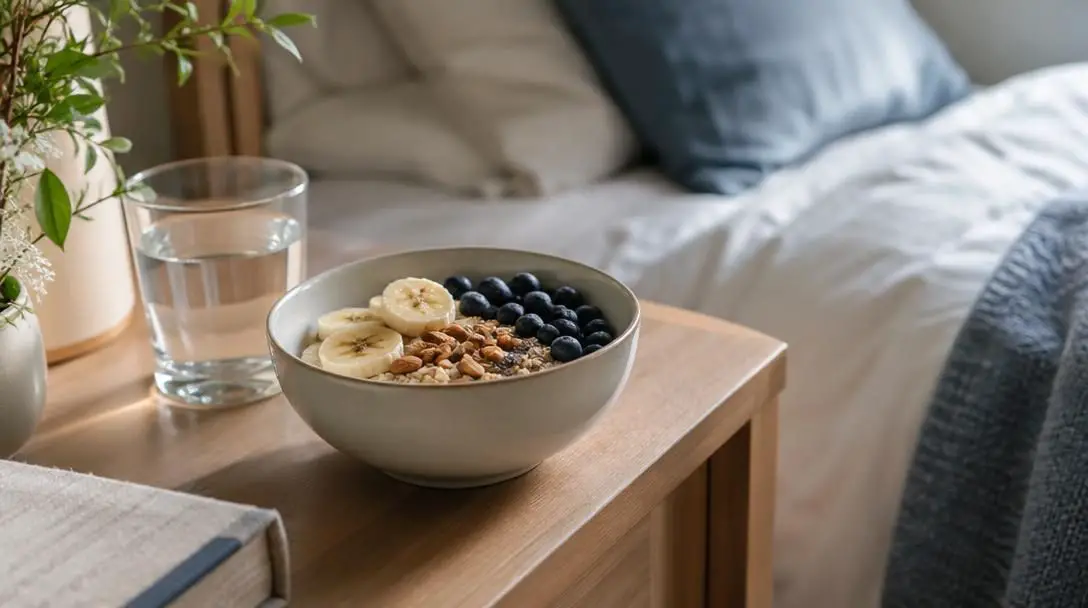
Bananas serve as an outstanding evening snack because they are readily digestible and naturally loaded with vital minerals. The fruit is packed with potassium, which functions as an internal muscle relaxant. By helping muscle tissues unwind after a long day of physical activity, potassium eases systemic tension and actively blocks painful nocturnal cramps that frequently interrupt deep sleep. In addition to potassium, bananas contain prebiotics, dietary fiber, and wholesome natural sugars that help keep overnight blood sugar levels stable, eliminating late-night restlessness caused by blood glucose crashes.
Yogurt
- Key Nutrients: Calcium, dietary tryptophan, and concentrated protein
- Primary Benefit: Encourages melatonin synthesis while eliminating hunger pangs
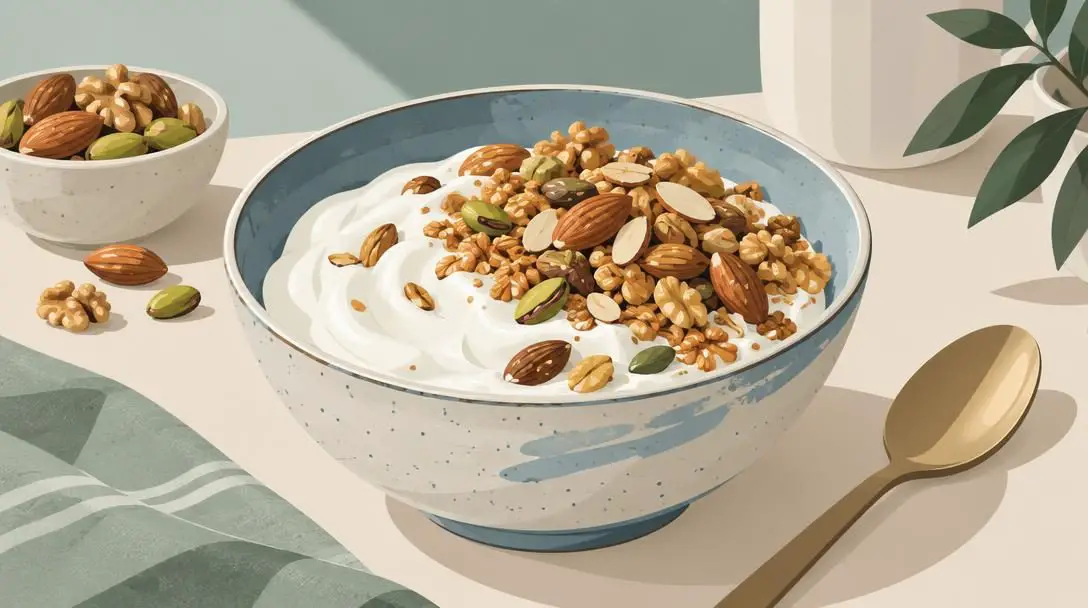
- Serving Suggestion: Greek yogurt paired with granola, nuts, or sliced banana
While traditional wisdom often recommends a warm cup of milk before bed, yogurt offers an even more versatile dairy-based solution. The brain relies on the calcium present in yogurt to efficiently process tryptophan, transforming this essential amino acid into naturally occurring melatonin. For individuals who find themselves waking up due to sudden midnight hunger pangs, Greek yogurt is an exceptional choice. Because Greek yogurt contains significantly more protein than standard varieties, it provides deep, long-lasting satiety that keeps the digestive tract satisfied straight through until morning.
Tart Cherries

- Key Nutrients: Naturally occurring plant-based melatonin
- Primary Benefit: Elevates internal melatonin counts to quicken sleep onset
- Serving Suggestion: 100% pure tart cherry juice
Tart cherries are among the rare natural food sources that contain significant quantities of genuine melatonin while also triggering your internal biological systems to produce more of the hormone. Within the tart cherry family, the Montmorency variety contains the highest concentration of sleep-inducing compounds. Because eating dozens of whole, raw cherries just before climbing under the covers can be cumbersome and heavy on the stomach, sipping tart cherry juice is the preferred strategy. A standard serving of concentrated tart cherry juice easily provides the nutritional power of approximately 25 Montmorency cherries, creating a fast, convenient bedtime tonic.
Salmon

- Key Nutrients: Omega-3 fatty acids, particularly docosahexaenoic acid
- Primary Benefit: Enhances overall sleep quality and long-term sleep stability
- Serving Suggestion: Prepared at least three times per week for dinner
Widely celebrated as an exceptional superfood, salmon provides profound advantages for sleep architecture. The fatty fish is rich in omega-3 fatty acids, specifically docosahexaenoic acid. This specialized compound plays an active role in stimulating the body's internal melatonin production pipelines, allowing individuals to drift off into deep rest with far greater ease. Scientific research indicates that enjoying salmon at least three times a week significantly elevates overall sleep quality, making it a powerful dietary anchor for consistent weekly meal planning.
Turkey

- Key Nutrients: Essential dietary tryptophan
- Primary Benefit: Supplies amino acids required to trigger nighttime drowsiness
- Serving Suggestion: Roasted or sliced as the centerpiece of an evening meal
The overwhelming drowsiness felt after a holiday dinner is often dismissed as a simple consequence of overindulgence, but turkey plays an authentic biological role in inducing that famous post-meal calm. The bird is dense with tryptophan, an essential amino acid that the human body cannot manufacture on its own. Supplying your system with a moderate serving of turkey during dinner ensures an abundant pool of tryptophan for the brain to convert into melatonin as darkness falls. You do not need to consume massive portions to experience the calming effects; modest, wholesome servings provide ample fuel for sleep pathways.

Practical Steps to Structure Your Evening Meals
Implementing dietary changes for sleep works best when approached methodically. By creating predictable routines around dinner and snacks, you can maximize nutrient absorption while avoiding digestive discomfort.
- Anchor three weekly dinners with fatty fish: Schedule salmon into your dinner rotation at least three nights every week. Baking or broiling fillets ensures you absorb ample docosahexaenoic acid to maintain higher baseline melatonin levels.
- Feature lean poultry in your evening menu: On nights when you are not preparing fish, build your dinner around roasted or sliced turkey. This steady supply of dietary tryptophan gives your brain the necessary raw compounds to initiate nighttime relaxation.
- Swap processed desserts for nutrient-rich pairings: Replace sugary bedtime snacks with whole-food options. Spread creamy peanut butter over a banana to combine potassium and steady energy, or stir a handful of nuts and granola into high-protein Greek yogurt to ward off late-night hunger.
- Incorporate a concentrated bedtime drink: Drink the juice equivalent of roughly 25 Montmorency tart cherries in the hour leading up to bed. This simple liquid routine provides a direct melatonin boost without taxing your digestive system.
Common Evening Dietary Mistakes to Avoid
Even with the best intentions, certain nighttime nutritional missteps can disrupt your sleep architecture and counteract the benefits of sleep-promoting foods.
- Overeating right before lying down: Consuming oversized portions of heavy foods immediately before bed forces the gastrointestinal tract to work overtime. Even sleep-friendly foods like turkey or yogurt should be eaten in moderate portions to prevent physical heaviness, indigestion, and acid reflux.
- Falling for sugar-laden dairy products: Many commercial yogurts contain substantial amounts of added sugars and artificial syrups. These processed sweeteners cause sharp blood sugar fluctuations that stimulate alertness instead of peace. Stick to unflavored Greek yogurt and add natural texture with nuts or fruit.
- Consuming late-day caffeine: Relying on caffeinated sodas, energy drinks, teas, or coffee late in the afternoon binds to adenosine receptors and actively negates the muscle-relaxing and sedative qualities of potassium and tryptophan.
- Ignoring painful muscle spasms: Dismissing nighttime leg cramps as simple bad luck leaves you vulnerable to frequent awakenings. Simple dietary adjustments, like eating a potassium-packed banana, can swiftly resolve mineral deficiencies and eliminate spasms.
Frequently asked questions
Why does the body need tryptophan from food to fall asleep?
Tryptophan is an essential amino acid, meaning the human body lacks the biological ability to produce it organically. It must be acquired through food items like turkey and dairy. Once ingested, the brain processes tryptophan into key neurochemicals, ultimately supporting the synthesis of melatonin, the hormone that dictates nighttime sleep cycles.
How many tart cherries do I need to consume to improve my sleep?
Research indicates that the nutritional equivalent of approximately 25 Montmorency tart cherries provides the necessary concentration of melatonin to support sleep onset. Drinking 100% tart cherry juice offers a convenient and easily digestible way to reach this threshold without having to chew through large quantities of whole fruit right before bed.
How frequently should I eat salmon to notice a difference in sleep quality?
Eating salmon at least three times a week has been demonstrated to improve overall sleep quality. The docosahexaenoic acid, a specific omega-3 fatty acid found in salmon, helps ramp up internal melatonin production, making it easier to drift off comfortably over time.
How do bananas help prevent waking up during the night?
Bananas are rich in potassium, which serves as a natural muscle relaxant within the body. Potassium loosens tight fibers and directly counters painful nocturnal cramps. Furthermore, their fiber, prebiotics, and natural sugars keep blood sugar balanced, preventing hunger-related awakenings.
Why is Greek yogurt preferred over regular yogurt for a midnight snack?
Greek yogurt contains a significantly higher concentration of protein than standard yogurts. This elevated protein content provides deep, long-lasting satiety that keeps sharp hunger pangs from interrupting sleep, while its calcium assists the brain in converting tryptophan into melatonin.
The Bottom Line
Chronic sleep deprivation does not have to be an inevitable reality of modern life. While roughly one out of three individuals continues to endure frustrating, restless nights on a daily basis, your evening diet represents an accessible, drug-free lever for real improvement. The foods you choose to consume provide the fundamental building blocks your internal biological clock needs to function correctly.
By regularly incorporating salmon, turkey, Greek yogurt, tart cherries, and bananas into your meals, you supply your body with the potassium, docosahexaenoic acid, tryptophan, and melatonin essential for effortless relaxation. Avoid heavily processed, sugary items and late caffeine, and focus instead on steady, nutrient-dense nutrition. With small, consistent changes to your nightly routine, you can eliminate nighttime tossing and turning and enjoy the deep, rejuvenating rest your body needs to thrive.