Investigating Natural Remedies For Insomnia And Other Sleeping Issues
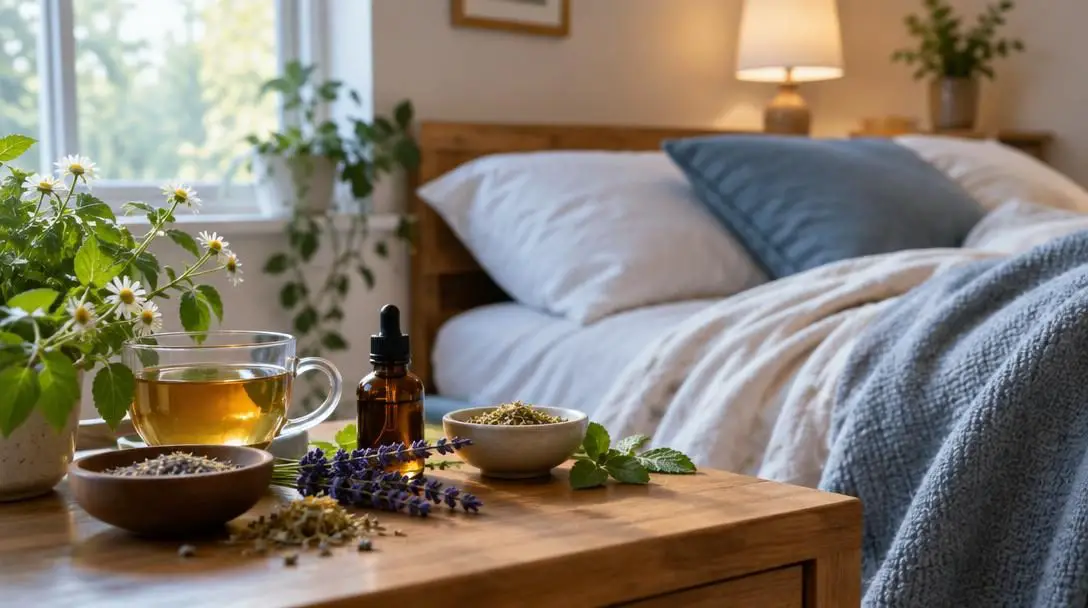
Sleep is an indispensable pillar of human health, yet millions of people regularly endure the exhausting frustration of insomnia and disrupted nights. When quality sleep is compromised, everyday tasks become significantly more demanding, cognitive sharpness and focus deteriorate, and maintaining emotional balance becomes an uphill struggle. Chronic sleeplessness reaches far beyond basic morning fatigue; it can compromise the body's natural immune defense, leave individuals more vulnerable to various physical ailments, and amplify feelings of persistent worry, mental strain, and irritability.
While modern pharmaceutical options exist to treat sleep disruptions, many individuals actively seek natural alternatives before committing to prescription medications. Prescription sleeping pills frequently carry legitimate concerns regarding dependency, uncomfortable morning grogginess, and unwanted adverse effects. In contrast, natural remedies—ranging from traditional herbal teas and plant-derived essential oils to essential dietary minerals and daily lifestyle adjustments—offer gentle, non-pharmaceutical pathways to help quiet the mind, ease muscular tension, and encourage a smooth transition into restorative rest.
Key takeaways
- Natural remedies such as chamomile, lavender, valerian root, and magnesium target specific neurological and physical pathways to promote calm without pharmaceutical side effects.
- Chamomile relies on the antioxidant apigenin to bind to brain receptors, while valerian root functions by elevating levels of the calming neurotransmitter GABA.
- Timing is critical for lifestyle remedies like physical exercise, which promotes deep rest when performed earlier in the day but can interfere with sleep if done right before bed.
- Holistic sleep improvements require pairing botanical aids and mineral supplements with rigorous sleep hygiene, including consistent bedtimes and eliminating afternoon caffeine.
Key natural remedies for sleep and how they work
Natural interventions for insomnia do not simply mask symptoms; they interact with biological systems to reduce alertness and prepare the body for slumber. From antioxidant compounds that latch onto brain receptors to calming aromatherapy and essential macrominerals, these remedies utilize diverse mechanisms to foster peaceful, uninterrupted rest.
| Remedy | Form | Primary Mechanism | Key Benefit |
|---|---|---|---|
| Chamomile | Herbal tea | Apigenin binds to specific brain receptors | Promotes mild sedation and faster sleep onset |
| Lavender | Essential oil (aromatherapy) | Scent-driven nervous system calming | Alleviates anxiety, stress, and physical tension |
| Valerian Root | Tea or dietary supplement | Increases GABA levels in the brain | Prevents neural overstimulation to ease winding down |
| Magnesium | Dietary mineral supplement | Regulates nerve transmission and muscle relaxation | Releases accumulated physical tension and supports sleep quality |
| Regular Exercise | Physical activity | Lowers circulating stress hormones and expends energy | Encourages natural nighttime recovery and deeper sleep |
Chamomile Tea

- Remedy Type: Herbal tea infusion
- Active Compound: Apigenin
- Primary Action: Mild sedative via brain receptor binding
- Recommended Timing: 30 to 60 minutes before bed
Chamomile tea has served as a trusted bedtime staple across generations, recognized for its gentle ability to calm an unsettled mind. The primary secret behind chamomile's effectiveness is an antioxidant known as apigenin. When consumed, apigenin binds directly to specialized receptors in the brain that are responsible for encouraging sleepiness and reducing symptoms of insomnia.
By interacting with these targeted receptor pathways, chamomile acts as a natural, mild sedative. The ritual of preparing and slowly sipping a warm herbal brew also provides a psychological signal that the day is coming to a close. This combination of biochemical action and soothing routine helps reduce the time it takes to drift off, allowing the body to ease naturally into the early stages of rest.
Lavender Essential Oil

- Remedy Type: Plant-derived essential oil
- Application: Aromatherapy, diffusion, or bath additive
- Primary Action: Nervous system calming and stress reduction
- Usage Warning: Aromatic or topical only; never ingest
Unlike herbal infusions that must be digested, lavender essential oil delivers its therapeutic benefits primarily through the olfactory system. Inhaling the aromatic compounds of lavender triggers a soothing reaction in the autonomic nervous system, effectively lowering feelings of stress, anxiety, and restlessness. Because emotional strain and an overactive stress response are among the leading triggers of sleepless nights, counteracting these factors creates a direct pathway to better slumber.
Lavender works exceptionally well when integrated into a physical relaxation ritual. Introducing a few drops into an evening bath allows the warm water to open pores and vaporize the scent, soothing tired muscles while calming the senses. Alternatively, running a cool-mist diffuser in the bedroom allows the aroma to linger throughout the evening, shifting the nervous system out of high alert and preparing the mind for undisturbed sleep.

Valerian Root

- Remedy Type: Botanical root (herb)
- Active Target: GABA (gamma-aminobutyric acid) neurotransmitters
- Available Forms: Dried root tea or concentrated supplements
- Historical Context: Used for centuries as a traditional sleep aid
Valerian root is one of the most thoroughly documented traditional herbs for combating sleeplessness, possessing a history of therapeutic use that spans hundreds of years. The primary mechanism of valerian root centers on its influence over brain chemistry, specifically by increasing the availability and activity of gamma-aminobutyric acid (GABA).
GABA serves as the central nervous system's chief inhibitory neurotransmitter. Its job is to dampen excessive neural activity and prevent the brain from becoming overstimulated by racing thoughts and environmental inputs. When valerian root amplifies GABA signaling, it essentially tells the nervous system to decrease its firing rate. This inhibitory boost helps quiet racing thoughts, eases physical agitation, and smooths the transition into deep, restorative sleep cycles.
Magnesium

- Remedy Type: Essential dietary macromineral
- Systemic Role: Regulates muscle contraction, nerve impulses, and internal clock
- Sourcing: Available at most health food stores and pharmacies
- Clinical Evidence: Studies show improved sleep quality in individuals with insomnia
Magnesium is an essential mineral responsible for powering hundreds of crucial biochemical reactions throughout the human body. Beyond supporting bone density and metabolic health, magnesium is deeply involved in the biological processes that govern sleep regulation. It facilitates proper nerve transmission, helps maintain the body's internal biological clock, and prevents muscle fibers from remaining in a state of continuous, tense contraction.
Clinical studies indicate that supplementing with magnesium can noticeably enhance overall sleep quality, particularly for individuals experiencing chronic insomnia. When magnesium levels are balanced, skeletal muscles are able to release accumulated tension more completely, and the brain can more easily dial back daytime alertness. Magnesium supplements, readily purchased at health food stores, can be seamlessly incorporated alongside an evening snack to assist the body's natural wind-down sequence.
Regular Exercise

- Remedy Type: Lifestyle intervention
- Mechanism: Lowers circulating stress hormones and expends excess energy
- Primary Benefit: Encourages rapid sleep onset and deeper physical recovery
- Timing Consideration: Complete workouts early to prevent temperature spikes before bed
Physical activity serves as one of the most effective non-chemical sleep aids available. Engaging in regular daytime exercise helps expend surplus physical energy, prompts the reduction of circulating stress hormones such as cortisol, and conditions the body to demand restorative, slow-wave sleep once night arrives. People who maintain an active routine consistently report falling asleep faster and experiencing fewer nighttime awakenings.
However, the timing of physical exertion is paramount. Strenuous workouts cause a temporary surge in internal core body temperature, raise the resting heart rate, and stimulate the sympathetic nervous system. Because the body must cool down and downshift neurologically before sleep can occur, high-intensity exercise performed immediately before bed can backfire, making it much harder to fall asleep.

Natural remedies do not simply force sedation; they gently support the body's innate neurological pathways to make peaceful rest possible.
How to build an effective evening sleep routine
Relying on a single remedy in isolation rarely produces transformative results. To maximize the benefits of herbal aids, minerals, and lifestyle changes, you should weave them into an organized, predictable evening routine. Structuring your final waking hours signals your circadian rhythms that it is time to transition from daytime vigilance to nightly recuperation.
- Schedule daytime physical movement early: Complete all moderate to vigorous workouts during the morning or afternoon hours. Finishing exercise well ahead of the evening guarantees your core body temperature and heart rate have adequate time to normalize before bedtime.
- Eliminate afternoon stimulants: Cut off all caffeinated beverages—including coffee, colas, energy drinks, and caffeinated teas—early in the day. Ensuring caffeine has completely cleared your system prevents it from overpowering your evening calming remedies.
- Prepare your soothing botanical drink: Approximately thirty to sixty minutes before you intend to sleep, brew a hot cup of chamomile tea or valerian root tea. If you prefer capsules, take your valerian root supplement with a small glass of water during this same window.
- Set up ambient aromatherapy: Add a few drops of pure lavender essential oil to a bedroom diffuser to let the calming scent permeate your sleeping space, or add the oil to warm bathwater for a relaxing full-body soak.
- Incorporate your mineral supplement: Take your magnesium supplement alongside a light, non-stimulating evening snack according to the package directions provided by the manufacturer.
- Maintain strict environmental sleep hygiene: Finish your evening by going to bed at the exact same hour every night. Dim harsh overhead lights, silence alerts, and keep your bedroom cool and dark to let your natural remedies perform their work undisturbed.
Common mistakes that undermine natural sleep aids
When natural sleep remedies seem ineffective, the issue is often not the remedy itself, but the habits surrounding its use. Avoiding common pitfalls ensures that botanicals and minerals have the best possible biological environment in which to function.
- Working out too late in the evening: Engaging in intense cardiovascular exercise or heavy weightlifting within a few hours of bedtime elevates core body temperature and stimulates the nervous system, completely overriding the relaxing effects of evening teas or supplements.
- Drinking caffeine late in the day: Consuming coffee, soda, or dark teas in the late afternoon or evening blocks adenosine receptors in the brain. This persistent stimulant activity easily overwhelms the gentle sedative actions of apigenin in chamomile or elevated GABA from valerian root.
- Expecting instant, dramatic transformations: Unlike synthetic prescription sedatives that abruptly induce unconsciousness, natural minerals and botanical herbs work subtly to rebalance bodily systems over time. Abandoning remedies after only a night or two prevents compounds like magnesium and valerian from building systemic effectiveness.
- Swallowing essential oils: Ingesting lavender oil directly by mouth is dangerous and unnecessary. Essential oils are crafted exclusively for aromatic diffusion or topical dilution in bathwater; they do not function as internal dietary supplements.
- Ignoring foundational sleep hygiene: Taking supplements while going to bed at unpredictable, erratic hours weakens your internal circadian clock. Natural aids cannot fully compensate for irregular sleep schedules or late-night exposure to stimulating environments.
- Disregarding supplement package instructions: Guessing dosages or taking erratic amounts of valerian root or magnesium supplements from health food stores can lead to mild digestive upset or suboptimal outcomes. Always follow the manufacturer's suggested use.
Monitoring your progress for long-term sleep health
Adopting natural remedies is not a one-size-fits-all prescription; it is a personalized process of tuning your daily habits to discover what your body responds to best. Keeping a simple nighttime sleep journal is an effective way to track changes. Record the exact remedies you utilized, the timing of your exercise, whether lavender was diffused, and when you consumed your chamomile or valerian root tea.
Alongside these inputs, record how long it took to drift off, the frequency of any midnight awakenings, and how clear-headed and refreshed you feel the next morning. Tracking these variables over several weeks will highlight which remedies deliver the most meaningful relief for your specific insomnia symptoms.
It is equally crucial to recognize that individual responses vary widely. Sleep disturbances stem from complex, multifaceted origins, ranging from prolonged psychological stress to schedule unpredictability and underlying health conditions. What produces deep, uninterrupted rest for one person may only yield modest improvements for someone else. Evaluating natural aids as part of an integrated, healthy lifestyle ensures you build a sustainable foundation for lifelong rest.
Frequently asked questions
How does chamomile tea make you feel sleepy?
Chamomile tea contains an antioxidant known as apigenin, which binds directly to specific receptors in the brain that encourage sleepiness and reduce the symptoms of insomnia. This biological interaction produces a mild sedative effect, making it easier to fall asleep faster.
Can I swallow lavender essential oil to cure my insomnia?
No, you should never ingest or swallow lavender essential oil. It is formulated specifically for aromatic diffusion into the air or for dilution in warm bathwater. Ingesting essential oils can cause adverse health effects and is unsafe.
Why does exercising late at night make it harder to sleep?
While regular exercise reduces stress and improves sleep quality, working out too close to bedtime raises your internal core body temperature and stimulates your nervous system. These stimulating physiological effects counter relaxation and make it difficult for your body to transition into rest.
How does valerian root calm the nervous system?
Valerian root works by increasing the levels of gamma-aminobutyric acid (GABA) in the brain. GABA is an inhibitory neurotransmitter that prevents the central nervous system from becoming overstimulated, signaling the brain to wind down and helping you relax.
Do natural sleep remedies work immediately after the first dose?
Natural remedies often work subtly to balance nervous system activity and muscle tension over time. Unlike pharmaceutical sleep medications, options such as valerian root, chamomile, and magnesium supplements may require consistent, regular use over multiple days to demonstrate their full sleep-promoting benefits.
The bottom line
Overcoming insomnia and broken sleep does not always require immediate reliance on prescription medications. By exploring natural alternatives such as chamomile tea, lavender aromatherapy, valerian root, and magnesium, you can leverage biological pathways that encourage genuine physical and mental relaxation. When these non-pharmaceutical tools are combined with smart daytime exercise, consistent bedtimes, and an absence of late-day stimulants, they provide a reliable, sustainable path to achieving deep, rejuvenating sleep night after night.