Top 5 Bedtime Routines to Help Your Child (And You) Get a Great Night’s Sleep

For parents and caregivers across the globe, few household challenges feel quite as immediate or physically exhausting as the evening sleep struggle. Ensuring that children receive adequate, restorative rest is foundational to their physical, emotional, and cognitive development. When chronic sleep deficits accumulate, children become significantly more vulnerable to heightened anxiety, unprompted bouts of hyperactivity, and sudden emotional irritability. In both classroom settings and daily family life, sleep-deprived young people frequently grapple with fundamental cognitive functions, including sustained attention, working memory retention, and the capacity to absorb and synthesize new learning.
Conversely, children who consistently enjoy sufficient, high-quality, uninterrupted rest demonstrate enhanced physical vitality, stronger mental health, heightened cognitive aptitude, and a much more resilient baseline of emotional well-being. One of the most effective, enduring ways to secure these developmental benefits is through the deliberate establishment of structured bedtime routines. Far from being a rigid set of household chores, a reliable evening sequence signals to both the developing brain and the body that the day is drawing to an orderly, peaceful close. By purposefully cultivating a calming domestic environment and honoring a dependable evening timetable, both you and your child can trade bedtime friction for deep, restorative sleep night after night.
Key takeaways
- Predictable bedtime routines provide the biological and psychological scaffolding necessary for children to transition smoothly from daytime stimulation into deep, restorative rest.
- Age-specific sleep guidelines require between 11 and 13 hours of nightly sleep for preschool-aged children and 8 to 10 hours for teenagers.
- Turning off digital screens at least one full hour before bedtime protects natural melatonin production and prevents visual and mental hyper-arousal.
- Collaborating with children on the sequence of their evening habits builds personal ownership, curbing stalling tactics and reducing bedtime resistance.
- Caregivers who model consistent wind-down habits and healthy sleep schedules reinforce long-term sleep hygiene for the entire household.
The Developmental Science of Childhood Sleep and Recovery
Rest is far from a passive biological event where the human machine simply powers down. Instead, slumber represents an active, biologically demanding period of neurological recovery, emotional consolidation, and systemic physical restoration. During early childhood and adolescence, the human brain undergoes unprecedented rates of physical maturation and synaptic remodeling. Deep sleep provides the essential physiological window required for consolidating newly acquired memories, processing the complex sensory and emotional inputs of daily experiences, and facilitating the cellular repair needed for steady physical growth.
Rest is an active period of neurological recovery, emotional sorting, and physical rejuvenation that childhood development strictly demands.
When sleep deprivation enters a household, the central nervous system quickly becomes strained. Young children simply do not possess the mature neurochemical or behavioral mechanisms necessary to regulate an overtired body. As a result, acute exhaustion often disguises itself not as lethargy or drowsiness, but as hyperactive behavior, sudden emotional dysregulation, obstinacy, and an inability to process simple parental instructions. In many homes, this mismatch turns the bedroom into an evening battlefield fueled by resistance, delay tactics, and unprompted bursts of frantic energy. Viewing sleep through the lens of developmental biology helps reframe bedtime from an arbitrary domestic rule into a non-negotiable physiological requirement.
How Evening Routines Rewire the Nervous System for Sleep
Human neurological architecture relies heavily on environmental cues and predictable sequences. Bedtime routines capitalize on natural behavioral conditioning and biological signaling to assure the child's nervous system that the surrounding environment is entirely secure, predictable, and ready for rest. When the exact same sequence of gentle activities unfolds in an identical order each evening, the brain begins to prepare chemically for slumber long before the child is tucked into sheets. This physiological transition operates across three primary dimensions of a child's internal experience:
- Environmental conditioning: External sensory cues—such as the gradual dimming of overhead lights, the warm water of a bath, and the tactile comfort of fresh sleepwear—function as conditioned stimuli. Over repeated exposures, these sensory milestones prompt the brain to lower baseline alertness and activate its parasympathetic systems.
- Neurological calming: Rushing, stress, and daytime friction sustain an elevated state of physiological arousal. Introducing deliberate, low-stimulation activities allows the sensory organs to de-escalate, steadying the child's heart rate, relaxing muscle tension, and reducing the internal production of stress hormones.
- Emotional reassurance: Going to sleep fundamentally requires a young child to separate from their primary caregivers and from the active world. A clear, affectionate routine provides emotional anchors of safety and proximity, dispelling the latent separation anxiety that frequently drives bedtime stalling and evening distress.
The Top 5 Bedtime Routines for Restorative Sleep
Transforming turbulent evenings into a dependable, relaxing conclusion requires purposeful structure. The following foundational routines offer a comprehensive, actionable framework to cultivate enduring sleep hygiene for the entire household.
| Routine | Primary Focus | Key Activities | Main Developmental Benefit |
|---|---|---|---|
| 1. Consistent Bedtime | Circadian alignment | Fixed sleep/wake hours, warm bath, hygiene, reading | Stabilizes internal clock and reduces overtiredness |
| 2. Unwind and Relax | Sensory de-escalation | Dim lighting, aromatherapy, soft audio, coloring | Lowers heart rate and eases bedtime anxiety |
| 3. Limit Screen Time | Melatonin preservation | Powering off devices 60 minutes prior, reading print books | Prevents cognitive hyper-arousal and delays in sleep onset |
| 4. Collaborative Planning | Emotional buy-in | Joint schedule design, choice of books, open conversation | Eliminates power struggles and eases separation worries |
| 5. Adult Consistency | Behavioral modeling | Parental wind-down, light stretching, consistent sleep hours | Fosters a peaceful home environment and sustains parental patience |
Set a Consistent Bedtime
Establishing an unyielding, predictable bedtime stands as one of the single most influential choices a caregiver can make. Children who go to sleep on a steady, unvarying schedule fall asleep significantly faster, stay asleep more reliably through the night, and wake up far less prone to the erratic moods, crankiness, and emotional fragility caused by cumulative overtiredness. To choose the right bedtime, parents must examine developmental sleep requirements across different age brackets. Younger children have biological sleep needs that vastly exceed those of their older siblings, and even modest scheduling drift can degrade sleep quality. According to established developmental guidelines, preschool-aged children typically require between 11 and 13 hours of sleep per night to support optimal brain development, whereas teenagers require approximately 8 to 10 hours of rest.
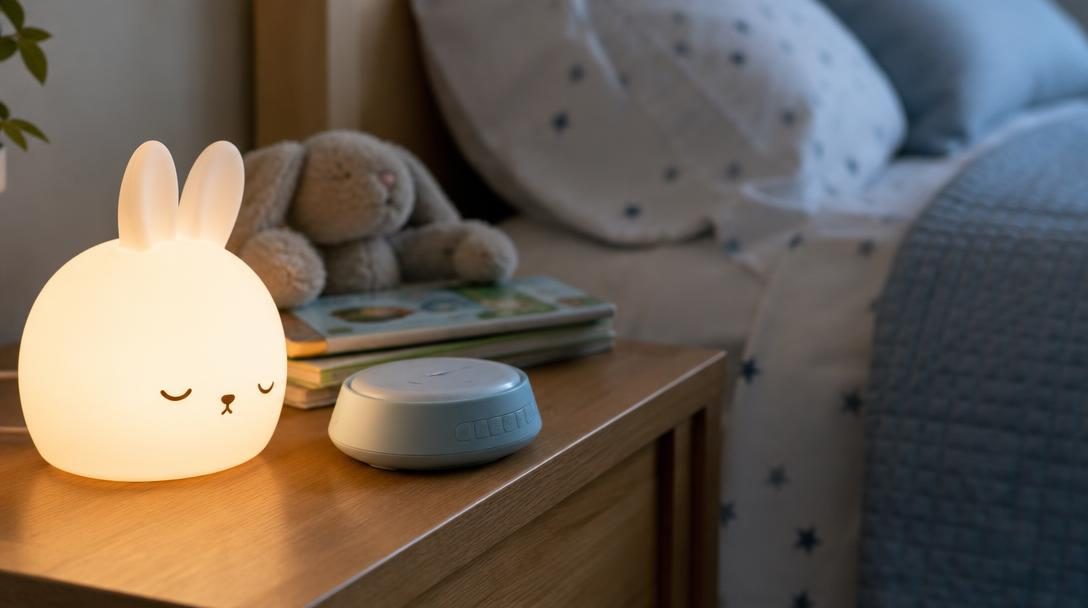
Once you calculate your target hour, construct a dependable cascade of clear cues that signal the approach of sleep. A foundational sequence should flow logically through essential tasks: taking a warm, relaxing bath; brushing teeth and completing personal hygiene; changing into comfortable, clean pajamas; and settling down together to read a comforting book. Maintaining strict consistency with these individual steps provides an unmistakable internal pattern, enabling the child's body to wind down in anticipation of sleep.
Unwind and Relax
Just as working adults require time to shed the tensions and mental residue of a demanding day, young children need an intentional decompression window before they can be expected to sleep. Creating a deeply soothing home environment reduces emotional friction, fosters an atmosphere of tranquility, and directly counters sleep-related anxiety. There are multiple practical, sensory-friendly techniques you can incorporate into this winding-down window:
- Introduce gentle aromatherapy into the bedroom space, utilizing natural, calming scents such as lavender or chamomile to create sensory associations with rest.
- Dim artificial household lights throughout the living areas to visually reinforce the arrival of biological night.
- Play low-volume, soothing sounds, ambient white noise, or soft instrumental music to buffer domestic background noise and cultivate a feeling of stillness.
- Direct your child toward quiet, low-stimulation creative activities before lights out, such as coloring with crayons, writing down thoughts in a journal, or trying simple breathing meditations.
Limit Screen Time
Digital displays on modern devices—including smartphones, tablets, handheld games, and televisions—generate concentrated visual and psychological overstimulation. The bright light and rapid visual transitions keep developing minds in a state of hyper-arousal, which significantly delays the onset of natural sleepiness and disrupts natural sleep architecture. To preserve natural sleep cycles, the American Academy of Pediatrics strongly advises removing all electronic screens for at least one full hour prior to bedtime. Enforcing this screen-free perimeter allows the brain to release melatonin without artificial interference, helping children fall asleep faster and achieve deeper, more restorative slumber.
Caregivers can seamlessly replace digital screens with wholesome, low-tech alternatives that soothe the senses. Try sitting down to read a print book or graphic novel together, listening to gentle, relaxing music or a quiet audiobook, or soaking in a warm, unhurried bath with low lighting. These tactile, screen-free options lower cognitive stimulation while maintaining an enjoyable atmosphere.
Create a Bedtime Routine Together
Bedtime resistance frequently stems from a child's perception that rules are being unilaterally imposed upon them. Designing an evening plan collaboratively with your child is an effective psychological strategy that fosters personal buy-in and encourages cooperation. When young people play an active role in crafting their evening routine, they gain an empowering sense of ownership and are far more inclined to embrace the schedule cheerfully rather than push back against it.
Begin by inviting your child to share their thoughts, personal preferences, and ideas during a quiet moment in the afternoon. You can give them choices regarding which favorite bedtime books to read, the scent of soap used during bath time, or the order of quiet games played before bed. Furthermore, use this shared routine as a prime opportunity for meaningful emotional connection. Dedicate a few quiet minutes to talking about their day, listening actively as they express their experiences, small victories, or hidden anxieties. Opening this empathetic channel ensures that lingering worries, schoolyard stress, or unspoken fears are heard and resolved before their head rests upon the pillow.

Be Consistent with Adult Bedtimes and Routines
While organizing an effective schedule for children is a top priority, caregivers cannot afford to overlook their own biological need for restorative sleep. Children are astute observers; parents who visibly embody sound sleep habits and prioritize their own sleep routines are vastly more successful at anchoring durable, lifelong bedtime habits in their children. When caregivers burn the candle at both ends, parental exhaustion erodes the emotional patience required to handle bedtime stalls with calm authority.
To preserve your own parental patience and health, construct a structured adult bedtime routine that mirrors the calm of your child's schedule. Effective adult wind-down practices include reading a chapter of an engaging, non-stimulating print book, practicing slow, deep diaphragmatic breathing or mindfulness exercises, and engaging in gentle physical stretching or light evening yoga to relieve accumulated physical tension. Whenever practical, strive to synchronize your personal sleep schedule with the rhythm of your home. Aligning adult sleep habits with the household schedule establishes a shared domestic environment that dramatically improves sleep outcomes for parents and children alike.
A Step-by-Step Implementation Guide for Families
Replacing chaotic, contentious evenings with a calm, streamlined bedtime schedule requires a deliberate, step-by-step approach. Attempting to overhaul your home's habits in a single evening can trigger unnecessary friction. Instead, use this practical implementation framework to systematically introduce lasting change:
- Audit current habits: Spend two to three days observing the existing evening trajectory without judgment. Record exactly when dinner finishes, when electronic devices are powered down, when the child gets into bed, and when they actually drift off to sleep.
- Calculate the schedule: Determine the child's mandatory morning wake-up time for school or daycare, then calculate backward to provide the developmentally required sleep hours (allocating 11 to 13 hours for preschoolers and 8 to 10 hours for teens).
- Hold a family planning session: Discuss the new evening rhythm during daylight hours. Encourage your child to participate by selecting pajamas, picking out stories, and choosing the sequence of non-negotiable hygiene tasks.
- Set up the sleep environment: Ready the bedroom well before bedtime. Lower the window shades, dim the lights, introduce calming scents such as lavender or chamomile, and configure gentle background audio if helpful.
- Initiate the wind-down alarm: Set a gentle chime exactly 60 minutes before the targeted sleep time. When it chimes, power off all electronic screens, dim overhead household lights, and transition into quiet evening activities.
- Run through the predictable steps: Move steadily through the chosen sequence: bath, tooth brushing, pajamas, and soothing shared reading or low-key conversation.
- Transition to independent sleep: Conclude with a warm, reassuring closing ritual—such as a specific phrase, a hug, and dimming the final lamp—giving your child the confidence to settle into sleep independently.
Common Bedtime Traps That Sabotage Sleep Hygiene
Even parents with the best intentions can slip into habits that subtly dismantle an otherwise sound evening routine. Being mindful of these frequent mistakes will preserve the peace and efficacy of your evening schedule:
- Allowing sneaky screen time: Yielding to requests for "just five more minutes" on a tablet or video game right before lights out floods the child's eyes with blue light and stimulates the brain, erasing earlier efforts to wind down. Maintain the full one-hour screen curfew.
- Engaging in stimulating play: Engaging in roughhousing, tickle fights, or energetic chasing right before bed spikes the heart rate and floods the system with adrenaline, making physical relaxation nearly impossible.
- Inconsistent weekend timelines: Permitting bedtimes and wake times to drift significantly later on Friday and Saturday disrupts circadian alignment, making Sunday nights distressing and Monday mornings exhausting.
- Using bedtime as a consequence: Threatening to send a misbehaving child to bed as a punishment creates a negative emotional connection with the bedroom, fueling sleep avoidance and heightened anxiety.
- Negotiating at bedtime: Allowing drawn-out negotiations regarding additional stories, extra snacks, or "five more minutes" out of bed rewards bedtime stalling and stretches the evening indefinitely.
Frequently asked questions
How much sleep does my child actually need each night?
Sleep requirements depend primarily on your child's developmental stage. According to clinical guidelines, preschool-aged children require between 11 and 13 hours of sleep per night to support healthy physical and neurological growth. Older children and teenagers need approximately 8 to 10 hours of uninterrupted rest to maintain cognitive focus, emotional regulation, and physical health.
Why is screen time so disruptive right before bed?
Screens emit artificial light and deliver high-tempo visual and psychological stimulation that suppresses the body's natural production of melatonin, the hormone responsible for signaling sleep. This keeps developing brains in a hyper-alert state, making it harder for children to fall asleep promptly and degrading the quality of their deep sleep cycles.
How far in advance of bedtime should electronic devices be turned off?
The American Academy of Pediatrics strongly advises turning off all electronic screens—including tablets, televisions, computers, and smartphones—at least one full hour prior to bedtime. This 60-minute buffer allows natural neurochemical sleep signals to build without digital interference.
What should I do if my child continuously stalls or asks for extra stories?
Stalling is a common response to bedtime separation anxiety and power struggles. Address this by setting clear boundaries during the daytime planning session, agreeing in advance on a set number of books or activities. Maintain those boundaries calmly and consistently at night, pairing firm limits with an affectionate, predictable closing ritual.
Can calming scents or background audio really help children fall asleep?
Yes. Sensory tools like lavender or chamomile aromatherapy and soft instrumental music or white noise function as environmental conditioning cues. Over time, these consistent sensory signals train the parasympathetic nervous system to lower heart rate and reduce physiological arousal, making the transition to sleep smoother.
The bottom line
Transforming chaotic evenings into a reliable sanctuary of rest is neither an overnight achievement nor an impossible domestic dream. Bedtime routines are powerful biological tools that ease emotional friction, support neurological recovery, and foster deep familial connection. By committing to an age-appropriate schedule, building a peaceful 60-minute decompression runway, turning off disruptive digital devices, and inviting your child into the planning process, you lay the groundwork for lifelong sleep hygiene.
Remember that consistency is the engine of successful sleep conditioning. While occasional disruptions and travel days will inevitably occur, returning promptly to your family's predictable evening rhythm provides children with the safety, comfort, and restorative sleep they require to thrive. By prioritizing sound rest for both your children and yourself, you invest directly in a happier, healthier, and far more harmonious household.