Identifying Common Sleep Disorders And Overcoming Them
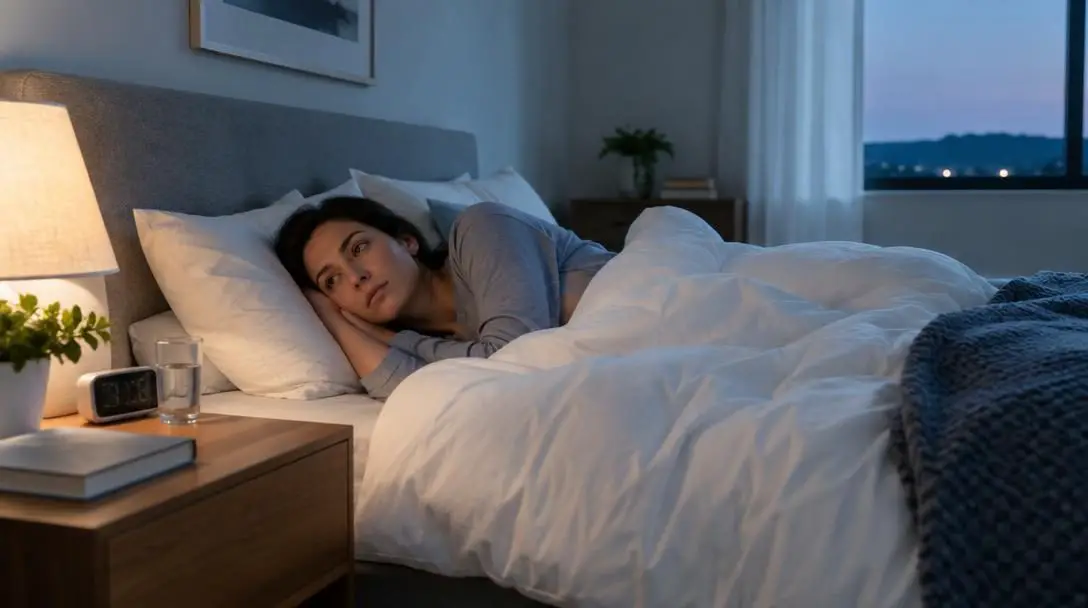
Sleep is an active, complex physiological state essential for overall physical and mental health. Far from a passive period of unconsciousness, rest provides the brain and body with a dedicated window to carry out tissue repair, cellular restoration, memory consolidation, and systemic maintenance. When sleep remains consistent, restful, and uninterrupted, the human body regulates moods effectively, maintains steady energy reserves, and processes complex cognitive demands with resilience. However, persistent disruptions to these natural cycles can rapidly erode daily productivity, emotional balance, social relationships, and general well-being.
For millions of individuals worldwide, restorative rest is compromised by underlying sleep disorders. Rather than simple lifestyle inconveniences or temporary bouts of tiredness, these conditions represent significant disruptions in neurological signaling, respiratory function, or muscular regulation. Recognizing the distinct symptoms of different sleep disorders, understanding their biological mechanisms, and identifying clinical treatments are the essential first steps toward reclaiming uninterrupted nighttime recovery.
Key takeaways
- Sleep disorders stem from complex neurological, physiological, or structural airway disruptions rather than simple lack of discipline.
- The four most prevalent conditions—insomnia, sleep apnea, restless leg syndrome, and narcolepsy—each require distinct diagnostic criteria and specialized interventions.
- Clinical solutions such as continuous positive airway pressure therapy and targeted medications can resolve issues that lifestyle adjustments alone cannot fix.
- Establishing consistent wake schedules, creating restful sleeping environments, and avoiding disruptive substances provide the foundation for restorative rest.
- Ignoring warning signs like loud snoring, sudden daytime sleep attacks, or chronic limb sensations can lead to long-term health complications.
Recognizing the Most Common Sleep Disorders
Sleep disorders manifest across a wide spectrum of physical and neurological symptoms. Understanding how individual conditions present is necessary to differentiate between temporary sleeplessness and chronic medical issues requiring intervention.
Insomnia
Insomnia is one of the most widespread sleep disorders, affecting millions of individuals globally. It is primarily characterized by persistent difficulty falling asleep, frequent awakenings during the night, waking up significantly earlier than intended, or rising with an unrefreshed, fatigued feeling despite spending adequate hours in bed. Rather than being an isolated physical symptom, insomnia frequently emerges from a web of psychological stress, chronic anxiety, depression, or adverse reactions to specific pharmaceutical medications. When unresolved, the lack of nightly recuperation leaves individuals trapped in a state of ongoing fatigue, mood disturbances, and impaired daytime focus.
Sleep Apnea
Sleep apnea is a serious, prevalent disorder defined by recurrent breathing interruptions throughout the sleep cycle. During an episode, the upper airway partially collapses or becomes fully blocked, stopping airflow for intervals ranging from a few seconds to multiple minutes. As blood oxygen levels drop and carbon dioxide accumulates, the brain triggers survival reflexes, causing micro-awakenings that force the airway open—often accompanied by loud snoring, choking, or gasping sounds. Although individuals rarely remember these brief awakenings, the repeated shattering of sleep continuity leaves sufferers profoundly exhausted throughout the day.
Restless Leg Syndrome
Restless leg syndrome (RLS) is a neurological sensorimotor condition marked by an overwhelming, uncontrollable urge to move the legs. Sufferers experience uncomfortable sensations deep within the limbs, commonly described as tingling, crawling, pulling, or aching. These physical sensations reliably emerge during periods of rest and inactivity, peaking in the evening and nighttime hours. Because moving or stretching the legs provides only brief, temporary relief, the condition creates constant physical friction that directly prevents the physical stillness required to initiate or sustain sleep.
Narcolepsy
Narcolepsy is a chronic neurological condition that compromises the brain's innate capacity to regulate normal sleep-wake cycles. Individuals diagnosed with narcolepsy experience severe, overwhelming daytime drowsiness and sudden, involuntary transitions into sleep, often occurring without warning during typical waking activities. In addition to daytime sleep attacks, the disorder frequently causes fragmented nighttime rest. Because the biological switches governing wakefulness and rapid eye movement sleep become unstable, narcolepsy makes sustained daytime alertness exceptionally challenging without clinical management.
| Disorder | Primary Symptoms | Underlying Biological Mechanism | Primary Management Strategies |
|---|---|---|---|
| Insomnia | Difficulty falling or staying asleep, early awakenings, unrefreshed mornings | Hyperarousal, persistent stress responses, and disrupted circadian signaling | Sleep hygiene routines, relaxation techniques, and addressing underlying mood disorders |
| Sleep Apnea | Loud snoring, choking or gasping for air, severe daytime fatigue | Repeated physical collapse or obstruction of the upper airway during rest | Continuous positive airway pressure (CPAP) therapy and medical evaluations |
| Restless Leg Syndrome | Tingling, crawling sensations in the limbs paired with an urge to move | Nervous system dysfunction triggered during physical rest and inactivity | Regular physical activity, avoidance of stimulants, and dopaminergic agents |
| Narcolepsy | Sudden uncontrollable sleep attacks, extreme daytime drowsiness | Neurological inability to regulate the boundaries between sleep and wake states | Prescribed daytime stimulants, antidepressants, and structured scheduling |
How Biological and Neurological Mechanisms Disrupt Sleep
Every sleep disorder interferes with the human body's restorative architecture through distinct physical or neurological pathways. Recognizing these mechanisms clarifies why specific medical equipment, pharmacological agents, or behavioral protocols are necessary to correct them.
Sleep is an active, highly regulated biological process governed by complex neurological signals, physical structures, and environmental cues.
In cases of chronic insomnia, the body's internal wakefulness mechanisms fail to down-regulate when bedtime arrives. Psychological stress, persistent anxiety, and clinical depression maintain the sympathetic nervous system in a state of sustained hyperarousal. In this alert state, racing thoughts and elevated muscle tension prevent the brain from generating the synchronized brain waves associated with deeper sleep stages. Even when sleep is achieved, the internal architecture remains fragmented, depriving the central nervous system of its primary window for cognitive maintenance and tissue repair.
Sleep apnea operates through mechanical obstruction. When muscles in the throat and soft palate relax excessively during deep sleep, gravity and negative airway pressure pull the soft tissues inward, closing the airway. As breathing ceases, the body is briefly starved of oxygen. Survival networks in the brainstem rapidly jolt the body out of deep sleep into a lighter stage to re-engage throat muscle tone. While this micro-awakening saves the individual from suffocation, occurring dozens or hundreds of times per night, it entirely prevents the brain from sustaining prolonged deep and REM rest.
Restless leg syndrome originates within the central nervous system, specifically involving sensorimotor signaling pathways that malfunction during periods of physical stillness. When an individual reclines to rest, the nervous system generates phantom sensations of crawling, pulling, or tingling within the calves, thighs, or feet. The brain interprets these sensations as an emergency requiring immediate motor action, triggering an irresistible urge to flex, kick, or pace. This involuntary motor loop directly counters the physiological relaxation necessary for sleep onset.
Narcolepsy results from the breakdown of neurological circuitry that establishes firm boundaries between waking and sleeping states. In a healthy brain, neurotransmitter systems maintain robust wakefulness throughout the day before handing control over to sleep-inducing centers at night. In narcolepsy, those gating systems malfunction. Dream sleep elements can intrude abruptly into waking hours, forcing sudden sleep episodes, while nighttime sleep becomes ironically erratic, shallow, and punctuated by frequent awakenings.
Clinical Treatments and Targeted Medical Management
Resolving chronic sleep disorders requires matching the specific underlying pathology with an evidence-based clinical strategy. Self-care measures are often insufficient when structural airway collapse or neurological imbalances are the primary drivers of sleep loss.
For individuals diagnosed with obstructive sleep apnea, the gold standard clinical intervention is continuous positive airway pressure (CPAP) therapy. A CPAP system consists of a precision bedside unit connected via flexible tubing to a mask fitted securely over the nose, the mouth, or both. The machine delivers a gentle, continuous stream of pressurized room air into the airway throughout the night. This column of air acts as an invisible pneumatic splint, preventing the soft tissues of the throat from collapsing inward. By eliminating airway blockages, CPAP therapy stops loud snoring, prevents dangerous drops in blood oxygen, eliminates gasping episodes, and allows the body to complete uninterrupted sleep cycles.

Managing restless leg syndrome involves a dual approach centered on neurological regulation and behavioral modification. Because stimulants worsen abnormal nerve firing, eliminating evening caffeine is mandatory. Clinically, healthcare providers frequently prescribe dopaminergic agents—medications that influence dopamine signaling in the brain—to regulate the transmission of abnormal motor impulses and soothe the uncomfortable limb sensations that prevent rest.
Clinical management for narcolepsy focuses on stabilizing the patient's sleep-wake cycles through tailored pharmaceutical regimens. Physicians commonly utilize wakefulness-promoting stimulant medications during daytime hours to combat excessive drowsiness and prevent sudden sleep attacks. In conjunction, specific antidepressant medications may be prescribed to stabilize nighttime sleep architecture and prevent sudden motor and neurological transitions. Combined with structured daytime naps and consistent schedules, these medical therapies enable individuals with narcolepsy to maintain daytime alertness and personal safety.
A Step-by-Step Framework to Improve Everyday Sleep Quality
Whether managing an identified sleep disorder alongside clinical therapies or seeking to resolve non-clinical fatigue, implementing structured behavioral routines provides the physiological foundation for restful sleep.
- Establish an unwavering schedule: Anchor your internal circadian rhythm by going to bed and getting out of bed at the exact same time seven days a week, including weekends. Consistent wake times reinforce the natural sleep drive.
- Curate a sleep-promoting bedroom environment: Transform the sleeping area into a quiet, dark, and comfortably cool sanctuary. Utilize blackout window coverings, supportive mattresses, and climate controls to prevent environmental awakenings.
- Eliminate chemical sleep disruptors: Avoid consuming caffeine, energy drinks, and alcohol before bedtime. Caffeine blocks sleep-inducing chemical signals in the brain, while alcohol fragments sleep architecture later in the night.
- Engage in consistent daytime physical exercise: Incorporate regular moderate physical exercise into your daytime routine. Daily movement expends energy, regulates neuromuscular tension, and helps alleviate symptoms of conditions like restless leg syndrome.
- Implement structured down-regulation techniques: Dedicate the final 30 to 60 minutes of the evening to relaxation practices such as deep diaphragmatic breathing, meditation, or light muscular stretching to lower your heart rate and release mental anxiety.
- Systematically monitor nighttime symptoms: Keep a written log documenting sleep onset times, nighttime awakenings, physical limb sensations, or occurrences of gasping and snoring so you can present actionable data to your physician.
Frequent Mistakes and Counterproductive Coping Habits
When chronic sleep loss takes hold, individuals frequently resort to intuitive coping mechanisms that ultimately make their sleep problems worse. Recognizing and correcting these counterproductive habits is vital for long-term recovery.
- Relying on alcohol as an evening sedative: While alcohol suppresses central nervous system activity and induces initial drowsiness, it severely destabilizes sleep patterns during the second half of the night, worsening airway collapse, exacerbating snoring, and inducing premature awakenings.
- Consuming caffeine late in the afternoon: Drinking coffee, tea, or soda during the late afternoon or evening keeps stimulants circulating in the bloodstream, preventing sleep onset and aggravating nerve sensations linked to restless leg syndrome.
- Dismissing daytime exhaustion as a lack of willpower: Attributing severe daytime sleepiness to laziness prevents individuals from seeking clinical evaluations for dangerous conditions like narcolepsy or sleep apnea.
- Tolerating loud snoring and gasping: Assuming that heavy snoring is merely a humorous annoyance overlooks the primary indicator of upper airway obstruction, delaying critical CPAP intervention.
- Using weekend lie-ins to repay sleep debt: Sleeping late on weekends creates circadian misalignment, making it far more difficult to fall asleep on Sunday night and perpetuating chronic insomnia patterns.
- Delaying professional medical care: Attempting to resolve severe, persistent sleep issues entirely through unguided lifestyle changes prevents access to proven therapies like CPAP devices, dopaminergic agents, and targeted prescription regimens.
Frequently asked questions
How does a CPAP machine help treat sleep apnea?
A continuous positive airway pressure (CPAP) machine delivers a steady stream of pressurized air through a mask worn over the nose or mouth. This pressurized air acts as a mechanical splint that keeps the soft tissues of the throat open, preventing the physical airway collapse that causes breathing pauses, oxygen drops, and sleep-shattering micro-awakenings.
Why does alcohol interfere with restorative sleep?
Although alcohol has sedative properties that can hasten sleep onset, it disrupts natural sleep architecture as the body metabolizes it. It causes frequent nighttime awakenings, prevents the brain from entering deeper restorative stages, and excessively relaxes throat muscles, significantly worsening snoring and sleep apnea symptoms.
What are the typical signs of restless leg syndrome?
Restless leg syndrome is characterized by an uncomfortable crawling, tingling, or pulling sensation deep within the legs, accompanied by an irresistible urge to move them. These sensations reliably occur during periods of rest and inactivity, particularly in the evening or night, making it difficult to fall asleep without shifting or pacing.
Can insomnia be treated without prescription medications?
Yes. Non-pharmacological treatments are often highly effective for insomnia. Adopting strict sleep hygiene habits, maintaining consistent sleep and wake schedules, practicing relaxation techniques like meditation and deep breathing, and addressing underlying anxiety, depression, or stress can resolve insomnia without pharmaceutical aids.
How does narcolepsy differ from ordinary daytime fatigue?
While general fatigue involves low physical energy or sleepiness resulting from inadequate rest, narcolepsy is a neurological disorder that disrupts the brain's ability to regulate sleep-wake transitions. It causes sudden, irresistible bouts of sleep during waking hours, regardless of how much time the individual spent resting the previous night.
The Bottom Line
Sleep is an indispensable biological requirement that underpins physical vitality, neurological health, and emotional stability. Experiencing chronic disruptions—whether from the racing mind of insomnia, the blocked airways of sleep apnea, the crawling sensations of restless leg syndrome, or the neurological instability of narcolepsy—is not a personal failing, but a serious medical concern that deserves attention.
Achieving restful, energizing sleep requires a comprehensive approach. By pairing consistent sleep habits, comfortable environments, and the avoidance of disruptive substances with targeted medical evaluations and clinical tools like CPAP therapy or specialized medications, individuals can resolve chronic sleep issues. Taking proactive steps today ensures that nightly rest becomes what it was always meant to be: an uninterrupted, revitalizing source of health and daily energy.