The World of Amateur Radio: A Guide to Building and Operating Your Own Radio
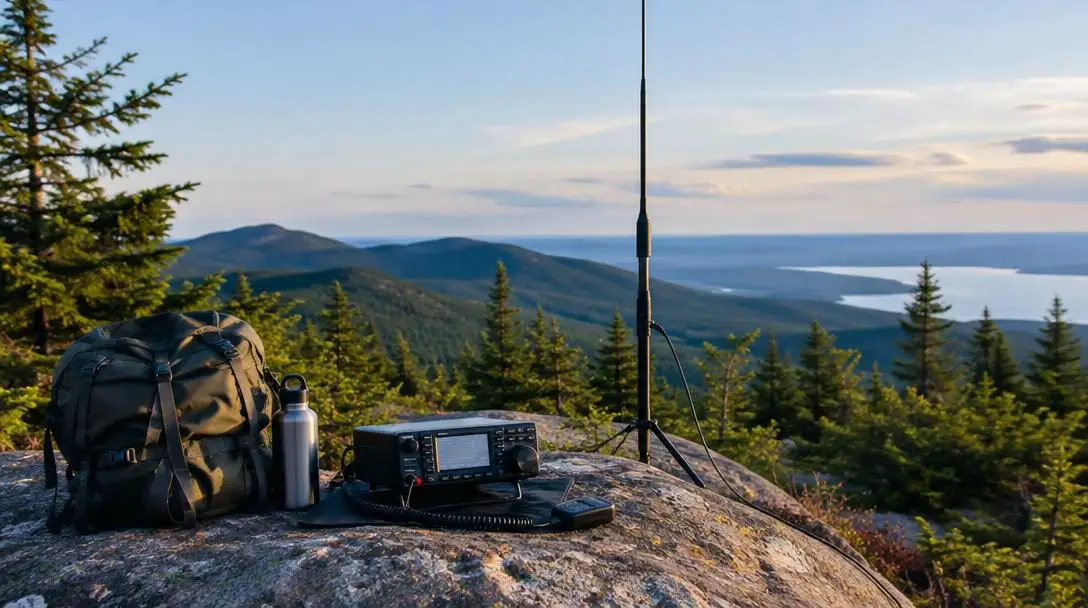
When people think about technologies that modern society has supposedly left behind, broadcast radio often tops the list. Many assume that the medium begins and ends with commercial amplitude modulation stations broadcasting talk radio programs, especially in an era dominated by on-demand music streaming, mobile broadband, and downloadable podcasts. Yet far beyond the reach of commercial broadcasting, an entirely different sector of radio communications is thriving: amateur radio, affectionately known worldwide as ham radio.
Far from remaining an obsolete relic of early twentieth-century science, amateur radio underwent a major resurgence across the 2010s and 2020s. Today, more than 750,000 licensed operators maintain active stations across the United States alone. Whether hobbyists gather on the airwaves for friendly international competition, technical electronics experimentation, or critical public service during civil emergencies when cellular towers and fiber-optic cables collapse, setting up an amateur station unlocks an independent and dependable gateway to global communication.
Key takeaways
- Operating an amateur radio station legally in the United States requires an official Federal Communications Commission license, which costs less than $40.
- Assembling a reliable home station requires an initial upfront equipment investment led by a transceiver, though auxiliary gear like antennas and power supplies remain comparatively affordable.
- Three structured licensing tiers dictate which frequency allocations, transmission power thresholds, and communication modes an individual may access.
- Amateur operators preserve order and community standards across shared airwaves by using assigned callsigns, formal operating procedures, and dedicated casual frequencies known as ragchew bands.
Understanding amateur radio licensing fundamentals and tiers
Before an aspiring operator ever pushes a microphone button or keys a transmitter in the United States, they must secure an amateur radio license authorized by the Federal Communications Commission. This regulatory oversight ensures that anyone transmitting over public radio waves possesses a foundational understanding of electrical principles, operational safety, radio frequency interference mitigation, and basic international treaty guidelines. The statutory application fee charged by the FCC is under $40, making the administrative barrier to entry remarkably modest.
Upon passing an entry examination administered by certified volunteer examiners, an operator receives an official, universally recognized callsign that uniquely identifies their transmissions anywhere in the world. To encourage progressive learning and technical competence, the FCC splits operating privileges into three distinct licensing tiers. Advancing through these tiers expands an operator's allowed frequency bands, permits higher transmission power, and unlocks sophisticated modulation modes.
Technician License
- Target audience: Entry-level beginners and newcomers
- Primary range: Local and line-of-sight frequencies
- Application fee: Under $40
The Technician License represents the universal starting gate for nearly every modern radio amateur. Geared toward beginners, its examination focuses heavily on essential operating regulations, basic radio physics, electrical safety protocols, and proper station assembly. Holding this license grants broad operating privileges on Very High Frequency and Ultra High Frequency spectrum allocations, which are ideally suited for localized communications through community repeaters and direct station-to-station contacts.
General License
- Target audience: Intermediate hobbyists seeking distance
- Primary range: Worldwide High Frequency bands
- Key benefit: Access to atmospheric skip conditions
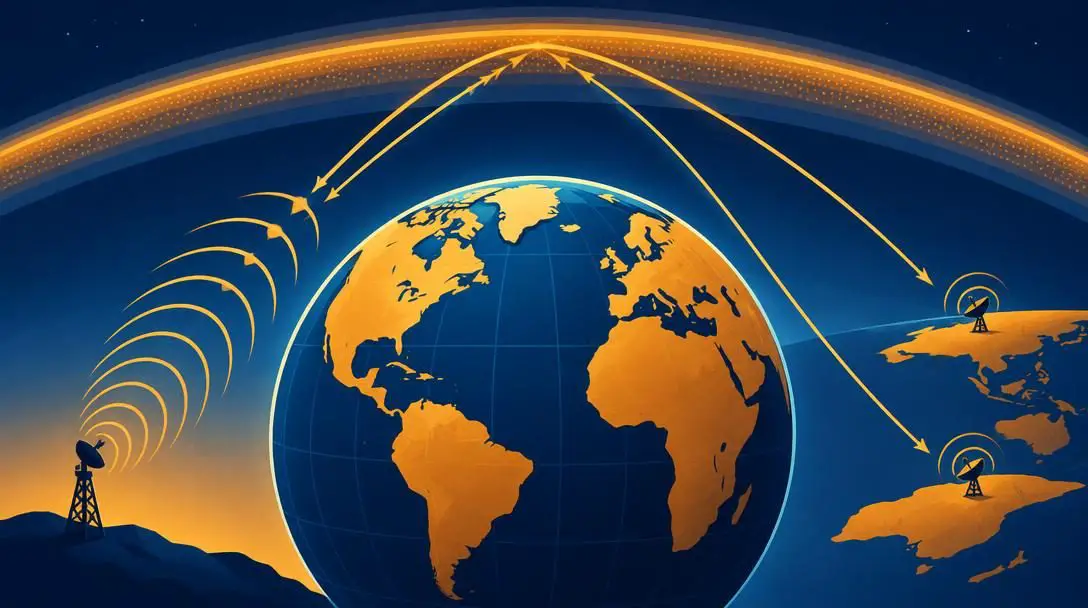
The General License functions as the bridge to genuine worldwide communication. Stepping up to this intermediate credential requires mastering an additional examination covering advanced radio theory, antenna construction, and circuitry. In return, the operator gains access to major allocations across the High Frequency spectrum, allowing their signals to bounce across the upper atmosphere and travel thousands of miles across oceans and continents without third-party infrastructure.
Amateur Extra License
- Target audience: Advanced operators and technical experts
- Primary range: All authorized amateur radio bands
- Key benefit: Maximum legal power and full frequency spectrum
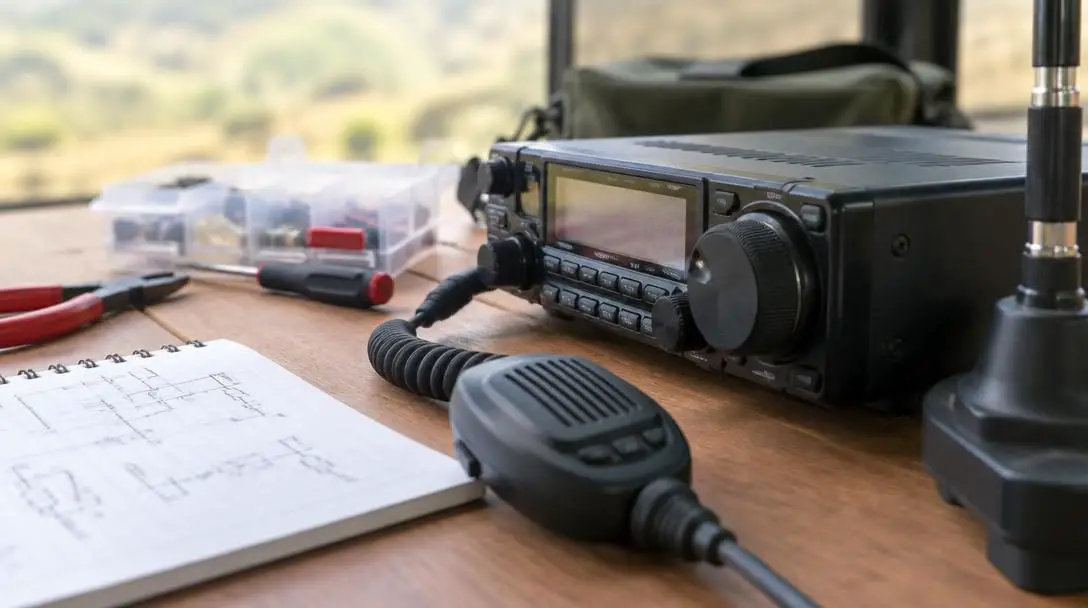
The Amateur Extra License is the pinnacle credential within the American amateur radio licensing framework. Requiring an exhaustive mastery of complex electronics, digital signal processing principles, and specialized operating protocols, this license grants complete access to every amateur frequency authorized by the federal government. Furthermore, it awards operating privileges at maximum legal transmission power, opening exclusive narrow band segments reserved specifically for top-tier operators.
How amateur radio signals travel across the globe
At its scientific foundation, amateur radio relies on generating, controlling, and intercepting electromagnetic waves that propagate through the atmosphere and space. The physical mechanics behind this process begin at the operating desk. When an operator speaks into a handheld microphone or manipulates a telegraph key, the internal circuits of a radio transceiver transform sound waves or mechanical impulses into radio frequency electrical energy. This electrical energy travels along a specialized coaxial cable to an antenna, which converts the current into radiating electromagnetic fields.
How far and in what manner those waves travel depends heavily on the specific frequency band being utilized:
- Very High Frequency (VHF) and Ultra High Frequency (UHF): These shorter radio waves travel primarily along a direct line of sight. While terrain features, buildings, and the horizon naturally limit their unassisted reach, they deliver crisp, interference-free audio that is ideal for cross-town communications, handheld walkie-talkies, and mountain-top repeater links.
- High Frequency (HF): Known colloquially as shortwave radio, these lower-frequency waves possess the unique ability to interact with the ionosphere—an electrically charged layer of the upper atmosphere. Under favorable atmospheric conditions, HF signals refract or bend back toward the ground, skipping over the curvature of the Earth to achieve transcontinental and intercontinental range.
Once a radiated wave reaches a receiving station, the transmission cycle executes in reverse. The alternating electromagnetic field strikes the distant antenna wire, inducing an extremely weak microvoltage signal. That signal travels down the receiving station's feedline into the transceiver, where sensitive receiver filters isolate the desired frequency, amplify the faint signal, and translate the raw electrical energy back into intelligible voice, digital text, or rhythmic Morse code.
Amateur radio operators have repeatedly proven that radio setups remain an absolute necessity when standard commercial infrastructure fails.
Essential equipment needed for a home station
Setting up a functional amateur radio station does not demand continuous subscription costs, but it does require an initial capital outlay. While obtaining the required FCC operational credentials costs under $40, the physical hardware necessary to establish a dependable station can range from a modest setup costing several hundred dollars to an advanced communications center commanding multiple thousands of dollars. The heart of any setup is the transceiver, backed by reliable power distribution and properly matched radiating antennas.
| Equipment Item | Primary Purpose | Estimated Cost |
|---|---|---|
| Transceiver | Generates, transmits, filters, and decodes radio signals | Over $1,000 for advanced models |
| Power Supply | Converts alternating current (AC) to stable direct current (DC) | Under $100 |
| VHF/UHF Antenna | Handles line-of-sight, localized dual-band communications | Under $50 |
| HF Wire Antenna | Enables long-distance, intercontinental signal transmission | Under $50 |
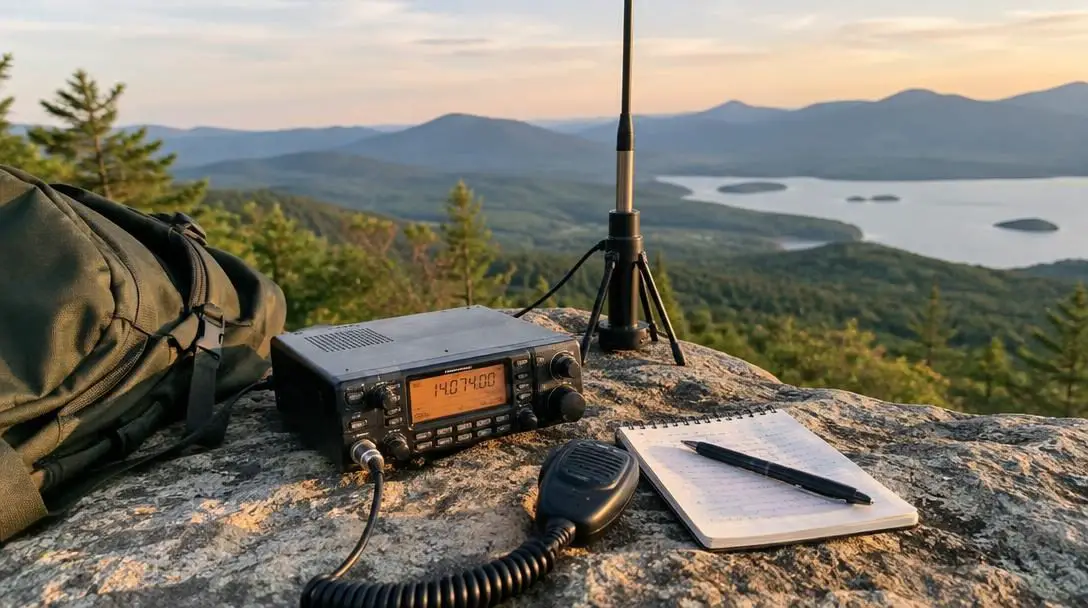
In addition to the primary electronics, operators need a dedicated physical workspace. While comprehensive base stations with multiple monitoring screens, linear amplifiers, and secondary transceivers can easily cover an executive-sized office desk, a beginner setup requires remarkably little space. A sturdy side desk or worktable placed near a standard household alternating-current wall outlet—with an unobstructed path to pass coaxial cables through an exterior wall or window frame—provides all the physical room needed to begin operating.
Step-by-step guide to setting up your amateur radio station
Unpacking modern communications hardware can seem daunting to an amateur who has never worked with radio frequency cabling or direct-current electronics. However, assembling a baseline station is a straightforward process when approached methodically. Following a rigorous assembly order safeguards delicate solid-state components from accidental short-circuits and prevents costly equipment damage.
- Pass your licensing examination: Review the publicly available question pool, sign up for a proctored examination through a regional volunteer examiner team, and pass the Technician test to obtain your official FCC callsign.
- Designate your operating space: Select a rigid, dry table that accommodates your transceiver, external accessories, logbook, and notepad, ensuring adequate air clearance around the equipment's cooling fans and heat sinks.
- Wire the power supply: Connect your direct-current power unit to a grounded household wall outlet, then join the positive and negative leads between the power supply terminals and the transceiver using properly rated wiring.
- Erect your antenna: Position your VHF/UHF vertical mast on a roof or clear exterior mount, or suspend an HF wire dipole horizontally between trees or support poles, keeping all elements clear of human pedestrian traffic and far away from power lines.
- Route and connect the cabling: Feed low-loss coaxial cable from the exterior antenna into your operating room, attaching it firmly to the designated antenna port located on the back panel of your transceiver.
- Familiarize yourself with the controls: Power on the receiver without transmitting, systematically testing the volume dials, variable filters, frequency tuning knobs, and internal configuration menus using the manufacturer handbook as a guide.
- Listen before speaking: Spend your first several operating sessions tuning across local frequencies and repeaters, absorbing common station identification cadences, local jargon, and courteous operating practices.
Operating procedures and on-air etiquette
Because amateur operators share an open, self-policed radio spectrum without private ownership of individual channels, maintaining order requires consistent adherence to legal mandates and established amateur traditions. Chaos would quickly overcome crowded frequencies if operators keyed their transmitters arbitrarily without coordinating with other active stations.
To cultivate smooth, interference-free communications across local and international bands, amateur operators consistently implement several foundational practices:
- Identify your station regularly: Federal law requires operators to state their official FCC callsign clearly at designated intervals throughout a conversation, as well as at the conclusion of every individual exchange.
- Use designated ragchew frequencies: Operators seeking long, informal discussions should tune to lower frequencies historically recognized for extended conversations, leaving common calling channels and higher frequencies open for emergency operations.
- Listen before transmitting: Always monitor a selected frequency for several moments to ensure that another station is not already conducting a conversation before pressing your push-to-talk switch.
- Experiment with alternate modes: If noisy atmospheric conditions or crowded frequencies make voice clarity impossible, consider switching to continuous wave Morse code transmissions, which require less bandwidth and punch through atmospheric interference effectively.
- Comply with license boundaries: Always verify that the frequency you dial falls within the specific privileges granted to your license tier, taking care not to exceed permissible transmission power limits.
Common mistakes to avoid as a beginner
Operating a functional home radio station blends elements of high-voltage safety, antenna physics, and dynamic regulatory rules. Beginners regularly encounter pitfalls that can degrade station performance, damage hardware, or run afoul of telecommunications oversight. Avoiding these common mistakes will save substantial time and money while keeping your station compliant.
- Operating out of band: Dialing a transmission frequency that falls outside the boundaries authorized for your specific license tier violates federal communications laws. Always verify your current frequency allocations against an updated band plan chart before transmitting.
- Neglecting station grounding: Operating an ungrounded or poorly grounded radio setup can introduce persistent electrical hum into your audio, cause radio frequency feedback in nearby electronics, and pose severe safety hazards during electrical surges.
- Overcomplicating initial setups: Beginners often falsely believe they must erect expensive tower masts or buy kilowatt-class amplifiers to make distant contacts. In practice, a basic wire antenna suspended among trees paired with a standard transceiver is fully capable of worldwide contacts.
- Ignoring the user manual: Modern software-defined transceivers house hundreds of internal settings. Bypassing the operating manual frequently results in improper microphone gain settings, incorrect bandwidth filters, and distorted audio signals.
Frequently asked questions
How much does it cost to get a ham radio license?
The administrative application fee charged by the FCC for an amateur radio license in the United States is under $40, making the credential itself very affordable for newcomers.
Can I use an amateur radio without a license if I only listen?
Yes. Anyone is legally permitted to monitor and listen to amateur radio traffic across any frequency band. An official FCC license is only mandatory when you intend to transmit an electrical signal over the airwaves.
What is a ragchew frequency in amateur radio?
Ragchew frequencies are lower-tier operational frequencies traditionally reserved for relaxed, conversational exchanges between operators, ensuring that higher frequencies stay open for tactical and emergency communications.
Do I need to learn Morse code to get an amateur radio license?
No. Morse code testing has been completely eliminated from all FCC amateur licensing requirements, although many licensed operators still choose to learn and use continuous wave code voluntarily for weak-signal and long-distance contacts.
What is the difference between VHF/UHF and HF communication?
VHF and UHF signals operate primarily across a direct line of sight, making them perfect for clear local communication and repeater links. In contrast, HF signals bounce off the ionosphere, enabling long-distance, transcontinental transmission without internet support.
The bottom line
Far from an obsolete hobby discarded in the pre-internet past, amateur radio remains a vital, highly resilient communications medium supported by over 750,000 licensed operators nationwide. While securing an advanced transceiver represents a meaningful upfront investment, the foundational license remains remarkably inexpensive, and basic wire antennas can be assembled for modest sums. Once you master the introductory examination, organize your operating desk, and string your first antenna wire, the airwaves present limitless possibilities. From participating in relaxed chats on local ragchew frequencies to standing ready as a lifeline during municipal crises, an amateur radio station transforms any residential room into a direct connection to the global community.