5 Benefits of Tai Chi for Respiratory Health and Stress Reduction

In an era dominated by high-intensity fitness trends and fast-paced daily schedules, an ancient movement discipline continues to gain global recognition for its remarkable restorative power. Tai Chi, also known as Tai Chi Chuan, is a traditional Chinese martial art that has been practiced for thousands of years. Unlike modern competitive sports or combative disciplines that emphasize high-impact collisions, explosive strikes, and rapid sparring, Tai Chi centers entirely on a continuous sequence of slow, gentle, and flowing movements. These deliberate, unhurried actions are structured to cultivate total physical and mental well-being, while simultaneously refining natural balance, physical coordination, and bodily flexibility.
In recent years, modern health practitioners and researchers across the globe have embraced Tai Chi as an accessible, highly sustainable, low-impact exercise system. It has earned widespread acclaim as an effective holistic approach for enhancing respiratory health, expanding lung capacity, and alleviating high levels of chronic stress. By seamlessly uniting intentional physical postures with internal awareness and steady respiration, Tai Chi establishes a unique and powerful bridge between structured physical exercise and restorative mindful relaxation.
Key takeaways
- Tai Chi Chuan combines slow, circular movements with deep diaphragmatic respiration to improve physical vitality without straining joints.
- Consistent practice strengthens respiratory musculature and expands lung capacity, providing measurable support for chronic conditions such as COPD.
- The continuous integration of mindful focus and deliberate pacing downregulates stress hormones and shifts the nervous system toward restorative relaxation.
- Dynamic weight-shifting sequences train bodily coordination and core stability, substantially reducing fall risks for aging practitioners.
Understanding Tai Chi Chuan and How It Works
The historical origins of Tai Chi Chuan extend through centuries of Chinese tradition, developing from a combination of classical philosophical principles, traditional health systems, and practical self-defense methods. Over thousands of years, these movement patterns shifted away from their combat-oriented martial applications and transformed into an art dedicated primarily to health preservation, vitality, physical longevity, and self-cultivation. Historically, early masters recognized that slow, circular, continuous, and fluid physical actions allow the human body to move without accumulating harsh tension, joint wear, or unnecessary muscular strain.
Rather than relying on brute muscular force, the art emphasizes softening the joints, aligning the spinal column, relaxing the shoulders, and synchronizing dynamic physical motion with rhythmic, conscious respiration. Today, men and women of widely varied ages, fitness levels, and physical backgrounds turn to Tai Chi because it requires no specialized athletic background, expensive machinery, or rapid physical exertion. These qualities make it one of the most accessible and sustainable physical arts to maintain throughout an entire lifetime.
At its core, Tai Chi achieves its profound restorative effects by integrating three fundamental elements: physical movement, focused breathing, and meditative awareness. These components interact directly with the body's internal systems, fostering physical resilience, nervous system regulation, and deep psychological calm. From a biomechanical standpoint, the slow and gentle sequences engage multiple muscle groups across the lower and upper body simultaneously. Moving smoothly through shifting stances challenges stability, which directly engages stabilizing muscles, trains balance, and builds coordinated joint control without jarring impact.
Internally, the deep breathing methods utilized in the practice expand the chest cavity, encourage the lower lungs to participate fully in each breath cycle, and support efficient circulation. When combined with meditative focus, this physical engagement sends calming cues throughout the nervous system, turning mental attention away from external pressures and redirecting it toward internal presence and steady physical rhythm.
Because it unites intentional physical postures with internal awareness, Tai Chi provides a unique bridge between structured exercise and mindful relaxation.
The 5 Core Benefits of Tai Chi
Whether pursued to rebuild physical stamina or to recover mental clarity in the face of daily pressures, Tai Chi offers comprehensive advantages for both systemic physical health and psychological equilibrium. Scientific evaluations and observational studies highlight five primary benefits that make this centuries-old art especially valuable for contemporary practitioners.
| Core Benefit | Primary Body System | Key Physiological Mechanism | Main Health Outcome |
|---|---|---|---|
| Respiratory Strength | Pulmonary & Cardiovascular | Diaphragmatic expansion and rhythmic oxygen intake | Increased lung capacity and manageable breathing in COPD |
| Stress Reduction | Nervous & Endocrine | Parasympathetic activation and meditative pacing | Lower anxiety levels and improved emotional well-being |
| Immunity & Flexibility | Immune & Musculoskeletal | Immune cell proliferation and gentle joint rotation | Decreased systemic inflammation and reduced stiffness |
| Cardiovascular & Balance | Circulatory & Vestibular | Continuous weight shifts and elevated blood flow | Lower blood pressure, stroke prevention, and fewer falls |
| Focus & Mental Clarity | Central Nervous (Cognitive) | Kinetic tracking, memory sequencing, and attention training | Sharpened memory retention and refined concentration |
Improved Lung Function and Respiratory Strength
One of the most notable advantages of regular practice is improved lung function. Tai Chi incorporates deep breathing techniques that work directly to help improve overall lung capacity and elevate oxygen intake throughout the body. Research and observational studies have shown that consistent engagement with Tai Chi can improve pulmonary function while increasing respiratory muscle strength, particularly for individuals dealing with chronic obstructive pulmonary disease (COPD) alongside other chronic respiratory conditions.
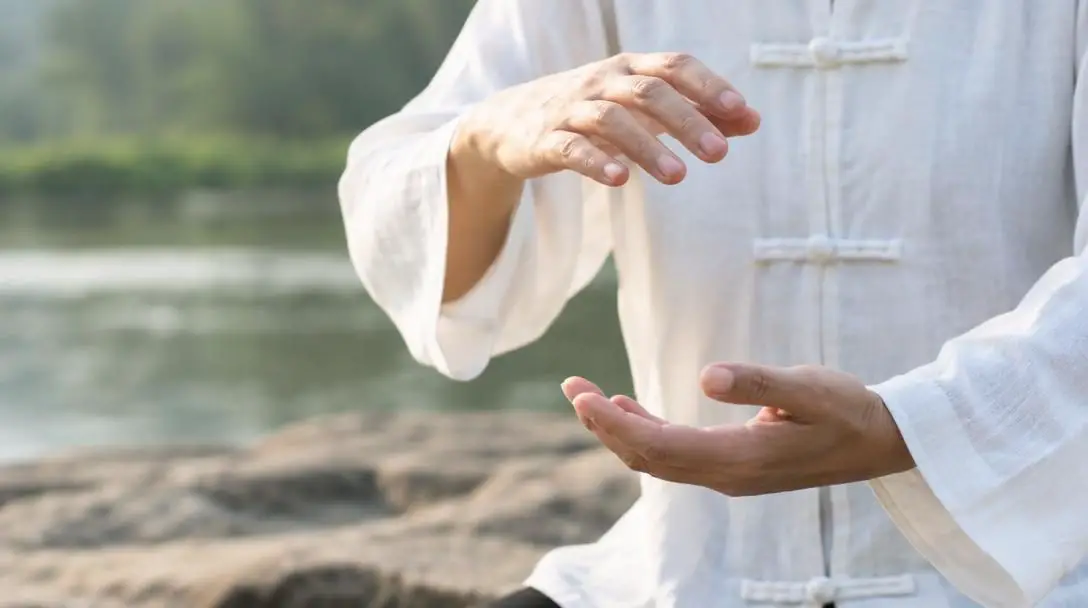
When respiratory muscles are strengthened through rhythmic, supported movement, daily activities that previously led to breathlessness become more manageable. In close connection with pulmonary improvements, Tai Chi benefits overall cardiovascular health. Because its continuous movements require the coordinated use of multiple muscle groups, the heart rate gently rises and circulation is enhanced. By supporting lung function and cardiovascular health together, the practice helps reduce the long-term risk of developing chronic respiratory and cardiovascular diseases.
Reduced Stress Levels and Emotional Well-Being
The slow, measured, and unhurried nature of Tai Chi movements provides a direct antidote to modern stress. By stepping away from rushed daily environments and moving with gentle control, practitioners can soothe an overactive mind and diminish everyday feelings of stress and anxiety. The intentional cadence encourages an internal shift from sympathetic nervous system overactivation toward restorative parasympathetic balance.
Central to this process are the mindfulness and meditation techniques embedded within each sequence. These practices quiet internal mental chatter, help cultivate a deep sense of inner peace, and improve mental clarity. Studies have demonstrated that committing to a regular Tai Chi routine can effectively reduce symptoms associated with depression and anxiety, while elevating overall mood and emotional well-being. By decreasing stress levels and supporting full-body relaxation, regular practice produces meaningful improvements in overall quality of life.
Enhanced Immune System and Joint Flexibility
Beyond breathing and mental ease, Tai Chi provides measurable support for immune defense and physical mobility. Studies have indicated that the regular practice of this martial art can increase the internal production of immune cells, equipping the body to defend itself more successfully against infections and general illnesses. This regular, moderate biological stimulation keeps systemic defenses active without creating the immune exhaustion often tied to overtraining.
Furthermore, Tai Chi helps downregulate systemic inflammation within the body. Reducing persistent inflammation is a critical factor in helping prevent or manage chronic conditions, including arthritis and diabetes. At the same time, the gentle stretching, circular forms, and soft twisting actions featured in the routines help increase overall flexibility and expand functional range of motion. This aspect is especially beneficial for older adults who frequently deal with daily joint stiffness, reduced mobility, and joint pain.
Improved Cardiovascular Health and Fall Prevention
Maintaining a strong heart and responsive vascular system is essential throughout aging, and Tai Chi aids cardiovascular performance by elevating heart rate and stimulating circulation through steady muscular demand. Studies show that maintaining a regular Tai Chi practice can assist in improving blood pressure management, lowering elevated cholesterol levels, and reducing the likelihood of experiencing a stroke.
Because the sequences demand continuous weight transfers between legs, Tai Chi dramatically improves balance, bodily coordination, and spatial awareness. Developing greater stability significantly reduces the risk of accidental falls and subsequent physical injuries, which is a major concern for aging populations. By strengthening cardiovascular parameters and refining physical stability, Tai Chi serves as a protective tool against heart disease and related cardiovascular conditions.
Better Focus, Memory, and Mental Clarity
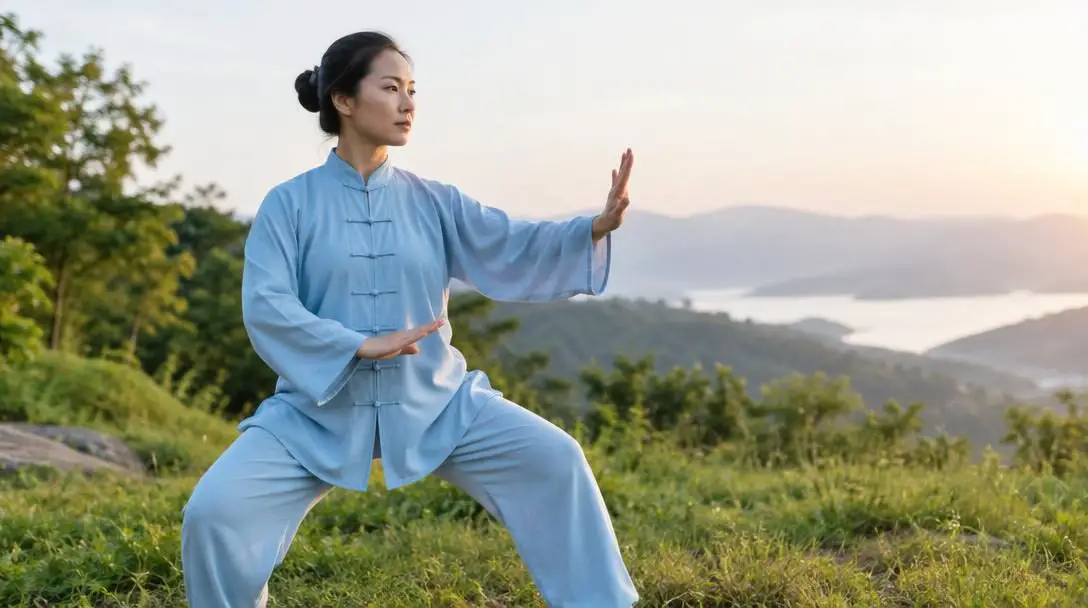
Tai Chi is frequently described as a moving meditation because the mind must remain actively present with the body. The mindfulness and meditative components inherent to the art require real focus and attention, directly strengthening personal concentration and sharpening mental acuity. Mental wandering is replaced by acute kinetic awareness and spatial tracking.
By repeatedly challenging the practitioner to remember sequential postures, maintain smooth body alignment, and manage steady respiration, Tai Chi exercises cognitive networks. Studies have demonstrated that consistent practice can improve both memory retention and general cognitive function in older adults. Cultivating mental clarity and refined focus through these movement patterns creates valuable cognitive and lifestyle benefits for individuals across all age brackets.
Practical Steps to Begin Practicing Tai Chi
Starting Tai Chi does not require specialized equipment, advanced physical conditioning, or previous martial arts experience. Because the movements are gentle and adaptable, beginners can integrate the practice into their schedules by following a few clear, manageable steps:
- Select a suitable learning environment: Look for a qualified local instructor, community center offering Tai Chi Chuan, or reliable instructional guidance that emphasizes slow pacing, joint safety, and foundational postures.
- Designate an open practice area: Choose a flat, non-slip surface with enough space to step in several directions without bumping into furniture, walls, or obstacles.
- Dress for easy movement: Wear loose-fitting, comfortable clothing that does not restrict the waist, hips, or shoulders, along with flat-soled, supportive footwear or bare feet depending on the flooring.
- Begin with foundational breathing: Before initiating physical steps, stand quietly, soften the knees, and practice deep diaphragmatic breathing to settle the mind and prepare the lungs.
- Learn short segments progressively: Rather than attempting an entire extended sequence at once, focus on mastering one or two basic movements, such as simple arm circles or weight shifts, repeating them until they feel natural.
- Maintain a consistent schedule: Dedicate a short, manageable period—such as ten to fifteen minutes daily or several times per week—to establish physical familiarity and build the habit.
Common Beginner Mistakes to Avoid
Although Tai Chi is inherently low impact and gentle, beginners can sometimes pick up habits that hinder their progress or create unnecessary physical tension. Watching out for these common errors helps ensure an effective and comfortable practice:
- Rushing the sequences: Moving too quickly undermines the core benefits of relaxation, balance training, and mental focus. The movements are designed to be slow, deliberate, and unhurried.
- Holding the breath: Beginners often inadvertently hold their breath when trying to remember which foot or arm to move. The breath should remain deep, natural, continuous, and steady throughout all phases of practice.
- Locking the joints: Hyperextending or locking the knees and elbows creates tension and restricts blood flow. The joints should maintain a slight, relaxed bend at all times.
- Overextending stances: Stepping too wide or dropping into overly low stances can place unnecessary strain on the knees and lower back. Movements should stay within a comfortable, stable range of motion.
- Tensing the upper body: Stress frequently causes people to lift their shoulders toward their ears. Practitioners should consciously relax the neck, drop the shoulders down, and let the chest soften.
- Focusing solely on external form: Becoming obsessed with creating a "perfect" visual appearance can cause practitioners to ignore internal relaxation, mindfulness, and breathing. The internal state is just as important as the external movement.
Frequently asked questions
Can Tai Chi help individuals managing chronic respiratory conditions like COPD?
Yes. Tai Chi integrates deep diaphragmatic breathing that expands lung capacity, elevates oxygen intake, and builds respiratory muscle strength. Observational studies demonstrate that this continuous, low-impact exercise makes daily activities that typically trigger breathlessness significantly more manageable for individuals with chronic obstructive pulmonary disease and related conditions.
Do I need previous athletic or martial arts experience to learn Tai Chi?
No prior experience is necessary. Tai Chi does not rely on explosive power, speed, or high impact. Because the postures are deliberate, circular, and slow, they can be adapted easily to suit individuals of any fitness level, age, or physical background.
How does Tai Chi reduce everyday stress and anxiety?
The practice relies on slow movement, conscious breath synchronization, and focused meditation. This deliberate pacing quiets mental chatter, calms overactive stress responses, and encourages the body to transition from sympathetic nervous system arousal into restorative parasympathetic relaxation.
How does Tai Chi aid in fall prevention among older adults?
Tai Chi sequences continually require smooth, intentional weight transfers from one leg to the other. This process challenges stabilizing muscles, sharpens spatial awareness, and refines dynamic balance, which substantially lowers the risk of accidental slips and serious injuries.
How long should a beginner practice each day to see benefits?
Beginners can achieve meaningful physical and mental benefits by practicing for just ten to fifteen minutes daily, or across several sessions per week. Consistency is more important than duration when establishing muscle memory, respiratory control, and mental focus.
The bottom line
Tai Chi Chuan remains one of the most accessible and effective mind-body disciplines available today. By blending continuous, low-impact physical motion with deliberate respiration and mindful awareness, the practice provides wide-ranging benefits for lung capacity, stress management, cardiovascular wellness, joint flexibility, and cognitive retention. Its unhurried nature allows practitioners to build functional physical stamina without the risk of joint wear or overtraining exhaustion.
As you take steps toward incorporating Tai Chi into your wellness routine, it is helpful to consider how the practice aligns with your personal physical condition, health goals, and daily schedule. If you are managing chronic respiratory challenges such as COPD, dealing with cardiovascular concerns, or recovering from joint issues, consider consulting your healthcare professional before beginning any new exercise regimen. Discussing your plans allows you to tailor the pace and physical depth of the postures to your specific physical needs, ensuring a sustainable practice that enhances your vitality for years to come.