The Health Benefits of Eating Wild-Caught Fish
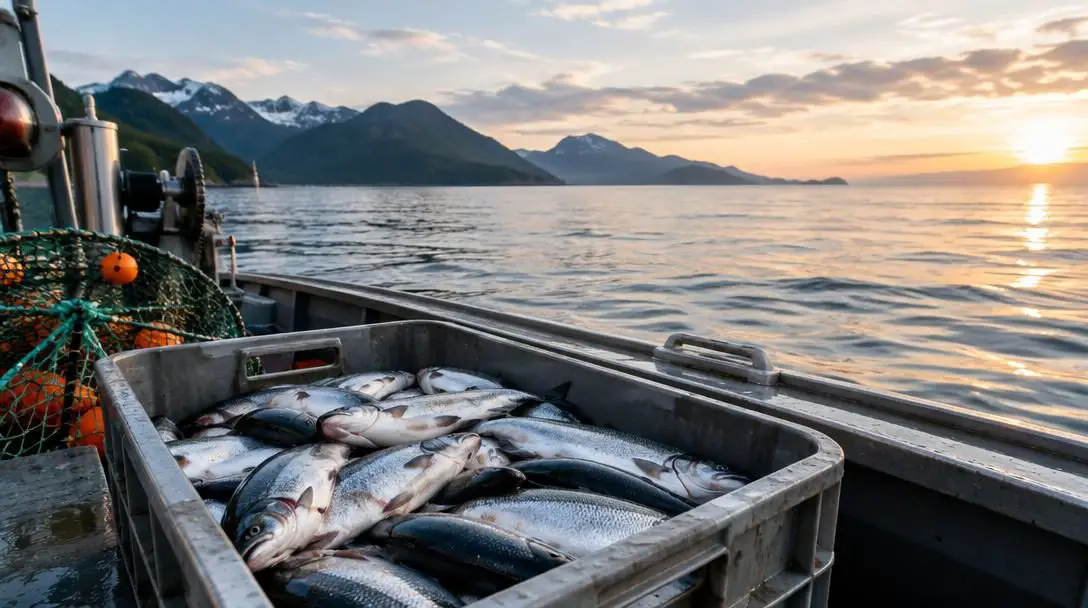
Protein serves as an indispensable pillar of human nutrition, providing the fundamental structural materials required for muscle growth, tissue repair, enzymatic reactions, and essential hormone synthesis. Across standard modern diets, daily protein consumption is routinely divided into roughly equal thirds among terrestrial meat, dairy products, and grain-based sources. Within this conventional dietary pattern, seafood remains noticeably sidelined, accounting for only around 7 percent of daily protein intake and roughly 17 percent of total global meat consumption.
Public health observations suggest that these figures represent a missed nutritional opportunity. When evaluated against standard terrestrial animal proteins like red meat or pork, the health advantages gained from incorporating fish into regular meals are extensive and profound. Opting for wild-caught fish supplies a distinct, nutrient-dense profile that bolsters long-term cardiovascular health, safeguards cognitive longevity, and delivers an exceptionally clean fuel source for sustainable weight management.
Key takeaways
- Seafood currently accounts for only about 7 percent of daily protein intake and 17 percent of global meat consumption, leaving immense room for dietary optimization.
- Wild-caught fish provides a rich supply of marine omega-3 fatty acids alongside supportive omega-6 fatty acids and diverse ocean trace minerals.
- Consistent dietary intake of omega-3 fatty acids can lower the overall risk of heart disease by 20 to nearly 45 percent.
- Regular seafood consumption supports structural brain volume in the hippocampus and reduces the risk of cognitive disorders like dementia and Alzheimer's disease by 20 to 30 percent.
- Lean wild varieties such as cooked cod offer extraordinary protein density, delivering 15 grams of protein for just 70 calories per three-ounce serving.
The distinct nutritional profile of wild-caught fish
Evaluating the health advantages of seafood often begins with comparing wild species against their farm-raised counterparts. Aquaculture has expanded rapidly across the globe, and farm-raised varieties do possess certain defined characteristics. Because farmed fish are sustained on manufactured, formulated feeds, they often exhibit higher gross levels of omega-3 fatty acids by weight. However, higher gross fat content does not imply that wild-caught species are deficient or inferior. Wild-caught fish serve as a potent, natural source of polyunsaturated omega-3 fatty acids, supplying bioavailable compounds directly linked to heightened mental well-being, visual acuity, and long-term protection against debilitating neurodegenerative conditions such as Alzheimer’s disease.
Beyond omega-3s, wild seafood delivers a harmonious, complementary balance of omega-6 fatty acids. While frequently overlooked in seafood discussions, omega-6 fatty acids fulfill vital biological functions within the body, including reinforcing the skin barrier, encouraging healthy hair growth, and preserving structural bone mineral density. Furthermore, because wild fish forage freely through dynamic marine ecosystems, feeding on diverse natural prey, they absorb and concentrate a wide array of marine trace elements that uniform feed pellets cannot reproduce.
The health benefits obtained from eating fish far outweigh the benefits gained from eating red meat or pork on a regular basis.
When contrasted with terrestrial proteins like beef and pork, wild seafood presents a markedly cleaner lipid profile that significantly reduces the physiological burdens associated with saturated animal fats.
| Nutritional Factor | Wild-Caught Fish | Farm-Raised Fish | Red Meat and Pork |
|---|---|---|---|
| Dominant Fat Profile | Naturally balanced omega-3 and omega-6 polyunsaturated fatty acids | Elevated total fat and high gross omega-3s from formulated feed | Predominantly saturated fatty acids with minimal marine omega-3s |
| Micronutrient Source | Diverse marine forage, native ocean prey, and natural aquatic vegetation | Standardized commercial aquaculture pellets and controlled feeds | Terrestrial pasture grazing, feed grains, and agricultural silage |
| Cardiovascular Impact | Reduces arterial inflammation, stabilizes rhythm, lowers LDL | Supports cardiovascular function via omega-3s, higher caloric load | Promotes systemic inflammation and accelerates arterial plaque buildup |
| Protein Efficiency | Extremely high protein-to-calorie density (e.g., cod: 15g protein per 70 kcal) | Moderate to high protein density with higher background fat calories | High protein coupled with substantial caloric overhead from animal fat |
Cardiovascular protection and heart function
Cardiovascular disease continues to rank among the primary public health challenges worldwide, making proactive, food-based prevention essential. The polyunsaturated fats concentrated in wild seafood provide direct physiological support to the human cardiovascular system, operating primarily through the systemic suppression of chronic vascular inflammation. When vascular inflammation subsides, the walls of the arteries retain greater elasticity and muscular tone, which directly improves systemic blood circulation throughout the body.
This systemic optimization of vascular mechanics triggers several clinically observed cardiovascular improvements:
- Stabilized cardiac rhythm: As oxygenated blood circulates with less arterial resistance, the heart maintains a more regulated and dependable electrical rhythm.
- Reduced blood pressure: Resting blood pressure measurements trend downward, easing chronic physical strain against delicate arterial walls.
- Improved lipid balance: Circulating levels of dangerous LDL cholesterol decline, which meaningfully slows the accumulation of arterial plaque.
Every major scientific investigation evaluating the relationship between marine omega-3 fatty acids and heart disease confirms their protective capacity. Research indicates that consistent dietary omega-3 intake cuts the overall risk of developing heart disease by just over 20 percent on the most conservative end of clinical estimates, with multiple studies documenting risk reductions reaching nearly 45 percent.
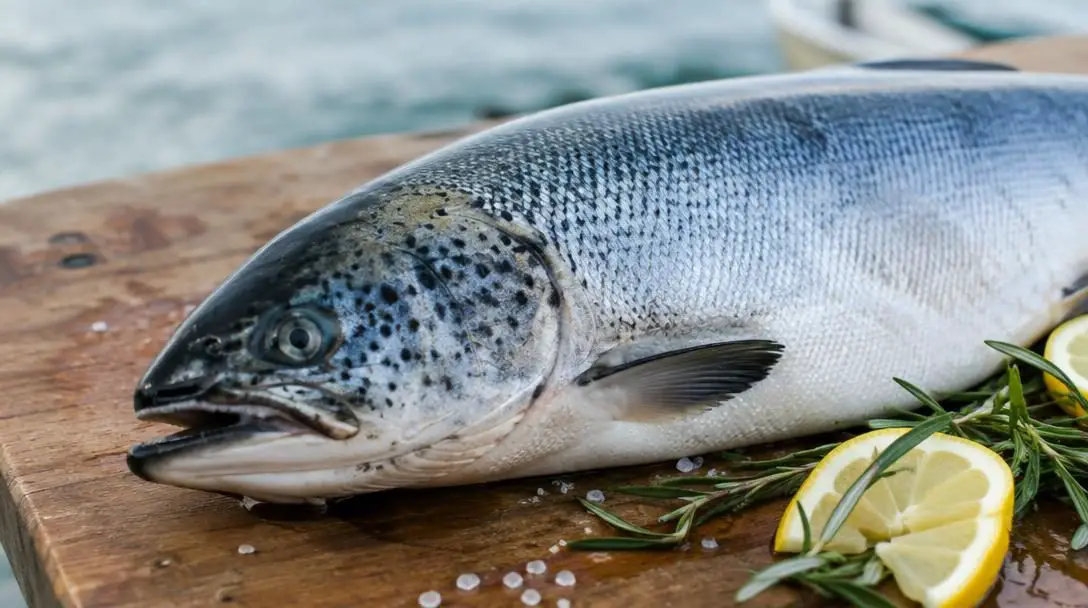
Brain health, memory, and cognitive preservation
Few nutritional compounds influence cerebral biology as deeply as marine fatty acids. By facilitating unrestricted vascular circulation, omega-3s maintain an uninterrupted delivery of oxygen and cellular fuel directly to brain tissues, which actively sharpens daily cognitive function, attention, and executive processing. At the cellular scale, these polyunsaturated marine fats integrate directly into the phospholipid bilayer of neuronal membranes, establishing the ideal lipid environment for rapid nervous system signaling and neurotransmitter exchange.
The structural impact of marine fats on human brain anatomy was illustrated in a large-scale University of Texas study involving more than 2,000 participants. Clinical researchers discovered that subjects maintaining higher concentrations of omega-3 fatty acids in their diets displayed significantly larger brain volumes within the hippocampus—the neurological center responsible for memory formation, spatial navigation, learning, and emotional regulation. Furthermore, these same participants consistently recorded superior scores across abstract reasoning and logical problem-solving tests.
Over decades of life, maintaining steady, dependable levels of seafood-derived omega-3 fatty acids builds neurological resilience against age-related cognitive decline. Individuals who routinely keep adequate omega-3 levels in their diets cut their risk of developing debilitating cognitive disorders, including dementia and Alzheimer’s disease, by an estimated 20 to 30 percent.
Weight management and lean protein efficiency
Sustaining a healthy body composition remains an uphill challenge for millions of people, particularly in the United States where the majority of adults are clinically categorized as either overweight or obese. In fact, more than 15 percent of individuals are actively attempting a calorie-restricted weight-loss diet at any given moment. Nutrition scientists widely agree that the most dependable path to lasting fat loss requires creating a modest caloric deficit while intentionally elevating lean protein intake to preserve functional muscle mass and stimulate metabolic satiety.
A primary pitfall during extended calorie restriction is meal fatigue. Many well-intentioned dieters limit their animal protein choices strictly to skinless chicken breast or ground turkey. Over time, sheer culinary boredom causes individuals to abandon their dietary programs and return to calorie-dense habits. Introducing wild-caught fish effectively prevents meal fatigue while keeping dietary energy budgets strictly intact.
Wild seafood exhibits some of the most favorable protein-to-calorie ratios found in whole-food nutrition. A standard three-ounce serving of cooked wild cod, for example, delivers 15 grams of high-quality protein for a mere 70 calories. This lean concentration of essential amino acids curtails appetite signals, halts muscle catabolism during energy deficits, and eliminates the unintentional caloric overshoot common with terrestrial meats.
Vitamins and essential trace minerals in ocean forage
The nutritional value of wild-caught fish extends far beyond macronutrients and fatty acid profiles. A single fillet of wild seafood serves as a bioavailable spectrum of micronutrients, operating much like a whole-food multivitamin by absorbing essential elements directly from complex ocean food webs.
- Vitamin A: Essential for cellular turnover, reproductive health, sharp visual acuity, and the ongoing structural integrity of the immune system's mucosal barriers.
- B-complex vitamins: A complete suite of cofactors that facilitate cellular energy metabolism, support continuous red blood cell synthesis, and preserve rapid neurological signaling.
- Vitamin D: Regulates structural bone mineralization, balances daily mood stability, and coordinates baseline immune defense mechanisms.
- Iron: Plays an essential role in biological oxygen transport, binding oxygen within red blood cells and carrying it directly to hard-working skeletal muscle tissues.
- Zinc: Promotes cellular repair, sustains thousands of enzymatic reactions, and ensures resilient immune cell replication.
- Potassium: Manages intracellular fluid balance and works to regulate vascular muscular contraction, supporting healthy resting blood pressure.
- Selenium: Operates as a formidable antioxidant mineral that protects cellular structures against daily oxidative stress and cellular degradation.
How to select, store, and cook wild-caught fish
Adopting a seafood-centered approach to nutrition is straightforward when guided by systematic handling, sourcing, and cooking principles. Following these structured steps guarantees peak culinary quality, safety, and nutrient preservation.
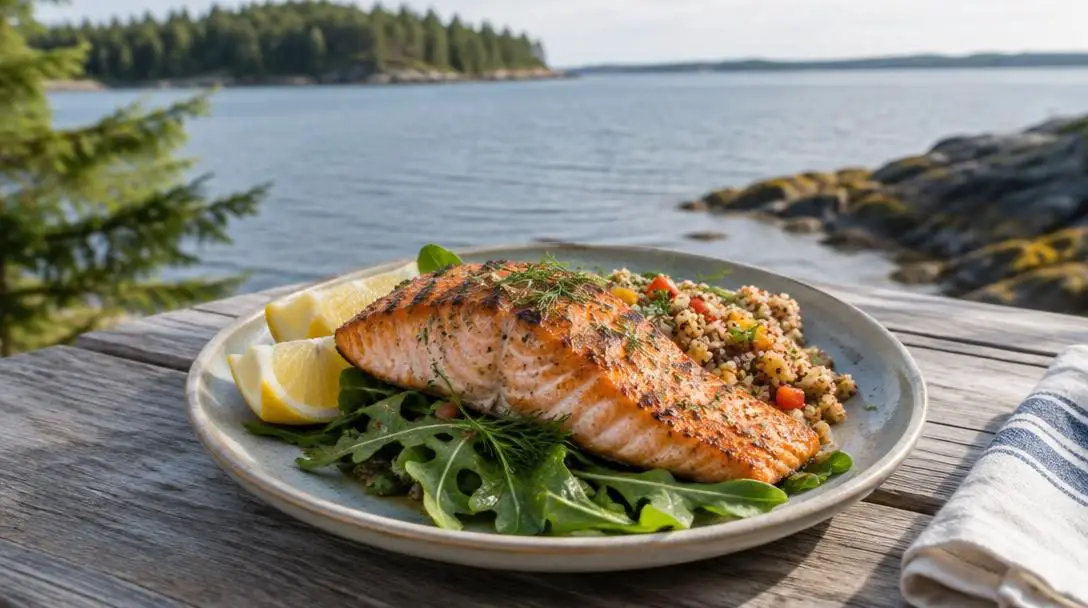
- Verify product provenance and labeling: Examine retail packaging and fish counter display markers carefully, confirming that the product explicitly states "wild-caught" rather than "farm-raised" or "aquaculture," and check the verified country of origin.
- Inspect fresh fillets for physical cues: Select fresh fish that displays firm, moist, and elastic flesh that springs back upon gentle contact. Avoid fillets that appear dry, discolored, or milky, and ensure the cut carries a clean, mild briny scent reminiscent of ocean water rather than a sour, pungent, or ammoniated odor.
- Utilize flash-frozen options from the freezer aisle: Browse commercially frozen sections for vacuum-sealed wild fillets. Flash-freezing technology locks in nutritional integrity and peak freshness immediately after harvest, offering convenient portion control and extended storage life.
- Practice safe refrigeration and thawing: Keep fresh wild fish stored directly on ice or placed within the coldest compartment of your refrigerator, preparing it within one to two days of purchase. When handling frozen fillets, consistently allow them to thaw gradually overnight inside the refrigerator rather than leaving them out at room temperature.
- Apply gentle cooking techniques: Cook your fillets using low-stress cooking methods such as gentle baking, broiling, poaching, steaming, or light pan-searing with heart-healthy olive oil, minced garlic, and fresh citrus. These gentle methods shield delicate polyunsaturated fatty acids from excessive thermal degradation.
Mistakes to avoid when eating wild seafood
Even health-conscious consumers frequently compromise the nutritional advantages and natural flavor of wild seafood through preventable preparation mistakes. Keeping these common culinary errors in mind ensures the highest return on your grocery investment.
Overcooking lean fillets
Wild-caught fish contains substantially less intramuscular fat than grain-fed terrestrial meats or aquaculture-raised fish. Because of this leaner biological structure, exposing wild fillets to high heat for too long rapidly drives out residual moisture, leaving the meat dry, dense, and unpleasantly rubbery. To protect moisture and delicate nutrients, remove fish from the heat source the moment the flesh shifts from translucent to opaque and begins flaking under light fork pressure.
Relying on deep fryers
Dredging wild fish fillets in heavy refined flour batters and submerging them in industrial seed oils at elevated temperatures undermines the cardiovascular advantages of seafood. Deep frying introduces oxidized fats, dramatically elevates caloric density, and damages delicate marine fatty acids. Choose clean baking, steaming, or gentle searing over heavy frying.
Targeting apex predators
Large, long-lived predatory species sitting at the peak of the marine food chain accumulate elevated body burdens of heavy metals over their decades in the ocean. Routinely purchasing apex species increases heavy metal exposure. Prioritize smaller- and medium-sized wild varieties to enjoy abundant trace minerals and high-quality protein without excessive contaminant loads.
Abandoning seafood after one bad experience
Many consumers abandon seafood entirely after tasting poorly handled, stale, or improperly prepared fish. Wild marine species encompass an enormous spectrum of textures, moisture levels, and flavor profiles. If lean, mild white varieties like cod do not appeal to your palate, transitioning to richer, more robust wild fish selections can unlock an entirely different culinary experience.
Frequently asked questions
How much protein does typical wild-caught fish provide compared to its calories?
Wild-caught fish provides an exceptionally high ratio of protein to calories. For example, a three-ounce cooked portion of wild cod yields 15 grams of complete protein while contributing only 70 total calories, making it an ideal choice for muscle retention and caloric control.
Why does wild fish have different nutrients than farm-raised fish?
Because wild fish forage freely throughout natural ocean ecosystems rather than eating standardized commercial feed pellets, they absorb an expansive variety of marine trace minerals including selenium, zinc, iron, and potassium, alongside a balanced profile of omega-3 and omega-6 fatty acids.
How significantly can eating wild-caught fish lower heart disease risk?
Clinical studies show that consistent consumption of marine omega-3 fatty acids reduces the overall risk of heart disease by just over 20 percent on the conservative end, with some medical research documenting risk reductions reaching nearly 45 percent due to lower inflammation, improved arterial elasticity, and reduced LDL cholesterol.
Does eating fish regularly protect against long-term memory loss?
Yes. Regular consumption of omega-3 fatty acids preserves cognitive function by increasing brain volume in the hippocampus, the brain's memory and learning center. Studies show routine intake reduces the long-term risk of developing dementia and Alzheimer's disease by 20 to 30 percent.
How should I avoid excess mercury when buying wild fish?
To avoid heavy metal exposure, avoid large, long-lived apex predators at the very top of the marine food chain. Instead, choose smaller to medium-sized wild fish species, which absorb essential ocean minerals without accumulating elevated levels of mercury.
The bottom line
Modern dietary patterns leave fish noticeably underrepresented, with seafood accounting for only 7 percent of standard daily protein intake and 17 percent of global meat consumption. Yet the nutritional advantages provided by wild-caught seafood far outstrip those of common terrestrial proteins like red meat or pork. From reducing systemic vascular inflammation and lowering cardiovascular disease risk by up to 45 percent, to expanding hippocampal brain volume and delivering high-density protein for effortless calorie management, wild fish stands out as a true foundational food.
You do not need to overhaul your entire lifestyle overnight to experience these physiological benefits. Begin simply by replacing one or two weekly meals of beef, pork, or processed meats with nutrient-dense wild fish such as cod. Combine your fillets with fresh vegetables, prepare them using gentle heat, and take advantage of convenient flash-frozen options. Over time, this straightforward dietary shift supplies the clean proteins, polyunsaturated fats, and marine trace elements necessary to sustain vitality, cardiovascular resilience, and cognitive acuity across every stage of life.