5 Supplements to Boost Your Brain Power and Improve Memory: Do They Really Work?

In our modern, high-pressure world, countless individuals find themselves searching for dependable methods to boost their brain power and enhance their memory. Complex daily responsibilities, demanding workloads, and the natural desire to stay mentally sharp as the years advance have driven intense interest in practical solutions for long-term cognitive health. Dietary supplements have emerged as an exceptionally popular option, saturating retail shelves and digital storefronts with an overwhelming variety of capsules, powders, and tablets promising heightened recall, rapid mental agility, and laser-sharp focus.
However, navigating through this massive assortment of cognitive formulations presents a significant challenge. Consumers are routinely confronted with exaggerated marketing claims, dense scientific jargon, and contradictory guidance, making it remarkably difficult to discern which products deliver genuine clinical value and which represent an unnecessary waste of money. Gaining an objective understanding of which compounds possess legitimate research backing is an essential foundation before investing in any daily cognitive regimen.
Key takeaways
- Cognitive supplements rely on diverse biological mechanisms, ranging from structural cellular support and mitochondrial energy production to cerebral blood flow enhancement.
- Clinical evidence varies dramatically across popular compounds, with robust proof supporting omega-3s and vitamin B-12 for specific demographics, while botanicals like ginkgo biloba show mixed results.
- Natural ingredients carry real risks of prescription drug interactions, notably between bacopa monnieri and thyroid medications, as well as acetyl-L-carnitine and blood thinners.
- Baseline nutritional deficiencies, particularly in vitamin B-12, directly impact neurological performance and should be evaluated via medical testing prior to supplementation.
How cognitive and memory supplements operate in the body
Rather than functioning as a uniform class of substances, cognitive enhancers operate through highly distinctive physiological mechanisms. These compounds range from structural lipids and naturally synthesized amino acids to concentrated botanical extracts from ancient therapeutic traditions and essential water-soluble micronutrients. Their biological pathways dictate how and when they provide measurable benefits to human brain tissue.
While some compounds integrate directly into the architecture of neural cell membranes to optimize structural integrity and signal transmission, others stimulate cellular energy generation within mitochondria. Concurrently, botanical agents frequently focus on vascular modulation, promoting healthy microcirculation to ensure cerebral tissues receive continuous oxygen and nutrient delivery, or actively encouraging the biological pathways responsible for the structural growth and preservation of nerve cells.
Evaluating five prominent brain and memory supplements
To understand whether popular nootropic products truly work, it is necessary to examine their clinical backing, specific biological actions, and individual safety profiles. Below is an overview of five of the most widely consumed cognitive support compounds.
| Supplement | Primary Mechanism | Clinical Findings | Key Safety Considerations |
|---|---|---|---|
| Omega-3 Fatty Acids | Reinforces cell membrane architecture and reduces inflammation | Documented memory and cognitive gains in healthy older adults | Generally well tolerated; dietary assessment recommended |
| Ginkgo Biloba | Stimulates cerebral blood flow and vascular circulation | Mixed outcomes; benefits observed in some trials, absent in others | May cause headaches and gastrointestinal upset |
| Bacopa Monnieri | Enhances cerebral circulation and supports nerve cell growth | Documented improvements in memory recall, attention, and processing speed | Interacts with thyroid hormone replacement therapy |
| Acetyl-L-Carnitine | Shuttles fatty acids into mitochondria for energy production | Improves memory and executive function in older cohorts | Interacts with prescription blood thinners; efficacy varies |
| Vitamin B-12 | Supports DNA synthesis and red blood cell production | Restores memory and cognition in older adults with mild cognitive impairment | Requires clinical testing to confirm existing deficiency |
Omega-3 Fatty Acids

- Primary source: Cold-water fish (salmon, mackerel) and plant sources (flaxseeds, walnuts)
- Key biological role: Structural component of brain tissue architecture
- Target benefit: Memory recall and general cognitive performance in healthy older adults
Omega-3 fatty acids represent a category of essential polyunsaturated fats widely recognized for their comprehensive physiological benefits. Naturally abundant in cold-water fish such as salmon and mackerel, as well as plant sources like flaxseeds and walnuts, these dietary fats serve fundamental biological roles throughout the human body. Clinically, they offer broad wellness advantages, including systemic inflammation reduction and sustained cardiovascular support.
When it comes to neurological performance, research confirms that omega-3 fatty acids play a pivotal role in brain maintenance. These polyunsaturated fats are vital structural components of neurological tissue architecture, necessary for membrane fluidity, signal transduction, and memory processing. Clinical trials have revealed that supplementation with omega-3 fatty acids yields measurable improvements in both memory recall and general cognitive performance in healthy older adults, establishing them as one of the most thoroughly substantiated nutritional options available for cerebral wellness.

Ginkgo Biloba

- Origin: Traditional Chinese medicine derived from an ancient tree species
- Mechanism: Facilitates and improves blood flow to the brain
- Reported side effects: Recurring headaches and gastrointestinal upset
Derived from one of the oldest living tree species on earth, ginkgo biloba has occupied a prominent place in traditional Chinese medicine for hundreds of years. Historically administered to address a vast spectrum of physical ailments, this botanical extract has achieved modern prominence as a natural therapy specifically designed to counteract memory loss, combat age-related cognitive decline, and invigorate mental function. Mechanistically, the botanical is believed to achieve these outcomes primarily by facilitating and improving blood flow to the brain.
Despite its longstanding popularity and centuries of clinical application, scientific inquiries into the efficacy of ginkgo biloba have yielded mixed results. Several controlled clinical trials have observed that ginkgo biloba can enhance cognitive parameters and sharpen memory retention among healthy adult subjects. Conversely, a substantial body of competing scientific research has detected no statistically significant cognitive differences or improvements following supplementation. Beyond its variable track record, consumers must weigh potential side effects, which include recurring headaches and gastrointestinal distress such as an upset stomach.
Bacopa Monnieri

- Origin: Indian Ayurvedic medicine derived from a wetland herb
- Mechanism: Increases cerebral circulation and stimulates nerve cell growth
- Known medication interaction: Thyroid hormone replacement therapy
Bacopa monnieri is a therapeutic wetland herb with a rich history of clinical utilization within Indian Ayurvedic medicine, where it has served for centuries as an honored remedy to elevate intellectual sharpness, strengthen memory retention, and restore cognitive balance. In terms of biological mechanisms, bacopa monnieri supports mental faculties in two significant ways: by actively increasing blood flow throughout the brain and by stimulating the biological pathways responsible for promoting the growth and preservation of nerve cells.
Contemporary scientific evaluations provide strong backing for many of its traditional applications. Research studies investigating healthy adult cohorts have demonstrated that targeted bacopa monnieri supplementation produces documented improvements across several cognitive metrics, notably enhancing memory recall, strengthening selective attention, and boosting mental processing speed. However, because of its physiological potency, bacopa monnieri has the capacity to interact unfavorably with certain prescription medications, particularly thyroid hormone replacement therapy, making prior medical consultation essential.
Acetyl-L-Carnitine

- Compound type: Naturally synthesized amino acid derivative
- Primary cellular duty: Shuttles fatty acids into mitochondria for cellular energy
- Known medication interaction: Prescription blood thinners
Acetyl-L-carnitine is a naturally occurring amino acid compound that the human body synthesizes internally to support vital biochemical pathways. Its primary physiological duty involves assisting in cellular energy production, shuttling fatty acids directly into the mitochondria where they are converted into biological fuel. In the context of cognitive well-being, this vital amino acid has been extensively researched for its capacity to optimize everyday brain function and mitigate biological factors that heighten the risk of progressive cognitive decline.
Scientific literature provides concrete evidence that acetyl-L-carnitine supplements can generate noticeable improvements in cognitive outcomes. Controlled clinical research has demonstrated that this compound can reliably enhance memory capacities and bolster executive function in older adult populations. However, researchers emphasize that acetyl-L-carnitine may not be uniformly effective for every single individual. Furthermore, significant medical precautions must be observed regarding drug compatibility, as acetyl-L-carnitine supplements may interact negatively with vital prescription medications, specifically blood thinners.

Vitamin B-12
- Compound type: Essential water-soluble micronutrient
- Biological functions: Continuous cellular DNA synthesis and red blood cell production
- Clinical indicator: Restores memory in older adults with mild cognitive impairment
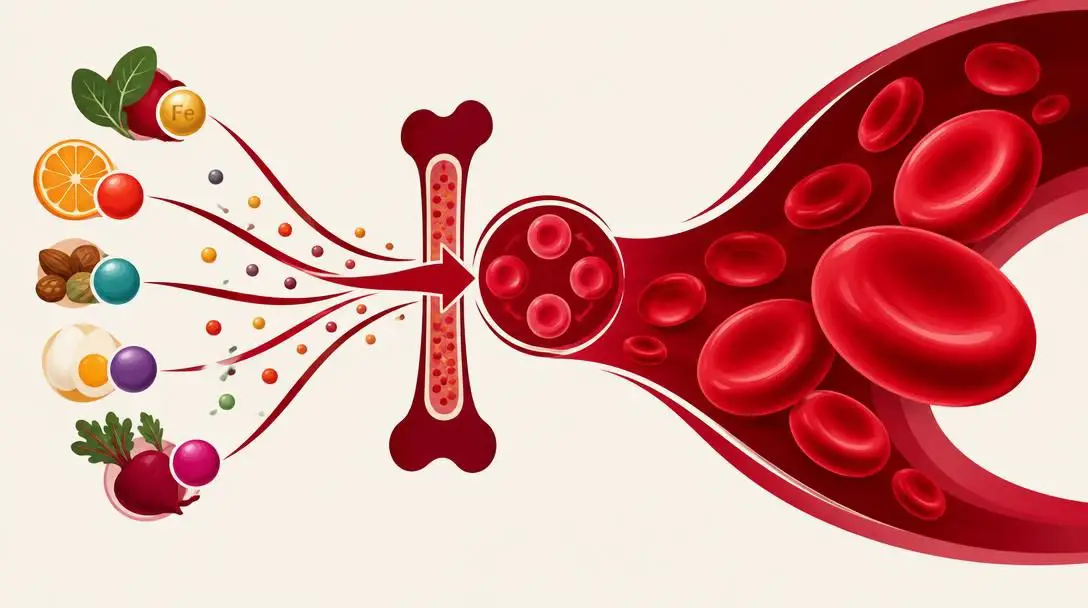
Vitamin B-12 is an essential water-soluble micronutrient indispensable for maintaining optimal brain performance, robust nervous system integrity, and overall cognitive stability. Within the human body, this crucial vitamin performs critical biological roles: it is fundamentally required for the continuous synthesis of cellular DNA and serves as a vital biochemical catalyst in the healthy production of red blood cells. When systemic levels of vitamin B-12 drop below normal physiological ranges, the deficiency is directly linked to progressive memory problems, intellectual impairment, and broad cognitive decline, particularly among older adults.
Rigorous clinical research indicates that therapeutic vitamin B-12 supplementation yields distinct cognitive benefits under specific medical conditions. In particular, clinical studies have established that targeted vitamin B-12 administration can significantly improve memory metrics and restore cognitive function in older adults presenting with mild cognitive impairment. Because the compound is intrinsically necessary for the structural functioning and daily protection of the nervous system, sustaining adequate systemic levels provides an essential defensive safeguard against ongoing mental deterioration.
Commercial availability does not guarantee definitive scientific proof, making a critical evaluation of clinical evidence essential before starting any cognitive regimen.
Practical steps for choosing and using cognitive supplements
Selecting an appropriate cognitive supplement requires a methodical, discerning approach rather than an impulsive purchase based on aggressive marketing promises. By assessing personal biological requirements and screening for potential contraindications, you can make informed decisions that safeguard your health.
- Assess your dietary habits first: Begin by carefully reviewing your daily food intake to determine whether you already absorb essential neuro-supportive nutrients through whole meals. If your regular diet rarely features rich marine sources like salmon and mackerel or plant-based staples such as flaxseeds and walnuts, an omega-3 fatty acid supplement represents an appropriate option to explore.
- Clarify your specific mental goals: Different nootropic compounds address separate cognitive dimensions. For example, bacopa monnieri has been clinically demonstrated to improve attention capacity and mental processing speed alongside basic memory recall, whereas acetyl-L-carnitine focuses primarily on bolstering executive function and memory in aging demographics. Defining the precise mental abilities you wish to strengthen allows you to target the most appropriate compound.
- Consult a healthcare professional: Prior to ingesting any cognitive product, schedule a thorough discussion with a licensed physician or medical provider. This review is essential because several popular cognitive supplements interact directly with prescription medications, such as bacopa monnieri altering thyroid replacement therapies or acetyl-L-carnitine interacting with blood thinners.
- Check for potential side effects: Closely observe your physical and neurological responses whenever introducing an herbal extract or concentrated nutrient into your routine. Certain time-tested botanical options can cause physiological tolerance issues; for example, ginkgo biloba is associated with side effects including acute headaches and upset stomach.
- Check your vitamin levels: Because subclinical deficiencies in vitamin B-12 are clinically associated with memory difficulties and accelerating cognitive decline in older individuals, request appropriate blood testing from your doctor. Establishing your precise nutritional baseline helps determine whether targeted supplementation is necessary to support red blood cell production, cellular DNA synthesis, and continuous nervous system function.
Common mistakes to avoid when taking brain supplements
Navigating the cognitive enhancement marketplace without a critical eye can quickly lead to diminished results, financial waste, or adverse medical events. Consumers routinely encounter pitfalls that undermine their physical safety and cognitive goals. Ensure you avoid these common missteps:
- Assuming all supplements have conclusive evidence: It is a frequent mistake to presume that broad commercial availability equates to unquestioned scientific proof. As demonstrated by the clinical record of ginkgo biloba, the evidence base remains mixed; while select studies report cognitive improvements in healthy individuals, numerous other trials indicate an absence of statistically significant benefits.
- Ignoring potential drug interactions: Individuals frequently operate under the dangerous assumption that naturally sourced or endogenously produced compounds carry no risk of conflict with prescription drugs. However, bacopa monnieri can actively alter the efficacy of thyroid hormone replacement therapy, and acetyl-L-carnitine may create harmful interactions when paired with blood thinners.
- Expecting universal results: Biological diversity means that human bodies process and respond to nutritional compounds in unique ways. In clinical evaluations of acetyl-L-carnitine, for instance, researchers emphasize that the amino acid is not equally effective across all participants, despite clear evidence supporting its capacity to aid memory and executive function in older adult demographics.
- Disregarding side effects: Consumers often dismiss uncomfortable bodily symptoms under the mistaken belief that natural remedies are entirely harmless. Even botanicals that have been deployed for centuries within traditional Chinese medicine, such as ginkgo biloba, can precipitate real adverse physiological effects, including persistent headaches and an upset stomach.
- Treating supplements as identical: Each cognitive compound functions along distinct biological pathways. Grouping together polyunsaturated dietary fats like omega-3 fatty acids, amino acid structures like acetyl-L-carnitine, water-soluble micronutrients like vitamin B-12, and complex botanical extracts like bacopa monnieri obscures the highly specific ways each substance interacts with the brain and vascular system.
Frequently asked questions
Which cognitive supplement has the strongest evidence for memory improvement?
Omega-3 fatty acids and vitamin B-12 carry some of the most robust scientific backing for memory support. Omega-3 fatty acids have been shown in clinical trials to yield measurable improvements in memory recall and general cognitive performance in healthy older adults. Vitamin B-12 has demonstrated significant benefits in restoring memory metrics and cognitive function specifically in older adults diagnosed with mild cognitive impairment.
Can natural memory supplements interact with prescription medications?
Yes. Natural or naturally occurring supplements can cause serious drug interactions. For instance, bacopa monnieri may interfere with thyroid hormone replacement therapy, while acetyl-L-carnitine has been shown to interact negatively with prescription blood thinners. You should always review potential supplement additions with a qualified healthcare provider.
Does ginkgo biloba actually work for memory loss and focus?
The clinical research on ginkgo biloba is mixed. While several controlled trials have observed enhanced cognitive parameters and sharper memory retention in healthy adults, a substantial body of competing scientific studies has found no statistically significant cognitive differences. Additionally, it may cause side effects like headaches and upset stomach.
Why is vitamin B-12 critical for brain and memory health?
Vitamin B-12 is essential for cellular DNA synthesis, the production of healthy red blood cells, and the structural integrity of the nervous system. When levels fall below normal ranges, the deficiency is directly linked to progressive memory problems, intellectual impairment, and broad cognitive decline, particularly in older populations.
Are brain-boosting supplements equally effective for everyone?
No. Supplements do not work identically for all individuals. For instance, clinical studies on acetyl-L-carnitine indicate that it is not uniformly effective across all users. Furthermore, many cognitive supplements demonstrate their most pronounced benefits in specific cohorts, such as older adults or individuals experiencing mild cognitive impairment or existing nutrient deficiencies.
The bottom line
Determining whether to introduce a cognitive supplement into your personal routine demands a rational evaluation of your age, physiological baseline, dietary habits, and long-term health trajectory. The clinical literature demonstrates that compounds like omega-3 fatty acids, bacopa monnieri, acetyl-L-carnitine, and vitamin B-12 provide legitimate cognitive value under targeted conditions, particularly for older adults seeking to preserve memory recall and executive function. However, they do not represent universal magic bullets.
Supplements should never be viewed as a substitute for medical guidance or sound lifestyle practices. Because biological variability affects how each person responds to these compounds, and because critical interactions exist with common prescription drugs like blood thinners and thyroid medications, an individualized approach is paramount. By consulting a physician, checking for nutritional deficiencies, and clarifying your precise cognitive goals, you can navigate the supplement landscape safely and effectively.