The 7 Different Types of Probiotics For Improved Gut Health
For generations, conventional medicine viewed the digestive tract primarily as a mechanical assembly line: a simple biological pipeline meant to take in fuel, pull out calories, and expel leftovers. Modern clinical science has completely transformed that limited perspective. Today, gastrointestinal wellness is recognized as a foundational pillar of systemic vitality, driven by the complex and dynamic ecosystem known as the human gut microbiota.
This bustling internal community regulates far more than basic digestion. From maintaining daily bowel regularity and optimizing nutrient absorption to calibrating immune defenses and influencing deep sleep quality, your microflora works around the clock. When the balance among these billions of microscopic inhabitants tilts toward dysbiosis, systemic health can falter. Replenishing these allies through live probiotics preserves tissue barriers, curbs inflammatory signaling, and defends internal tissues against invasive pathogens.
Key takeaways
- Probiotics are live, beneficial microorganisms that reinforce the intestinal barrier, enhance digestion, balance immune responses, and support restorative sleep.
- Gastrointestinal science identifies seven primary probiotic groups: Bacillus, Bifidobacterium, Enterococcus, Escherichia, Lactobacillus, Saccharomyces, and Streptococcus.
- While six of the core types are bacteria, Saccharomyces is a specialized, single-celled beneficial yeast commonly recognized in baking and brewing.
- Genera such as Escherichia and Enterococcus contain both vital therapeutic strains and dangerous pathogens, making laboratory-purified supplementation safer than risky dietary shortcuts.
- Rotating diverse fermented foods, including kefir, kimchi, sauerkraut, tempeh, and miso, provides broad microbial protection that single food sources cannot replicate.
How beneficial microbes protect the gastrointestinal tract
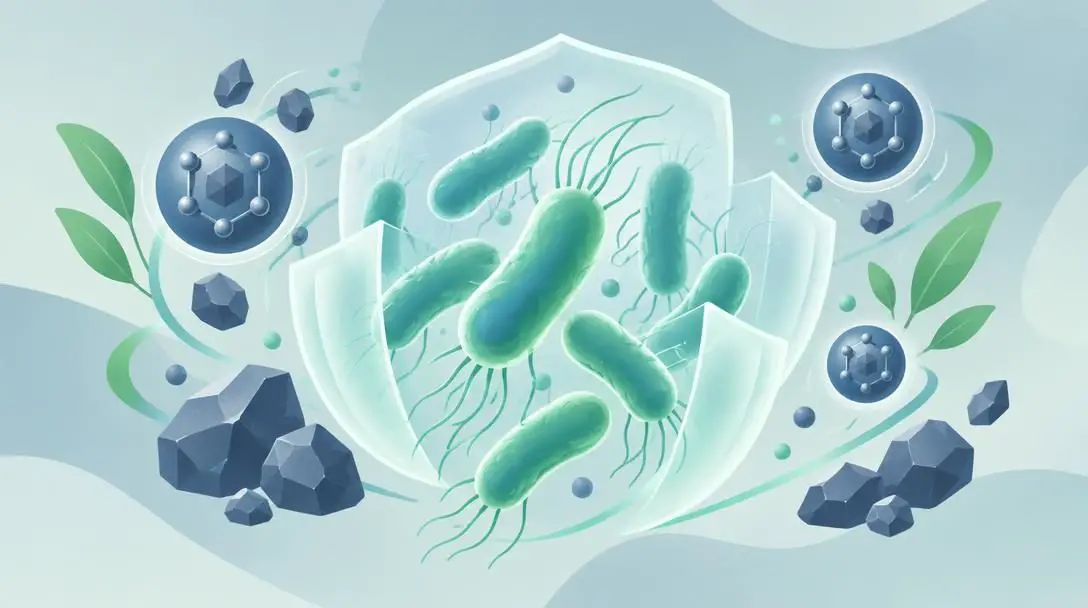
To appreciate why these microscopic organisms are indispensable to human health, one must explore the intricate landscape of the digestive canal. The gastrointestinal tract is lined with an ultra-thin, highly sensitive mucosal barrier that spans hundreds of square feet of surface area. When beneficial microflora flourish, they anchor directly along this mucosal layer in an architectural defense known as competitive exclusion. By occupying every available cellular receptor, they physically crowd out opportunistic microbes and prevent transient toxins from lodging in the gut wall.
By coating your delicate intestinal walls, beneficial microorganisms physically crowd out opportunistic invaders and forge an active metabolic shield against systemic disease.
Beyond functioning as a living biological shield, distinct genera carry out specialized biochemical tasks. Many microbes ferment dietary sugars into organic acids, specifically lactic acid. This continuous biochemical shift lowers the ambient luminal pH, producing a mildly acidic microenvironment in which disease-causing pathogens cannot survive. Concurrently, other microbial strains synthesize targeted enzymes that break down complex dietary lipids and recalcitrant carbohydrates into bioavailable cellular energy. These industrious organisms also engage in constant molecular cross-talk with gut-associated lymphoid tissue, training your immune cells to recognize authentic infectious threats while calming unnecessary systemic inflammation.
At a glance: The 7 core probiotic types compared
While the human intestinal microbiome harbors hundreds of unique microbial species, the majority of evidence-based health benefits stem from a small group of primary organisms. The table below details how these seven core probiotic groups compare in their cellular nature, physiological contributions, and primary culinary sources.
| Probiotic Genus | Organism Type | Primary Health Benefits | Common Dietary Sources |
|---|---|---|---|
| Bacillus | Bacterium | Sharpens immune defenses, resolves diarrhea, and manages chronic constipation | Fermented soybean foods, kimchi, kishk, miso, yogurt, and kefir |
| Bifidobacterium | Bacterium (anaerobic) | Breaks down complex carbs and fats, curbs eczema, and restores regular bowel function | Sauerkraut, kimchi, sourdough bread, kefir, milk, and live-culture yogurt |
| Enterococcus | Bacterium | Regulates cellular renewal, enhances fat metabolism, and stimulates immune surveillance | Aged cheeses, artisanal cured sausages, and diverse fruits and vegetables |
| Escherichia | Bacterium | Aids food breakdown, boosts dietary iron assimilation, and supports pediatric growth | Targeted dietary supplements (food sources carry high contamination risk) |
| Lactobacillus | Bacterium | Produces lactic acid, protects urogenital tissues, lowers cholesterol, and burns fat | Traditional yogurt, kefir, fermented tempeh, sourdough, kimchi, and sauerkraut |
| Saccharomyces | Fungus (yeast) | Soothes IBS, colitis, and Crohn's disease symptoms; reduces cholesterol; halts diarrhea | Fermented beverages (beer, cider, wine, rum, vodka) and targeted capsules |
| Streptococcus | Bacterium | Delivers anti-inflammatory activity, relieves bowel irritation, and boosts immunity | Cultured milk, dairy products, custards, and traditional dishes with ham, eggs, or lobster |
The 7 core probiotic types for gut health
Each of the seven core probiotic groups possesses distinct metabolic machinery, colonizes specific regions of the gastrointestinal canal, and confers unique therapeutic benefits to its host. Understanding these distinctions allows you to tailor your diet and supplementation strategy for optimal digestive resilience.
Bacillus
- Organism classification: Bacterium
- Historical namesake: Christian Gottfried Ehrenberg (19th century)
- Natural occurrence: Soil, freshwater, and traditional fermented foods
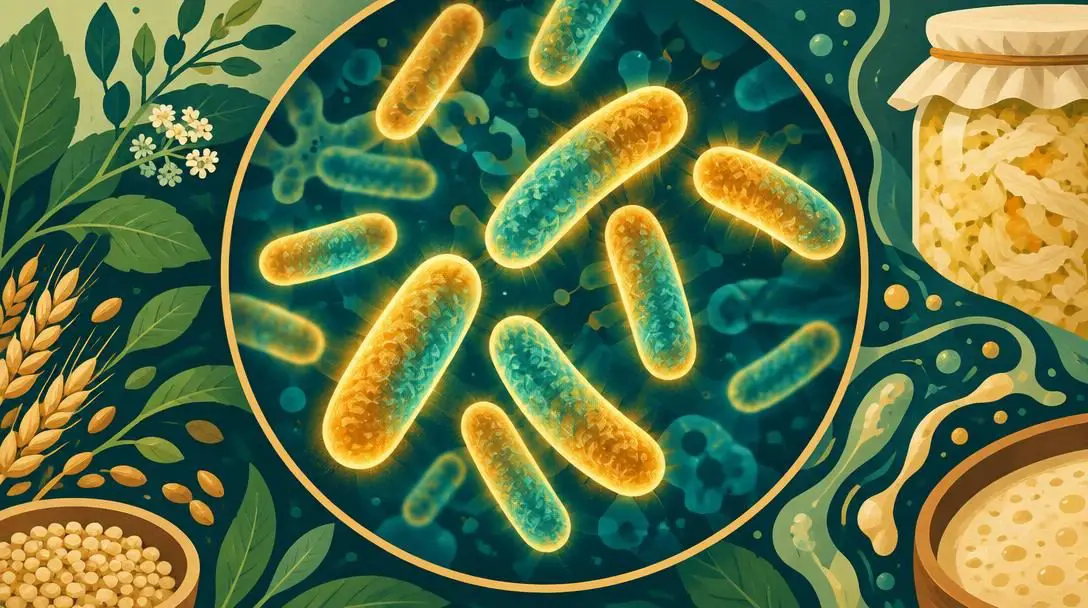
As a foundational cornerstone of gastrointestinal microecology, Bacillus carries an extensive history in microbiological science. First classified by 19th-century naturalist Christian Gottfried Ehrenberg based on its functional morphology, this rod-shaped organism flourishes throughout soil, natural waterways, and cultured culinary staples. One of its standout attributes is its physical durability: many Bacillus strains are spore-formers, meaning they possess an extraordinary ability to survive the harsh, churning acid bath of the human stomach before reaching the intestines intact.
Once settled along the lower digestive canal, Bacillus acts as a vigilant immune modulator. It sharpens baseline immune alertness and functions as a biological balancer, showing equal efficacy in mitigating sudden bouts of acute diarrhea and loosening stubborn, chronic constipation. Traditional dietary preparations rich in this resilient organism include fermented soybean staples, miso, kimchi, kishk, cultured yogurt, and kefir.
Bifidobacterium
- Organism classification: Anaerobic bacterium
- Preferred habitat: Lower gastrointestinal tract (oxygen-deprived zones)
- Clinical focus: Carbohydrate breakdown, metabolic vitality, and inflammatory skin relief
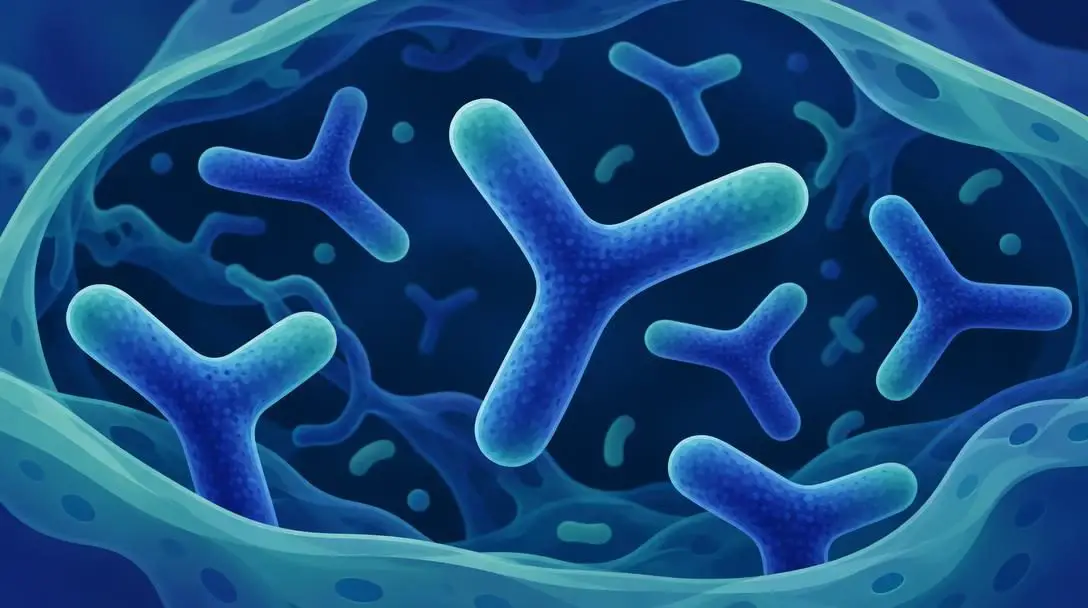
Operating entirely without oxygen, Bifidobacterium finds its home within the low-oxygen depths of the colon and lower gastrointestinal tract. This obligate anaerobe carries the heavy metabolic burden of degrading tough, complex carbohydrates and dietary lipids that escape upper stomach digestion. Without robust colonies of Bifidobacterium, the body struggles to break down complex plant starches and dietary fats, often resulting in sluggish digestion, uncomfortable gas, and metabolic inefficiency.
Clinically, sufficient populations of Bifidobacterium have been linked to broad anti-inflammatory actions throughout the body. Robust colonies calm irritating dermal flare-ups like eczema, ease recurring bouts of bowel irregularities such as constipation and diarrhea, and fortify systemic immune defenses. You can naturally nourish your microbiome with this genus by consuming fermented vegetables like sauerkraut and kimchi, as well as cultured milk, artisanal sourdough bread, plain yogurt, and kefir.
Enterococcus
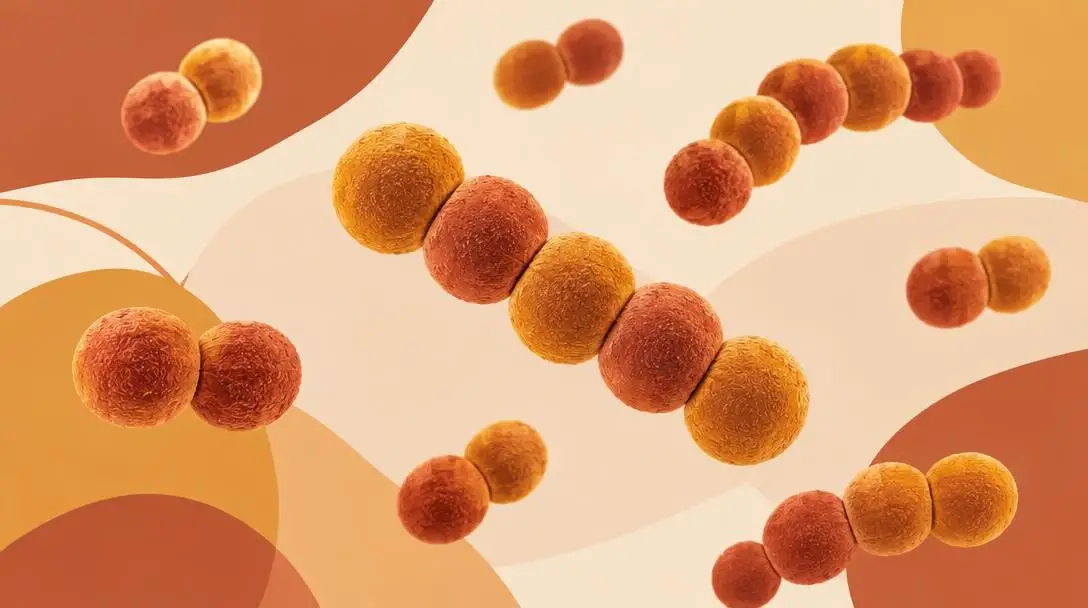
- Organism classification: Lactic acid bacterium
- Notable feature: Strong natural resistance to antibiotic medications
- Specialized role: Cellular regulation, tissue renewal, and metabolic fat oxidation
Although Enterococcus warrants careful microbiological oversight due to its pronounced natural resistance to standard antibiotics, non-pathogenic, symbiotic varieties perform indispensable tasks in maintaining cellular health. Beneficial strains work to regulate cellular proliferation, ensuring mucosal tissues and intestinal lining cells renew themselves in an orderly, healthy manner while simultaneously activating metabolic pathways that facilitate fat oxidation.
Because opportunistic strains within this family can cause clinical issues in immunocompromised individuals, it is essential to source this bacterium only through time-tested, hygienic dietary channels or verified products. Traditional, properly aged artisan cheeses, dry-cured sausages, and clean botanical foods provide safe avenues for cultivating helpful strains without exposing the digestive tract to hostile wild variants.
Escherichia
- Organism classification: Facultative anaerobic bacterium
- Familiar alias: Non-pathogenic E. coli
- Primary function: Iron assimilation, digestive support, and pediatric growth
Mentioning the name Escherichia frequently brings to mind dangerous outbreaks of foodborne illness caused by hazardous strains of E. coli. However, medical researchers know that non-pathogenic, mutualistic strains of this bacterium are necessary for healthy gastrointestinal ecology. When symbiotic strains take up residence in the intestinal lumen, they maintain digestive harmony and play an active physiological role in facilitating the biological absorption of dietary iron. This biochemical mechanism is crucial for warding off chronic lethargy, cellular fatigue, and iron-deficiency anemia.
Furthermore, clinical evaluations highlight the importance of non-pathogenic Escherichia in supporting robust structural development and tissue growth in growing children. Because virulent wild strains pose severe risks, you should never attempt to gather beneficial Escherichia through unpasteurized dairy or undercooked proteins.
Lactobacillus
- Organism classification: Lactic acid-producing bacterium
- Biochemical mechanism: Ferments simple sugars into protective lactic acid
- Distinct benefit: Reproductive and urogenital barrier defense
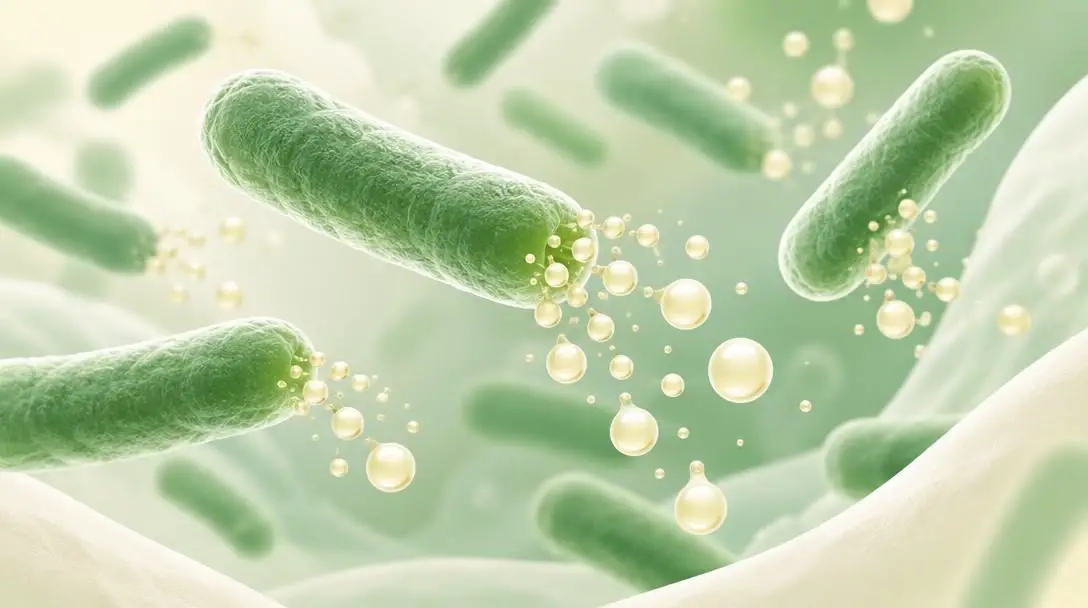
Unlike the spore-forming Bacillus, Lactobacillus is widely known for its ability to convert dietary sugars into protective lactic acid. This constant acid synthesis lowers the regional pH of mucosal surfaces, producing a defensive environment where opportunistic microbes and infectious fungi cannot flourish. Due to this localized mechanism, Lactobacillus is critical not just for intestinal integrity, but also for maintaining women's urogenital and reproductive health by preventing pathogenic bacteria and yeast from overtaking mucosal tissue.
Beyond its protective antimicrobial shield, Lactobacillus plays a significant role in systemic metabolic vitality. It assists the body in clearing excess circulating cholesterol, stimulates healthy fat metabolism, accelerates general digestive transit, and bolsters your natural immune defenses. Excellent whole-food sources include traditional unpasteurized yogurt, water or dairy kefir, fermented tempeh, genuine sourdough, kimchi, and raw sauerkraut.
Saccharomyces
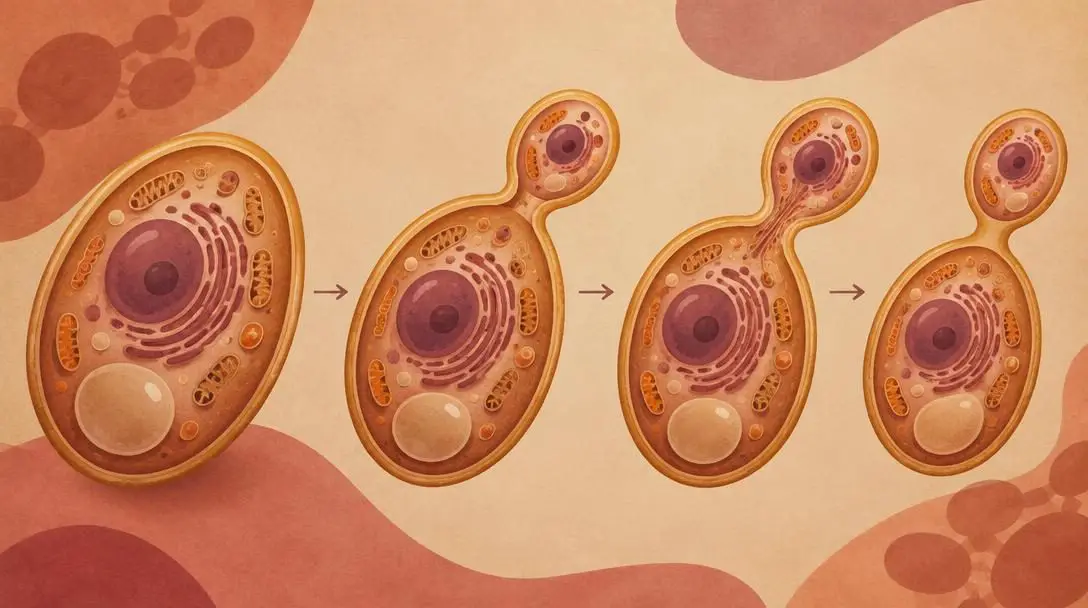
- Organism classification: Single-celled fungus (yeast)
- Common household name: Baker's yeast
- Therapeutic focus: Irritable bowel syndrome, Crohn's disease, and colitis relief
Departing completely from the bacterial kingdom, Saccharomyces is a single-celled eukaryotic yeast. Widely recognizable to home cooks and commercial bakers as baker's yeast, its therapeutic medicinal traits have drawn serious clinical focus in gastroenterology. Because it is a fungal organism rather than a bacterium, it behaves uniquely inside the human intestine. It remains unharmed by standard antibacterial medications, making it exceptionally valuable for maintaining intestinal stability during antibiotic courses.
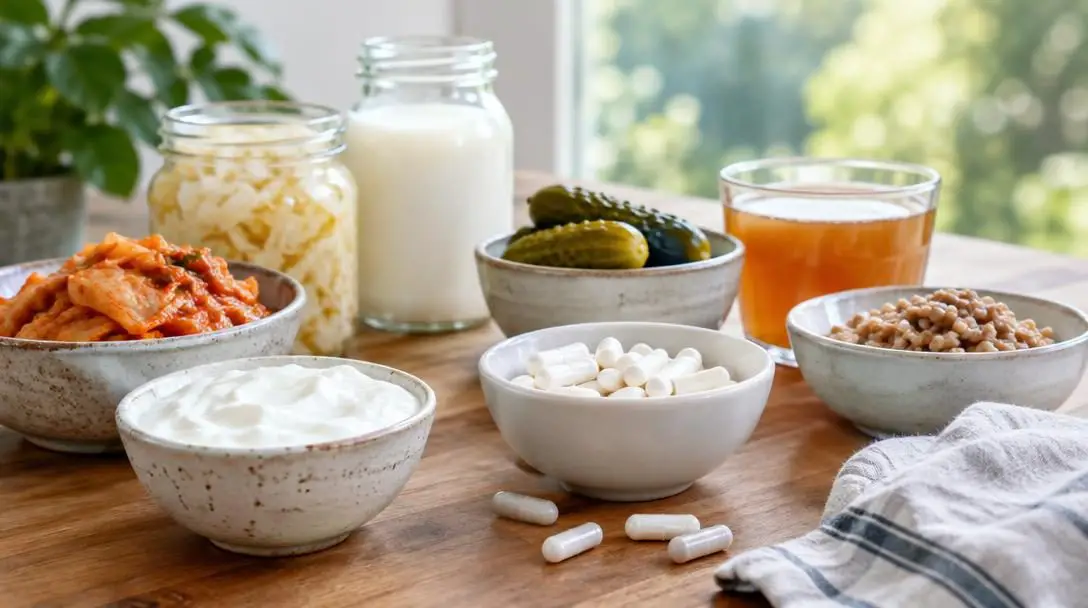
Rigorous clinical research shows that Saccharomyces eases severe inflammatory gastrointestinal disorders. It provides meaningful therapeutic relief for individuals dealing with irritable bowel syndrome (IBS), ulcerative colitis, and Crohn's disease. In addition, this resilient yeast helps lower total blood cholesterol markers, rapidly curbs acute infectious diarrhea, and strengthens gut barrier defenses. Beyond specialized dietary capsules, active strains are traditionally present in fermented beverages like craft beer, hard cider, wine, rum, and vodka.
Streptococcus

- Organism classification: Lactic acid bacterium
- Scientific turning point: Helpful probiotic strains formally identified in the 1980s
- Systemic benefit: Anti-inflammatory activity and potential cellular protection
Prior to groundbreaking microbiological discoveries in the 1980s, the scientific community categorized the genus Streptococcus primarily as a dangerous medical pathogen responsible for strep throat, skin rashes, and invasive tissue infections. Subsequent breakthroughs, however, isolated specific non-pathogenic, highly therapeutic strains. These friendly variants are now widely cultivated across the dairy fermentation industry and integrated into clinical probiotic therapies.
These helpful strains exert potent anti-inflammatory effects throughout the lower gastrointestinal canal. Laboratory and clinical findings suggest that this cellular modulation helps protect mucosal tissues against aberrant cellular mutations. In everyday digestion, beneficial Streptococcus relieves recurring bowel discomfort, moderates alternating cycles of constipation and diarrhea, and builds systemic immunity. Outside of clinical capsules, helpful strains can be found in high-grade cultured milk, traditional cheeses, custards, and classic culinary dishes containing ham, eggs, or lobster.
How to introduce these 7 probiotics into your routine
You do not need an abrupt, confusing lifestyle overhaul to cultivate a flourishing microbiome. Safely expanding your internal microbial diversity is best accomplished through gradual, intentional steps that give your digestive tract time to adapt.
- Audit your weekly grocery cart for live cultures. Start by swapping ordinary pasteurized dairy for active-culture kefir or plain live yogurt. Add small sides of unpasteurized sauerkraut, authentic miso paste, or fresh kimchi to your routine dinners to introduce foundational strains of Bacillus, Bifidobacterium, and Lactobacillus.
- Rotate your fermented foods regularly. Relying on a single probiotic source creates a nutritional and biological bottleneck. Cycle between fermented tempeh, artisanal sourdough, aged raw cheeses, and cultured vegetables to expose your digestive tract to a broader spectrum of organisms like Enterococcus and Streptococcus.
- Use standardized supplements for hard-to-source strains. To obtain the digestive benefits of specialized organisms like non-pathogenic Escherichia or therapeutic Saccharomyces without risking foodborne illness, select third-party-tested, laboratory-verified probiotic supplements.
- Start with conservative serving sizes. A sudden flood of billions of active microorganisms can trigger temporary bloating, abdominal cramping, and excessive gas. Begin with modest portions—such as one tablespoon of fermented vegetables or a quarter-cup of kefir per day—and slowly increase your intake over several weeks.
- Feed your microbiome with complex prebiotic fiber. Probiotics are living organisms that require fuel to survive and colonize the intestinal wall. Complement your daily probiotic intake with plenty of prebiotic fiber from leeks, garlic, onions, raw oats, and dark leafy greens to support the synthesis of protective short-chain fatty acids.
Common probiotic mistakes to avoid
As consumer interest in gut wellness has surged, commercial misconceptions have spread alongside it. Keep these common missteps in mind to ensure your digestive routine remains safe and effective:
- Assuming every strain within a genus is safe: Microorganisms sharing a genus name can behave in drastically different ways. While friendly strains of Escherichia and Enterococcus aid cellular repair and iron uptake, rogue members of the same families cause severe illness. Always use verified, non-pathogenic sources.
- Relying on alcoholic beverages for your yeast intake: While traditional beer, wine, and hard cider contain Saccharomyces, alcohol is an intestinal irritant that compromises the mucosal wall and degrades microbial diversity. Choose non-alcoholic fermented foods or targeted supplements instead.
- Neglecting prebiotic fuel: Flooding your digestive system with beneficial microbes without providing adequate dietary fiber causes those organisms to starve and pass through the gastrointestinal tract without establishing colonies.
- Starting with massive doses on day one: Ingesting mega-dose probiotic capsules or eating multiple large servings of fermented foods right away can overwhelm your intestinal environment, causing temporary digestive distress.
Frequently asked questions
Can I get all seven core probiotic types from food alone?
While a varied diet featuring yogurt, kefir, kimchi, sauerkraut, tempeh, and aged cheeses provides ample amounts of Bacillus, Bifidobacterium, Lactobacillus, Enterococcus, and Streptococcus, other microbes require caution. Helpful strains of Escherichia and clinical doses of Saccharomyces are best obtained through standardized, laboratory-purified supplements to avoid the foodborne pathogen risks associated with raw or contaminated food items.
How is Saccharomyces different from other probiotics?
Unlike the other six core probiotic groups, which are single-celled bacteria, Saccharomyces is a eukaryotic, single-celled fungus commonly known as baker's yeast. Because it has a fungal cellular structure, it is naturally resistant to antibacterial medications, allowing it to support gut stability and reduce diarrhea even during aggressive courses of antibiotics.
Is Escherichia really safe to take as a probiotic?
Yes, provided you consume specific, non-pathogenic, laboratory-isolated strains. While dangerous strains of E. coli are infamous for causing food poisoning, friendly mutualistic strains reside naturally in healthy human intestines, where they aid digestion, encourage structural tissue growth in children, and facilitate dietary iron absorption.
Why does eating fermented foods cause initial gas or bloating?
When you suddenly introduce large quantities of active microorganisms and fermented fibers into your gastrointestinal tract, the resident microflora undergoes rapid ecological shifts. This metabolic activity frequently creates transient gas and mild bloating. Starting with small, conservative portions gives your gut ecosystem time to adjust peacefully.
Should people with autoimmune conditions take every type of probiotic?
Not necessarily. Certain genera, particularly Enterococcus and Streptococcus, contain strains that may pose clinical risks to individuals who take immunosuppressive drugs or live with compromised immune systems. If you have an autoimmune condition, always consult your physician before introducing high-potency probiotic supplements.
The bottom line
The human gastrointestinal tract is far more than an internal fuel-processing tube. It is a living, responsive ecosystem whose balance dictates everything from nutrient extraction and metabolic rate to mucosal immunity and inflammatory defense. Cultivating a resilient internal environment does not require chasing unverified wellness fads; rather, it hinges on understanding the distinct strengths of our core microscopic partners.
By steadily introducing whole fermented foods like kefir, kimchi, and raw sauerkraut, complementing your diet with prebiotic plant fiber, and utilizing laboratory-verified supplements for specialized strains like Escherichia and Saccharomyces, you provide your digestive tract with the structural diversity it needs to thrive. Take a gradual, deliberate approach to your gut health, and your microbiome will reward you with sustained energy, smoother digestion, and enhanced lifelong vitality.