The Health Benefits of Eating Dark Chocolate
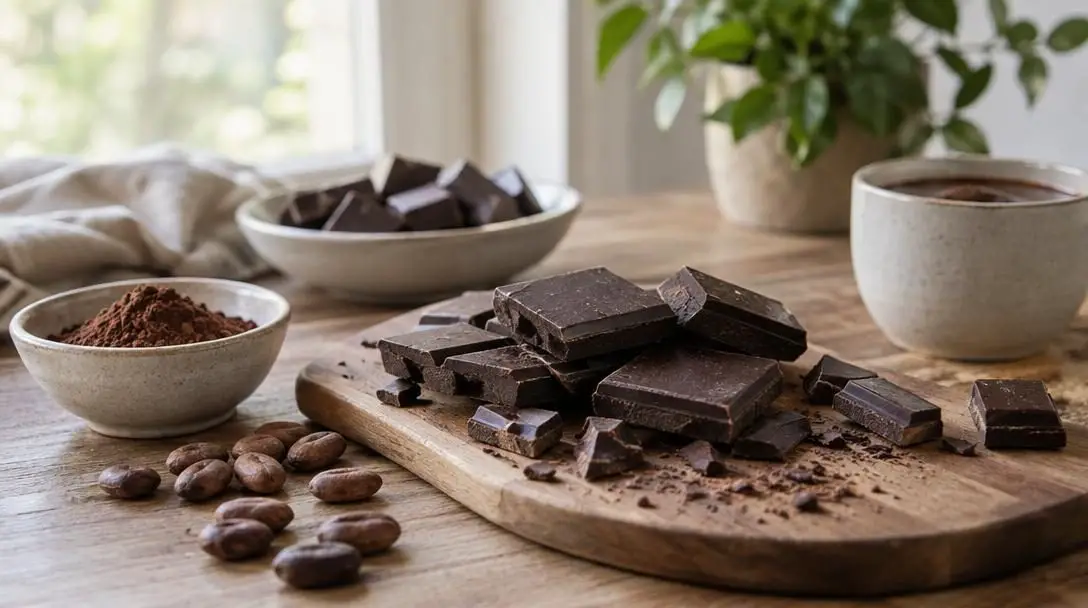
For generations, chocolate has occupied an undisputed pedestal in the world of confections, serving as an international hallmark of indulgence, emotional comfort, and celebration. Yet across grocery store checkouts and vending machines, commercial candy has seldom been associated with preventive health or systemic wellness. Mass-market sweets are engineered around milk chocolate—a dairy-heavy confection formulated to stimulate quick sugar cravings rather than supply functional human nourishment. Because of this confectionery legacy, consumers rarely perceive chocolate as anything more than a dietary vice.
Mounting clinical literature and nutritional research reveal an enormous physiological divide between typical commercial candy and authentic dark chocolate. When harvested and processed to preserve its botanical integrity, dark chocolate is far from an empty treat; it functions as a remarkably dense, bioactive food. Sourced directly from cacao tree seeds, high-percentage dark chocolate delivers an abundant profile of flavanols, essential minerals, healthy unsaturated fats, and unique organic plant compounds that support the heart, stabilize metabolism, and protect delicate tissues.
Key takeaways
- Consuming two to six ounces of dark chocolate per week can reduce the risk of irregular heartbeat by 15 to 20 percent and lower LDL cholesterol by over 10 percent in just two weeks.
- Unlike milk chocolate, which is loaded with saturated fat and refined sugar, dark chocolate contains mostly heart-healthy unsaturated fat and works to reduce insulin resistance in just over a week.
- Dark chocolate delivers dense concentrations of manganese and iron that approach your total daily recommended intake, alongside dietary fiber, protein, and essential micronutrients.
- Unique organic compounds such as theobromine strengthen tooth enamel and suppress coughs, while systemic flavanols improve skin resistance to ultraviolet sun damage.
- Strict portion control remains necessary because dark chocolate is naturally high in calories despite its superior nutritional profile.
The Botanical Divide: Dark Chocolate Versus Commercial Milk Chocolate
When most shoppers picture chocolate, their minds instinctively gravitate toward iconic checkout-counter staples like Butterfinger, Snickers, or Kit Kat. These globally recognized confections are built around commercial milk chocolate, a distinct formulation that relies on substantial volumes of added dairy, emulsifiers, and processed sugars to achieve an ultra-sweet, mellow taste. While this formulation produces a palatable, mild candy, the nutritional integrity of the original cacao seed is almost entirely diluted in the process.
In direct contrast, true dark chocolate derives its composition almost exclusively from pure cocoa solids and cocoa butter. This botanical foundation makes authentic dark chocolate one of nature's premier sources of dietary flavonols. Because mass culture has long equated chocolate with sugary milk confections, the broader public rarely associates cocoa products with physical healing or disease prevention. Dark chocolate naturally presents a less sugary, more sophisticated, and slightly bitter profile due to its minimal sugar content, yet it remains intensely flavorful while offering vastly superior physiological value.
While some consumers initially find the bitter undertones of high-cocoa bars unfamiliar, understanding the profound metabolic, cellular, and cardiovascular advantages of pure cocoa often encourages a permanent change in snacking habits. Transitioning from processed milk candies to authentic dark chocolate enables individuals to indulge in a luxurious comfort food while simultaneously shielding their bodies from chronic disease.
Cardiovascular Advantages and Lipid Optimization
The cardiovascular system represents one of the primary arenas where dark chocolate demonstrates measurable biological value. Standard milk chocolate recipes rely heavily on saturated fats to achieve a smooth, melt-in-your-mouth texture. Over time, excessive consumption of saturated fats can burden the circulatory system and promote arterial clogging. Conversely, dark chocolate contains remarkably low levels of saturated fat. The vast majority of its lipid content is composed of heart-healthy unsaturated fat, which actively optimizes lipid balances across vascular pathways.
Clinical investigations confirm that routinely consuming modest portions of dark chocolate reduces overall heart disease risk by managing circulating blood fats and minimizing bad cholesterol. However, medical professionals consistently underscore that portion control is paramount. Dark chocolate is calorically dense, meaning excessive portions can introduce an energy surplus that offsets its cardiovascular merits.
Consuming between two and six ounces of dark chocolate weekly can lower LDL cholesterol by more than 10 percent in just two weeks while cutting irregular heartbeat risk by up to 20 percent.
When consumed within measured parameters, the physical protections are rapid and pronounced. Ingesting between two and six ounces of dark chocolate across an entire week has been demonstrated to reduce the likelihood of developing an irregular heartbeat by 15 to 20 percent, alongside a tremendous drop in overall stroke risk. Furthermore, adhering to that specific two-to-six-ounce weekly window can lower bad LDL cholesterol levels by over 10 percent in as little as two weeks, showcasing the profound lipid-modulating capabilities of pure cocoa.
The Micronutrient Breakdown: A Surprising Nutritional Powerhouse
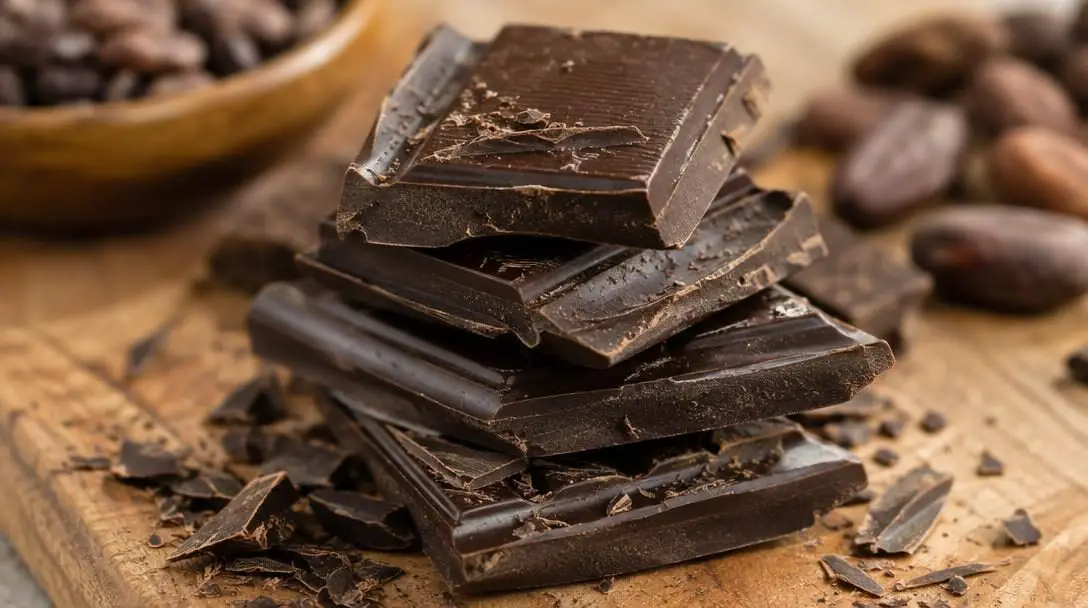
Because chocolate is historically marketed alongside sugary snacks, few people realize that high-quality dark chocolate functions as a substantial reservoir of essential vitamins, dietary minerals, and macronutrients. Rather than supplying empty calories, a bar of dark chocolate provides balanced physiological support for cellular energy, digestion, and muscular performance.
Dietary Fiber for Digestive Support
Unlike standard candy bars that strip out plant fiber during production, dark chocolate retains a generous quantity of dietary fiber. This essential non-digestible carbohydrate aids smooth gastrointestinal transit, promotes healthy gut motility, and supports digestive efficiency over time.
Essential Vitamins for Cellular Maintenance
Dark chocolate delivers a spectrum of critical micronutrients required for daily cellular upkeep. Among these are vitamin K, which plays a central role in vascular health and proper blood clotting, alongside vitamin B12 and niacin, which together support cellular energy synthesis and metabolic balance.
Iron and Manganese Concentrations
Among all the minerals housed within cocoa solids, manganese and iron rank as the most abundant. In quality dark chocolate, their concentrations are so pronounced that a modest portion approaches your entire recommended daily intake, providing fundamental raw materials for red blood cell formation, oxygen transport, and antioxidant defense enzymes.
Trace Mineral Balance
Beyond its standout iron and manganese figures, dark chocolate serves as an exceptional dietary vehicle for vital trace elements. It supplies biologically meaningful quantities of zinc, copper, potassium, and phosphorous—minerals essential for maintaining proper electrolyte levels, enzymatic reactions, and bone health.
Muscle-Supporting Protein Content
Athletes and fitness enthusiasts who focus on daily protein targets can also benefit from dark chocolate. Pure cocoa carries a respectable amount of plant-based protein, assisting in muscle maintenance and muscular tissue recovery when combined with a balanced overall dietary regimen.
Metabolic Mechanics: Insulin Sensitivity, Blood Flow, and Inflammation
To fully grasp how dark chocolate behaves more like a nutritional superfood than an ordinary confection, it is necessary to examine how its bioactive compounds interact with metabolic pathways. Standard checkout sweets rank extremely high on the glycemic index, rapidly flooding the bloodstream with refined glucose and precipitating a harsh energy crash shortly thereafter. Dark chocolate avoids this volatile glycemic spike because it contains only a fraction of the sugar found in milk varieties.
Remarkably, consuming small amounts of dark chocolate actually aids the body in regulating systemic blood sugar. This phenomenon is driven by its dense concentration of protective flavanols and broad antioxidant compounds. Flavanols actively combat oxidative stress by scavenging destructive free radicals. When oxidative damage within tissues is neutralized, the body's cells are capable of processing and clearing circulating insulin with far greater efficiency.
Clinical studies demonstrate that routine, small-scale dark chocolate intake can decrease insulin resistance in just over a week. This rapid metabolic improvement makes dark chocolate an exceptionally promising functional food for individuals managing diabetes, allowing them to satisfy chocolate cravings without destabilizing their glucose levels. Concurrently, cocoa flavanols stimulate enhanced arterial dilation, increasing whole-body blood flow within just a couple of hours after consumption. This enhanced circulation delivers powerful anti-inflammatory effects that mitigate chronic systemic swelling, ease high blood pressure, lower risks for severe degenerative diseases including cancer, and support balanced mental well-being.

Topical and Structural Perks: Skin, Teeth, and Stress Reduction
Beyond its internal cardiovascular and metabolic impacts, dark chocolate exerts positive physical effects on oral health, dermatological resilience, and neurochemical stress responses. While conventional milk chocolate is frequently cited as a trigger for skin blemishes and excess weight gain, high-cocoa dark chocolate works through entirely different biochemical mechanisms.
On an emotional level, chocolate has always been revered as a reliable source of mental comfort. However, dark chocolate supports relaxation on an authentic chemical plane. By enhancing peripheral blood circulation and systematically reducing elevated stress hormones, it encourages calm focus rather than a temporary sugar high. Simultaneously, its organic compounds provide targeted protections for your smile and your skin:
- Enamel reinforcement: Dark chocolate naturally supplies theobromine, an organic alkaloid that actively strengthens dental enamel, rendering teeth more resilient against acid and decay.
- Respiratory comfort: Beyond reinforcing dental structures, theobromine exerts a calming physiological action on respiratory pathways, helping to suppress persistent coughing fits.
- Bacterial defense: Concentrated polyphenols and antioxidants within dark chocolate neutralize pathogenic bacteria found inside the oral cavity, cutting down on organisms linked to oral disease.
- Ultraviolet radiation resistance: Enhanced microcirculation directly improves dermal hydration, strengthening the skin's biological resistance to damaging sunlight.
The dermatological advantages of dark chocolate have been verified through compelling clinical research. In one notable trial, participants who incorporated dark chocolate into their daily diets for three months required twice as long to develop a sunburn under ultraviolet light compared to those consuming standard chocolate. While clinicians caution that cocoa consumption should never replace external sun safety measures, it provides a powerful layer of systemic skin defense.
Comparing Confectionery Profiles: Milk Versus Dark Chocolate
The following comparison table highlights the stark differences between conventional, dairy-based candy confections and pure, high-cocoa dark chocolate across critical health markers.
| Nutritional Factor | Commercial Milk Chocolate | High-Cocoa Dark Chocolate |
|---|---|---|
| Botanical Base | Heavily diluted cocoa solids blended with dairy additives | High-concentration pure cocoa solids and cocoa butter |
| Sugar Content | High refined sugar; triggers sharp glucose spikes and crashes | Minimal sugar; helps stabilize blood glucose and insulin levels |
| Dominant Fat Type | Predominantly saturated fat from dairy and processing oils | Predominantly heart-healthy unsaturated fat from cocoa |
| Cardiovascular Action | Contributes to arterial plaque and lipid imbalances | Lowers LDL by >10% in 2 weeks; cuts irregular heartbeat risk by 15–20% |
| Dermatological Impact | Frequently linked to poor hydration and skin breakouts | Improves dermal hydration; doubles UV sunburn resistance over 3 months |
| Oral Health Effect | Refined sugars accelerate bacterial decay and cavity formation | Theobromine strengthens enamel and suppresses oral pathogens |
How to Seamlessly Incorporate Dark Chocolate into Your Routine
Pivoting from ultra-sweet milk chocolate to rich, high-cocoa dark varieties requires a conscious approach, especially for those accustomed to refined sugars. Using a methodical strategy ensures you reap maximum cardiovascular and metabolic rewards without consuming unintended excess calories.
- Evaluate the cocoa percentage: Inspect product labels carefully to ensure that pure cocoa represents the dominant ingredient rather than added sugar or dairy solids. Start with a moderate cacao percentage and gradually transition upward to train your palate to appreciate the complex, bitter notes of the bean.
- Measure your portions strictly: Because dark chocolate maintains significant caloric density despite its unsaturated fat profile, portion control is mandatory. Keep your total consumption tightly aligned with the clinically supported benchmark of two to six ounces per week.
- Establish a consistent consumption schedule: Since dark chocolate reduces insulin resistance in just over a week and lowers LDL cholesterol in two weeks, regular intake is vital. Divide your weekly allowance across specific days to maintain consistent levels of circulating flavanols.
- Consume as an intentional relaxation ritual: Take full advantage of cocoa's stress-reducing and circulation-boosting compounds by savoring your serving during a calm afternoon break or following an evening meal, rather than consuming it absentmindedly while multitasking.
- Pair with nutrient-rich foods: To maximize dark chocolate's natural protein, iron, and trace minerals, combine your daily portion with whole foods like nuts, fresh berries, or seeds to assemble a balanced, antioxidant-rich snack.
Frequently asked questions
How much dark chocolate should you consume weekly for optimal benefits?
Clinical evidence indicates that the optimal therapeutic window is between two and six ounces of dark chocolate per week. Consuming within this precise range is sufficient to lower LDL cholesterol by more than 10 percent and reduce the risk of irregular heartbeat by 15 to 20 percent without introducing excessive calories into your diet.
Will eating dark chocolate cause blood sugar spikes or weight gain?
Unlike commercial milk chocolate, dark chocolate has a very low glycemic impact because of its minimal sugar content. Its concentrated flavanols actually work to combat free radicals and improve insulin sensitivity within just over a week. However, because it contains calorie-dense unsaturated fats, failing to practice portion control can still lead to an unwanted calorie surplus.
How does dark chocolate protect teeth if it contains a small amount of sugar?
Dark chocolate contains natural organic compounds, most notably theobromine, which directly strengthens tooth enamel against acid damage. Furthermore, the concentrated antioxidants in high-cocoa chocolate actively destroy harmful oral bacteria that cause cavities and gum disease, offering dental advantages that standard milk candies cannot provide.
Can dark chocolate replace sunscreen when spending time outdoors?
No, dark chocolate is not a replacement for standard sunscreen. However, research demonstrates that consuming dark chocolate consistently for three months doubles the time it takes for skin to develop a sunburn under UV light, thanks to improved dermal hydration and enhanced microcirculation driven by cocoa flavanols.
How quickly does dark chocolate improve cholesterol and insulin resistance?
The physiological improvements associated with dark chocolate manifest surprisingly quickly. Studies show that insulin resistance can begin decreasing in just over a week of regular consumption, while circulating LDL cholesterol levels can drop by more than 10 percent within two weeks of maintaining a two-to-six-ounce weekly routine.
The Bottom Line
The cultural habit of grouping dark chocolate alongside processed confectionery overlooks one of the most effective, nutrient-dense functional foods available. By abandoning commercial milk chocolate confections—laden with refined sugars, saturated fats, and dairy additives—in favor of genuine, high-cocoa dark chocolate, you unlock a remarkable spectrum of scientifically supported physical rewards.
From slashing LDL cholesterol and reducing irregular heartbeat risks to reinforcing dental enamel, improving insulin management, and safeguarding skin cells against the sun, dark chocolate proves that healthful nutrition does not require sacrificing sensory enjoyment. Handled with mindful portion control and consistent habits, two to six ounces of dark chocolate weekly delivers an ideal balance of culinary pleasure and preventive medical nourishment.