5 Best Detroit Tigers of All Time

The Detroit Tigers stand as one of the most enduring and storied institutions in American professional sports. Established with a profound heritage, the franchise officially joined the American League in 1901 and has proudly called the Motor City home ever since. Across more than a century of competitive pursuits, heartbreaks, and triumphs, the club has established deep community roots that stretch from historic ballparks of the early twentieth century to modern summers downtown at Comerica Park, where the team has played since 2000. Generation after generation of sports enthusiasts has rallied behind the iconic team identity, united by the club's signature old English "D."
Wearing that historic emblem, dozens of legendary players have made an indelible mark on professional baseball history. The Tigers boast extensive representation in the National Baseball Hall of Fame, reflecting the sustained caliber of talent that has donned the uniform in Detroit. Identifying the five greatest players in the history of the franchise requires balancing individual accolades, offensive production, defensive durability, and lifelong organizational devotion. Decades of exceptional play have set a rigorous standard, but five icons rise above the rest.
Key takeaways
- Ty Cobb leads the franchise pantheon with a historic .366 career batting average, 4,189 hits, and 151.5 career Wins Above Replacement.
- Al Kaline earned the enduring moniker "Mr. Tiger" by dedicating all 22 seasons of his career to Detroit, collecting 18 All-Star selections and 10 Gold Glove Awards.
- Charlie Gehringer anchored the infield for 19 seasons, capturing the 1937 American League MVP Award and driving the franchise to the 1935 World Series crown.
- Lou Whitaker and Alan Trammell formed one of baseball's most celebrated middle-infield combinations, sharing nearly two decades together in Detroit and winning the 1984 World Series.
- Every player in Detroit's top five spent at least 19 seasons with the organization, proving that exceptional longevity and franchise loyalty define Tigers greatness.
At a glance: The top five Tigers in franchise history
Evaluating players across disparate eras requires examining traditional statistics alongside individual honors and overall tenure with the club. The following table outlines how Detroit's five premier legends compare across their distinguished careers.
| Player | Tenure in Detroit | Career Batting Average | Hits | Home Runs | Primary Accolades |
|---|---|---|---|---|---|
| Ty Cobb | 1905–1926 (22 seasons) | .366 | 4,189 (3,900 with DET) | 117 | 1x AL MVP, 151.5 WAR, All-Time Hits Record at retirement |
| Al Kaline | 1953–1974 (22 seasons) | .297 (3,007 hits) | 3,007 | 399 | 18x All-Star, 10x Gold Glove, Hall of Fame (1980) |
| Charlie Gehringer | 1924–1942 (19 seasons) | .320 | 2,839 | 184 | 1937 AL MVP, 6x All-Star, 1935 World Series Champion |
| Lou Whitaker | 1977–1995 (19 seasons) | .276 | 2,369 | 244 | 1978 Rookie of the Year, 5x All-Star, 3x Gold Glove, 4x Silver Slugger |
| Alan Trammell | 1977–1996 (20 seasons) | .285 | 2,365 | 185 | 6x All-Star, 4x Gold Glove, 3x Silver Slugger, 1984 World Series Champion |
Ranking the 5 best Detroit Tigers of all time
While hundreds of competitors have worn the uniform since 1901, these five individuals distinctly shine due to their sustained excellence, legendary durability, and profound connection to Detroit sports culture.
Alan Trammell
- Detroit Tenure: 1977–1996 (20 seasons)
- Career Batting Average: .285
- Key Honors: 6x All-Star, 4x Gold Glove, 3x Silver Slugger, 1984 World Series Champion
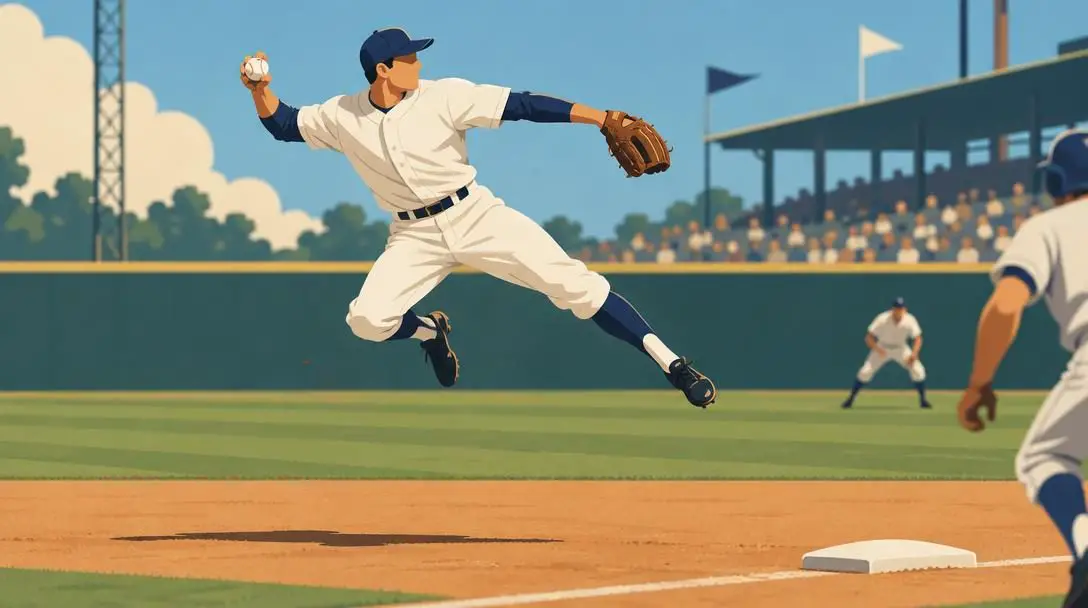
Alan Trammell represents not merely elite athletic achievement, but an enduring personal connection to the local fanbase. Recognized as one of the most beloved figures in Detroit sports history, Trammell remains a fixture who routinely returns to Comerica Park to enjoy baseball alongside the community that embraced him as a star. The Tigers selected Trammell in the second round of the 1976 draft, and he made his major league debut the very next season in 1977.
Remarkably, Trammell spent all 20 of his big-league campaigns exclusively representing Detroit between 1977 and 1996. Over those two decades, he compiled a lifetime .285 batting average, launched 185 home runs, and drove in over 1,000 runs while serving as the defensive anchor at shortstop. His well-rounded excellence was acknowledged across the league through six All-Star selections, four Gold Glove Awards, and three Silver Slugger Awards. Most memorable of all, Trammell provided the steady leadership that propelled the Tigers to victory in the 1984 World Series.
Lou Whitaker
- Detroit Tenure: 1977–1995 (19 seasons)
- Career Home Runs: 244
- Key Honors: 1978 AL Rookie of the Year, 5x All-Star, 3x Gold Glove, 4x Silver Slugger
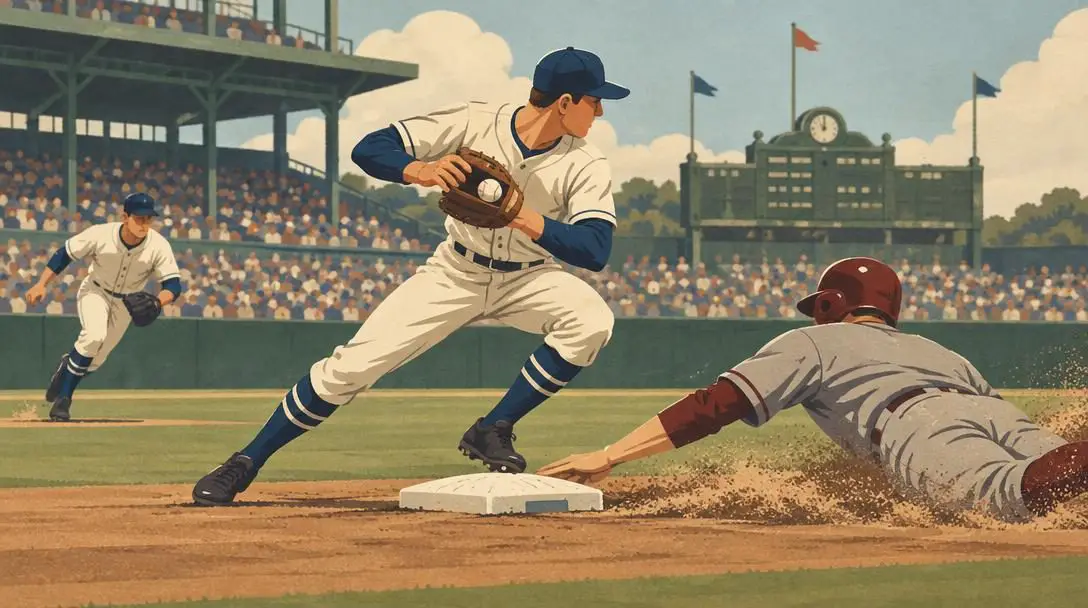
Any discussion regarding Alan Trammell naturally leads to his longtime double-play partner, Lou Whitaker. Selected by Detroit in the 1975 draft, "Sweet Lou" made his major league debut in 1977, arriving in the big leagues during the exact same campaign as Trammell. The two developed an unbreakable bond as best friends and formed what became the longest-running middle-infield combination in baseball history, playing side by side through the 1995 season.
Whitaker concluded his outstanding 19-year run in Detroit with a .276 career batting average, 244 home runs, and 1,084 runs batted in. He earned immediate league-wide notice by capturing the 1978 American League Rookie of the Year award, subsequently collecting five All-Star selections, three Gold Gloves, and four Silver Sluggers. Whitaker's plate patience, defensive reliability at second base, and rare extra-base power made him an indispensable cornerstone during Detroit's golden era in the 1980s.
Charlie Gehringer
- Detroit Tenure: 1924–1942 (19 seasons)
- Career Batting Average: .320
- Key Honors: 1937 AL MVP, 6x All-Star, 1935 World Series Champion, Hall of Fame
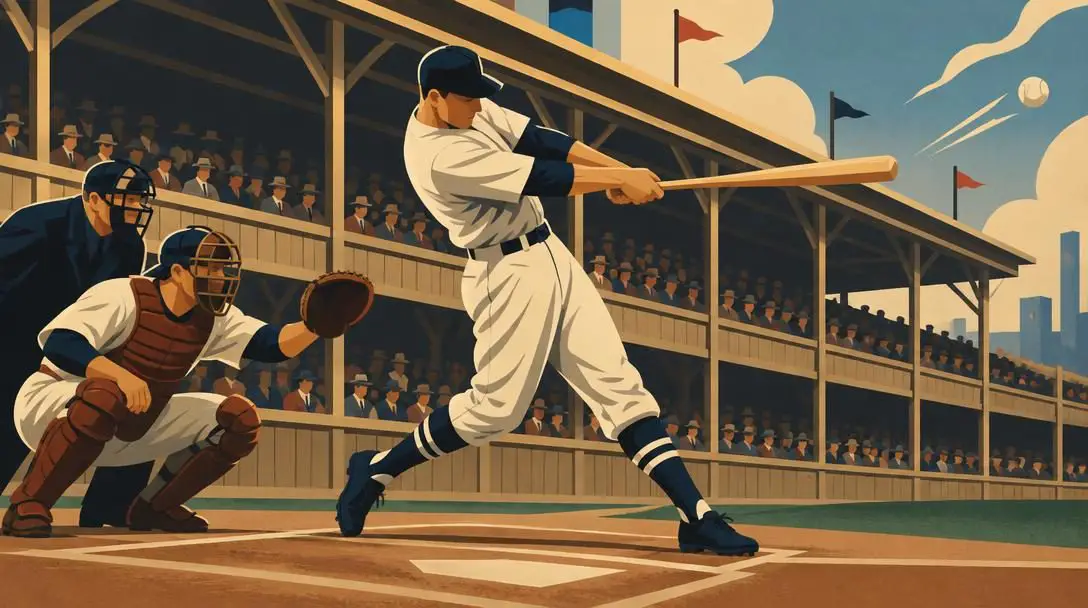
Decades before the modern era, Charlie Gehringer epitomized local baseball pride. A true Michigan native, Gehringer grew up in Fowlerville and went on to attend the University of Michigan in Ann Arbor. Following his collegiate career, the Tigers signed him directly, and he debuted with the big-league club in 1924. While it required a couple of seasons for Gehringer to secure everyday playing time, he established himself as an indispensable lineup regular across an exceptional 19-year career, staying in Detroit through 1942 without ever wearing another team's uniform.
Nicknamed "The Mechanical Man" for his seamless consistency, Gehringer compiled a phenomenal .320 career batting average alongside 184 home runs and 1,427 runs batted in. In 1937, he reached the summit of individual acclaim by capturing the American League Most Valuable Player Award. In addition to earning six All-Star selections, the celebrated Hall of Famer played a vital role in delivering the 1935 World Series championship to Detroit, cementing his legacy as one of the premier second basemen in baseball history.
Every member of the Tigers' all-time top five spent at least 19 seasons in the Motor City, proving that historic greatness in Detroit is defined by unyielding loyalty.
Al Kaline
- Detroit Tenure: 1953–1974 (22 seasons)
- Career Hits: 3,007
- Key Honors: 18x All-Star, 10x Gold Glove, 1980 Hall of Fame inductee
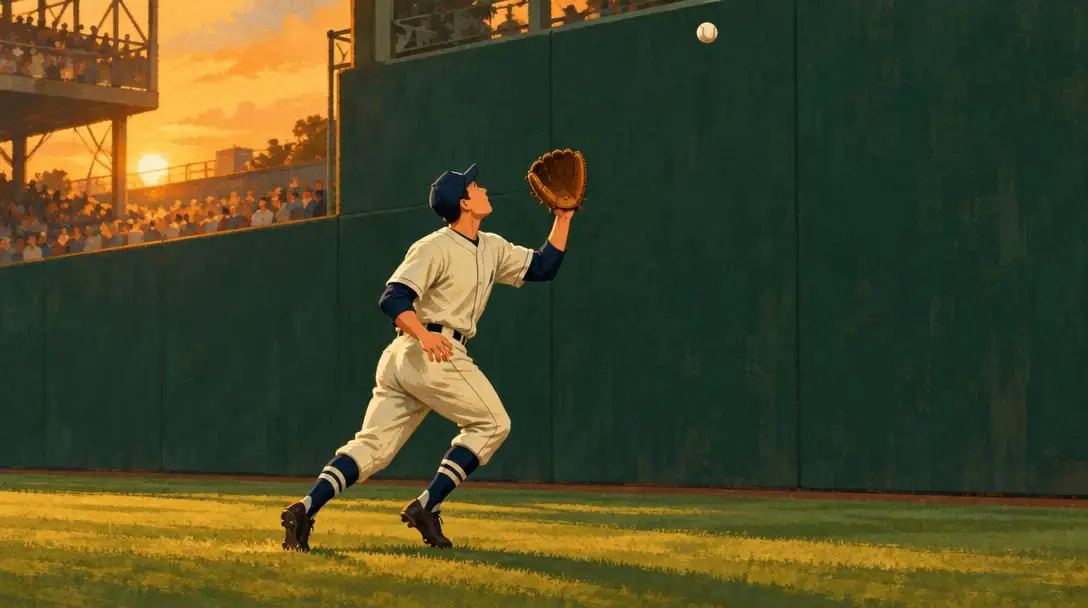
In professional sports, select athletes become so intertwined with their franchise that they earn the honorific title of the club itself. In Detroit, Al Kaline is forever cherished as "Mr. Tiger." Born and raised in Baltimore, Maryland, Kaline arrived in Detroit as an 18-year-old bonus phenom in 1953. That initial arrival commenced a magnificent 22-year career played entirely in the Motor City, culminating with his final games in 1974.
Kaline set a comprehensive standard of excellence in right field and at the plate. Over his 22 campaigns, he earned an astounding 18 All-Star selections and 10 Gold Glove Awards, terrorizing opposing baserunners with his peerless throwing arm. At the plate, Kaline crossed the elite threshold of 3,000 career hits (finishing with 3,007) and ended his playing days just a single home run shy of 400, finishing with 399. Inducted into the Baseball Hall of Fame in 1980, Kaline spent subsequent decades serving as an essential ambassador for the Tigers organization.
Ty Cobb
- Detroit Tenure: 1905–1926 (22 seasons)
- Career Batting Average: .366 (MLB Record)
- Key Honors: 1x AL MVP, 4,189 Career Hits, 151.5 Career WAR
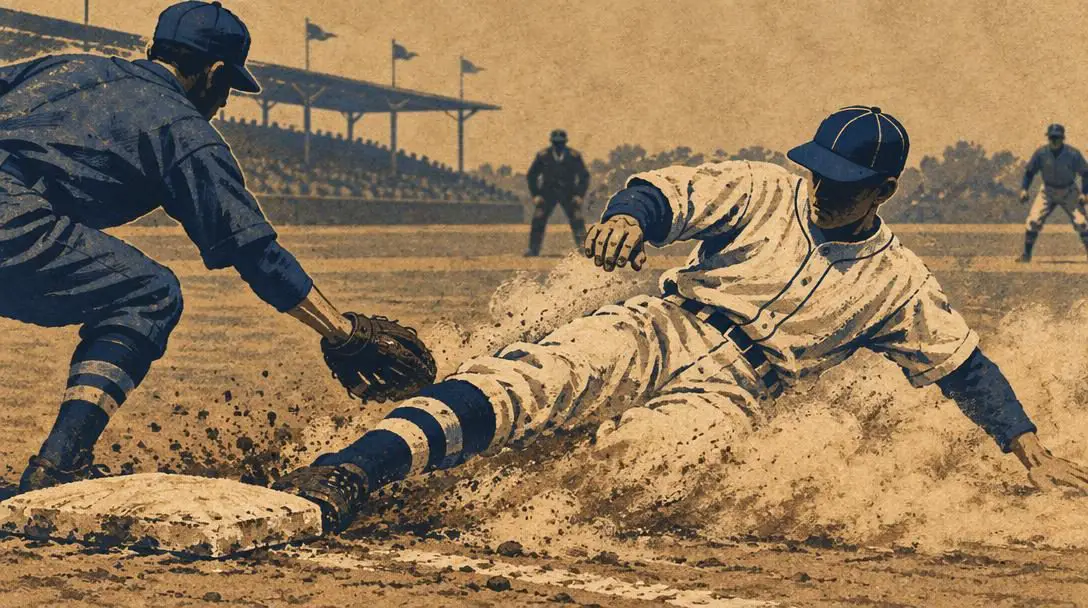
Although Ty Cobb lived a controversial personal life, baseball historians widely agree that he was one of the fiercest, most dominant offensive players the sport has ever seen. Nicknamed "The Georgia Peach," Cobb made his major league debut with Detroit in 1905. He went on to spend 22 of his 24 total major league campaigns proudly wearing the old English "D," redefining aggressive baserunning and offensive precision during the dead-ball era.
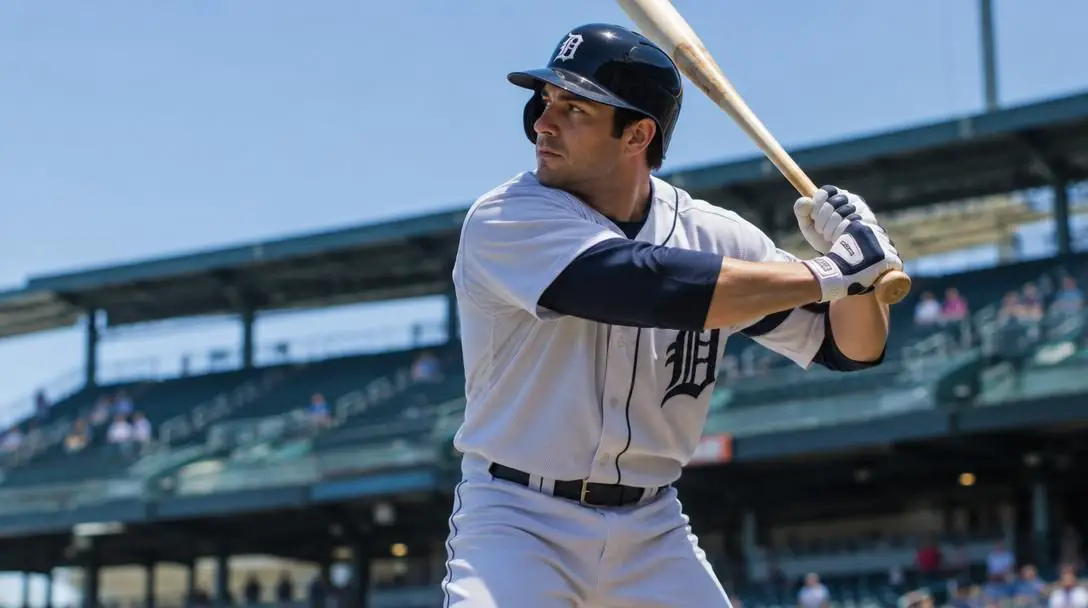
Cobb established a standard that has stood for over a century, compiling a peerless .366 lifetime batting average that remains the highest in major league history. He accumulated 4,189 hits across his career—with an overwhelming 3,900 of those coming as a member of the Tigers—retiring as baseball's all-time hit king. Cobb also won an American League MVP Award and generated 151.5 career Wins Above Replacement (WAR). That advanced valuation ranks sixth all-time in major league history, placing him ahead of iconic legends such as Hank Aaron, Roger Clemens, and Stan Musial.
How franchise historical rankings work
Ranking baseball legends across different eras requires an objective framework. The game played by Ty Cobb during the dead-ball era featured starkly different equipment, tactics, and roster structures than the game played by Alan Trammell and Lou Whitaker in the 1980s. Analysts rely on several core pillars to compare contributions fairly:
- Longevity with a Single Club: Sustained dedication amplifies franchise impact. Players who commit nearly their entire careers to a single market create deep cultural significance. Every member of Detroit's top five spent between 19 and 22 seasons with the Tigers.
- Defensive Distinction: Run prevention holds equal weight with run creation. The Gold Glove Award, established in 1957, highlights sustained fielding superiority, as shown by Al Kaline's 10 honors and the combined seven awards earned by Whitaker and Trammell.
- Era-Adjusted Offensive Production: Counting statistics must be contextualized. While Whitaker generated 244 home runs during an era of expanding power, Cobb's 117 home runs came in an era where driving the ball over fences was rare, making his all-time record batting average and hit totals paramount.
- Championship Leverage: Delivering under postseason scrutiny cements status. Leading the franchise to World Series titles—such as Gehringer in 1935 or Trammell in 1984—elevates great regular-season players into immortal franchise figures.
- Comprehensive Valuation (WAR): Advanced analytics like Wins Above Replacement measure total contributions in hitting, baserunning, and defensive performance relative to replacement players. Cobb's 151.5 career WAR illustrates his comprehensive on-field superiority.
Practical steps to appreciating Detroit Tigers history
Whether you are a lifelong Detroit sports enthusiast or a newcomer exploring baseball lore, engaging directly with franchise history provides rewarding perspective. Follow these four practical steps to discover the legacy of the Motor City's baseball past:
- Visit Comerica Park downtown: Tour the home of the Tigers to examine the larger-than-life statues of Cobb, Kaline, and Gehringer along the concourse, which showcase historical artifacts and timelines of Detroit baseball.
- Track career statistical milestones: Examine the raw numbers behind these icons. Contrast Kaline's 3,007 hits with modern hitting benchmarks, and study how Trammell drove in over 1,000 runs from the shortstop position.
- Review archival World Series footage: Seek out historical broadcasts and documentary retrospectives covering Detroit's championships in 1935, 1968, and 1984 to observe how franchise leaders performed in high-stakes pressure situations.
- Study positional defensive standards: Research how defensive tandems operate by examining footage and tactical breakdowns of Whitaker and Trammell's double-play coordination throughout the 1980s.
Common mistakes when comparing historical eras
When compiling rankings or debating all-time rosters, analysts and fans frequently fall into cognitive traps that distort historical reality. Keep these common missteps in mind to maintain an objective perspective:
- Ignoring positional value: Evaluating a middle infielder solely through home run totals leads to faulty conclusions. Middle infielders like Whitaker (244 home runs) and Trammell (185 home runs) produced remarkable power for second basemen and shortstops in their respective eras.
- Overlooking era dynamics: Dismissing Ty Cobb's 117 home runs as modest ignores that he played the majority of his career in the dead-ball era, during which hitting for high average, manufacturing runs, and aggressive baserunning were the primary offensive strategies.
- Disregarding franchise loyalty: Assessing players strictly by total statistical aggregates regardless of team can distort a franchise-specific list. A player who compiled impressive numbers across multiple organizations rarely carries the local significance of someone like Kaline, who gave all 22 seasons to Detroit.
- Separating established tandems: In the case of Trammell and Whitaker, analyzing one player's achievements without recognizing their combined synergy misses a critical part of Tigers history. Entering the league together in 1977 and playing side by side through 1995 created a tandem effect that elevated both competitors.
What to consider next when studying Tigers greats
Mastering the stories of Detroit's top five legends opens the door to deeper historical explorations across the franchise's extensive timeline:
- Era-defining pitchers: Expand your study to examine prominent Detroit pitching legends who anchored championship rotations throughout the 1930s, 1940s, 1960s, and 1980s.
- Context of major player awards: Investigate the historical races surrounding major accolades, such as Lou Whitaker's 1978 Rookie of the Year triumph or Charlie Gehringer's 1937 MVP campaign against fierce American League competition.
- Future Comerica Park enshrinements: Track which twentieth- and twenty-first-century standouts will eventually join Cobb, Kaline, Gehringer, Trammell, and Whitaker with permanent statues and retired numbers downtown.
- Community presence after retirement: Explore how icons like Al Kaline maintained an enduring, beloved presence in Detroit across multiple decades, demonstrating that true franchise greatness extends beyond active playing days.
Frequently asked questions
Why is Al Kaline nicknamed "Mr. Tiger"?
Al Kaline earned the title "Mr. Tiger" because he dedicated his entire 22-year professional playing career to the Detroit Tigers from 1953 to 1974. During that span, he collected 3,007 hits, won 10 Gold Glove Awards, made 18 All-Star appearances, and subsequently served as an ambassador and broadcaster for the organization for decades.
How many hits did Ty Cobb compile with the Detroit Tigers?
Ty Cobb accumulated 4,189 total hits during his major league career, with an overwhelming 3,900 of those hits coming across his 22 seasons wearing the Detroit Tigers uniform between 1905 and 1926.
Did Alan Trammell and Lou Whitaker play their entire careers together?
Alan Trammell and Lou Whitaker made their major league debuts in the same season (1977) and played side by side through 1995. Whitaker retired following the 1995 season, after which Trammell played one final season in Detroit in 1996 to complete a 20-year career.
What year did Charlie Gehringer win the American League MVP?
Charlie Gehringer captured the American League Most Valuable Player Award in 1937, a season that highlighted his exceptional 19-year career in Detroit during which he compiled a lifetime .320 batting average.
When did the Detroit Tigers begin playing at Comerica Park?
The Detroit Tigers officially began playing at Comerica Park in downtown Detroit in the year 2000, moving from their historic previous venue where generations of fans had gathered since the team joined the American League in 1901.
The bottom line
The story of the Detroit Tigers is inseparable from the individual brilliance of its greatest players. From the peerless contact hitting and aggressive baserunning of Ty Cobb at the dawn of the twentieth century to the steady excellence of Charlie Gehringer, the enduring dignity of Al Kaline, and the dynamic middle-infield partnership of Alan Trammell and Lou Whitaker, Detroit's baseball heritage is defined by longevity, championship leadership, and mutual loyalty. Together, these five legends represent the standard of excellence that continues to inspire Motor City sports culture today.