5 Best Games in the Michigan-Michigan State Football Rivalry
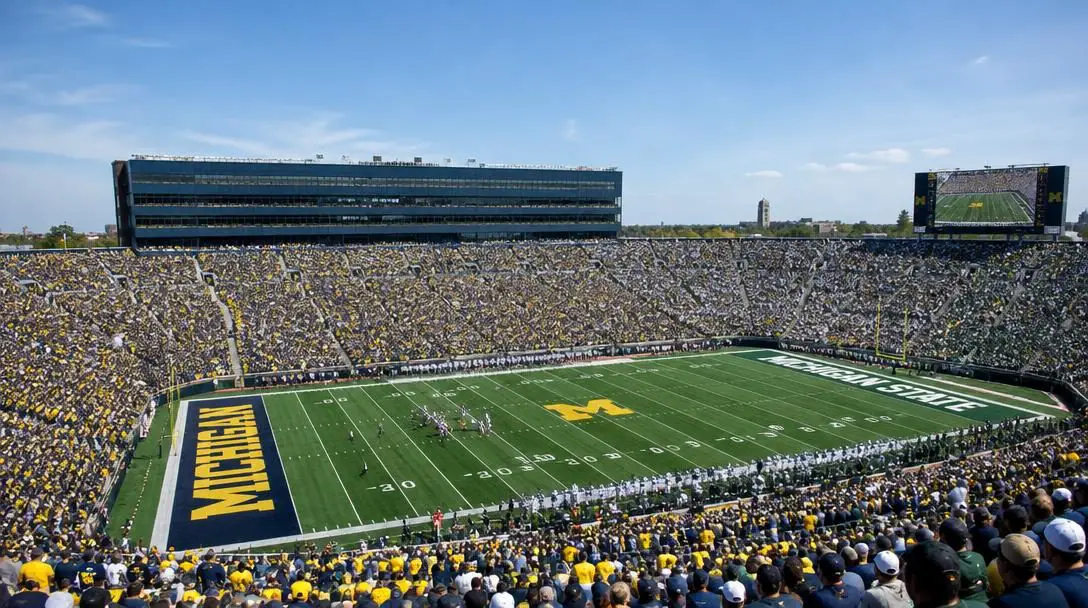
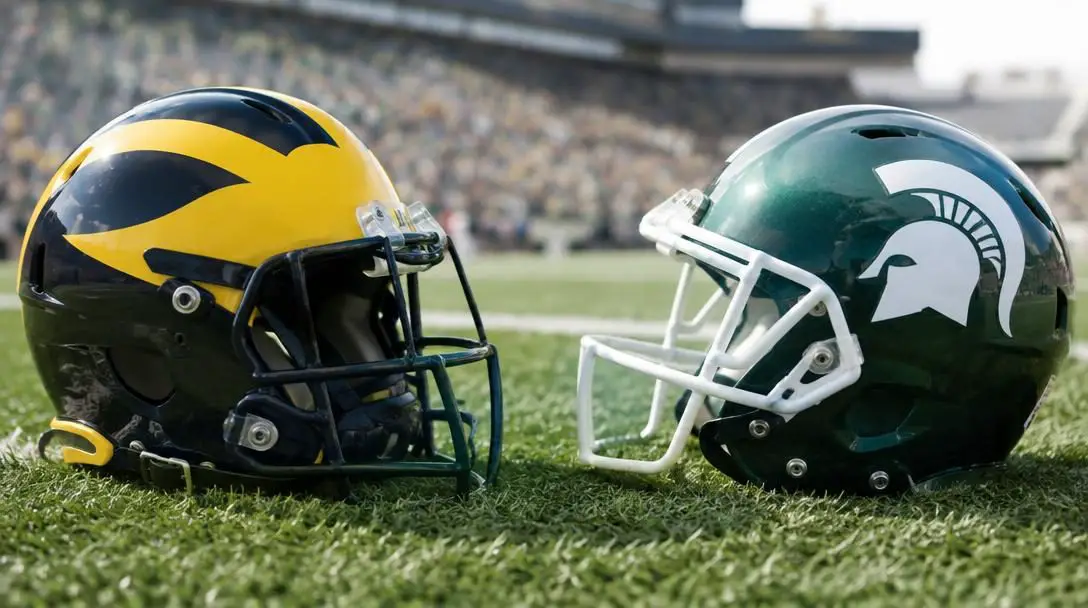
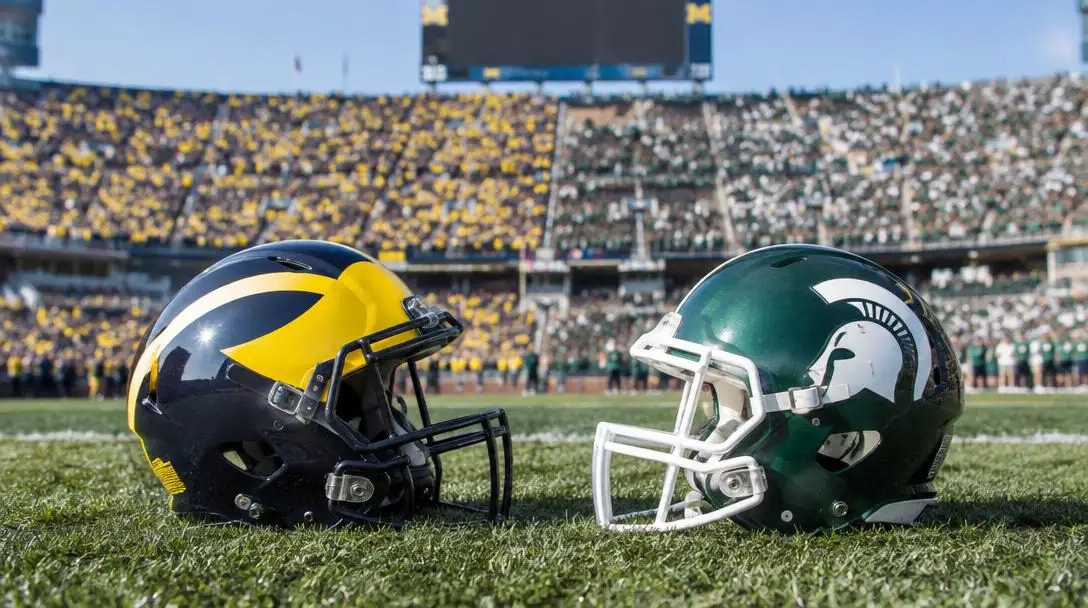
Few matchups in college athletics generate the visceral emotion, campus tension, and state-wide division seen when the Michigan Wolverines and Michigan State Spartans meet on the gridiron. While the maize and blue have traditionally viewed their border clash with Ohio State as their primary annual rivalry, the Spartans have consistently made defeating Michigan their top priority, fueling a fiercely contested series marked by dramatic swings and historic drama.
Over the decades, this Big Ten battle has produced heart-stopping upsets, unbelievable special-teams miscues, and overtime epics that altered national championship trajectories. From last-second goal-line stands to plays that redefined college football terminology, these five clashes represent the absolute pinnacle of an unforgettable in-state war.
Key takeaways
- The Michigan-Michigan State rivalry frequently hinges on unpredictable final-play sequences and high-leverage special-teams execution.
- While Michigan historically looks toward Ohio State as its chief rival, Michigan State treats the Wolverines as its premier competitive target.
- Rankings and prior-season momentum rarely predict the final outcome when these two programs collide.
- Iconic finishes such as Clockgate in 2001 and the mishandled punt in 2015 remain central touchstones of modern college football lore.
The five greatest games in rivalry history
Every decade of this historic series has contributed unforgettable chapters to the college football landscape. The following games stand out for their dramatic fourth-quarter shifts, controversial officiating moments, and lasting legacy on both campuses.
| Game | Season | Pregame Context | Final Score | Defining Sequence |
|---|---|---|---|---|
| Trouble With the Snap | 2015 | Both teams 5-0; top-12 national rankings | Michigan State 27, Michigan 23 | Botched punt return touchdown as regulation expired |
| Triple OT Thriller | 2004 | No. 12 Michigan hosted 4-3 Michigan State | Michigan 45, Michigan State 37 (3OT) | Wolverines erase 17-point fourth-quarter deficit |
| Number One Goes Down | 1990 | Top two programs in the Big Ten collision | Michigan State 28, Michigan 27 | Failed two-point conversion with six seconds left |
| KW3’s Comeback | 2021 | Both teams entered undefeated at 7-0 | Michigan State 37, Michigan 33 | Kenneth Walker III scores five rushing touchdowns |
| Clockgate | 2001 | Heavily favored Wolverines visited East Lansing | Michigan State 26, Michigan 24 | Controversial one-second clock spike before winning pass |
Trouble With the Snap (2015)
- Season: 2015
- Venue: Michigan Stadium
- Rankings: Michigan No. 12, Michigan State Top 5 Coaches Poll
- Final Score: Michigan State 27, Michigan 23
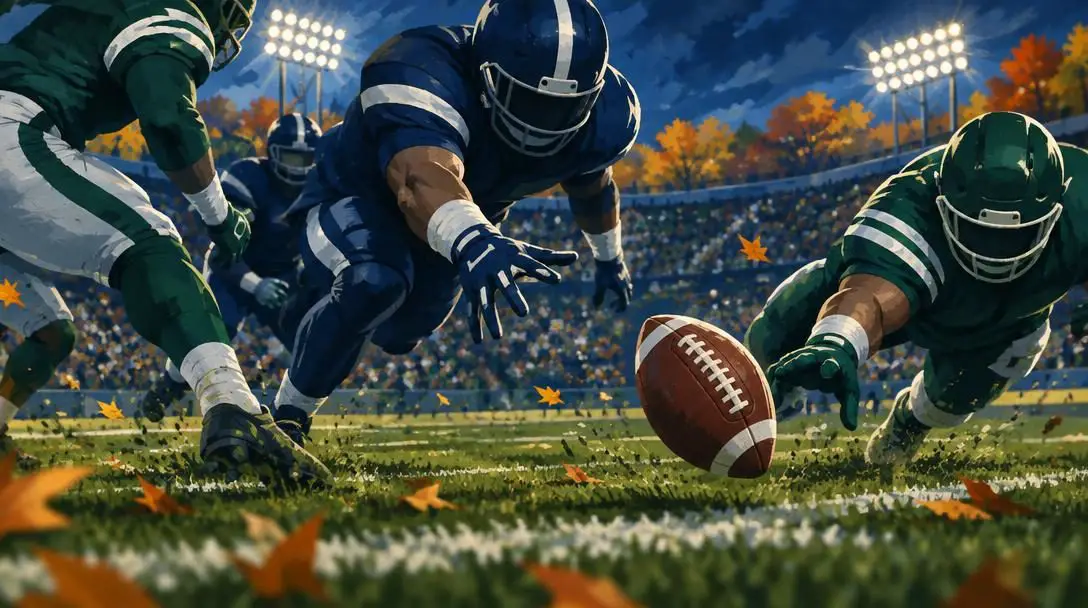
The 2015 edition produced arguably the most shocking ending in modern college football history. In front of a raucous, sold-out crowd in Ann Arbor, both programs stepped onto the field with unblemished 5-0 records. Michigan held a 20-14 edge after three quarters of grinding, physical defensive football and clung to a narrow 23-21 lead as the fourth-quarter clock ticked inside its final twenty seconds.
Facing fourth down with ten seconds remaining, Michigan needed only a routine punt to run out the remaining clock and solidify a monumental victory. Instead, Australian punter Blake O’Neill was unable to handle the snap cleanly. As he scrambled to regain control, the loose ball flew into the arms of Spartan defensive back Jalen Watts-Jackson. Watts-Jackson scooped up the football and sprinted into the south end zone as the clock hit zero, permanently etching the phrase trouble with the snap into the sport's national lexicon.
Triple OT Thriller (2004)
- Season: 2004
- Overtime Length: Three overtimes
- Pregame Records: Michigan No. 12, Michigan State 4-3
- Final Score: Michigan 45, Michigan State 37
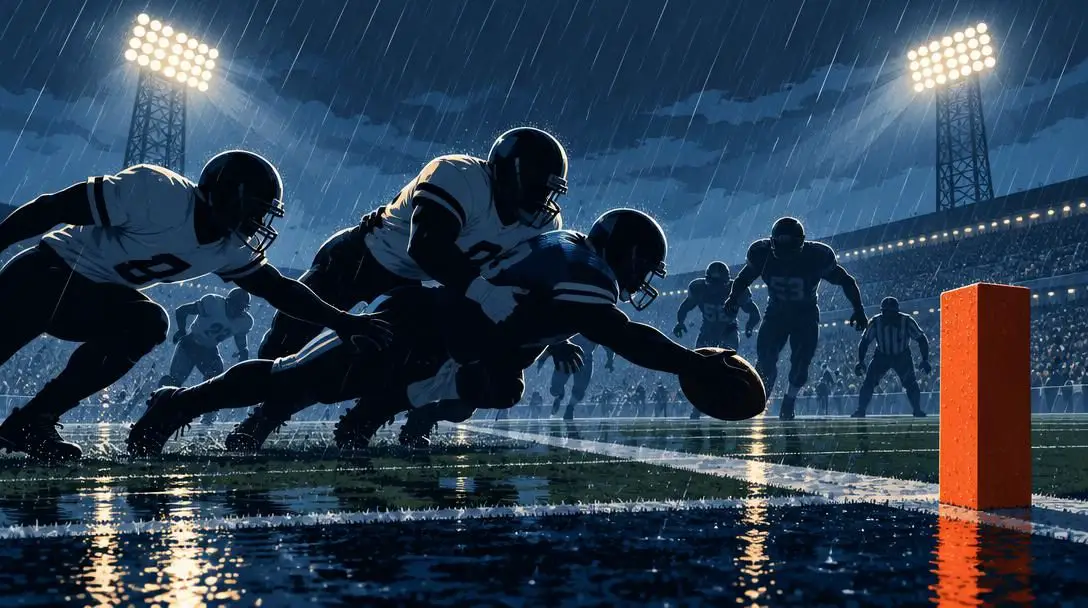
Overtime matchups between these two rivals are exceptionally rare, but the 2004 encounter in Ann Arbor stands alone as the only multi-overtime marathon the series has ever witnessed. Ranked twelfth nationally, Michigan appeared completely outmatched late in regulation as the underdog Spartans built a commanding 17-point lead with only 8:43 remaining on the fourth-quarter clock.
Refusing to concede on their home field, the Wolverines staged an electrifying rally, generating 17 unanswered points in under six minutes of game action to force extra time. Both offenses traded scores through two tense overtime frames before Michigan punched in a touchdown and secured the mandatory two-point conversion in the third period. Michigan’s defense subsequently stonewalled Michigan State's final goal-line stand, ending an exhaustive 45-37 battle.
Number One Goes Down (1990)
- Date: October 13, 1990
- Conference Standing: Top two programs in the Big Ten
- Deciding Sequence: Two-point conversion attempt with six seconds left
- Final Score: Michigan State 28, Michigan 27
When Michigan and Michigan State met on October 13, 1990, they did so as the premier powers of the Big Ten Conference. Michigan entered the afternoon with only a single loss on its record, suffered against top-ranked Notre Dame. Michigan State had navigated an uneven early schedule that featured narrow losses to Notre Dame and Iowa alongside a season-opening tie with Syracuse.
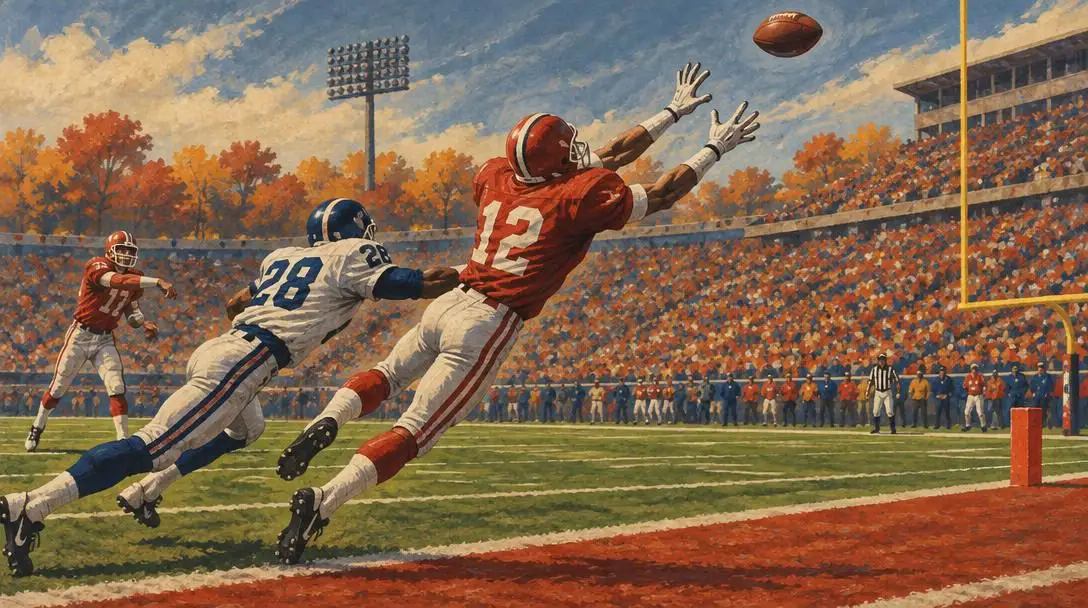
Locked in a 14-14 defensive stalemate through three quarters, the game exploded into a fourth-quarter shootout with both teams scoring two touchdowns apiece. Michigan marched down the field and crossed the goal line with only six seconds showing on the clock. Rather than kicking the extra point to accept a 28-28 tie, Michigan head coach Gary Moeller elected to run a game-winning two-point conversion. The pass attempt fell incomplete amid fierce defensive contact, allowing the Spartans to escape with a stunning 28-27 upset.
KW3’s Comeback (2021)
- Season: 2021
- Rankings entering game: Michigan No. 6, Michigan State No. 8
- Pregame Records: Both teams 7-0
- Final Score: Michigan State 37, Michigan 33
Following a shortened 2020 campaign where Michigan State struggled to a 2-5 record, the Spartans stormed out of the gates in 2021 with seven consecutive victories, including high-profile wins over Miami and Nebraska. Michigan matched that pace with an identical 7-0 record, carrying a number six national ranking into a top-ten showdown in East Lansing.
Michigan dominated early stretches, racing out to a 10-0 first-quarter lead and heading into halftime ahead 23-14. By late in the third quarter, the Wolverines maintained a 30-22 advantage and seemed poised to pull away. However, Spartan running back Kenneth Walker III authored a historic individual performance, scoring five rushing touchdowns on the afternoon. His final touchdown run with 5:08 remaining vaulted Michigan State ahead 37-33, completing an iconic comeback that propelled him into national Heisman Trophy contention.
Clockgate (2001)
- Season: 2001
- Location: Spartan Stadium, East Lansing
- Deciding Play: Touchdown pass as final second expired
- Final Score: Michigan State 26, Michigan 24
Few endings in college football history have generated more sustained controversy than the 2001 game in East Lansing. Heavily favored Michigan arrived expecting to handle a 3-2 Michigan State squad, but the home team refused to yield, battling to a 17-17 tie entering the final quarter. The teams traded scores, leaving Michigan State trailing by four points with under three minutes remaining.
Spartan quarterback Jeff Smoker engineered a desperate two-minute drive deep into Michigan territory. With the clock rapidly expiring and no timeouts remaining, Smoker scrambled to the line of scrimmage and spiked the football. The stadium scoreboard showed precisely one second remaining, giving the Spartans a single untimed opportunity. Michigan coaches, players, and supporters erupted in disbelief, arguing the ball was grounded after time ran out. On the ensuing snap, Smoker connected with wide receiver T.J. Duckett in the end zone to seal a dramatic 26-24 Michigan State triumph.
Rivalry games routinely defy statistical projections because heightened adrenaline disrupts conventional game management.
The evolution of an intense in-state war
The rivalry between Michigan and Michigan State represents a classic struggle between geographic neighbors with contrasting institutional cultures. For decades, the two universities have competed not merely for football supremacy, but for state funding, student recruitment, and athletic prestige across the Midwest.
For Michigan, the schedule historically revolved around its century-old rivalry with Ohio State, often leading Wolverine supporters to categorize Michigan State as an secondary concern. Conversely, Spartan fans and players have long viewed the annual meeting with Michigan as the absolute peak of their competitive calendar. This dynamic creates an asymmetric emotional battlefield where underdog Michigan State teams regularly play with heightened fury, erasing perceived talent disparities on the field.
Key tactical and psychological dynamics in rivalry play
Analyzing why matchups between the Wolverines and Spartans consistently deviate from regular-season trends requires examining the underlying forces that dictate performance under immense pressure:
- Adrenaline and execution errors: Heightened emotion often causes players to abandon standard fundamentals, resulting in false starts, blown pass coverages, and missed tackles in critical spots.
- High-leverage third-down situations: Because both programs prioritize physical defensive fronts, third-and-medium conversions regularly dictate field position and control of the game clock.
- Red-zone touchdown efficiency: Settling for field goals instead of finishing drives with six points frequently proves fatal in games decided by four points or fewer.
- Special-teams volatility: In tightly contested rivalry games, mishandled snaps, shanked punts, and missed extra points directly reverse win probabilities in an instant.
How to study and break down classic rivalry film
Football enthusiasts looking to study historic rivalry games can gain deeper tactical insights by approaching tape review with a structured methodology rather than viewing plays in isolation.
- Establish the situational context: Record the score, remaining time, down-and-distance, and available timeouts before examining critical possessions.
- Examine line-of-scrimmage alignment: Watch defensive fronts and offensive blocking schemes to identify whether teams are stacking the box against the run or playing coverage shells.
- Track momentum inflection points: Pinpoint the exact play where defensive posture softened or offensive tempo shifted, such as Michigan's rapid fourth-quarter rally in 2004.
- Evaluate late-game clock management: Scrutinize how coaching staffs deploy timeouts, run out the clock, and execute spike mechanics under time constraints.
Analytical pitfalls to avoid when assessing rivalry history
When fans and commentators look back on classic college football showdowns, several common cognitive biases often distort the actual events that took place on the field:
- Reducing sixty minutes to a single mistake: While sequences like the 2015 botched punt receive endless replay time, they overshadow fifty-nine minutes of earlier missed opportunities by both sidelines.
- Judging games solely by final team records: Evaluating a team's strength based on where they finished in December ignores injuries, midseason form, and national rankings at kickoff.
- Overlooking historical rule differences: Older classics, such as the 1990 clash, occurred before modern instant replay reviews or mandatory overtime formats existed.
- Dismissing double-digit fourth-quarter leads: Assuming a two-score lead is insurmountable overlooks the emotional volatility that sparked Michigan's 17-point comeback in 2004.
Critical factors shaping future rivalry showdowns
As collegiate athletics undergoes unprecedented shifts through conference realignment, transfer portal movement, and playoff expansion, the Michigan-Michigan State rivalry will face new challenges and elevated stakes.
With the Big Ten expanding coast-to-coast, regional rivalries will bear even greater cultural importance for traditional fanbases. Roster turnover means that single-year transfers, similar to Kenneth Walker III in 2021, can instantly swing the competitive balance of the series. Furthermore, the strategic appetite for risk on fourth downs and two-point conversions will continue to define high-stakes finishes in front of passionate, divided crowds.
Frequently asked questions
Why did Michigan attempt a two-point conversion in the 1990 game?
In 1990, college football did not have an overtime system, meaning regular-season games could end in a tie. With only six seconds remaining and trailing 28-27, Michigan head coach Gary Moeller chose to gamble on a two-point conversion to win the game outright rather than kicking an extra point to accept a tie.
What was the Clockgate controversy in the 2001 meeting?
With time running out and Michigan State trailing 24-20, Spartan quarterback Jeff Smoker spiked the ball to stop the clock. Scoreboard operators stopped the game clock with exactly one second remaining, allowing Michigan State to run one final play for the game-winning touchdown. Michigan argued time had expired before the ball hit the ground.
Has the Michigan-Michigan State rivalry ever gone to multiple overtimes?
Yes, but only once. The 2004 meeting in Ann Arbor required three overtime periods before Michigan finalized a 45-37 victory, overcoming a 17-point deficit late in the fourth quarter.
What happened during the final play of the 2015 game?
Leading 23-21 with ten seconds left, Michigan attempted to punt from fourth down. Punter Blake O'Neill mishandled the snap, and Michigan State's Jalen Watts-Jackson scooped up the loose football and ran it into the end zone for a game-winning touchdown as regulation expired.
The bottom line
The annual clash between Michigan and Michigan State stands as one of the most unpredictable, emotionally charged spectacles in North American sports. Whether decided by controversial clock stoppages, miraculous fumble recoveries, or multi-overtime shootouts, this in-state war consistently produces memories that endure for generations.