5 Best Jobs For People Who Like Working With Their Hands
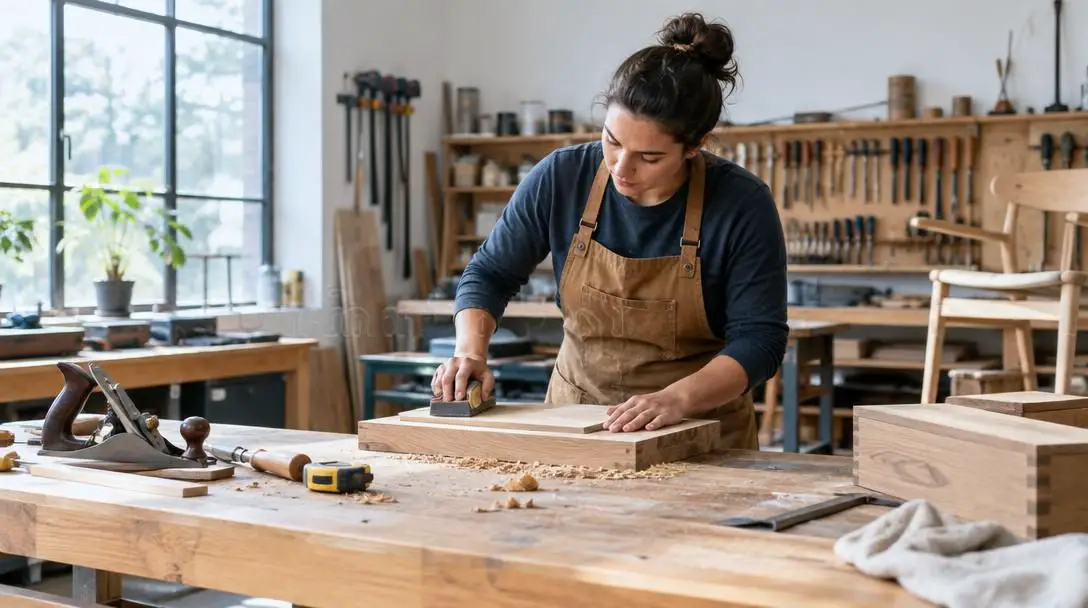
In modern society, a large percentage of daily work revolves around sitting behind a desk, drafting emails, updating spreadsheets, and typing up documents on a computer screen. While these digital duties keep the modern economy functioning, many individuals find that sitting still and using their fingers exclusively for keyboard clicks leaves them feeling disconnected from the tangible results of their labor. Humans evolved to craft physical tools, build shelter, manipulate raw materials, and solve concrete problems with their hands.
For those who thrive on movement, tangible feedback, and manual craftsmanship, pursuing a hands-on career offers a fulfilling escape from screen fatigue. Hands-on occupations encompass a broad spectrum of industries, ranging from classical blue-collar trades covered in grease and grit to artistic, culinary, and expressive paths requiring delicate motor control. Whether working with industrial wrenches, culinary ingredients, musical instruments, or expressive physical gestures, manual careers connect mental focus directly to physical outcomes.
Key takeaways
- Hands-on jobs span diverse sectors, including culinary arts, mechanical repair, building trades, language interpretation, and musical performance.
- Physical professions allow workers to see, feel, and hear the immediate results of their problem-solving and labor.
- Entering manual professions typically requires hands-on apprenticeships, vocational training, focused personal practice, or technical certifications.
- Sustaining a long-term manual career demands proactive ergonomic habits, safety gear, and ongoing technical education.
Comparing Top Hands-On Careers
While every hands-on role replaces desk-bound routines with active physical engagement, the specific demands, tools, and work environments vary dramatically across professions.
| Career | Primary Work Type | Core Tools & Materials | Work Environment |
|---|---|---|---|
| Baker and Pastry Chef | Culinary craftsmanship | Dough, fondant, glazes, sugar art, modeling chocolate | Bakeries, pastry kitchens, commercial food production |
| Sign Language Interpreter | Physical communication | Hands, facial expressions, body language, gestures | Schools, medical clinics, legal settings, civic events |
| Plumber | Mechanical trade & installation | Pipes, fittings, valves, hand wrenches, power equipment | Residential homes, commercial sites, utility spaces |
| Musician | Artistic performance & dexterity | Woodwinds, brass, strings, piano, percussion instruments | Rehearsal studios, concert venues, stages, classrooms |
| Mechanic | Automotive diagnostics & repair | Wrenches, diagnostic computers, engine components | Auto repair shops, service centers, vehicle bays |
5 Rewarding Careers for Hands-On Workers
Physical careers demand an interplay of fine motor skills, spatial reasoning, and continuous problem-solving. Here are five standout professions where manual dexterity takes center stage.
Baker and Pastry Chef
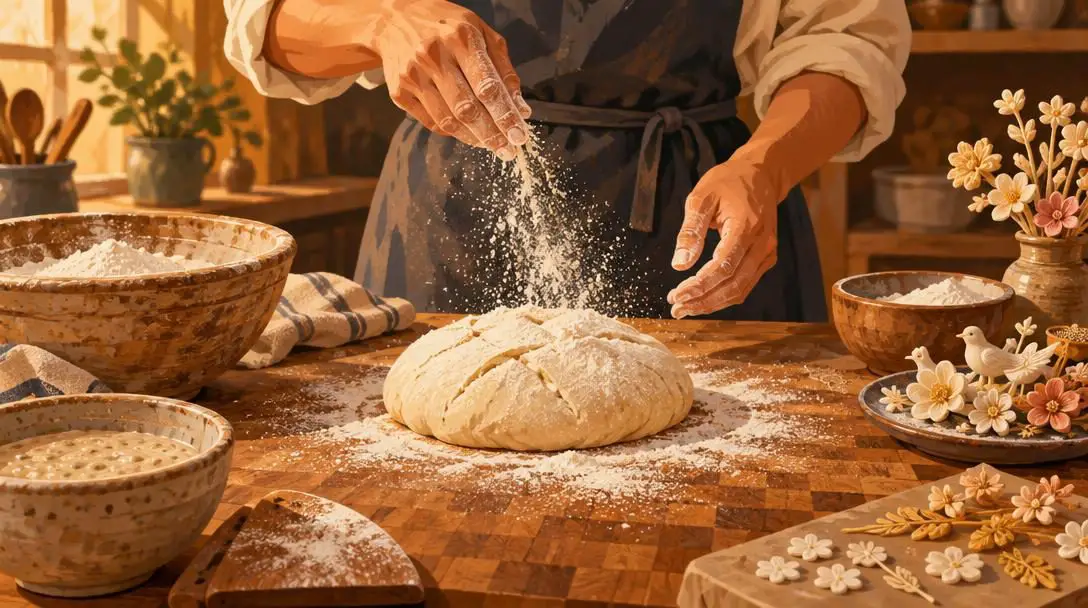
- Core Medium: Raw doughs, butter, flours, glazes, fondant, and modeling chocolate
- Key Skills: Texture assessment by touch, sugar sculpting, dough fermentation
- Primary Setting: Commercial bakeries, hotel pastry departments, and artisan kitchens
Working in the culinary and pastry arts transforms basic raw ingredients into edible showpieces. While heavy mixers, specialized ovens, and mechanical sheeters assist with batch production, your hands remain the ultimate instruments in the kitchen. Pastry chefs and artisan bakers must learn to judge dough development not by looking at a clock, but by tactile feedback: feeling the gluten elasticity, the hydration level, and the surface tension of a loaf before it hits the hearth.
Beyond structural bread baking, the field offers immense room for artistic expression. Crafting delicate sugar sculptures, rolling and shaping pliable fondant, and carving intricate designs out of modeling chocolate require micro-level finger control and deep visual patience. Because baking involves handling flour, sticky syrups, food colorings, and wet doughs, it is an inherently messy, tactile craft that produces beautiful, edible rewards.
Sign Language Interpreter

- Core Medium: Manual gestures, spatial hand positioning, and expressive movement
- Key Skills: Rapid bilingual translation, finger spelling, visual comprehension
- Primary Setting: Classrooms, conferences, legal proceedings, and medical facilities
When people picture hands-on jobs, they often default to mechanical shops or construction jobs. Yet working as a sign language interpreter is one of the purest expressions of manual dexterity in the workforce. In this role, your hands operate as your voice. Every finger shape, palm orientation, spatial position, and fluid transition communicates critical nuance, technical terminology, and emotional tone.
Sign language interpreters serve a vital social purpose by bridging communication gaps between the deaf and hard-of-hearing community and hearing individuals. The role demands intense, continuous motor execution combined with swift cognitive processing. Whether providing real-time translation in a university lecture hall, a busy hospital emergency room, or a televised public briefing, an interpreter’s hands perform complex physical choreography that keeps communities connected and informed.
A hands-on career connects your mental focus directly to the physical world, turning tactile effort into real-world results.
Plumber
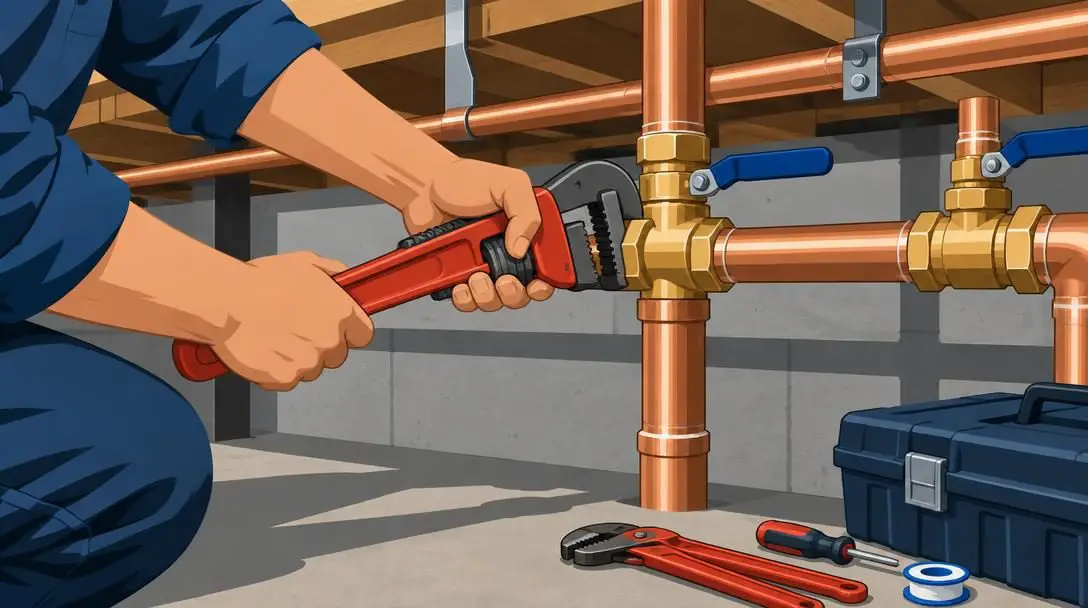
- Core Medium: Copper, PVC, and cast-iron piping, drainage lines, and fixtures
- Key Skills: System diagnostics, pipe jointing, blueprint analysis, soldering
- Primary Setting: Residential residences, industrial plants, and commercial buildings
Modern society depends on clean, reliable water delivery and safe waste removal, making skilled plumbers an indispensable cornerstone of public infrastructure. Plumbing is a rugged, highly respected, and lucrative trade that requires sharp spatial problem-solving alongside raw mechanical labor. Plumbers spend their shifts cutting, threading, bending, and joining pipes, aligning complex valve networks, and securing tight seals to protect structures from catastrophic water damage.
Because pipe networks often run behind walls, under floorboards, or beneath building foundations, plumbers frequently work in tight, awkward, and messy spaces. The job provides constant variety; no two clogs, pipe ruptures, or fixture installations are identical. An added personal advantage to mastering this trade is self-reliance: when a major plumbing emergency strikes at home, you have the equipment and know-how to resolve it immediately without paying premium emergency service rates.
Musician

- Core Medium: Frets, keys, bows, valves, reeds, and percussion mallets
- Key Skills: Motor coordination, dynamic pressure control, rhythmic precision
- Primary Setting: Recording studios, concert halls, theatrical pits, and live venues
Aside from vocal performance, musical artistry is fundamentally an athletic, manual discipline. Playing an instrument at a proficient level requires thousands of hours of tactile conditioning. Musicians develop extraordinary finger independence, pinpoint pressure modulation, and muscle memory that operates at blinding speeds. Whether navigating the frets of an electric guitar, executing complex keyboard passages on a grand piano, or controlling delicate airflow and valve pressure on a brass instrument, your hands translate abstract emotion into physical sound waves.
Pursuing music as a career combines intense physical craftsmanship with collaborative creative expression. It demands physical stamina, as rehearsals and multi-set performances place heavy demands on the wrists, tendons, and calloused fingertips. While building a career in performance or studio recording requires disciplined dedication, it provides an unmatched outlet for creative individuals who want their manual labor to move, entertain, and inspire audiences.
Mechanic
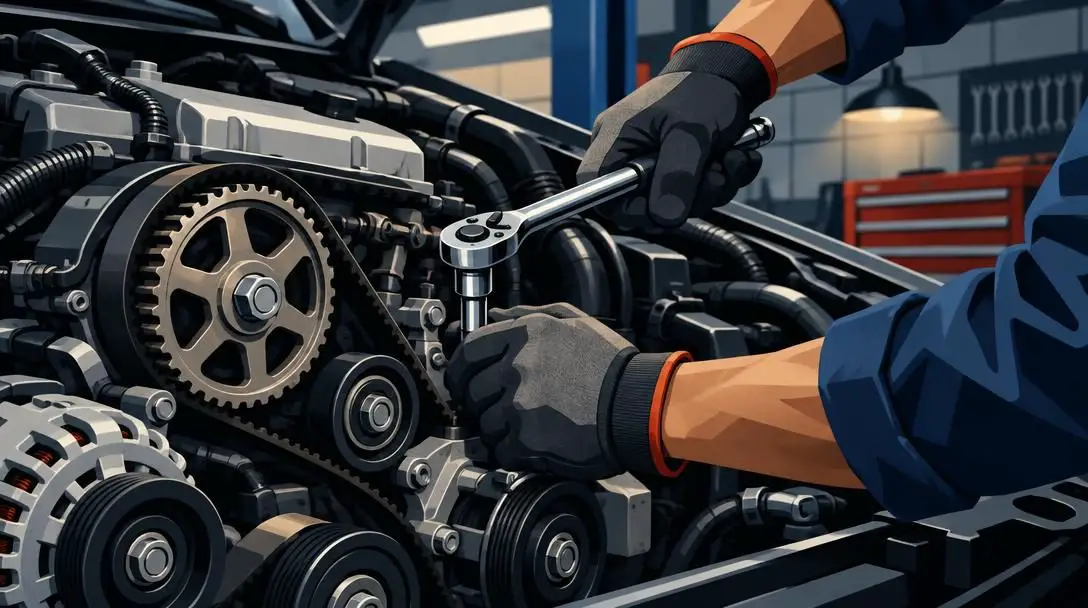
- Core Medium: Internal combustion engines, brake systems, transmissions, and wiring
- Key Skills: Fault-code diagnostics, component disassembly, torque specification
- Primary Setting: Automotive repair facilities, fleet maintenance shops, and service bays
Automotive mechanics represent the classic archetype of the hands-on technician. When cars, trucks, or machinery break down, personal schedules grind to a halt and logistics stall out. Mechanics step into these stressful moments to inspect, diagnose, and repair complex mechanical, hydraulic, and computerized systems. The role involves continuous physical labor: maneuvering heavy tires, breaking loose rusted bolts with hand wrenches, and hoisting heavy engine components into place.
The work of a mechanic is a blend of traditional muscle and high-tech problem-solving. Modern technicians rely on specialized computer diagnostics as much as physical sockets and ratchets. It is a satisfying, tactile career for anyone who enjoys figuring out how complex machines work, restoring broken systems to running order, and earning an honest living through physical ingenuity.
How to Get Started in These Hands-On Fields
Transitioning into a physical career requires foundational study, physical practice, and formal credentials. The learning pathways differ depending on whether the trade is mechanical, artistic, or linguistic.
- Baking and Pastry Arts: Begin practicing foundational dough preparation, yeast fermentation, and temperature management at home. Enroll in an accredited culinary or pastry arts program at a technical institute to study advanced sugar art and chocolate work. Build professional stamina by applying for entry-level roles such as baker's assistant, decorator apprentice, or bakery line worker.
- Sign Language Interpreting: Complete introductory and advanced courses in American Sign Language (ASL) or your regional sign language at a community college or adult education program. Practice conversational signing regularly to build fluidity, motor speed, and spatial awareness. Graduate from a formal interpreter training program and complete regional certification or licensing exams to qualify for official assignments.
- Plumbing Trades: Complete a high school diploma or equivalent, focusing on applied mathematics and mechanical principles. Apply for a vocational training course or secure an entry-level position as a plumber's helper. Enter a paid apprenticeship program through an employer or trade union, logging supervised hours under licensed master plumbers to prepare for the journeyman licensing test.
- Music Performance: Select an instrument focus—such as strings, woodwinds, brass, percussion, or keys—and obtain a durable, quality practice instrument. Commit to a structured daily practice routine that builds hand strength, finger independence, and rhythmic accuracy. Study music theory, take private technical lessons, and gain performance experience by joining local ensembles, bands, or open mic circuits.
- Automotive Mechanics: Gain basic mechanical literacy by working on personal DIY vehicle maintenance or completing high school shop electives. Enroll in an automotive service technology program at a community college or trade school to learn electrical and powertrain diagnostics. Secure an entry position as a lube technician or general service assistant, working alongside veteran technicians while pursuing ASE certification credentials.
Common Mistakes to Avoid in Physical Professions
Working primarily with your body and physical tools introduces workplace risks that desk workers rarely encounter. Avoiding these frequent missteps protects your health and professional reputation.
- Neglecting Ergonomic Upkeep: Repetitive movements—like kneading hundreds of pounds of dough, signing for hours, turning tight wrenches, or running finger drills—can lead to tendonitis or carpal tunnel syndrome. Workers must prioritize core posture, perform hand and wrist stretches, and take structured recovery breaks.
- Bypassing Essential Personal Protective Equipment: Skipping safety glasses, puncture-resistant gloves, or ear protection in workshops invites severe, career-ending injuries. Eye protection and protective footwear are mandatory investments in trade environments.
- Stagnating in Technical Knowledge: Manual trades evolve continuously. Plumbing codes change, vehicle electrical architectures advance, dietary chemistry introduces new pastry methods, and sign languages evolve. Successful tradespeople treat mental learning as an equal partner to manual skill.
- Prioritizing Speed Over Craftsmanship: Forcing a cross-threaded bolt, rushing through delicate sugar modeling, or cutting corners on pipe solder joints produces inferior work that must be redone. Precision should always precede speed.
- Overlooking Interpersonal Communication: Working with physical tools does not eliminate the need for clear communication. Misdiagnosing a vehicle issue because you failed to listen to a customer, or misinterpreting a client's custom cake specifications, causes expensive project failures.
Key Factors to Consider Before Choosing a Career Path
Before leaving an office role or committing to a training program, evaluate how the daily realities of hands-on labor align with your lifestyle expectations.
- Tolerance for Dirt, Grease, and Fluids: Determine your comfort level with physical mess. If you enjoy manual focus but prefer staying clean, sign language interpretation or musical instruments keep your work environment tidy. If you do not mind oil, coolant, or drain water, mechanical and plumbing fields offer high job security and strong financial return.
- Work Hours and Shift Dynamics: Consider when you prefer to work. Commercial bakers often start shifts in the middle of the night so fresh products are ready by dawn. Musicians work primarily on evenings and weekends. Plumbers and mechanics generally maintain standard daytime shifts, punctuated by on-call emergency dispatch requests.
- Physical Strain and Stamina Demands: Some hands-on professions demand heavy lifting, kneeling on hard surfaces, and working in awkward postures for hours. Others demand rapid micro-movements and immense mental focus without heavy load-bearing. Be honest about your physical conditioning.
- Initial Capital for Equipment and Tools: Many manual professionals must invest in their own gear. Mechanics often purchase thousands of dollars worth of hand tools and rollaway chests, musicians invest in professional-grade instruments, while sign language interpreters face almost zero gear investment beyond their own training.
Frequently asked questions
Do I need a university degree to work in a hands-on profession?
Most hands-on roles prioritize vocational training, hands-on practice, and apprenticeships over traditional four-year academic degrees. While sign language interpreters often complete formal associate or bachelor's training programs to master linguistic theory, trades like plumbing and automotive repair rely heavily on technical certificates, apprenticeships, and licensing examinations.
Are hands-on trades safe from automation and digital displacement?
Jobs that require complex physical dexterity, real-world troubleshooting, and spatial adaptability are far less vulnerable to digital automation than routine computer tasks. Diagnosing a customized engine bay, navigating unique household plumbing lines, or rendering live sign language interpretation requires human situational awareness that software cannot easily replicate.
Can physical work lead to long-term joint or repetitive strain injuries?
Yes, repetitive strain is a recognized hazard across physical professions, from wrist strain in musicians and pastry chefs to lower back strain in mechanics and plumbers. Practicing safe ergonomics, warming up before strenuous shifts, using assistive lifting equipment, and taking scheduled breaks are critical for longevity.
Which hands-on job is easiest to break into as a hobbyist?
Baking and playing a musical instrument have the lowest entry barriers for personal exploration. Anyone can purchase basic kitchen ingredients or an entry-level instrument to begin developing hand-eye coordination, touch sensitivity, and technical control in their spare time before pursuing professional qualifications.
How do I know if I am better suited for mechanical work versus artistic manual work?
Your preference depends on how you like to solve problems. If you enjoy figuring out why a physical system failed, disassembling components, and working with tools, mechanical paths like plumbing and automotive repair are well suited. If you derive satisfaction from texture, visual aesthetics, sound, or creative communication, culinary arts, music, and interpretation provide a better fit.
The Bottom Line
Working with your hands offers a practical, grounded alternative to the sedentary nature of modern computer work. Whether your passion lies in baking artisan breads, interpreting sign language, repairing automotive engines, restoring plumbing infrastructure, or performing on stage, physical careers connect your mental focus directly to real-world outcomes. By respecting the physical demands, investing in proper protective habits, and committing to continuous learning, you can build a sustainable, rewarding livelihood centered on tactile craftsmanship.