5 Best Kits in World Cup History
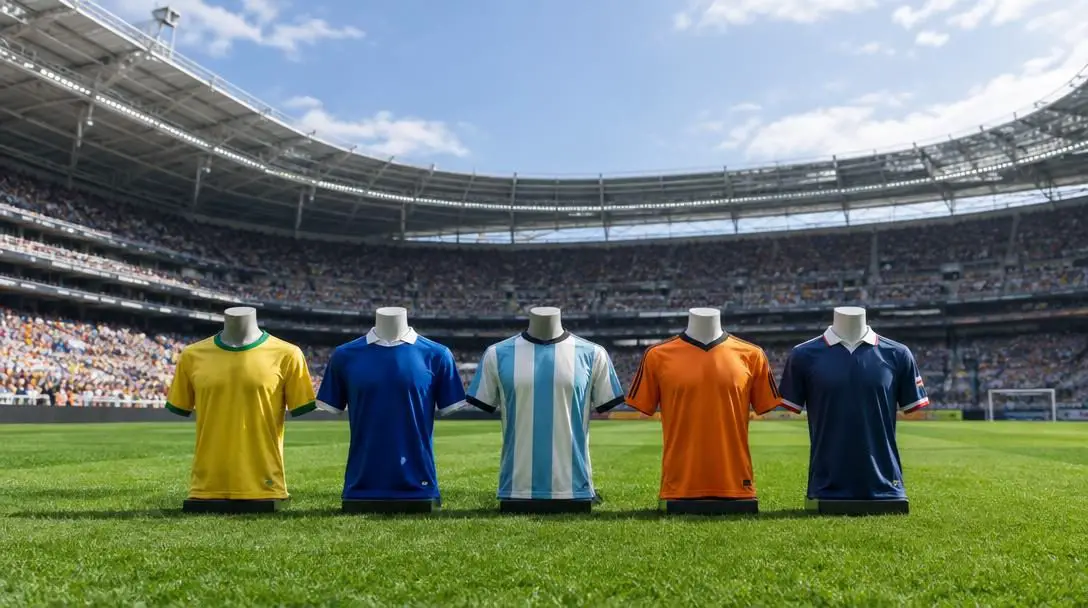
Every four years, the world's elite national football teams gather to compete on the global stage, turning the World Cup into an unmatched showcase of athletic brilliance and sartorial creativity. Because billions of viewers watch these matches, national football federations and their apparel sponsors strive to create visual identities that capture public attention worldwide. Striking uniforms can define an era of sports culture, turning simple team garments into sought-after lifestyle pieces.
When apparel designers take bold creative risks, the results can divide public opinion, with some uniforms initially dismissed as gaudy before gaining appreciation decades later. Other kits achieve immediate perfection, pairing heritage symbols with innovative patterns. Looking across the storied history of international football, five remarkable tournament uniforms stand out as timeless achievements celebrated by die-hard supporters and casual fashion observers alike.
Key takeaways
- Argentina's home kit has maintained its iconic sky-blue and white stripes for more than a century, anchoring three World Cup championship runs.
- Host nation uniforms, such as the United States' star-adorned 1994 kit, can break stylistic conventions and later achieve revered vintage status.
- Cultural heritage drives the most resonant uniform designs, from Nigeria's 2018 energetic neon patterns to Mexico's 1998 Mayan-inspired graphics.
- Kit aesthetics do not depend on tournament outcomes, as teams with early group-stage exits can still produce the most memorable jerseys in football history.
At a glance: Legendary World Cup tournament kits
While hundreds of uniforms have graced the international stage, certain editions achieved legendary status through fearless styling, patriotic symbolism, and enduring cultural impact.
| Nation | Tournament Year | Primary Colors | Defining Design Element | Tournament Result |
|---|---|---|---|---|
| Argentina | Multiple (1978, 1986, 2022) | White and light blue | Vertical flag-inspired stripes | Champions (1978, 1986, 2022) |
| United States | 1994 | Blue, red, and white | Oversized white stars with red shorts | Round of 16 (Best finish in 44 years) |
| Nigeria | 2018 | Neon green, white, and black | Geometric wing-inspired chevron pattern | Group stage |
| Mexico | 1998 | Green, red, and white | Mayan calendar graphic woven on front | Round of 16 |
| Australia | 2006 | Yellow (gold) and green | Clean, solid national sports palette | Round of 16 |
The top five iconic World Cup kits
Across decades of global tournament competition, countless federations have donned custom shirts, but these five distinct uniform choices have separated themselves as masterclasses in international sports design.
Argentina
- Tournament Years: 1978, 1986, 2022
- Signature Design: Sky-blue and white vertical stripes
- Major Titles: Three-time World Cup champions
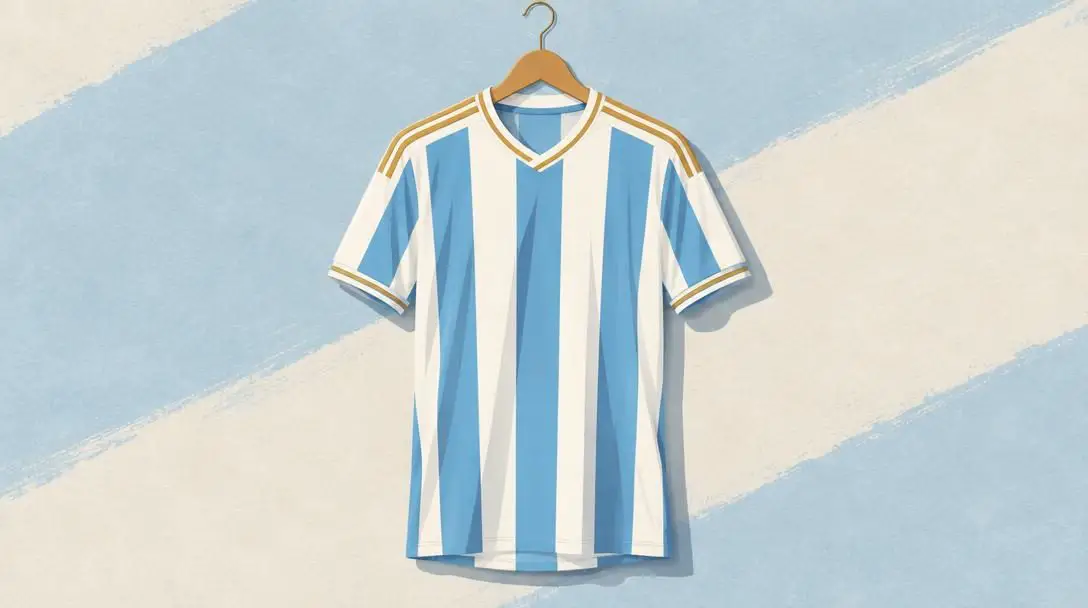
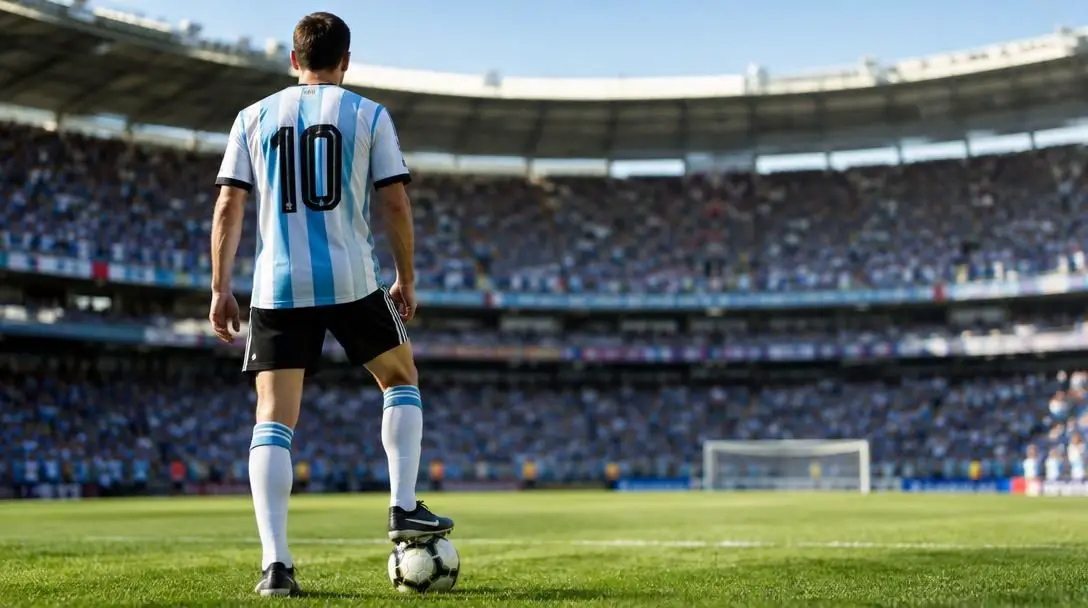
While many national teams alter their primary home colors between tournament cycles, Argentina represents the pinnacle of aesthetic stability. The South American powerhouse has kept its fundamental home uniform largely untouched for more than a century, consistently taking the pitch in the famous vertical white and light blue stripes derived directly from the country's national flag.
This steadfast visual continuity has served as the backdrop for the country's crowning sporting achievements. Argentina lifted its first World Cup trophy on home soil in 1978, repeated the triumph eight years later in Mexico during the 1986 tournament, and captured its third title in Qatar in 2022, where Lionel Messi cemented his status as the sport's greatest icon. While Argentina's away jerseys have welcomed modern design tweaks over the years, the classic home kit remains an untouchable standard that needs no reinvention.
United States
- Tournament Year: 1994
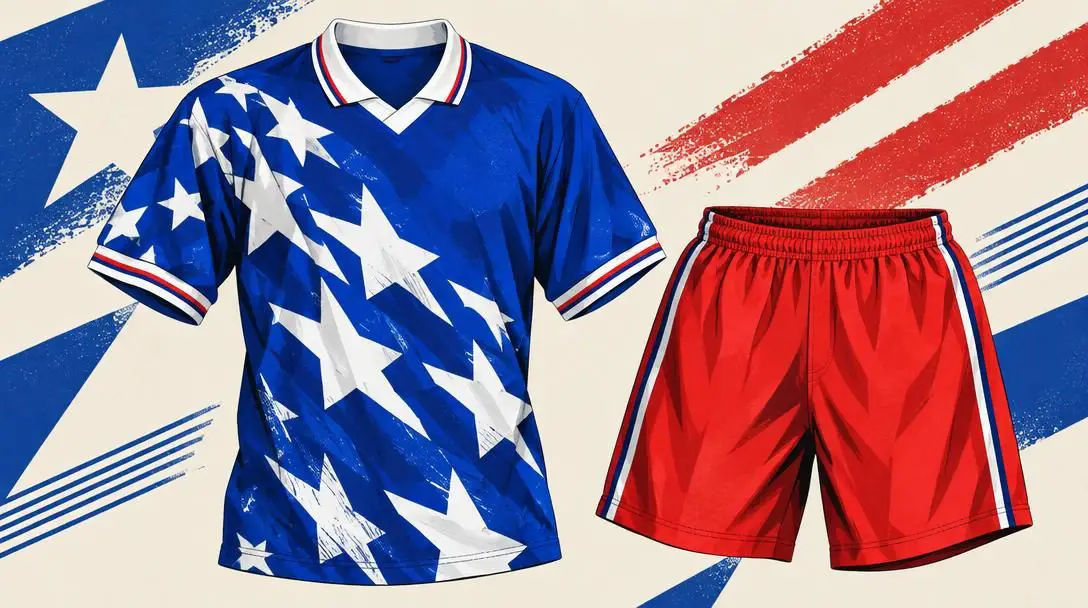
- Primary Details: Blue shirt with large white stars, red shorts
- Tournament Milestone: Best World Cup finish in 44 years
When the United States hosted the tournament in 1994, soccer occupied a modest footprint in an American sports landscape dominated by football, basketball, and baseball. Having qualified in 1990 for their first World Cup since 1950, the Americans approached their home tournament determined to make an unmistakable visual impression on the global community.
The resulting uniform broke every standard convention of traditional soccer apparel. The squad debuted a bold blue jersey covered in wavy, oversized white stars, paired with vibrant red shorts and "USA" stitched prominently across the left chest. Although contemporary critics initially dismissed the star-spangled design as excessively flashy and tacky, fashion perspectives have shifted entirely. The 1994 uniform is now revered as a peak 1990s streetwear classic, functioning as a good luck charm that guided the United States to the round of 16—its best tournament showing in 44 years.
Nigeria
- Tournament Year: 2018
- Apparel Sponsor: Nike
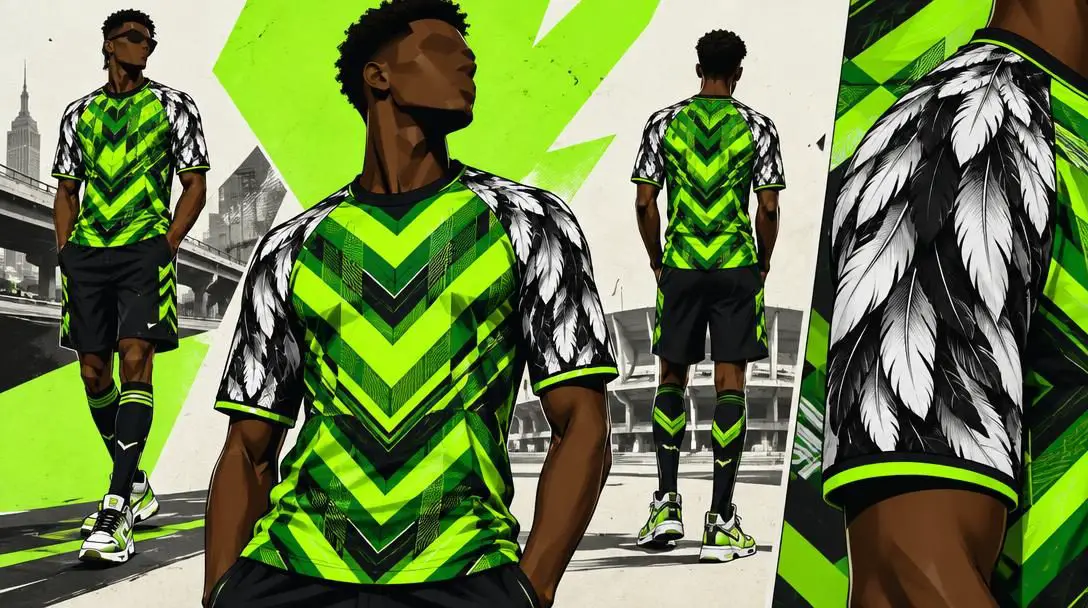
- Key Visual: Vivid neon green with black-and-white chevron sleeves
Executing neon green on an athletic shirt requires immense design precision; even a minor miscalculation can turn a vibrant top into an eyesore. During the 2018 tournament in Russia, Nigeria and its technical sponsor, Nike, proved how stunning neon green can look when paired with thoughtful cultural motifs. Despite 2018 marking only the nation's fifth tournament appearance, the Super Eagles captured the undivided attention of the global fashion world.
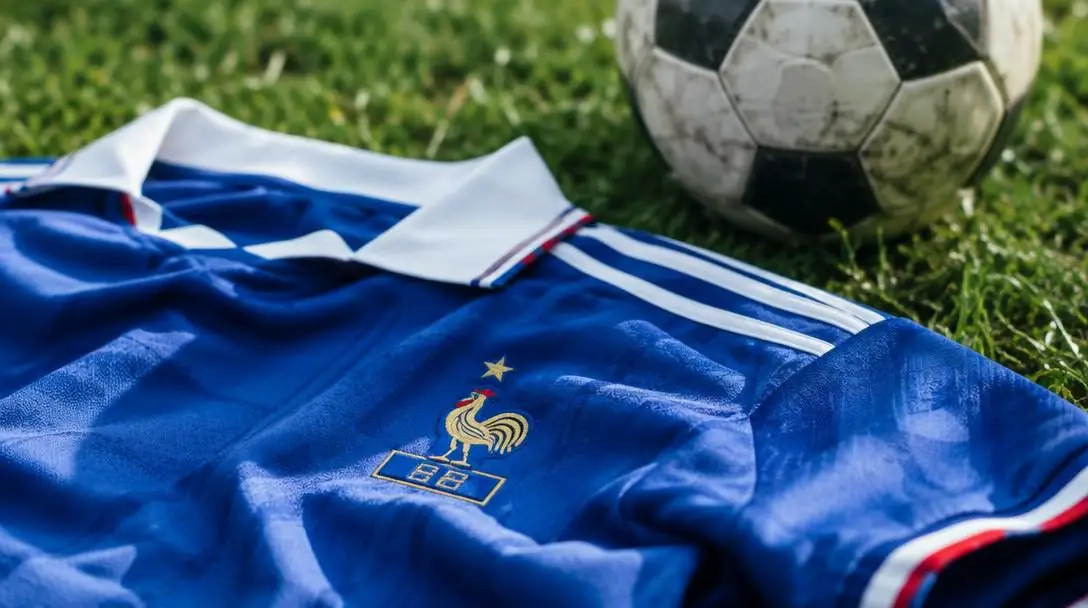
Nike designer Dan Farron highlighted the philosophy behind the uniform: "We wanted to tap into the attitude of the nation. We built this kit and collection based on the players’ full identities…We started to see trends in attitude and energy connecting the athletes to music, fashion, and more. They are part of a resoundingly cool culture." Although Nigeria failed to advance past the group stage after winning just a single match, the shirt sold out globally within minutes and remains one of the fastest-selling jerseys in modern football history.
A daring World Cup uniform does not merely clothe eleven athletes on a pitch; it captures a country's vibrant attitude and reshapes global streetwear.
Mexico
- Tournament Year: 1998
- Graphic Feature: Integrated Aztec and Mayan calendar pattern
- National Palette: Green, white, and red
Mexico has long been recognized as a passionate soccer powerhouse, despite holding a curious tournament record: the country has never progressed past the quarter-finals, reaching the final eight teams only as tournament hosts in 1970 and 1986. Yet despite missing out on late-stage semifinal appearances, Mexico has consistently qualified for nearly every modern tournament while dressing with extraordinary creativity.
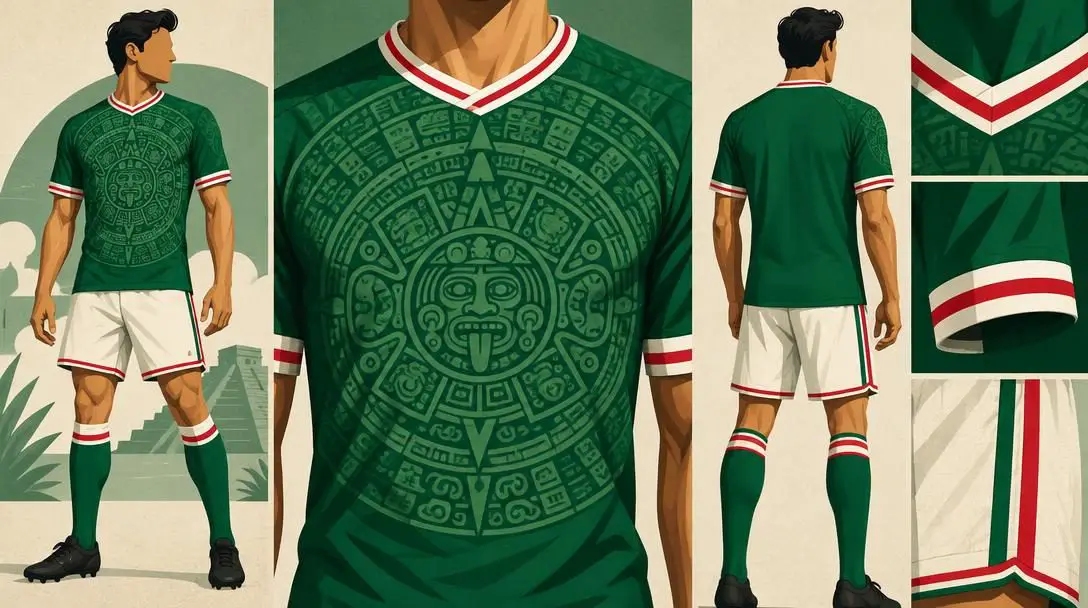
The zenith of Mexican kit design arrived during the 1998 tournament in France. The jersey integrated the nation's traditional green, white, and red flag colors with a complex, striking graphic of the ancient Aztec Sun Stone and Mayan cultural art sublimated across the chest. The squad advanced to the round of 16 before falling to Germany, but the shirt's seamless marriage of indigenous history and modern athletic design ensures its status as a collector's masterpiece.
Australia
- Tournament Year: 2006
- Trademark Palette: Gold top with forest green shorts
- Historic Milestone: First knockout-round qualification
Prior to 2006, Australia had minimal presence at the World Cup. The country did not join FIFA until 1966 and managed only a single tournament appearance in 1974 before ending a 32-year drought in Germany. The 2006 campaign proved transformative, as the Socceroos advanced beyond the group stage for the first time in their history while wearing a flawlessly executed, minimalist kit.
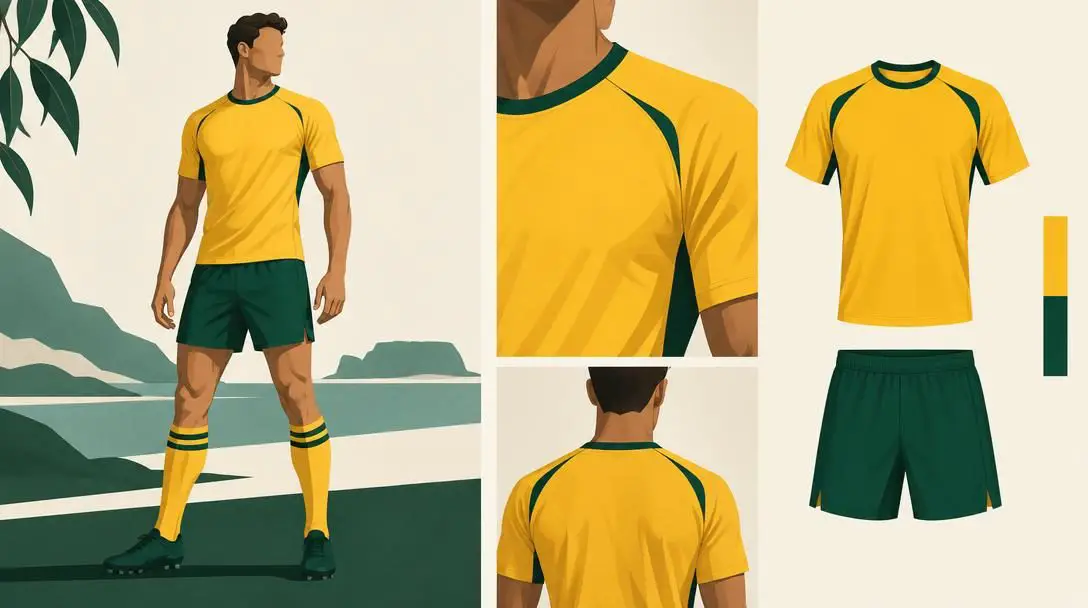
Rather than relying on intricate digital graphics, the uniform celebrated Australia's traditional sporting colors. The bright yellow—often referred to as gold—represented the continent's sun-drenched beaches and mineral wealth, while the deep green shorts symbolized its lush forests. This balanced contrast produced a striking on-field presence that Australian sports teams continue to use, marking the start of a modern era in which the Socceroos have qualified for every subsequent tournament.
Background: The evolution of World Cup fashion
The uniforms worn during the earliest World Cup tournaments were strictly utilitarian garments made to differentiate opposing squads. Early twentieth-century kits were fashioned from heavy, woven cottons and thick wools featuring rigid button plackets, heavy lace-up collars, and baggy silhouettes. Because textile manufacturing was labor-intensive and athletic apparel technology remained primitive, teams often kept the exact same uniforms for decades without stylistic alterations.
As international television broadcasts expanded throughout the 1970s and 1980s, sportswear manufacturers recognized that every televised match served as an international commercial showcase. The introduction of synthetic textiles, particularly lightweight polyester, revolutionized apparel design. Garment engineers could suddenly experiment with complex dye-sublimation techniques, intricate geometric graphics, and vivid hues that would never adhere to natural cotton fibers.
By the turn of the millennium, the World Cup had evolved into a multi-billion-dollar athletic runway. Global sportswear giants now invest years of research into developing performance fabrics that balance breathability with streetwear appeal. Tournament uniforms have expanded beyond pitch equipment, serving as lifestyle statements worn in nightclubs, music festivals, and casual everyday environments.
How international kit design works
Creating an official tournament uniform requires an extensive collaborative journey that often begins two to three years before the competition kicks off. Designers, national soccer federations, and technical apparel brands follow a rigorous multi-stage development cycle.
The journey starts with extensive cultural research. Design teams travel to host cities and competing nations to study architectural movements, traditional textile patterns, modern street fashion, and musical subcultures. These real-world observations form the core conceptual narrative behind the shirt's visual accents.
Simultaneously, materials engineers conduct technical development. Match uniforms undergo strict climate-chamber testing to guarantee optimal moisture management, dynamic stretch, and ultra-lightweight breathability. Once mockups are finalized, designs must receive formal approval from national federations and comply with stringent FIFA equipment guidelines governing badge dimensions, sleeve patch placement, and jersey contrast for broadcast legibility.
Practical steps for starting a classic kit collection
Collecting historic World Cup jerseys is a rewarding hobby that connects fans directly to the game's greatest moments. To build a valuable collection without falling victim to counterfeiters, follow these practical steps.
- Establish a distinct collection theme. Focus your budget on a specific nation, a memorable tournament year, or iconic graphic styles rather than buying scattered pieces impulsively.
- Differentiate between authentic and replica shirts. Player-issue authentic shirts feature tight athletic cuts, heat-sealed emblems, and ultra-lightweight weaves, whereas stadium replica jerseys use durable embroidered badges and looser cuts meant for casual fans.
- Examine interior product tags and serial codes. Research the alphanumeric factory code on the inner wash tag; searching this specific code online should return the exact model, nation, and manufacturing year of your jersey.
- Purchase through authenticated vintage channels. Avoid unverified open marketplaces where modern fakes are common; instead, buy from established sports memorabilia dealers and specialized jersey archivists.
- Store garments away from heat and light. Hang delicate jerseys on wide, padded wooden hangers or store them flat in breathable acid-free garment bags to prevent sticky number decals from peeling or cracking.
Common mistakes to avoid when evaluating kits
Whether you are evaluating a uniform's aesthetic place in football history or appraising a vintage piece for purchase, avoiding common analytical mistakes will give you a much clearer perspective.
- Writing off bold kits on immediate release: Many historic designs were initially panned by sports commentators for being too loud or unconventional. Always allow a kit time to breathe before declaring it a design failure.
- Conflating squad performance with uniform beauty: A national team can suffer an embarrassing group-stage elimination while wearing an all-time classic jersey, just as tournament champions occasionally lift trophies in forgettable templates.
- Neglecting fabric wear and pull damage: When inspecting older shirts, check the lower front and underarms for snags, fabric bobbles, or frayed stitching that significantly diminish resale value.
- Overlooking tournament-specific details: Authentic World Cup shirts often feature distinct chest match embroidery or official sleeve tournament badges that distinguish them from regular friendly-match shirts.
What to consider next for the future of kit design
As international tournaments expand in size, apparel designers face the challenge of continually pushing artistic boundaries while honoring historic national identities. The upcoming cycles of international competition will see sustainability take a central role in manufacturing. Global sportswear brands are transitioning toward circular design models, using closed-loop recycling systems, low-water dye techniques, and ocean-bound plastics to minimize environmental footprints.
At the same time, the line separating performance sportswear from high fashion will continue to dissolve. National federations are increasingly pairing match jerseys with expansive lifestyle collections, producing tailored tracksuits, streetwear accessories, and runway-inspired warm-up tops designed purely for urban culture. Future tournament shirts will balance ancestral heritage with cutting-edge textiles, ensuring the World Cup remains the world's most influential fashion stage.
Frequently asked questions
Why hasn't Argentina changed its home kit design for over a century?
Argentina's vertical sky-blue and white stripes are directly modeled after the national flag. The design has become an untouchable cultural symbol closely tied to the country's three World Cup championships in 1978, 1986, and 2022.
Was the 1994 United States kit well received when it was first released?
No, the star-spangled blue denim-style jersey and bold red shorts were widely criticized as gaudy and tacky by contemporary commentators. However, the uniform has since undergone a complete critical reappraisal and is now celebrated as an iconic 1990s streetwear classic.
How far did Nigeria advance while wearing their famous 2018 World Cup kit?
Despite generating unprecedented global excitement and selling out in minutes, Nigeria did not advance past the tournament's group stage in Russia, winning just one of their three matches.
What cultural elements inspired the 1998 Mexico World Cup jersey?
The 1998 Mexican kit featured a prominent, intricate graphic of the Aztec Sun Stone calendar woven across the chest, paired with the country's traditional national flag colors of green, white, and red.
Why does Australia wear green and gold if those colors are not on their flag?
Australia's national sporting colors represent the physical geography of the continent. The gold represents sandy beaches and rich mineral wealth, while the green symbolizes the nation's lush forests and native golden wattle blossoms.
The bottom line
The World Cup will always remain a celebration of peak athletic competition, but its lasting visual legacy lives on through the shirts worn on the field. From Argentina's century-old vertical stripes to Nigeria's daring neon tribute to youth culture, memorable uniforms transcend the final score. As technical manufacturing advances and fashion sensibilities evolve, the world's greatest football tournament will continue to inspire new generations of iconic sporting design.