5 Best Managers In Inter History
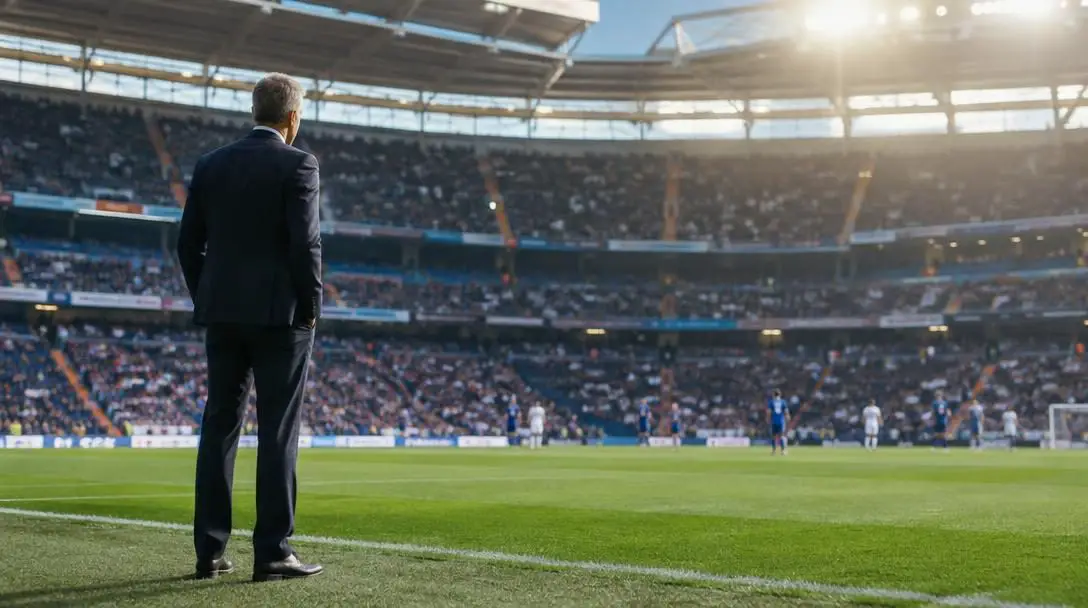
Inter Milan stands as one of the most prominent football institutions in the world, sustained by a storied history of capturing prestigious domestic championships and staging memorable continental campaigns. Throughout the decades, the club has fielded some of the greatest players the sport has ever witnessed, but the identity, competitiveness, and enduring resilience of the Nerazzurri have consistently been forged from the sidelines by visionary tacticians.
Achieving legendary status as an Inter manager requires a rare blend of tactical ingenuity, psychological mastery, and the mental fortitude to withstand the relentless media scrutiny and high expectations endemic to Italian football. While many distinguished coaches have graced the San Siro dugout, five individuals distinguished themselves across distinct eras through exceptional winning percentages, long-term stability, and era-defining silverware.
Key takeaways
- Helenio Herrera and Roberto Mancini share the club record for the most silverware won, each securing seven major trophies during their tenures.
- Virgilio Fossati achieved the highest winning percentage among the club's celebrated tacticians at 62.72% while operating as a dual player-manager.
- Giulio Cappelli provided vital institutional stability and achieved a 59.32% win rate across two distinct spells despite not lifting a major trophy.
- Giovanni Trapattoni crossed cross-city rival lines to oversee 230 matches and lead Inter to three major domestic and European honors.
The five greatest managers in Inter Milan history
Separating the greatest leaders in Nerazzurri history requires looking beyond simple trophy counts to consider the broader environment of Italian football. The following five tacticians set the benchmark for managerial excellence at Inter Milan, leaving legacies that shaped the identity of the club.
Giulio Cappelli
- Tenures: 1949–1950, 1960
- Win Percentage: 59.32%
- Career Transition: Retired as player in 1943; coached Lucchese, Chieti, and Alessandria
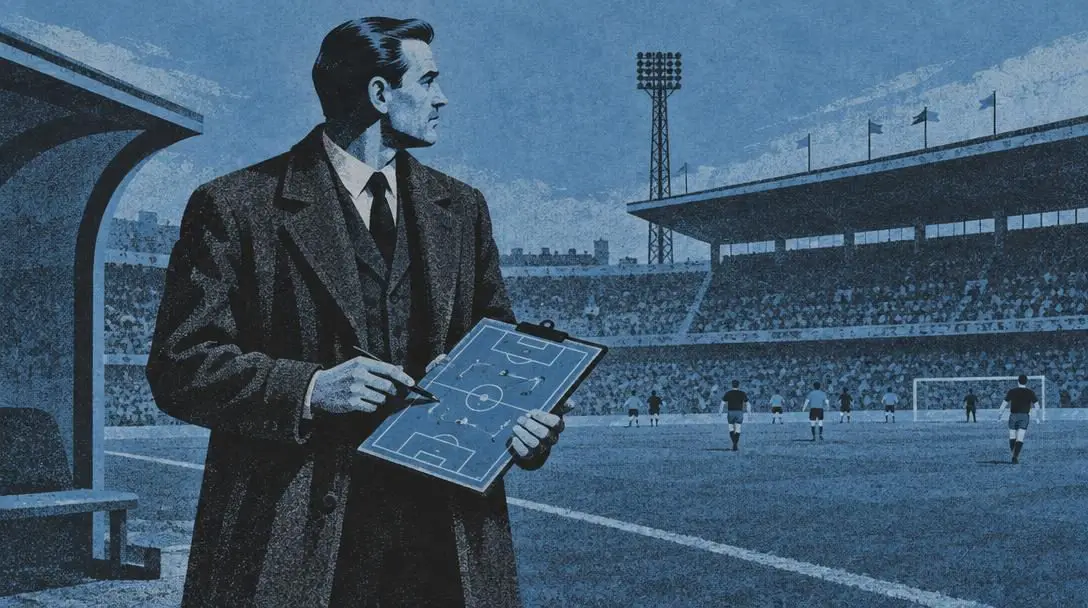
A native of La Spezia, Giulio Cappelli enjoyed an extensive playing career before transitioning into coaching. Across his on-pitch days, he represented several Italian clubs including Spezia, Livorno, and Viareggio, totaling over 200 appearances prior to hanging up his boots in 1943. He quickly adapted to sideline leadership, honing his tactical methodology at Lucchese before earning the opportunity to lead Inter Milan.
Cappelli took the helm at Inter across two separate, concise stints: initially from 1949 to 1950, and returning a decade later for a single campaign in 1960. Although his aggregate time in charge spanned only three seasons without delivering major silverware, his technical impact was profound. Cappelli amassed an outstanding 59.32% winning percentage and acted as an indispensable stabilizing force. He guided the club through a turbulent transition period, establishing a structured foundation that enabled future success before he concluded his coaching career with Chieti and Alessandria.
Virgilio Fossati
- Tenure: 1909–1915
- Win Percentage: 62.72%
- Matches Managed: 110 fixtures (only 9 draws)
- Trophies Won: 1 Serie A title
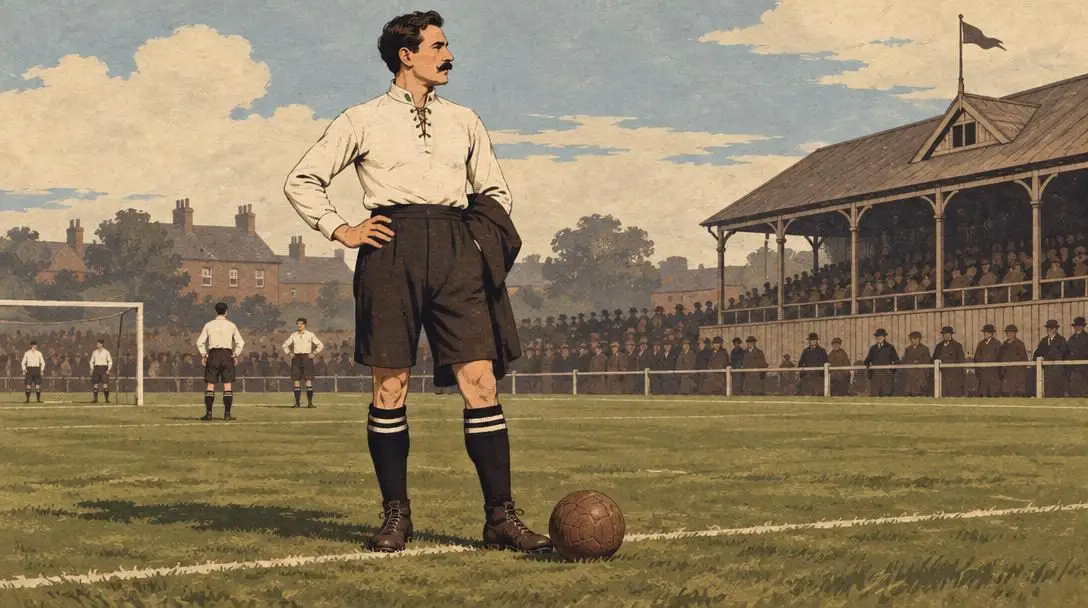
In the formative decades of Italian football, Virgilio Fossati set an unmatched standard of leadership by serving simultaneously as Inter's primary midfielder and its manager from 1909 until 1915. This dual player-manager responsibility is virtually nonexistent in modern professional football, yet Fossati excelled on both fronts. While earning international caps for the Italian National Team, he appeared in nearly 100 competitive matches on the pitch for Inter, scoring four goals.
On the touchline, Fossati established one of the most efficient records in club history. Across 110 matches, he engineered a 62.72% winning rate and conceded a remarkably low total of only nine draws. His disciplined guidance delivered an early Serie A championship, carving his name permanently into the club's foundations during a pioneering era that was brought to a tragic conclusion by the outbreak of World War I.
Giovanni Trapattoni
- Tenure: 1986–1991 (5 seasons)
- Matches Managed: 230 matches (126 wins, 59 draws, 45 losses)
- Trophies Won: 1 Serie A title, 1 Supercoppa Italia, 1 UEFA Europa League
Giovanni Trapattoni arrived at Inter with an established pedigree forged on both sides of northern Italian football. As a player, he spent the years between 1959 and 1971 as a key figure for arch-rival AC Milan, eventually finishing his playing days with Varese in the early 1970s. After beginning his coaching career with AC Milan in 1974 and commanding Juventus for an entire decade, Trapattoni took the reins of Inter Milan for a memorable five-year term before returning to Juventus in the early 1990s.
Trapattoni ranks third in all-time matches managed for Inter with 230 fixtures. During his five seasons, he recorded 126 wins, 59 draws, and only 45 losses. His tactical framework brought decisive silverware back to the blue-and-black half of Milan, securing a celebrated Serie A title, the Supercoppa Italia, and continental glory in the UEFA Europa League.
Roberto Mancini
- Tenures: 2004–2008, 2014–2016
- Win Percentage: 58.08%
- Trophies Won: 7 (3 Serie A championships, 2 Coppa Italia, 2 Supercoppa Italia)
- Milestone: One of only two managers to oversee 300+ Inter matches
Before his managerial ascent, Roberto Mancini enjoyed an illustrious playing career that began at Bologna in the early 1980s and blossomed during a 15-year tenure with Sampdoria, where he scored 132 goals in 424 matches. After concluding his playing days with Lazio and Leicester City, Mancini entered management at Fiorentina in 2001, later guiding Lazio before stepping into the Inter Milan dugout in 2004.
Mancini oversaw two distinct tenures at the club: an era-defining run from 2004 to 2008, and a return from 2014 to 2016. He is one of only two tacticians in club history to take charge of more than 300 matches, recording a commanding 58.08% victory rate. Mancini transformed Inter into a dominant domestic force, securing seven trophies—three Serie A titles, two Coppa Italia trophies, and two Supercoppa Italia victories—tying the all-time club record for managerial silverware before moving on to Zenit Saint Petersburg in 2017.
Sustained managerial excellence at Inter Milan demands both immediate tactical command and the psychological resilience to guide the squad through intense historical transitions.
Helenio Herrera
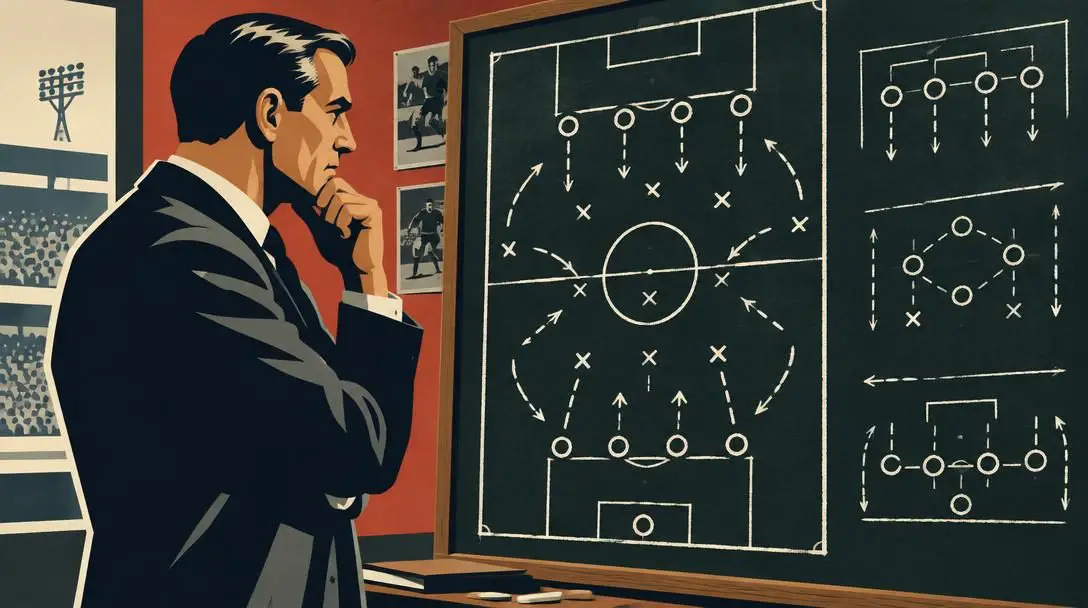
- Tenures: 1960–1968, 1973–1974
- Matches Managed: 366 fixtures (all-time club record)
- Win Percentage: Over 56% (sole manager with 200+ wins)
- Trophies Won: 7 (3 Serie A titles, 2 UEFA Champions Leagues, 2 Intercontinental Cups)
The Argentine tactician Helenio Herrera occupies the absolute summit of Inter Milan lore. Following a 15-year playing career, Herrera refined his trade across Europe at clubs such as Atletico Madrid, Barcelona, and Roma. He orchestrated two terms with the Nerazzurri—an iconic period between 1960 and 1968, followed by a return for the 1973–1974 campaign—representing the longest combined tenure of any manager in the team's history.
Herrera remains Inter's all-time record holder for matches managed with 366 games, outpacing second place by more than 60 matches, and stands alone as the only manager to surpass 200 competitive victories for the club. Maintaining a winning percentage of over 56%, Herrera shares the club's silverware record with Mancini at seven trophies. His haul represents the pinnacle of Inter's global prestige, featuring three Serie A championships, back-to-back UEFA Champions League titles, and two Intercontinental Cups.
At a glance: Inter's premier tacticians compared
The following table outlines how the five standout leaders compare across longevity, tactical efficiency, and hardware accrued during their tenures in Milan.
| Manager | Tenure Years | Matches Managed | Win Rate | Total Silverware |
|---|---|---|---|---|
| Helenio Herrera | 1960–1968, 1973–1974 | 366 | >56.00% | 7 trophies |
| Roberto Mancini | 2004–2008, 2014–2016 | 300+ | 58.08% | 7 trophies |
| Giovanni Trapattoni | 1986–1991 | 230 | 54.78% | 3 trophies |
| Virgilio Fossati | 1909–1915 | 110 | 62.72% | 1 trophy |
| Giulio Cappelli | 1949–1950, 1960 | Not specified (3 seasons) | 59.32% | 0 trophies |
Honorable mentions who shaped Inter's story
Selecting an elite top five requires making difficult choices among iconic figures who stamped their mark on the club. Several exceptional tacticians made profound contributions to Inter Milan but narrowly missed inclusion:
- Jose Mourinho: The Portuguese strategist engineered one of the most celebrated chapters in Italian football history, leading the squad to historic domestic and European triumphs before departing for Spain.
- Arpad Weisz: An influential tactical innovator from the pre-war era whose structural coaching methods left an indelible impression on Italian football development.
- Simone Inzaghi: A contemporary leader who demonstrated acute knockout tournament acumen and domestic competitiveness in high-pressure title races.
- Hector Cuper: The Argentine tactician who restored Inter's presence as an elite contender on both the domestic and European scenes during the early 2000s.
Core pillars of elite football management
To understand how figures like Herrera, Mancini, and Trapattoni thrived at the San Siro, it is vital to analyze the core responsibilities involved in running an elite football squad:
- Tactical Implementation: Managers must design systematic training routines, strategic formations, and phase-specific plans. Whether constructing an impermeable defensive line or an incisive counter-attack, systems must adapt to counter diverse domestic and European rivals.
- Roster and Player Dynamics: Overseeing physical conditioning, squad rotation, and squad morale across a grueling 50-plus game campaign demands exceptional interpersonal management. Key starters must maintain peak form without alienating squad players.
- Strategic Versatility: The ability to decipher in-game momentum shifts and execute decisive substitutions or formation pivots is what separates good coaches from trophy-winning managers.
- Psychological Leadership: Managing a world-class club means operating directly under the media spotlight. Elite coaches serve as emotional buffers, deflecting external noise and building mental resilience in high-stakes fixtures.
How to evaluate a football manager's legacy
Assessing managerial greatness requires a balanced, structured methodology rather than a cursory glance at trophy cabinets. Follow these analytical steps to conduct a rigorous historical assessment:
- Evaluate Total Match Volume and Longevity: Sustained match counts indicate long-term organizational trust. Figures like Herrera (366 matches), Mancini (300+ matches), and Trapattoni (230 matches) navigated seasonal dips that routinely overwhelm short-term caretakers.
- Analyze Win, Draw, and Loss Percentages: Evaluate raw consistency across long stretches. Baseline win rates exceeding 55% to 60% across substantial samples—such as Fossati's 62.72% or Cappelli's 59.32%—demonstrate tactical efficiency regardless of era.
- Audit Trophy Collections Across Competitions: Balance domestic league performance (Serie A) against domestic cup competitions (Coppa Italia, Supercoppa Italia) and continental dominance (UEFA Champions League, UEFA Europa League, Intercontinental Cup).
- Account for Historical and Institutional Context: Contextualize the external challenges facing the club during a manager's era. Steering an institution through wartime disruptions or restoring competitive equilibrium during transitional droughts provides lasting value that medals alone cannot reflect.
Common traps when comparing managers across eras
Comparing coaches across multiple decades introduces several analytical pitfalls. Avoid these common oversights when reviewing historical coaching records:
- Overlooking century-long evolutions in game structure: The tactical conditions, athletic conditioning, and substitution rules of Virgilio Fossati's era between 1909 and 1915 share little resemblance with the modern professional landscape navigated by Roberto Mancini in the 2000s.
- Focusing exclusively on silverware hauls: Fixating solely on medals ignores leaders like Giulio Cappelli, who posted an elite 59.32% win rate and brought essential stability to the squad following volatile stretches.
- Neglecting dual roles and support staff sizes: Modern managers deploy dozens of specialized performance analysts, medical directors, and technical assistants. In contrast, pioneer tacticians like Fossati balanced tactical duties with playing in midfield for both club and country.
- Dismissing short coaching tenures out of hand: A manager who takes charge for three seasons can introduce enduring tactical standards or cultural disciplines that influence the club's development long after their departure.
Further avenues for studying Inter's tactical lineage
For enthusiasts looking to expand their knowledge of Inter Milan's historical development and strategic philosophy, consider investigating these interconnected subjects:
- The tactical footprint of Helenio Herrera: Study how Herrera's defensive structures and counter-attacking philosophies during the 1960s established structural principles that influenced subsequent coaches like Trapattoni and Mancini.
- Near-miss contenders and their eras: Explore the detailed records and tactical adjustments of managers like Jose Mourinho, Arpad Weisz, Simone Inzaghi, and Hector Cuper during their tenures in Milan.
- Continental campaigns vs. domestic stability: Examine how Inter translated domestic Serie A consistency into continental dominance, contrasting Herrera's back-to-back European and Intercontinental Cup runs with Trapattoni's UEFA Europa League success.
- Player-turned-manager leadership patterns: Analyze how past playing careers—from Mancini's prolific scoring tenure at Sampdoria to Trapattoni's long playing days with AC Milan—informed the technical and psychological principles they implemented from the touchline.
Frequently asked questions
Who is the most successful Inter Milan manager by trophies?
Helenio Herrera and Roberto Mancini share the club record for the most silverware won, with seven major trophies each. Herrera won three Serie A titles, two UEFA Champions Leagues, and two Intercontinental Cups. Mancini collected three Serie A championships, two Coppa Italia titles, and two Supercoppa Italia trophies.
Which Inter manager holds the record for most matches coached?
Helenio Herrera holds the all-time club record with 366 matches managed across his two terms (1960–1968 and 1973–1974). He leads the second-placed manager by more than 60 fixtures and is the only manager in club history to surpass 200 career wins for Inter.
What made Virgilio Fossati's managerial tenure unique?
Virgilio Fossati served as a dual player-manager between 1909 and 1915. While managing 110 fixtures and guiding the club to a Serie A title with a 62.72% winning percentage, he also played in midfield, scoring four goals across nearly 100 on-pitch appearances and earning caps for the Italian National Team.
Why is Giulio Cappelli ranked among the best without winning silverware?
Giulio Cappelli provided vital stability to Inter Milan following a rocky organizational period across two separate stints (1949–1950 and 1960). Despite managing for only three seasons without a trophy, he maintained an exceptional 59.32% win rate that stabilized the club's competitive trajectory.
What did Giovanni Trapattoni achieve during his time at Inter?
Managing from 1986 to 1991, Giovanni Trapattoni oversaw 230 matches (third all-time in club history), winning 126 games and capturing three major honors: one Serie A championship, one Supercoppa Italia, and the UEFA Europa League.
The bottom line
The history of Inter Milan is inseparable from the masterminds who have directed the team from the touchline. From the pioneering player-manager leadership of Virgilio Fossati and the steadying hand of Giulio Cappelli, to the silverware-laden reigns of Giovanni Trapattoni, Roberto Mancini, and Helenio Herrera, each tactician solved unique challenges. By combining tactical acumen with psychological authority, these five managers set the standard for elite football leadership in Italian and European football history.