5 Best Moments in Atlanta Sports History
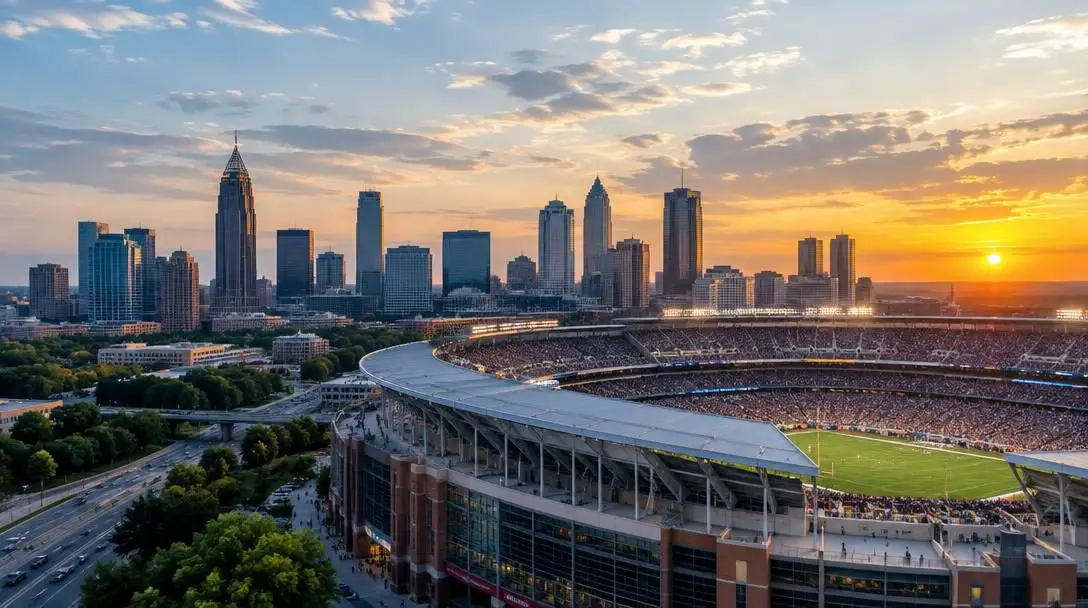
Atlanta's athletic history is defined by decades of passionate anticipation, heartbreaking near misses, and breakthrough achievements that fundamentally reshaped the city's standing on the national stage. For generations, the sports landscape in Georgia's capital was shadowed by a persistent championship drought that inspired long discussions of an athletic curse—a narrative that lingered over local franchises until it was finally dismantled in the 2020s. Yet long before that modern milestone, local venues hosted moments of peerless athletic theater that captivated spectators across the United States and around the globe.
The city's athletic identity first began to take cohesive form during the 1960s and 1970s, as major professional sports leagues expanded into the American Southeast. Over the decades that followed, Atlanta's diamonds, gridirons, and arenas served as the backdrop for records once considered completely unbreakable, multi-sport feats never replicated since, and unforgettable international gatherings. The following chronicle ranks the five greatest moments in Atlanta sports history, examining how individual athletic brilliance and collective determination permanently elevated the city's sporting legacy.
Key takeaways
- Atlanta evolved from decades of championship heartbreak into a world-renowned athletic capital with deep roots in professional baseball, football, and international competition.
- Hank Aaron's record-shattering 715th career home run in 1974 broke Babe Ruth's iconic milestone and remains the defining achievement in Atlanta sports history.
- The Atlanta Braves secured the city's first-ever Major League Baseball World Series title in 1995 through a tense 1-0 shutout against the Cleveland Indians.
- Hosting the 1996 Centennial Summer Olympic Games broke a 90-year exclusivity pattern for American host cities and showcased Atlanta as an international travel hub.
- Historic sporting milestones leave behind tangible infrastructure, civic pride, and cultural traditions that unite multiple generations of local sports fans.
At a glance: The top sports moments in Atlanta history
| Rank | Historical Moment | Year | Key Personalities | Primary Significance |
|---|---|---|---|---|
| 5 | Deion Sanders' Dual-Sport Feat | 1992 | Deion Sanders | Suited up for an NFL game and traveled to an NLCS contest on the same calendar day. |
| 4 | The 1998 NFC Championship | 1998 | Gary Anderson, Atlanta Falcons | Upset the 15-1 Minnesota Vikings in overtime to capture the franchise's first Super Bowl berth. |
| 3 | Braves Clinch the 1995 World Series | 1995 | Tom Glavine, David Justice, Jim Poole | Delivered a 1-0 shutout in Game Six to secure Atlanta's first World Series title. |
| 2 | Centennial Summer Olympic Games | 1996 | Muhammad Ali, Michael Johnson, Kerri Strug | Brought the Centennial Games to the South, producing unforgettable global athletic highlights. |
| 1 | Hank Aaron Breaks the Home Run Record | 1974 | Hank Aaron, Babe Ruth | Surpassed Babe Ruth's record of 714 home runs with blast number 715 before an ecstatic home crowd. |
The five greatest moments in Atlanta sports history
Every major sporting hub has marquee games, but true historical turning points permanently redefine how a city sees itself and how outside observers view its capabilities. These five achievements represent peak individual skill, remarkable team perseverance, and municipal milestones that resonate decades after the final whistle.
5. Deion Sanders Takes on Two Sports in One Day

- Year: 1992
- Franchises: Atlanta Falcons and Atlanta Braves
- Opponent: Miami Dolphins (NFL)
- Milestone: Played in an NFL game and traveled for an NLCS contest on the same day
While many exceptional athletes balance multiple athletic pursuits during their high school or collegiate years, maintaining elite production across two major professional sports is an extraordinary rarity. Deion Sanders established himself as a singular athletic phenomenon who competed at the highest tier of both professional football and baseball. In 1992, Sanders starred as the premier shutdown cornerback for the Atlanta Falcons while concurrently playing part-time in center field for the Atlanta Braves over several memorable seasons.
Affectionately known across the nation as Primetime, Sanders divided his intense athletic commitments between the gridiron and the diamond. In 1992, he accomplished an unprecedented feat by preparing for and participating in both a Major League Baseball event and a National Football League contest on the exact same calendar date. Sanders suited up for the Falcons in an early kickoff against the Miami Dolphins, then rushed through an ambitious travel schedule to arrive in time for the Braves' National League Championship Series game. Although Sanders did not officially enter the batter's box or outfield during the NLCS matchup itself, the logistical coordination, conditioning, and athletic focus required to make himself available for both high-stakes games was unprecedented—especially given that neither contest was hosted in Atlanta.
4. The 1998 NFC Championship

- Season: 1998
- Opponents: Minnesota Vikings (15-1) and Atlanta Falcons (14-2)
- Betting Spread: Minnesota favored by 11 points
- Outcome: Atlanta won in overtime to reach the Super Bowl
Heading into the 1998 NFC Championship Game, the collective focus of the football universe was centered almost entirely on the top-seeded Minnesota Vikings. Minnesota had constructed one of the most explosive, record-setting regular seasons in NFL history, posting a 15-1 record and entering their home venue as heavy 11-point favorites. This widespread media attention led many national commentators to overlook the visiting Atlanta Falcons, who had quietly put together a stellar 14-2 campaign of their own.
The contest turned into a showcase of defensive grit and composure. Atlanta absorbed Minnesota's initial offensive firepower and maintained striking distance throughout three physical quarters, trailing by just three points entering the final period. Facing a seven-point deficit late in the fourth quarter, the Falcons benefited from an improbable turn of events: Minnesota kicker Gary Anderson missed a crucial field goal, which stood as his only missed kick of the entire 1998 season. Re-energized by the miscue, Atlanta marched down the field to score the game-tying touchdown, eventually claiming victory in sudden-death overtime. The monumental upset stunned the football world and earned the Falcons their first Super Bowl appearance in franchise history.
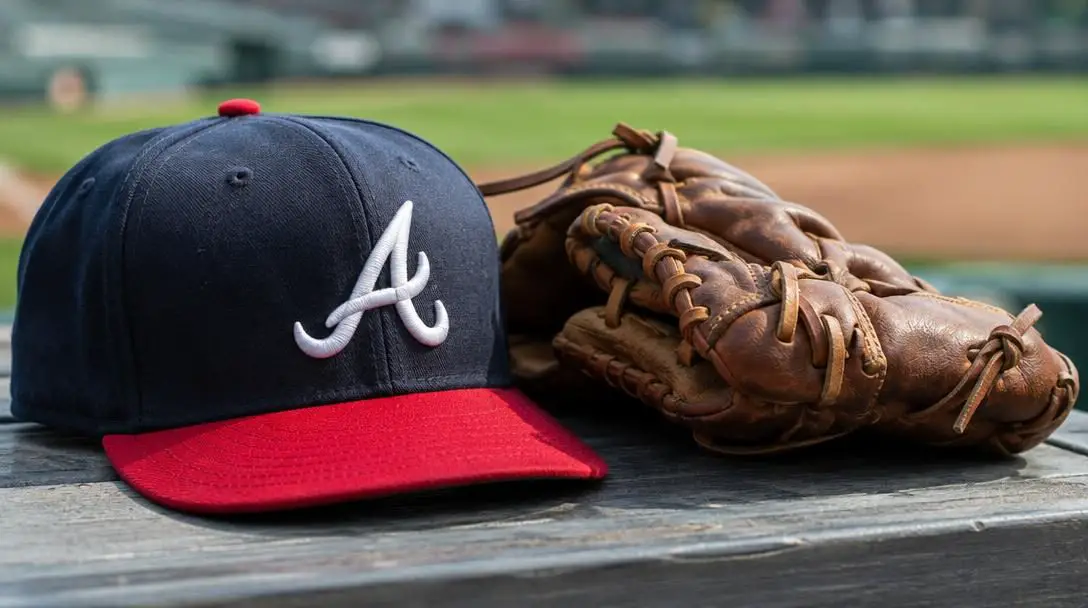
3. The Atlanta Braves Win the 1995 World Series

- Year: 1995
- Opponent: Cleveland Indians
- Deciding Game: Game Six (1-0 shutout)
- Key Contributors: Tom Glavine, David Justice, Jim Poole
While the Atlanta Braves' eventual championship in 2021 was an exhilarating triumph, it arrived unexpectedly for a roster navigating an in-season rebuild. By contrast, the 1995 World Series victory represented the hard-fought culmination of years marked by postseason heartbreak, national criticism, and near misses. The win provided the city of Atlanta with an enormous wave of emotional relief after enduring decades without a major professional sports championship.
The Braves squared off against the Cleveland Indians, a powerhouse club seeking to end its own multi-decade championship drought. Atlanta set the tone early by taking the first two games at home, but Cleveland pushed back hard, claiming two of the next three contests at Jacobs Field. Returning to Atlanta-Fulton County Stadium for Game Six, Braves starting pitcher Tom Glavine delivered one of the finest pitching performances in postseason history, trading zeroes with Cleveland reliever Jim Poole. The contest remained locked in a scoreless duel until the bottom of the sixth inning, when Braves outfielder David Justice launched a dramatic solo home run. That single swing provided the only run of the night, securing a 1-0 shutout and delivering Atlanta its first-ever World Series trophy.
2. Hosting the 1996 Centennial Summer Olympics
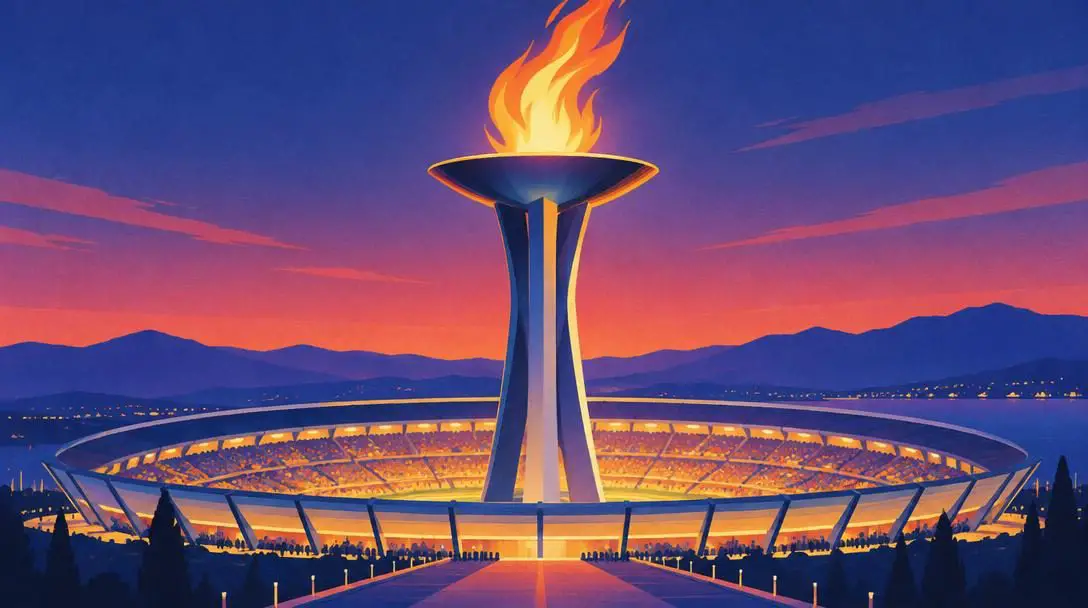
- Year: 1996
- Host City Milestones: First American Summer Games host outside Los Angeles from 1905 to 1995
- Signature Moments: Muhammad Ali lighting the cauldron, Michael Johnson's sprints, Kerri Strug's vault
For nearly an entire century spanning from 1905 to 1995, the only American city selected to stage the Summer Olympic Games was Los Angeles. That era of regional exclusivity ended when Atlanta was awarded the 1996 Centennial Summer Games, bringing thousands of global competitors and hundreds of thousands of international visitors to Georgia. The city was chosen both to highlight the modern, evolving character of the American South and to leverage Atlanta's expanding infrastructure as a major global travel and aviation hub.
The 1996 Games delivered some of the most emotionally charged and enduring athletic imagery in Olympic history. During the opening ceremonies, boxing legend Muhammad Ali surprised the world by stepping into the spotlight with trembling hands to ignite the Olympic cauldron, a moment of profound courage that brought the stadium to its feet. Over the subsequent weeks of competition, track star Michael Johnson shattered world records with his dominant sprint victories, while gymnast Kerri Strug battled through an injured ankle on the vault to secure a historic team gold medal for the United States.
1. Hank Aaron Breaks the Career Home Run Record
- Date: April 8, 1974
- Milestone: 715th career Major League home run
- Record Surpassed: Babe Ruth's career mark of 714 home runs
- Memorable Scene: Two fans ran onto the field to jog alongside Aaron on the basepaths
The Major League Baseball career home run record has long stood as one of the most revered statistical summits in professional sports. For multiple generations, fans and sports historians believed Babe Ruth's career total of 714 home runs was an unreachable pinnacle. However, that perception began to change through the late 1960s and early 1970s, as Braves slugger Hank Aaron maintained an astonishingly consistent hitting pace, steadily marching toward the historic threshold.
On the evening of April 8, 1974, Aaron permanently etched his name into baseball lore. Facing the Los Angeles Dodgers before tens of thousands of cheering home fans, Hammerin' Hank connected on a pitch to launch career home run number 715 over the left-field fence. As Aaron rounded the bases, two jubilant young spectators slipped past venue security, running onto the diamond to jog alongside him between second and third base. That brief, peaceful interaction remains an indelible visual memory of athletic triumph—a moment of joyous pandemonium that stands as the undisputed pinnacle of Atlanta sports history.
Major sports milestones do more than alter the history books; they fundamentally alter the social and economic fabric of their host cities.
How Championship Milestones Shape Atlanta's Civic Identity
Historic sporting achievements do far more than modify franchise record books; they actively influence the cultural and economic trajectory of the communities where they take place. Understanding the forces behind these major milestones illuminates why they retain such powerful resonance across multiple generations of residents.
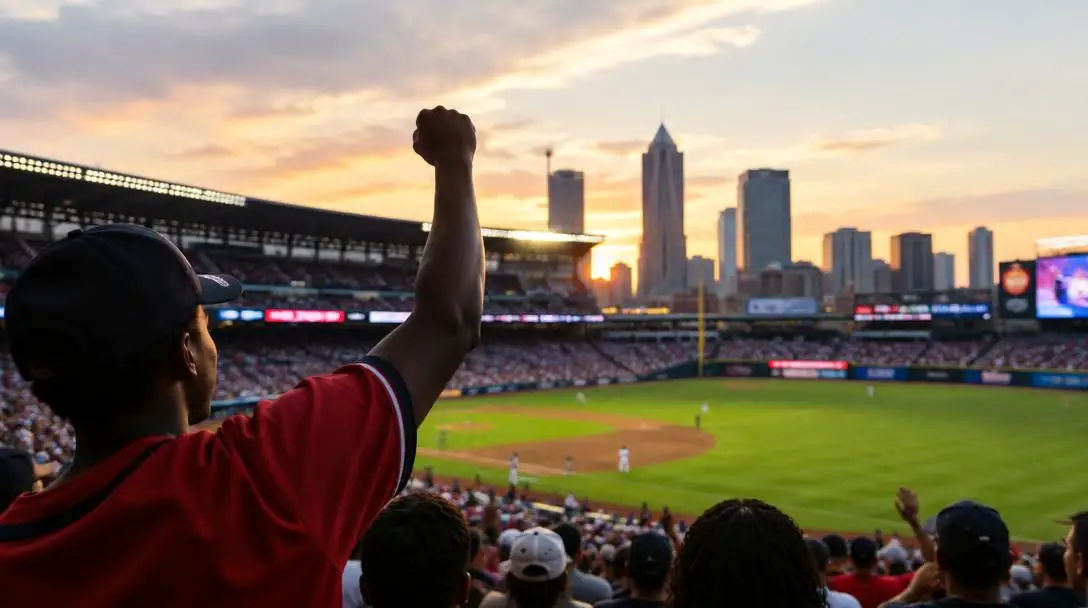
- Unifying civic pride: Signature sporting moments create a shared vocabulary across diverse demographics. When Hank Aaron shattered the home run record or the Braves captured Game Six in 1995, residents from all walks of life found common ground in celebrating local excellence.
- Elevating global stature: Mega-events like the 1996 Centennial Olympic Games demonstrate that a regional city possesses the logistics, transportation network, and municipal leadership required to manage massive international gatherings.
- Catalyzing public infrastructure: Major tournaments leave behind physical legacies, including upgraded public transit systems, expanded athletic venues, and revitalized urban parks that serve citizens long after the events conclude.
- Stimulating sports commerce: Landmark championship runs generate substantial merchandise sales, draw out-of-state tourism, and establish multi-decade season ticket traditions that form the backbone of the local sports economy.
Practical Steps for Fans Exploring Atlanta Sports History
For lifelong residents, recent arrivals, or traveling sports enthusiasts, discovering the landmarks and stories of Atlanta's athletic past offers a deeply rewarding journey. Engaging with these historical chapters can be approached through a clear, structured sequence.
- Map out historical venue locations: Identify the physical footprints where landmark games occurred. Even where classic stadiums have been replaced or redeveloped, many sites preserve memorial markers, commemorative plaques, or original outfield wall outlines.
- Visit dedicated team museums and halls of fame: Explore franchise exhibit halls that house artifacts from key eras. The Braves maintain curated displays honoring Hank Aaron, Tom Glavine, and David Justice, showcasing authentic game equipment, rings, and archival photography.
- Review unedited historic game broadcasts: Watch full, unedited archival broadcasts of the April 8, 1974 game, the 1998 NFC Championship, or the 1995 World Series clincher. Complete telecasts reveal strategic nuances, commentary styles, and crowd dynamics that short highlight reels omit.
- Engage with multi-generational fan communities: Attend local booster clubs, sports panels, or regional digital archives. Discussing these events with fans who attended the 1996 Olympics or the 1998 playoff upset provides irreplaceable eyewitness perspective.
- Collect and preserve authentic memorabilia: If building a personal sports archive, prioritize period-accurate materials such as original box scores, vintage game programs, or commemorative newspapers from landmark dates.
Common Pitfalls When Analyzing Historic Sports Moments
When sports analysts and fans evaluate historic games across different eras, they frequently stumble into analytical traps that distort what actually occurred on the field. Avoiding these common mistakes ensures a balanced and realistic appraisal of athletic history.
- Overlooking opponent strength: When recalling the 1998 NFC Championship, critics sometimes reduce the outcome to Gary Anderson's missed field goal. In reality, Atlanta had to execute a disciplined four-quarter game plan just to stay within striking distance of a dominant 15-1 opponent.
- Applying modern security perspectives to historical settings: Viewers watching Hank Aaron's 715th home run are often startled by spectators jogging alongside him on the basepaths. Judging 1974 stadium operations by modern security protocols overlooks the era's operational context.
- Assuming postseason victories were inevitable: The 1995 Braves featured an elite starting rotation, but Game Six was decided by a razor-thin 1-0 score line. Success required exceptional pitching from Glavine and a clutch swing from David Justice against Jim Poole.
- Discounting off-field travel and logistical challenges: Evaluating Deion Sanders' 1992 dual-sport day solely through box scores misses the point. While he did not enter the NLCS game, traveling across states between two major professional leagues in a single afternoon was an unprecedented athletic achievement.
Evaluating Future Milestones and Changing Eras
As Atlanta's modern sports franchises continue to compete in high-stakes environments, historians and supporters must assess how contemporary milestones integrate with past standards. The regional sports dialogue is constantly evolving as new championships and global events emerge.
The breakthrough championships of the 2020s fundamentally altered the broader narrative surrounding Atlanta sports. Instead of viewing previous achievements like the 1995 World Series as isolated bright spots amid decades of disappointment, supporters now recognize those classic moments as foundational building blocks for a sustained winning culture. Furthermore, the early specialization of modern youth athletics makes it increasingly unlikely that any modern competitor will ever duplicate the dual-sport achievements of Deion Sanders. Documenting the unique conditions that permitted dual-sport careers in the 1990s ensures future generations appreciate how exceptional Sanders' feats truly were.
Finally, as the city prepares to host upcoming international tournaments, the operational blueprints, transit adaptations, and community engagement strategies pioneered during the 1996 Centennial Olympic Games remain an essential reference point for modern event planners, civic organizers, and athletic directors alike.
Frequently asked questions
Which teams did Deion Sanders represent during his 1992 dual-sport day?
Deion Sanders was under contract with both the Atlanta Falcons of the NFL and the Atlanta Braves of Major League Baseball. On that famous day in 1992, he suited up for an early football game against the Miami Dolphins before traveling to attend the Braves' National League Championship Series game.
What was the final score of the Braves' 1995 World Series clincher?
Game Six ended in a 1-0 shutout victory for the Atlanta Braves over the Cleveland Indians. Starting pitcher Tom Glavine pitched an outstanding game, and outfielder David Justice hit a decisive solo home run in the bottom of the sixth inning to supply the lone run.
Why was the 1998 NFC Championship considered such a massive upset?
The Minnesota Vikings entered the game with a 15-1 regular-season record, boasting a record-setting offensive attack, and were favored by 11 points at home. The Falcons overcame the deficit, capitalized on Gary Anderson's only missed field goal of the year, and won in overtime.
Who lit the Olympic cauldron at the 1996 Atlanta Summer Games?
Boxing icon Muhammad Ali lit the Olympic cauldron during the opening ceremonies of the 1996 Centennial Olympic Games, creating one of the most emotional and enduring moments in Olympic history.
What record did Hank Aaron break on April 8, 1974?
Hank Aaron surpassed Babe Ruth's long-standing Major League Baseball career home run record of 714 by hitting his 715th home run against the Los Angeles Dodgers at Atlanta-Fulton County Stadium.
The bottom line
Atlanta's sports history is far richer than a simple ledger of wins and losses. From Hank Aaron's boundary-breaking swing in 1974 to the dramatic overtime finish of the 1998 NFC Championship, the city's greatest moments reflect perseverance, peerless athletic talent, and the ability to thrive under intense global scrutiny. These iconic achievements paved the way for modern athletic triumphs, leaving behind an indelible civic identity that continues to inspire fans across generations.