5 Biggest What-Could-Have-Been Players in Chicago Bears History
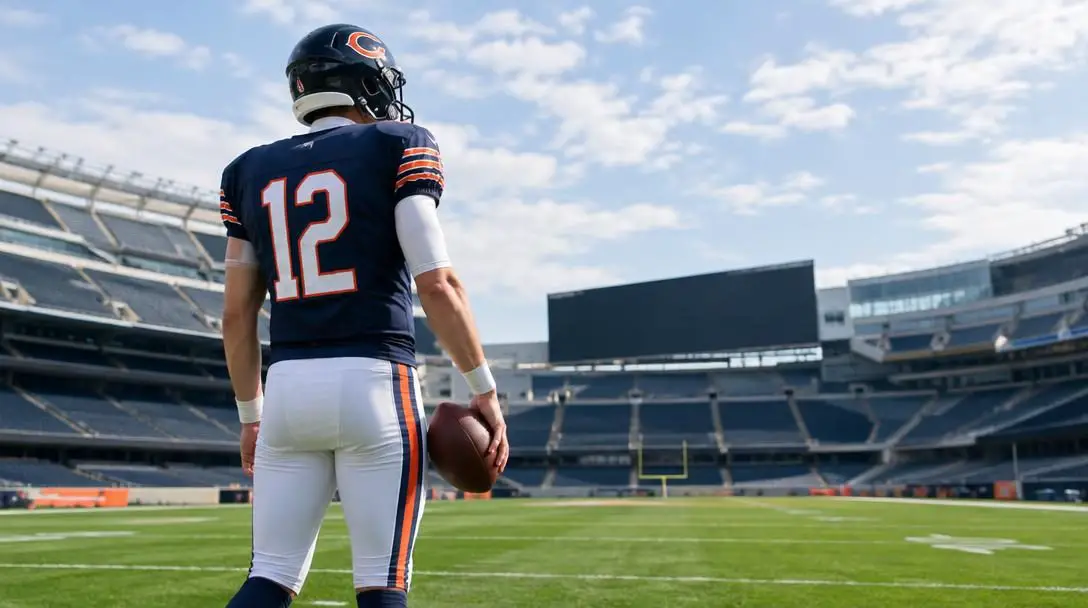
The Chicago Bears hold an iconic place in professional football lore, defined by punishing defenses, legendary running backs, and passionate Midwest support. Over the decades, the franchise has executed franchise-altering free agent moves and unearthed Hall of Fame talents on draft day. Yet alongside those triumphs sits a catalog of painful misses that still haunt fans and front-office historians.
What makes these missteps particularly agonizing is that many were not caused by an absence of raw talent. Several high-profile Bears entered the league armed with exceptional athletic ability and championship pedigrees, only to be undone by catastrophic injuries, clubhouse discord, or personal battles. Examining the five biggest what-could-have-been careers in Chicago history reveals the precarious nature of life on the gridiron and how rapidly fortunes can unravel.
Key takeaways
- Severe knee injuries derailed the ceiling of legendary back Gale Sayers and cut short the promising career of Curtis Enis.
- Contract standouts and off-field struggles undermined premier investments like Cedric Benson and Heisman Trophy winner Rashaan Salaam.
- Aggressive draft trades can carry severe opportunity costs, as seen when Chicago traded up for Mitchell Trubisky while future All-Pro quarterbacks remained on the board.
- A player's ultimate success hinges as much on institutional stability, medical durability, and scheme fit as it does on raw collegiate talent.
At a glance: Five careers altered by fate
Every draft choice carries inherent risk, but early-round investments demand immediate production. When high-profile stars succumb to physical trauma or organizational friction, the entire franchise feels the aftershocks for years.
| Player | Draft Position / Year | College Program | Primary Derailment Factor |
|---|---|---|---|
| Rashaan Salaam | 1st Round (1995) | Colorado | Injuries and off-field struggles |
| Curtis Enis | 5th Overall (1998) | Penn State | Torn knee ligament and lingering joint issues |
| Cedric Benson | 4th Overall (2005) | Texas | Rookie holdout, poor scheme fit, and injuries |
| Mitchell Trubisky | 2nd Overall (2017) | North Carolina | Inconsistent passing and elite draft opportunity cost |
| Gale Sayers | 4th Overall (1965) | Kansas | Multiple catastrophic knee injuries |
Ranking the five biggest what-could-have-been Bears
The following five players represent the most tantalizing cases of untapped potential in Bears history, ranging from Heisman Trophy winners to generational runners whose careers were stopped in their tracks.
Rashaan Salaam
- Draft Year: 1995
- College: Colorado
- Rookie Season Stat: 1,074 rushing yards, 10 touchdowns
- Subsequent Team: Cleveland Browns (1999)
Rashaan Salaam entered the league carrying the prestige of the 1994 Heisman Trophy, which he captured after a historic season with the Colorado Buffaloes. When Chicago picked him late in the first round of the 1995 draft, the acquisition looked like an undeniable bargain. Salaam justified that optimism immediately by turning in a historic rookie campaign, rushing for 1,074 yards and scoring 10 touchdowns. His punishing running style and open-field speed appeared to cement the Bears backfield for the foreseeable future.
The momentum vanished almost overnight. During his sophomore season, lingering physical ailments cut his rushing production in half. Compounding his physical challenges were serious off-the-field battles and substance abuse issues. By his third year in Chicago, Salaam was limited to just three games, rendering him unable to reclaim his rookie dominance. He exited the franchise shortly thereafter, eventually logging a single rushing attempt with the Cleveland Browns in 1999. Had personal issues and injuries not disrupted his trajectory, Salaam possessed the natural tools to be one of Chicago's enduring greats.
Curtis Enis
- Draft Year: 1998 (5th overall)
- College: Penn State
- Career High Season: 916 rushing yards, 3 touchdowns (1999)
- Final NFL Team: Cleveland Browns (2001)
Few collegiate prospects generated more excitement in the late 1990s than Curtis Enis. A physical powerhouse out of Penn State, Enis possessed the classic build and contact balance that traditional Chicago offenses craved. When the Bears invested the fifth overall pick on him in 1998, analysts anticipated a plug-and-play cornerstone. However, professional adversity hit almost immediately.
Enis managed only one start during his rookie campaign before suffering a devastating torn knee ligament. Although he demonstrated resilience by returning to play in his second season, tallying 916 rushing yards and three touchdowns, he clearly lacked the sudden burst and lateral agility that had made him uncatchable in college. Lingering joint pain and secondary physical ailments worsened steadily. In his final year with the Bears in 2000, Enis logged just 36 carries. He signed with the Cleveland Browns in 2001 but never suited up for game action, bringing a premature close to a once-promising professional journey.
Cedric Benson
- Draft Year: 2005 (4th overall)
- College: Texas
- Key Bears Stat: 3.4 yards per carry as full-time starter
- Subsequent Team: Cincinnati Bengals
The Bears sought to revitalize their running attack during the 2005 draft by selecting University of Texas standout Cedric Benson with the fourth overall selection. Expectations were immense, but the partnership was fractured from the start. Benson had voiced reluctance about playing for Chicago leading up to the draft, and he staged an extensive rookie holdout that caused him to miss all of training camp.
That missed preparation stunted his integration into the locker room and offensive system. Benson was relegated to a reserve role behind veteran Thomas Jones during his first two seasons, generating little offensive momentum when called upon. When he finally inherited the starting mantle in his third year, he averaged an underwhelming 3.4 yards per carry before injuries struck again. Chicago ultimately severed ties with the running back. Benson later proved his high-end talent by revitalizing his career with the Cincinnati Bengals, stringing together productive seasons before injuries brought an end to his playing days in the early 2010s.
Mitchell Trubisky
- Draft Year: 2017 (2nd overall)
- College: North Carolina
- Tenure in Chicago: 4 seasons
- Subsequent Teams: Buffalo Bills, Pittsburgh Steelers
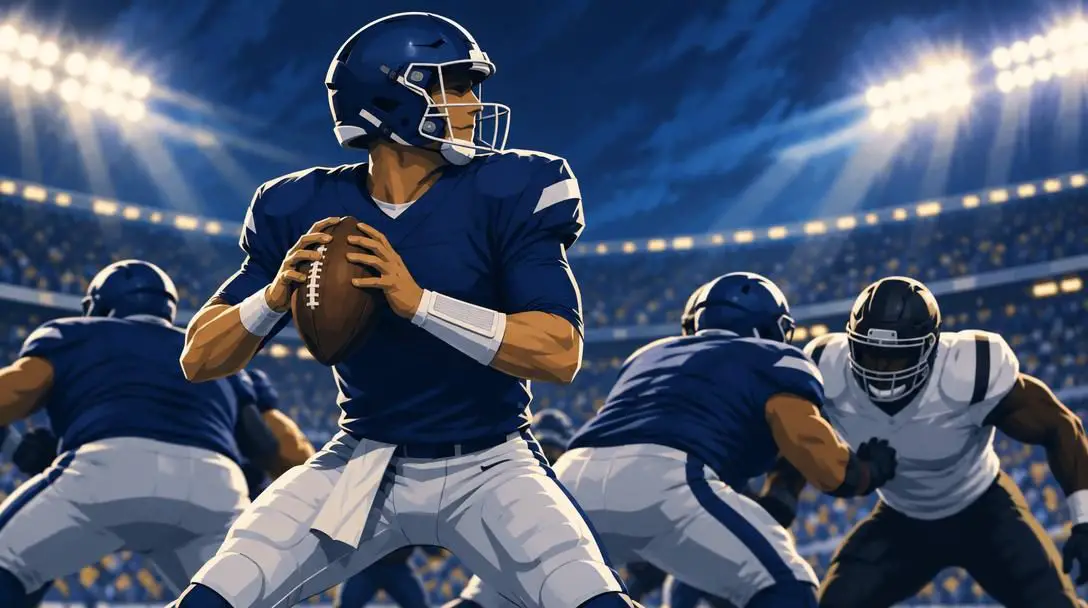
Chicago's search for an elite, homegrown quarterback led the front office to make an aggressive gamble during the 2017 NFL Draft. The Bears orchestrated a trade with the San Francisco 49ers to ascend to the second overall spot. With consensus collegiate stars like Patrick Mahomes and Deshaun Watson available on the draft board, Chicago stunned observers by choosing North Carolina signal-caller Mitchell Trubisky.
While Trubisky compiled a winning regular-season record during his four-year tenure in Chicago—largely propelled by an elite defensive unit—his passing efficiency, downfield accuracy, and pocket composure remained inconsistent. As Mahomes and Watson blossomed into All-Pro superstars elsewhere, Trubisky's inability to elevate the offense became an untenable distraction. Chicago declined to pick up his fifth-year contract option, allowing him to walk in free agency where he transitioned into backup roles for the Buffalo Bills and Pittsburgh Steelers.
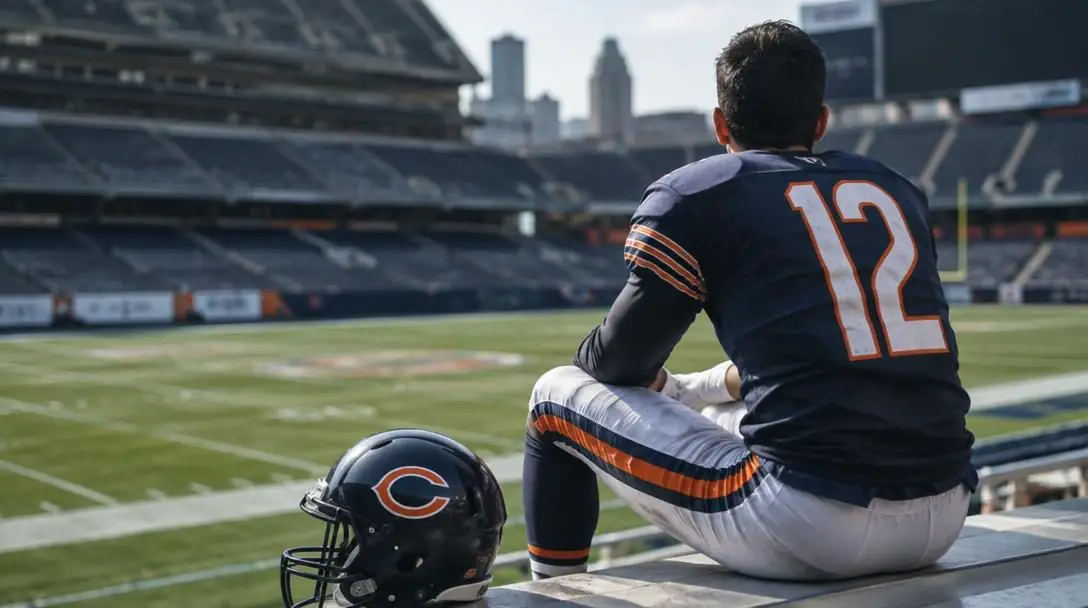
A high-draft trade does not merely risk a single player's future; it trades away the institutional opportunity to draft generational talents at the exact same position.
Gale Sayers
- Draft Year: 1965 (4th overall)
- College: Kansas
- Career Rushing Total: 4,956 yards
- Rushing Average: Well over 5.0 yards per carry
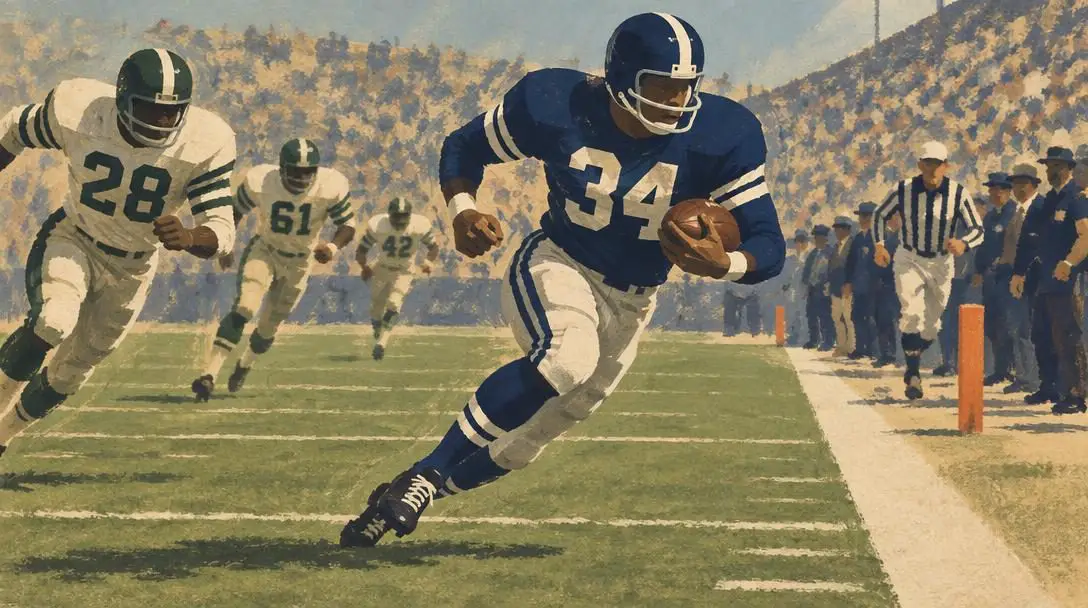
Gale Sayers was not merely a premier running back; he was an artist in open space. Selected fourth overall in 1965 out of Kansas, "The Kansas Comet" captivated the football world with unprecedented vision, body control, and acceleration. In just his second professional season, Sayers captured the NFL rushing crown despite sharing backfield carries with teammate Brian Piccolo. His blend of speed and effortless change of direction made him an immediate icon.
Tragedy struck in his fourth year when Sayers suffered a catastrophic knee injury. Through painstaking determination, he returned to the field, but two seasons later, he suffered a devastating injury to his other knee. In an era long before arthroscopic surgical breakthroughs, such trauma was practically a sporting death sentence. Despite playing through shortened seasons and failing joints, Sayers finished his storied career with 4,956 rushing yards, maintaining a remarkable average well over five yards per carry. His brilliant flashes leave football historians wondering if a fully healthy Sayers could have surpassed even Walter Payton as the definitive running back in Chicago history.
The anatomy of draft evaluation and roster management
Understanding why top-tier prospects derail requires looking beyond sheer bad luck. Translating collegiate dominance to the NFL requires synchronized execution across medical, financial, and tactical dimensions.
- Pre-Draft Medical Screening: Front offices review joint integrity, soft-tissue wear, and previous surgical interventions to evaluate an athlete's physical shelf life.
- Contract Negotiation and Onboarding: Finalizing rookie contracts quickly ensures that young players participate in every install during offseason minicamps and training camp.
- Workload Calibration: Medical and coaching staffs monitor practice repetitions and game-day contact to protect high-impact positions from premature degradation.
- Tactical Scheme Adaptation: Offensive coordinators develop systems tailored around a young player's strengths rather than demanding mastery of alien schemes overnight.
- Roster Audits and Asset Protection: Teams must objectively review rookie performance to determine when to exercise options, execute trades, or part ways cleanly.
Mistakes that derail promising young talent
Looking back at Chicago's missed opportunities highlights recurring organizational and personal missteps that routinely derail top prospects across the league:
- Drafting for athletic profile over scheme alignment: Overvaluing raw measurables without verifying whether the prospect's style suits the offensive playbook.
- Pushing players through joint trauma: Forcing athletes back onto the field before structural repairs and surrounding muscular support are completely restored.
- Ignoring red flags during pre-draft vetting: Overlooking contract friction, collegiate holdout warnings, or personal off-field challenges.
- Overpaying in draft-day trades: Surrendering vital draft assets to move up for unproven prospects, stripping the franchise of future depth.
- Neglecting professional support systems: Failing to provide proper psychological counseling, mentorship, and life-skills infrastructure for newly enriched rookies.
Frequently asked questions
Why is Gale Sayers considered a what-could-have-been player if he is a Hall of Famer?
Although Gale Sayers reached the Pro Football Hall of Fame based on his transcendent early play, catastrophic knee injuries to both legs cut his peak drastically short. Had modern medicine allowed him to play a full, uninterrupted career, many historians believe he might have set unreachable rushing standards and rivaled Walter Payton as Chicago's undisputed greatest back.
Which quarterbacks did Chicago pass on to draft Mitchell Trubisky in 2017?
When the Bears traded up with the San Francisco 49ers to select Mitchell Trubisky second overall, both Patrick Mahomes and Deshaun Watson were still on the board. Mahomes went on to become an NFL MVP and multi-time champion with the Kansas City Chiefs, compounding the frustration of Chicago's pick.
Did Cedric Benson find success after leaving the Chicago Bears?
Yes. After struggling with contract disputes, injuries, and a low 3.4 yards per carry average in Chicago, Benson signed with the Cincinnati Bengals. In Cincinnati, he revitalized his career as a dependable starting running back, enjoying multiple strong seasons before retiring in the early 2010s.
What caused Rashaan Salaam's rapid decline after his 1,000-yard rookie year?
Rashaan Salaam burst onto the scene with 1,074 yards and 10 touchdowns in 1995, but his sophomore season was cut in half by physical injuries. Those physical ailments, combined with mounting off-field difficulties and substance abuse challenges, limited him to just three games in his third year and ended his Bears tenure prematurely.
How common were severe knee injuries in the era of Curtis Enis and Gale Sayers?
Severe ligament tears were historically devastating for running backs. During Sayers' era in the 1960s, knee surgeries were highly invasive, and modern arthroscopic techniques did not exist. By the time Curtis Enis tore his knee ligament in 1998, surgical methods had improved, but loss of lateral explosion remained a common career derailer.
The bottom line
The history of the Chicago Bears is filled with championship triumphs, legendary defensive units, and historic individual achievements. Yet alongside those celebrated moments sits the sobering reality of unfinished business. Whether through the cruel timing of knee injuries suffered by Gale Sayers and Curtis Enis, the organizational disconnect experienced by Cedric Benson, the draft capital lost on Mitchell Trubisky, or the personal battles that stopped Rashaan Salaam, these what-could-have-been stories provide a poignant reminder of how narrow the margin is between gridiron greatness and unrealized promise.