5 Classic Games In Newcastle United History
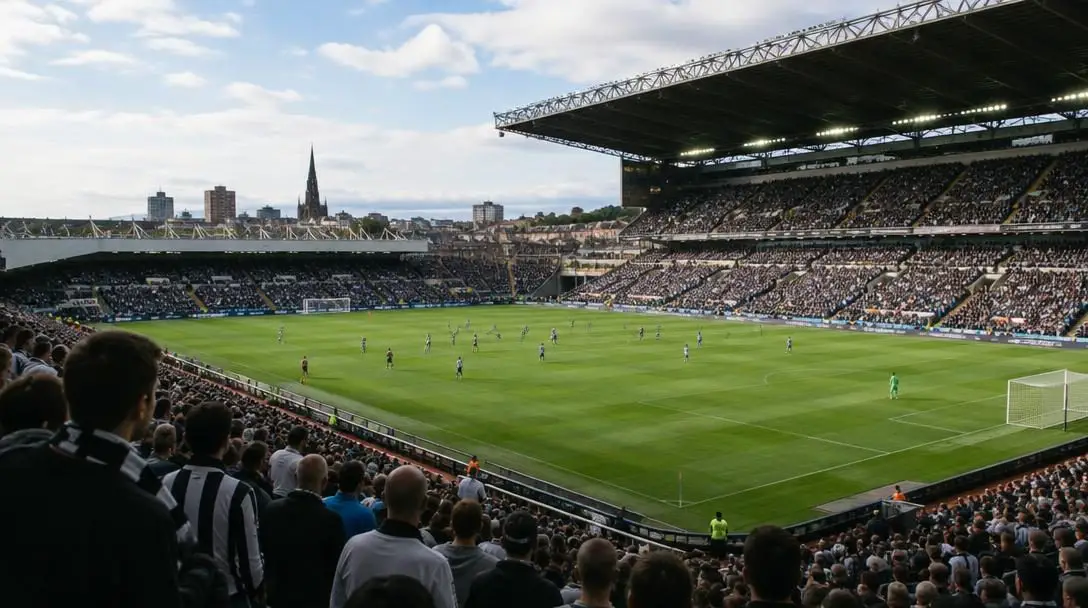
Newcastle United occupies an enduring place in English football history, tracing its lineage back to 1892 when rival local sides Newcastle West End and Newcastle East End joined forces. Since that decisive union, the Magpies have contested thousands of competitive matches, navigating regional leagues, top-flight domestic campaigns, and grueling continental tournaments. Their long journey has seen the club lift domestic knockout silverware, claim European honors, and contest fierce title battles on the sport's biggest stages.
At the center of this identity sits St. James' Park, an iconic venue that has witnessed decades of unforgettable goals, defensive battles, and tactical triumphs. While the team's record books span well over a century of fixtures, certain outings stand apart as definitive milestones. The five classic games explored here reflect distinct eras across several decades, capturing dominant Premier League scorelines, memorable knockout triumphs at Wembley Stadium, and historic steps toward major silverware.
Key takeaways
- Newcastle United formed in 1892 through the historic merger of Newcastle West End and Newcastle East End.
- The club's record Premier League victory came in the 1999–2000 season with an 8-0 demolition of Sheffield Wednesday featuring five goals from Alan Shearer.
- Newcastle secured their sixth FA Cup trophy in 1955 by defeating Manchester City 3-1 in front of 100,000 spectators at Wembley Stadium.
- A 3-0 first-leg triumph against Hungarian side Ujpest FC propelled Newcastle to the 1968–1969 Inter-Cities Fairs Cup championship.
- A 5-0 win over Manchester United in 1996 avenged previous league and Charity Shield heartbreak with five separate Magpies finding the net.
Five legendary fixtures that defined the Magpies
Every football club measures its heritage through iconic scorelines, unforgettable individual showcases, and games that settle fierce rivalries. For Newcastle United, these standout fixtures highlight clinical goalscoring runs, continental glory, and triumphant returns to major domestic finals after decades-long waits.
| Fixture | Competition | Season | Final Score | Key Milestone |
|---|---|---|---|---|
| Newcastle United vs. Sheffield Wednesday | Premier League | 1999–2000 | 8-0 | Largest Premier League win in club history |
| Newcastle United vs. Manchester City | FA Cup Final | 1954–1955 | 3-1 | Sixth FA Cup triumph in club history |
| Newcastle United vs. Ujpest FC | Inter-Cities Fairs Cup Final (1st Leg) | 1968–1969 | 3-0 | Decisive victory en route to European silverware |
| Newcastle United vs. Southampton | EFL Cup Semifinal (Series) | 2022–2023 | 3-1 (agg) | First major domestic cup final since 1976 |
| Newcastle United vs. Manchester United | Premier League | 1996–1997 | 5-0 | Comprehensive revenge win with five individual scorers |
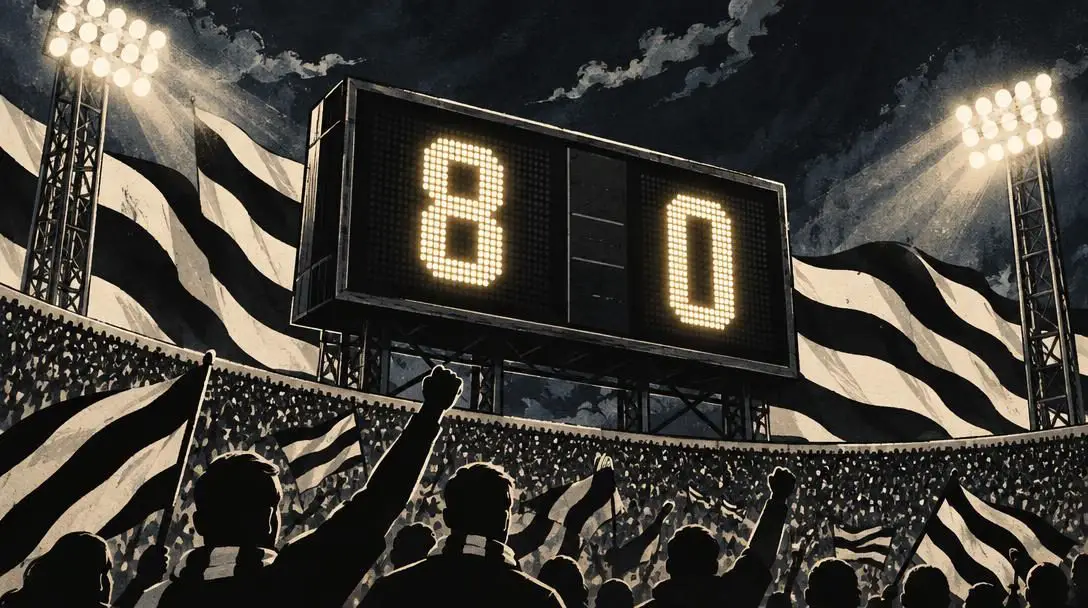
Newcastle United 8-0 Sheffield Wednesday (1999-2000)
- Competition: Premier League (Matchday 8)
- Date / Season: 1999–2000
- Key Performer: Alan Shearer (5 goals)
- Significance: Largest Premier League victory in Newcastle history
While Newcastle had enjoyed considerable success across their history, they were not widely known for utterly dismantling opposing top-flight defenses by historical margins in the modern era. That dynamic changed completely on the eighth matchday of the 1999–2000 Premier League campaign when Sheffield Wednesday arrived at St. James' Park. Aaron Hughes opened the floodgates for the Magpies in the 11th minute, setting an aggressive, unrelenting tempo that completely overwhelmed the visitors.
Following that initial breakthrough, striker Alan Shearer delivered one of the most ruthless scoring displays in English league history. Shearer registered three first-half goals, which included a cleanly converted penalty kick in the 33rd minute, to establish total control before the interval. Rather than easing off in the second half, Newcastle pressed their advantage. Shearer added two additional strikes to push his personal single-match tally to five goals, while Kieron Dyer and Gary Speed each added a goal of their own. The final whistle marked an extraordinary 8-0 victory, setting an all-time club benchmark for margin of victory in the Premier League. By season's end, Sheffield Wednesday suffered relegation, while Newcastle concluded their campaign in 11th place.
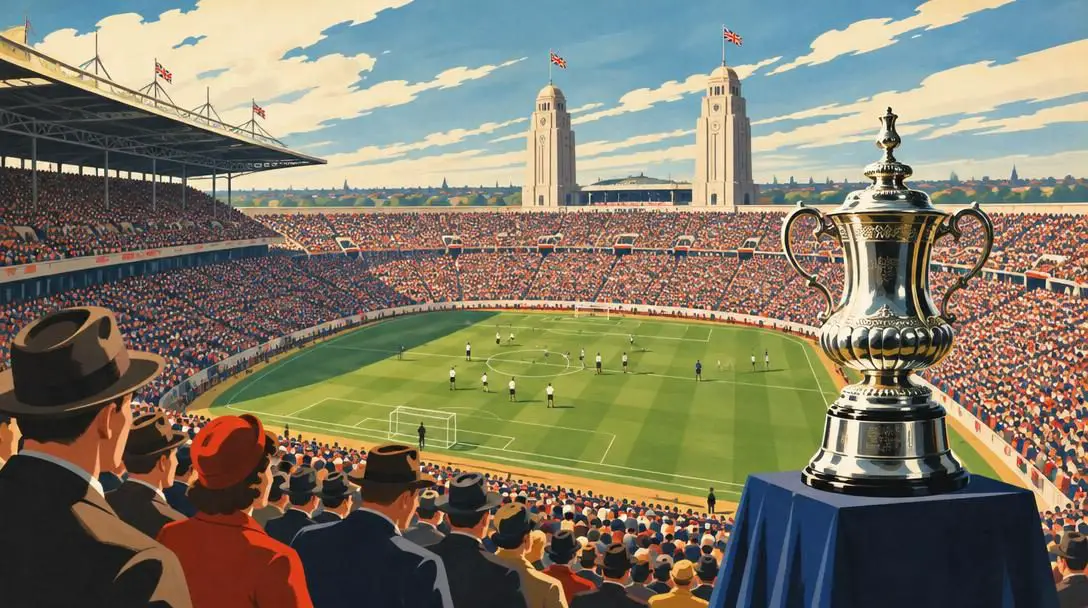
Newcastle United 3-1 Manchester City (1955 FA Cup Final)
- Competition: FA Cup Final
- Venue: Wembley Stadium
- Attendance: 100,000 spectators
- Key Milestone: Newcastle's sixth FA Cup title
Newcastle United has lifted the FA Cup six times, with their early-to-mid twentieth-century teams establishing the club as a knockout tournament powerhouse. Their most recent triumph in the prestigious competition occurred in 1955, capping an exceptional tournament run. The Magpies opened their cup campaign in the third round with a tight 1-0 win over Plymouth Argyle before maneuvering past Brentford, Nottingham Forest, Huddersfield Town, and York City to book their place at Wembley Stadium.
Manchester City reached the final after dispatching Sunderland, setting up a heavyweight showdown before a crowd of 100,000 spectators. Newcastle wasted no time seizing momentum, as legendary forward Jackie Milburn struck in the very first minute of play. Manchester City equalized shortly before halftime through Robert Johnstone, but Newcastle responded with composure in the second half. Robert Mitchell restored the lead in the 52nd minute, and George Hannah added a third in the 59th minute. The 3-1 result secured Newcastle's sixth FA Cup championship, closing out an unforgettable chapter of domestic silverware.
Newcastle United 3-0 Ujpest FC (1968-1969 First Leg)
- Competition: Inter-Cities Fairs Cup Final
- Season: 1968–1969
- Opponent: Ujpest FC (Hungary)
- Key Performer: Robert Moncur (2 goals in 10 minutes)
Before continental football was reorganized under modern UEFA tournament structures, clubs across the continent contested the Inter-Cities Fairs Cup. Originally established to promote international trade fairs, the competition blossomed into a formidable European championship featuring many of the continent's top sides. Newcastle United launched an ambitious campaign during the 1968–1969 tournament, eliminating Sporting Clube de Portugal, Real Zaragoza, Vitoria de Setubal, and Scottish giants Rangers FC to advance to the two-legged final against Hungarian powerhouse Ujpest FC.
The first leg took place at St. James' Park and proved to be the decisive fixture of the entire tie. After a tense, goalless opening 45 minutes, Newcastle seized complete command of the match in the second half. Defender Robert Moncur delivered an improbable attacking sequence, scoring two goals in the space of ten minutes, before James Scott found the net to seal an emphatic 3-0 victory. This commanding three-goal cushion gave Newcastle an insurmountable advantage, placing the Inter-Cities Fairs Cup trophy firmly in their grasp and securing continental glory before the competition was phased out in the early 1970s.
Southampton Semifinal Series (2022-2023 EFL Cup)

- Competition: EFL Cup (Semifinal tie)
- Season: 2022–2023
- Key Performers: Joelinton (1st leg winner), Sean Longstaff (2 goals)
- Context: First major domestic cup final appearance since 1976
Newcastle United contested the League Cup final in 1976, but nearly fifty years passed before the Magpies returned to that concluding stage. That half-century drought was finally snapped during the 2022–2023 season under an inspired cup run. Entering the tournament in the second round, Newcastle defeated Tranmere Rovers, edged past Crystal Palace via a penalty shootout, and collected consecutive victories over Premier League rivals Bournemouth and Leicester City to book a semifinal clash with Southampton.
The two-legged semifinal delivered immense drama over 180 minutes of high-stakes football. In the opening leg on the road at St Mary's Stadium, Newcastle secured a vital 1-0 advantage courtesy of a 73rd-minute finish by Joelinton. In the return leg at a raucous St. James' Park, midfielder Sean Longstaff ignited the home support by finding the back of the net in the fifth and 21st minutes. Southampton pulled a goal back in the 29th minute to create a tense finish, but Newcastle held their defensive shape to secure aggregate victory. Although Newcastle were ultimately defeated by Manchester United in the final, this semifinal series signaled the club's long-awaited return to major domestic finals.
Newcastle United 5-0 Manchester United (1996-1997)

- Competition: Premier League (Matchday 10)
- Season: 1996–1997
- Opponent: Manchester United
- Distinct Feature: Five different goalscorers
Throughout the mid-1990s, Manchester United stood as the ultimate roadblock to Newcastle United's championship dreams. In the 1995–1996 Premier League season, Manchester United chased down Newcastle to claim the league crown, denying the Magpies their first league championship in nearly 70 years. The Red Devils dealt another blow ahead of the 1996–1997 season, handing Newcastle a demoralizing 4-0 defeat in the 1996 Charity Shield. When the sides met on matchday ten at St. James' Park, Newcastle arrived determined to deliver an emphatic response.
Entering the match riding a six-game winning streak, Newcastle attacked aggressively from the opening whistle. Darren Peacock started the scoring in the 12th minute, sending the sold-out home crowd into delirium. Newcastle never took their foot off the gas, adding four additional strikes across the remainder of the match. Remarkably, each of the five goals was scored by a different player, showcasing an exceptional collective team performance that culminated in an unforgettable 5-0 victory over their primary rivals.
Past fixtures fulfill vital roles for modern clubs by establishing benchmarks, preserving shared heritage, and fueling long-standing rivalries.
How historical matches shape modern football clubs
Historic sporting fixtures exert an influence that extends far beyond the final whistle of an individual ninety-minute match. For top-tier football clubs, past results establish a living heritage that informs modern expectations and competitive aspirations.
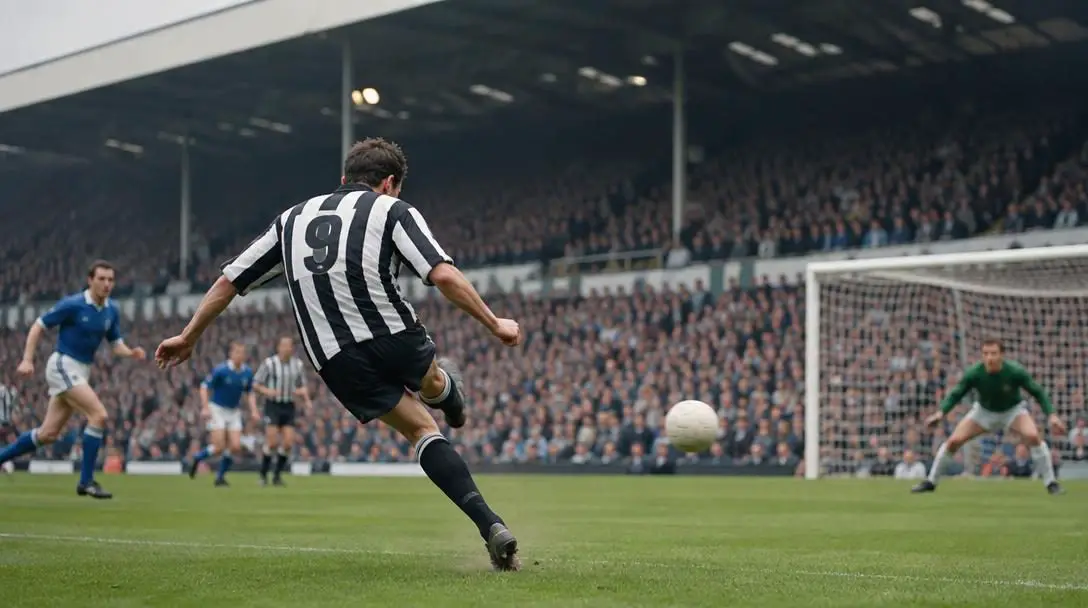
High-scoring performances, such as the 8-0 rout of Sheffield Wednesday, establish attacking benchmarks that future rosters strive to emulate. These fixtures serve as proof of what can be accomplished when tactical preparation and individual finishing align. Similarly, lifting major silverware—such as the 1955 FA Cup or the 1968–1969 Inter-Cities Fairs Cup—gives players, managers, and supporters a concrete standard of excellence, connecting modern squads directly to generations of past champions.
Decisive victories against traditional adversaries also forge club culture. The 5-0 dismantling of Manchester United in 1996 transformed an agonizing league rivalry into an empowering chapter of club folklore, ensuring subsequent meetings carried enhanced significance. Furthermore, breakthrough tournament campaigns like the 2022–2023 EFL Cup run revitalize supporter enthusiasm and demonstrate a club's ability to compete on the biggest domestic stages after decades of frustration.
Practical steps for researching classic club matches
Sports historians, researchers, and dedicated supporters seeking a deeper understanding of classic Newcastle matches can employ several proven research methods to analyze historic games thoroughly.
- Trace the complete tournament path: Rather than viewing a final in isolation, track every preliminary round. Understanding how Newcastle defeated Plymouth Argyle, Brentford, Nottingham Forest, Huddersfield Town, and York City in 1955, or Tranmere Rovers, Crystal Palace, Bournemouth, and Leicester City in 2022–2023, contextualizes the difficulty of tournament football.
- Review official matchday logs and minute-by-minute reports: Consult club archives and newspaper logs to inspect the timing of critical plays. Noting rapid scoring sequences, such as Sean Longstaff's brace against Southampton or Robert Moncur's two strikes inside ten minutes against Ujpest FC, clarifies shifts in match momentum.
- Examine the opponent's contemporary form: Analyze the competitive trajectory of the opposing team at that specific point in time. Evaluating Sheffield Wednesday's subsequent relegation in 1999–2000 or Manchester City's path through Sunderland in 1955 highlights the strengths and vulnerabilities of each opponent.
- Analyze previous head-to-head records: Explore the previous fixtures between the clubs to identify underlying psychological dynamics. Reviewing Manchester United's 1995–1996 title triumph and their 4-0 Charity Shield win illustrates the emotional fuel driving Newcastle's 5-0 revenge performance.
Common mistakes when analyzing football history
When studying historic matches from past eras, researchers and casual fans often fall into common traps that distort the broader context of significant victories.
- Confusing vintage tournament structures with modern formats: Assuming older tournaments mirrored today's competitions leads to historical inaccuracies. The Inter-Cities Fairs Cup initially required participants to come from cities hosting international trade fairs, operating under very different eligibility guidelines than the modern UEFA Europa League.
- Focusing solely on leading goalscorers: While individual feats—like Alan Shearer's five goals against Sheffield Wednesday or Jackie Milburn's opening-minute strike in 1955—draw prominent headlines, victories are built on team execution. In the 5-0 win over Manchester United, five separate players scored, demonstrating a balanced team attack.
- Assuming consistent cup final cycles: Supporters sometimes assume top clubs reach domestic finals every few years. As demonstrated by the nearly fifty-year gap between Newcastle's 1976 League Cup final appearance and their 2022–2023 EFL Cup run, competing for major honors can involve extended droughts.
- Diminishing wins against struggling opponents: It is common to undervalue historic victories if the defeated club experienced later struggles, such as Sheffield Wednesday's relegation in 2000. However, registering eight goals without reply remains an extraordinary feat regardless of an opponent's eventual league standing.
Additional areas of Newcastle United history to explore
Understanding Newcastle United's key fixtures opens several avenues for further historical exploration into the club's development across different eras.
- Pre-1892 origins: Researching the early regional football scene involving Newcastle East End and Newcastle West End reveals how the sporting culture of Tyneside developed prior to the pivotal merger.
- The transition of European club tournaments: Investigating the sunset of the Inter-Cities Fairs Cup in the early 1970s and the expansion of UEFA-sanctioned continental competitions illustrates the evolving structure of European football.
- Historical FA Cup dominance: Studying all six of Newcastle United's FA Cup triumphs provides a detailed picture of how domestic knockout tournaments served as the Magpies' primary avenue to major silverware during the first half of the twentieth century.
- The mid-1990s title challenges: Reviewing Newcastle's high-scoring campaigns throughout the 1990s demonstrates how the club consistently pushed the English football elite, laying the groundwork for iconic fixtures against top rivals.
Frequently asked questions
What is Newcastle United's biggest Premier League victory?
Newcastle United's largest win in Premier League history was an 8-0 victory against Sheffield Wednesday during the 1999–2000 season, highlighted by five goals from Alan Shearer alongside strikes from Aaron Hughes, Kieron Dyer, and Gary Speed.
When did Newcastle United last win the FA Cup?
Newcastle last won the FA Cup in 1955, defeating Manchester City 3-1 at Wembley Stadium in front of 100,000 spectators with goals from Jackie Milburn, Robert Mitchell, and George Hannah.
What European trophy has Newcastle United won?
Newcastle won the Inter-Cities Fairs Cup in the 1968–1969 season, establishing control of the final with a 3-0 first-leg victory over Hungarian side Ujpest FC behind two goals from Robert Moncur and one from James Scott.
How many players scored in Newcastle's 5-0 win over Manchester United in 1996?
Five different players scored in Newcastle's 5-0 win over Manchester United in the 1996–1997 season, starting with Darren Peacock in the 12th minute and followed by four additional teammates.
How long was Newcastle's League Cup final drought before the 2022–2023 season?
Newcastle went nearly fifty years without reaching the League Cup/EFL Cup final, having last appeared in the competition's final in 1976 before defeating Southampton across a two-legged semifinal in 2022–2023.
The bottom line
The history of Newcastle United is defined by unforgettable fixtures that showcase the club at its most dangerous, resilient, and inspired. From the scoring masterclass of an 8-0 league triumph to the storied silverware of Wembley in 1955 and continental victory in 1969, these five classic matches encapsulate the highs that have captured the imagination of generations of supporters. By examining the paths that led to these historic games and the lessons they offer, football enthusiasts gain a clear appreciation for the deep heritage of St. James' Park and the Magpies' enduring place in English football lore.