5 Classic Wrestling Matches
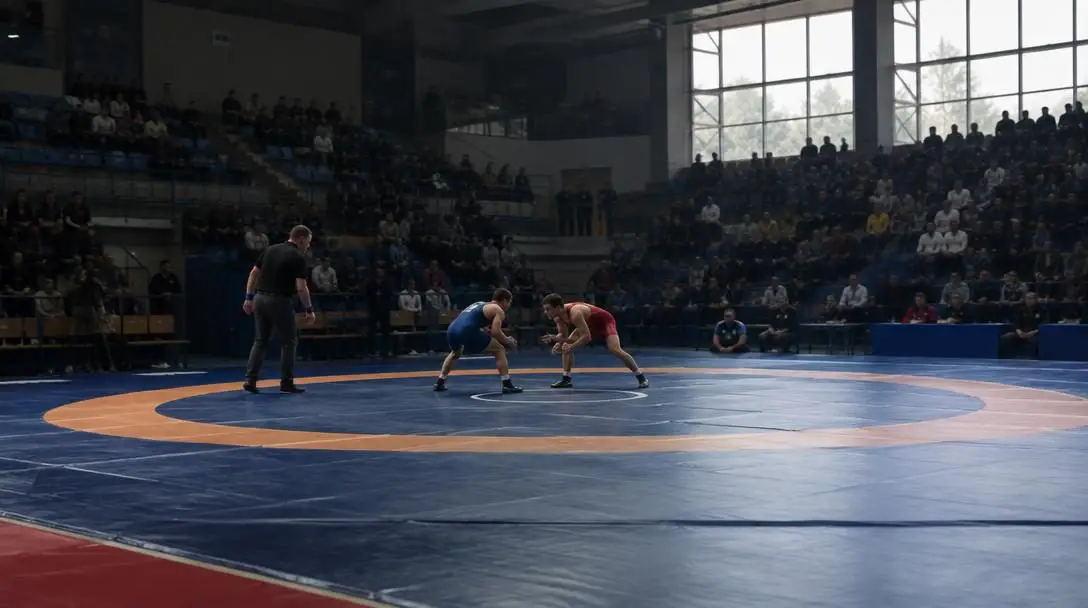
Professional wrestling combines physical execution, athletic endurance, and long-form theatrical storytelling. While annual showcases like WrestleMania frequently command international headlines, many of the industry's most influential confrontations have occurred across a broad spectrum of promotions, regional territories, and specialty pay-per-view broadcasts. These landmark encounters have pushed the boundaries of what competitors can achieve inside the squared circle.
From the disciplined technical masterclasses of the National Wrestling Alliance (NWA) to the chaotic, weapon-heavy brawls of the Attitude Era and high-stakes modern narratives, exceptional bouts earned their status through unforgettable drama. Examining the architecture of these classic bouts provides essential insight into how ring psychology, athletic pacing, and audience emotional investment transform an athletic exhibition into an enduring cultural touchstone.
Key takeaways
- Iconic wrestling matches earn classic status through exceptional technical skill, physical sacrifice, and compelling narrative stakes.
- Matches staged earlier on a pay-per-view card can completely outshine the scheduled main events through pacing and emotional resonance.
- Stipulations ranging from steel cages to street fights shift match dynamics from traditional grappling to tests of sheer endurance and survival.
- Storyline intrigue, such as genuine contract disputes or high-stakes employment threats, dramatically amplifies crowd atmosphere and suspense.
At a glance: Five historic encounters
The following table outlines five landmark matches that redefined expectations for technical wrestling, extreme stipulations, and narrative drama across major promotions.
| Match | Event and Year | Promotion | Stipulation or Stakes | Winner |
|---|---|---|---|---|
| Ricky Steamboat vs. Ric Flair | WrestleWar 1989 | NWA / WCW | NWA World Heavyweight Championship | Ric Flair |
| Bret Hart vs. "Stone Cold" Steve Austin | Survivor Series 1996 | WWF | Number One Contendership | Bret Hart |
| The Undertaker vs. Mankind | King of the Ring 1998 | WWF | Hell in a Cell Match | The Undertaker |
| Cactus Jack vs. Triple H | Royal Rumble 2000 | WWF | Street Fight (WWF Championship) | Triple H |
| CM Punk vs. John Cena | Money in the Bank 2011 | WWE | WWE Championship (Cena fired if he loses) | CM Punk |
Five landmark matches that transformed professional wrestling
Across different eras, promotions such as the National Wrestling Alliance, World Championship Wrestling, and WWE produced milestone clashes that altered the trajectories of performers and established new standards for in-ring excellence.
Ricky Steamboat vs. Ric Flair (WrestleWar 1989)
- Event: WrestleWar 1989: Music City Showdown
- Promotion: NWA / WCW
- Stakes: NWA World Heavyweight Championship
- Duration: Over 30 minutes
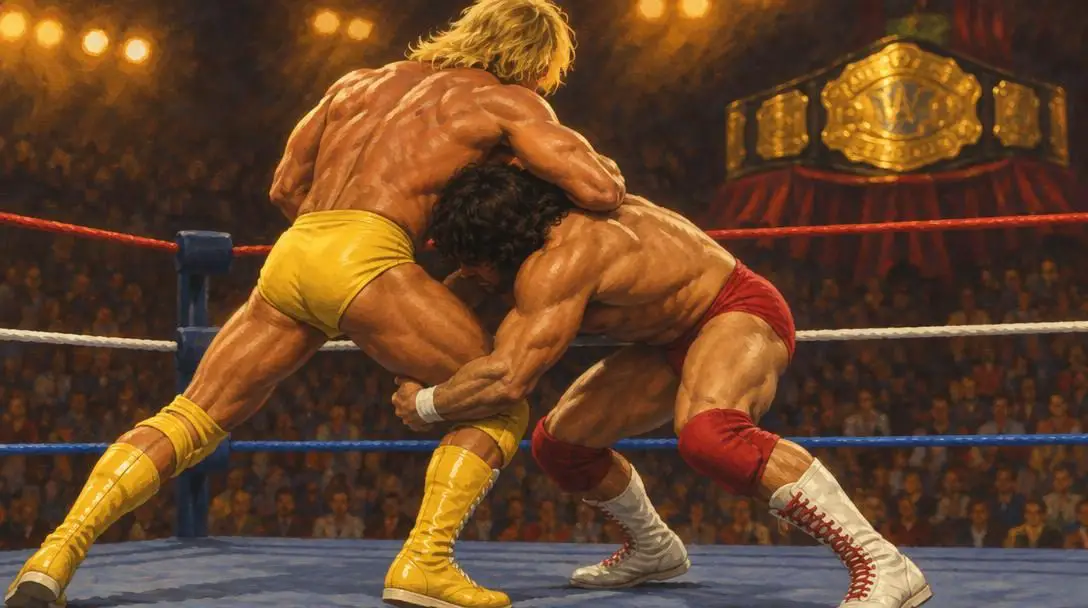
Staged during an era when World Championship Wrestling worked hand-in-hand with the National Wrestling Alliance before establishing itself as an independent promotion, this clash served as a benchmark for athletic purity. Dubbed the Music City Showdown, the event featured a stacked card, yet this championship contest eclipsed everything around it. Ricky Steamboat and Ric Flair engaged in a fluid, relentless battle of holds, counters, and conditioning that lasted for more than 30 minutes.
Despite two separate tag team title matches scheduled after them on the broadcast, Flair and Steamboat stole the entire show. The match concluded when Flair managed to secure a decisive pinfall victory to capture the NWA World Heavyweight Championship. Critics and observers immediately awarded the contest five-star ratings across the board, and it retains a reputation among wrestling historians as the greatest American wrestling match ever executed.
Bret Hart vs. "Stone Cold" Steve Austin (Survivor Series 1996)
- Event: Survivor Series 1996
- Promotion: WWF
- Stakes: Number one contendership for the WWF Championship
- Duration: Nearly 30 minutes
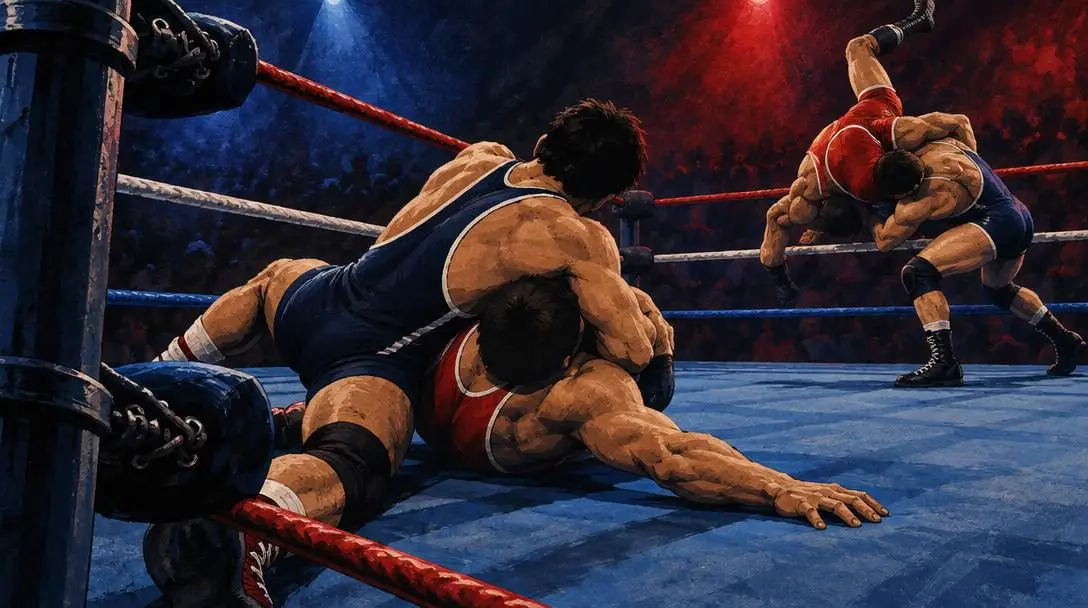
By late 1996, the World Wrestling Federation was on the precipice of a tonal revolution. When Bret Hart returned to face the abrasive, foul-mouthed "Stone Cold" Steve Austin, there was no championship belt on the line. Contested solely to determine the number one contendership for the WWF Championship, the match nevertheless served as the emotional core of the entire pay-per-view broadcast.
For nearly a half hour, Hart and Austin engaged in an intense, gritty exhibition that bridged traditional scientific wrestling and emergent brawling. The closing sequence delivered a masterclass in counter-wrestling: Austin locked in his signature submission hold and appeared on the verge of victory, only for Hart to kick off the turnbuckle and reverse the maneuver into a surprise pinfall. Austin sat stunned in the center of the ring, but his defiant performance established the foundation for his historic rise and signaled the dawn of the Attitude Era.
The Undertaker vs. Mankind (King of the Ring 1998)
- Event: King of the Ring 1998
- Promotion: WWF
- Stipulation: Hell in a Cell match
- Match outcome: The Undertaker won via pinfall
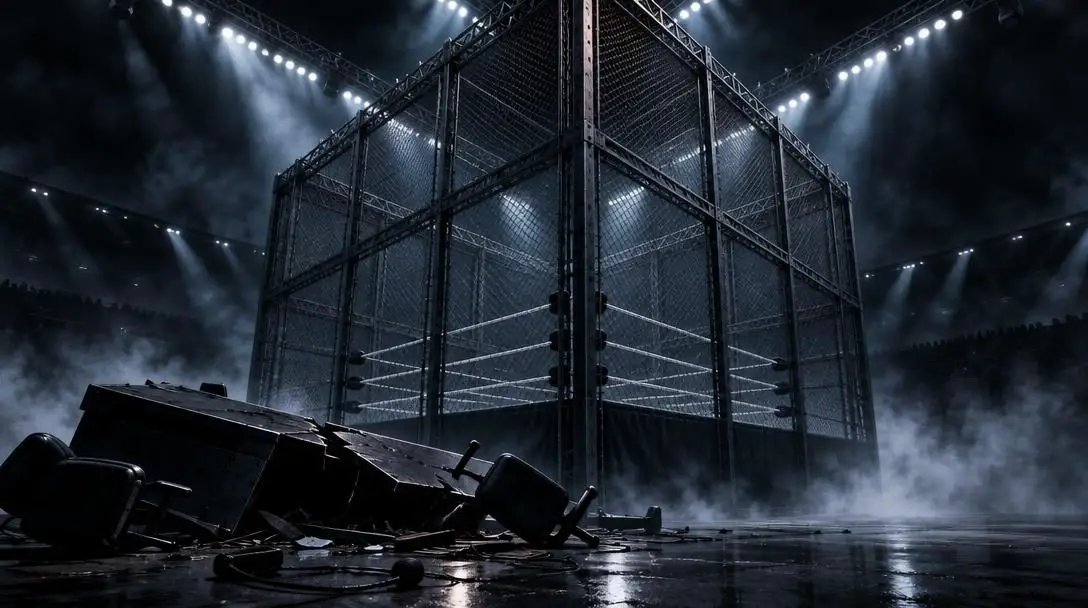
Hardcore wrestling reached a shocking mainstream peak inside the towering steel structure known as Hell in a Cell. Mick Foley, competing under his unhinged Mankind persona, entered the match known for absorbing immense physical punishment, but the events of King of the Ring 1998 defied all prior expectations. While the tournament final later in the evening saw Ken Shamrock defeat The Rock, Foley and The Undertaker contested the longest match of the night and created an enduring cultural phenomenon.
Moments into the contest, The Undertaker hurled Mankind from the roof of the steel cage, sending him crashing through the announcers' table below. Foley survived the fall without fatal or catastrophic injury, climbed back up, and was subsequently slammed through the cage roof directly into the ring. The Undertaker ultimately claimed the pinfall victory, but Foley's unprecedented durability and determination permanently cemented his reputation as an immortal hardcore legend.
Cactus Jack vs. Triple H (Royal Rumble 2000)
- Event: Royal Rumble 2000
- Promotion: WWF
- Stipulation: Street Fight for the WWF Championship
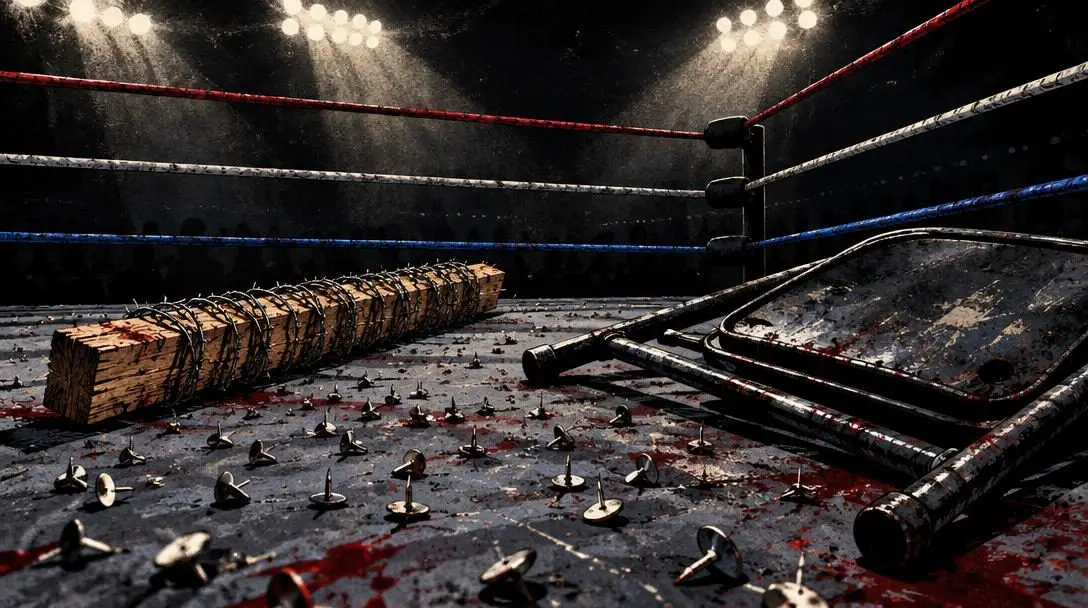
- Featured weapons: Chairs, two-by-fours, barbed wire, and thumbtacks
Mick Foley revived another of his notorious alter egos, Cactus Jack, to challenge Triple H for the WWF Championship in an uncompromising street fight. The pay-per-view card was filled with historic moments, including The Rock winning the 30-man Royal Rumble match and the Hardy Boyz triumphing in a triple threat tables match. However, the street fight served as the featured main event prior to the Rumble itself, delivering an intensely violent, deeply personal narrative.
Spanning nearly 30 minutes, the confrontation abandoned traditional rules in favor of visceral combat. Competitors utilized steel chairs, wooden two-by-fours, barbed wire, and thousands of thumbtacks scattered across the canvas. Triple H withstood severe lacerations and heavy punishment to secure the victory and retain his title, proving his legitimacy as a top-tier champion while Cactus Jack once again highlighted the emotional power of brutal, weapon-based storytelling.
CM Punk vs. John Cena (Money in the Bank 2011)
- Event: Money in the Bank 2011
- Promotion: WWE
- Stakes: WWE Championship (Cena fired if defeated)
- Duration: 33 minutes
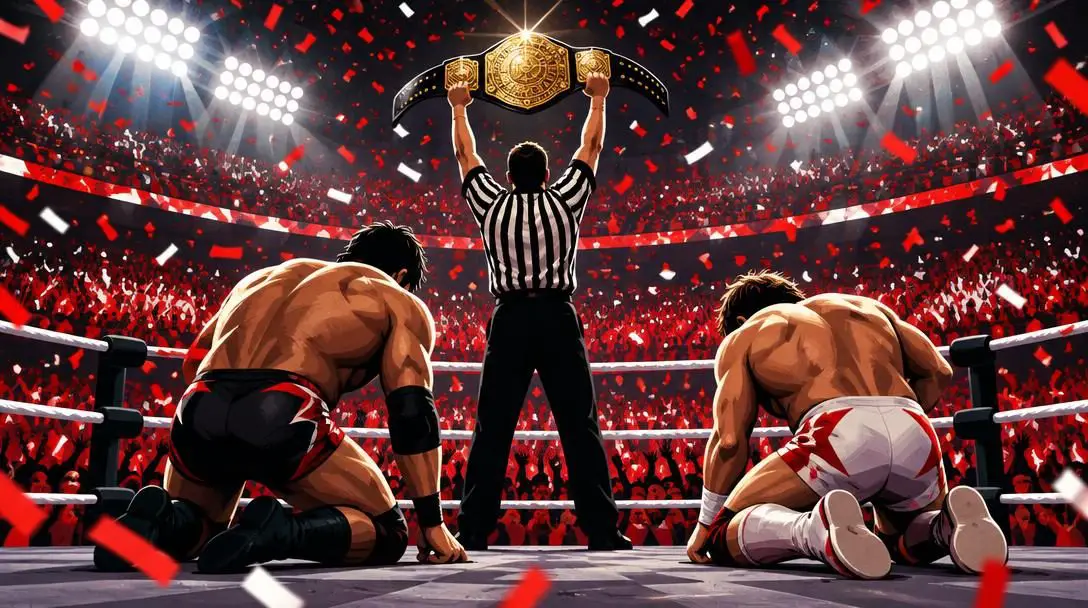
Staged in front of a thunderous hometown audience in Chicago, this clash showcased the heights of modern reality-infused wrestling drama. CM Punk challenged franchise cornerstone John Cena for the WWE Championship, boldly asserting that he would walk out of the company with the title belt upon the expiration of his contract that very midnight. WWE Chairman Vince McMahon heightened the stakes by decreeing that if Cena lost, he would be summarily fired.
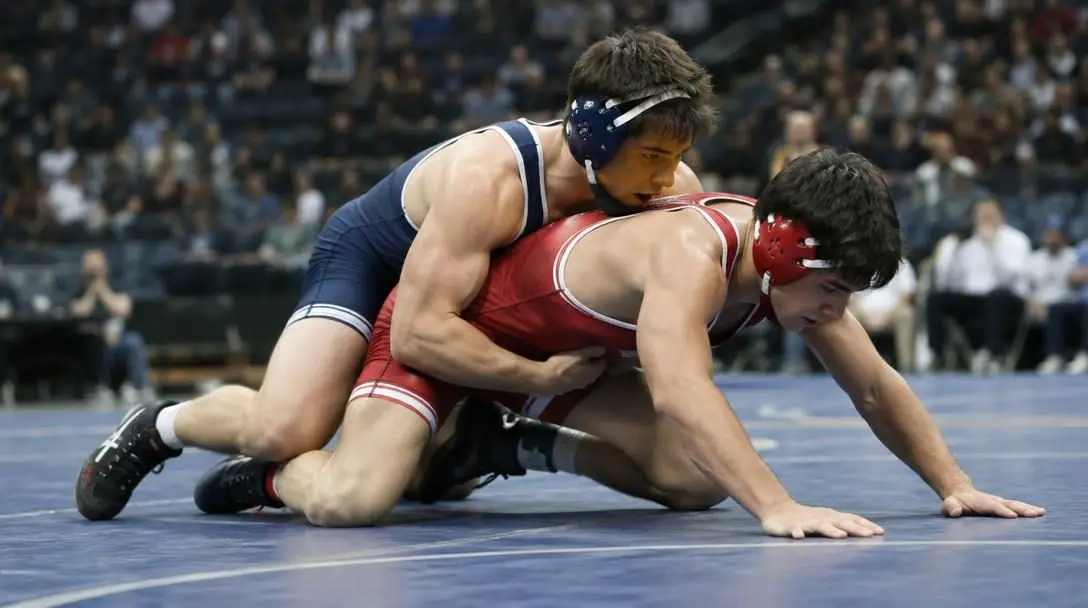
Unbeknownst to the fans packing the arena, Punk had secretly signed a brand-new contract with WWE during the pay-per-view broadcast itself. The electric, partisan crowd generated one of the loudest atmospheres in wrestling history, hanging on every strike and reversal throughout the 33-minute bout. Punk ultimately scored an upset pinfall victory and fled through the crowd with the championship belt. Although Cena was not fired and Punk returned soon after, the narrative secrecy and high-wire execution made the finish unforgettable.
Storyline stakes, genuine real-world tension, and raw crowd energy can transform a standard title defense into an unforgettable cultural spectacle.
How ring psychology and match dynamics work
A truly memorable professional wrestling encounter relies on far more than choreographed physical stunts; it operates as an intricate theatrical performance designed to elicit raw emotional reactions. Several core dynamics determine whether a contest achieves greatness:
- Card placement and pacing: An early match can easily outshine the scheduled headliner if the pacing builds momentum naturally. Rather than exhausting the audience with uninterrupted speed, master performers alternate between grueling rest holds and sudden explosions of offense.
- Stipulation architecture: Standard matches emphasize technical counters and pristine grappling, as demonstrated by Hart and Austin. When environmental hazards are introduced—such as cages, tables, or barbed wire—the narrative pivots to endurance, pain tolerance, and physical survival.
- Narrative stakes and real-world tension: Matches become iconic when the outcome carries profound consequences. Integrating real-life contractual uncertainty, as WWE did with CM Punk in Chicago, blurs the line between scripted drama and reality, pulling the audience into genuine suspense.
- Audience co-authorship: The crowd is an active participant in wrestling storytelling. A hostile or intensely passionate crowd, such as the one backing Punk against Cena, dictates the rhythm of the bout and elevates routine near-falls into historic moments.
Practical steps for studying and analyzing classic matches
Viewers seeking to develop a deeper appreciation for the technical craft and storytelling of vintage bouts can follow a structured method of analysis.
- Research the preceding storyline: Investigate the background feud, personal motivations, and stakes established in the weeks leading up to the bout, such as the number one contendership at Survivor Series 1996 or Punk's contract status in 2011.
- Evaluate the structural pacing: Observe how the competitors structure the match from the opening bell, tracking the transition from basic collar-and-elbow tie-ups to signature moves and false finishes.
- Listen to the arena reactions: Pay close attention to how the crowd responds to momentum shifts, identifying how performers use subtle gestures or deliberate pauses to manipulate audience noise.
- Track environmental props: Take note of when and why weapons or ring fixtures are introduced, observing whether their inclusion serves the emotional narrative or merely provides shock value.
- Dissect the finishing sequence: Examine how the winner secured victory, looking for tactical reversals, surprise roll-ups, or moments of sheer exhaustion that resolve the primary conflict.
- Review the long-term fallout: Look at subsequent programming to determine how the match altered character arcs, shifted title belts, or redefined the competitive landscape of the promotion.
Common mistakes when evaluating historic bouts
Evaluating wrestling history requires an understanding of how conventions and production styles have evolved. Critics and new viewers frequently fall into common analytical traps:
- Focusing solely on the scheduled main event: Assuming that the final match on a card is automatically the most significant overlooks mid-card classics like Hart versus Austin or Steamboat versus Flair.
- Applying modern athletic standards retroactively: Judging 1980s technical pacing by the rapid-fire aerial standards of today ignores the nuanced psychology and physical weight of classic holds.
- Dismissing deliberate slow pacing: Treating a 30-minute grappling showcase as boring misses how prolonged struggle builds anticipation for an explosive finishing stretch.
- Downplaying physical sacrifice: Overlooking the genuine bodily trauma endured by performers in violent encounters, such as Foley's falls from the cell, diminishes the severity of the performance.
- Ignoring crowd dynamics: Analyzing a match purely on technical maneuver execution while ignoring the crowd's reaction strips the performance of its primary narrative purpose.
- Demanding decisive, clean finishes: Viewing technical counters or surprise reversals as weak finishes overlooks their role in protecting both performers and launching new rivalries.
Frequently asked questions
Why is Steamboat vs. Flair at WrestleWar 1989 considered so influential?
The match lasted over 30 minutes and featured flawless physical conditioning, intricate hold reversals, and unmatched pacing. It immediately received universal five-star ratings and proved that an undercard athletic masterclass could outshine the rest of the pay-per-view lineup.
Did Bret Hart versus Steve Austin at Survivor Series 1996 involve a championship?
No title belt was on the line during the bout. The match was contested exclusively to determine the number one contendership for the WWF Championship, yet its physical intensity and surprise reversal finish made it the centerpiece of the event.
Did Mick Foley suffer permanent injuries during the 1998 Hell in a Cell match?
Despite being thrown off the roof of the steel cage through an announcers' table and later crashing through the cell ceiling, Foley survived without fatal or catastrophic injury, cementing his legacy as a hardcore icon.
Was John Cena actually fired after losing to CM Punk at Money in the Bank 2011?
Although Vince McMahon had declared a stipulation that Cena would be fired if he failed to defeat Punk, Cena was ultimately not terminated, and Punk returned to WWE television shortly after walking away with the championship belt.
What weapons were used during the street fight at Royal Rumble 2000?
The brutal clash between Cactus Jack and Triple H featured steel chairs, wooden two-by-fours, barbed wire, and thousands of thumbtacks spread across the ring canvas.
The bottom line
Classic wrestling matches achieve immortality when extraordinary physical execution intersects with timeless narrative conflict. Whether through the technical mastery of Ricky Steamboat and Ric Flair, the ground-level grit of Bret Hart and Steve Austin, the extreme physical daring of Mick Foley, or the reality-blurring tension of CM Punk and John Cena, these bouts transcended their eras. By studying the deliberate pacing, ring psychology, and audience engagement that made these encounters legendary, fans can fully appreciate professional wrestling as a complex, highly evolved performance art.