5 Diets You Should Probably Avoid When Losing Weight

Losing weight is a personal health milestone that many people pursue multiple times over the course of their lives. In response to this widespread desire for physical change, the wellness landscape regularly produces an endless rotation of eating plans. Over the decades, mainstream dietary trends have swung wildly across the spectrum, moving from ultra-low-fat formulas and liquid meal replacements to low-carbohydrate regimens and historic revivals. While adjusting daily eating habits can sometimes foster a helpful awareness of how meals affect daily energy and routine, many popular regimens prove remarkably detrimental to long-term health.
The seductive promise of rapid results often conceals severe physiological and emotional strains. Instead of building balanced, lifetime habits, extreme protocols depend on aggressive caloric deficits, total bans on whole food groups, or nutritionally deficient menus that deny the body what it needs to thrive. By examining the specific mechanics and hidden hazards behind popular fad regimens, you can navigate nutrition trends with greater discernment and protect your long-term vitality.
Key takeaways
- Fad diets deliver short-term scale changes through intense caloric deprivation or fluid loss rather than sustainable fat reduction.
- Eliminating broad categories of wholesome food deprives the digestive tract of vital roughage and starves vital organs of micronutrients.
- Overly rigid dietary frameworks tend to trigger psychological guilt, social isolation, and counterproductive rebound eating cycles.
- Lasting weight management depends on sensible portion awareness, complex carbohydrates, and flexible whole-food nutrition rather than crash protocols.
At a glance: Five problematic diets compared
| Diet Name | Core Menu Items | Key Exclusions | Primary Health Drawback |
|---|---|---|---|
| The Egg and White Wine Diet | Eggs, white wine, black coffee, small steak | Fruits, vegetables, grains, dairy | Daily binge drinking and total absence of fiber and micronutrients |
| The Carnivore Diet | Animal meat, cheese, eggs | All plant foods, fiber, grains, fruit | Excessive saturated fat intake combined with zero dietary roughage |
| Detox Diets | Fruit and vegetable juices, or lemon juice, water, maple syrup, and cayenne pepper | All solid foods, dietary proteins, fats | Severe caloric starvation, digestive stagnation, and energy depletion |
| Whole30 | Unprocessed meats, seafood, eggs, vegetables, fruit, nuts, oils, coffee | Dairy, wheat, grains, alcohol, sugar, processed additives | Absence of complex grains, lack of portion limits, and rigid food guilt |
| Paleo-Vegan | Vegetables, fruit, nuts, seeds, culinary oils | Meat, poultry, seafood, dairy, beans, legumes | Critical lack of dietary protein and extreme structural restriction |
5 fad diets you should avoid when losing weight
When you are planning your next weight-loss approach, avoiding extreme regimens can save you from physical exhaustion, nutritional deficiencies, and emotional burnout. The following five diets present significant medical concerns and practical drawbacks that make them unsuitable for healthy, lasting progress.
The Egg and White Wine Diet

- Origin: Introduced in a 1970s Vogue magazine feature
- Daily menu: Eggs, white wine, black coffee, and a small steak
- Estimated intake: Under 1,300 calories per day
Originally featured in a 1970s issue of Vogue, the egg and white wine diet prescribes a severely limited menu consisting almost entirely of eggs and wine throughout the day, ending with a small steak at dinner. Unsweetened black coffee is utilized during daytime hours to blunt hunger pangs. While people following this routine may notice a quick reduction on the bathroom scale, that change occurs purely because the regimen imposes a strict caloric ceiling. A standard bottle of white wine delivers approximately 600 calories, three whole eggs provide roughly 225 calories, and the evening steak accounts for around 400 calories, totaling fewer than 1,300 calories per day.
Beneath that calorie deficit lies an exceptionally hazardous approach to nutrition. The menu completely excludes all fruits and vegetables, starving the gastrointestinal system of essential vitamins, minerals, and dietary fiber. More critically, drinking a full bottle of wine every day constitutes binge drinking. Replacing wholesome fuel with heavy alcohol intake strains the liver, compromises metabolic function, and inflicts extensive damage across bodily systems for the sake of temporary water and weight loss.
The Carnivore Diet

- Primary staples: Animal meat, eggs, and small amounts of cheese
- Excluded items: All plant-derived foods, grains, nuts, and produce
- Appetite mechanism: High protein satiety blunts daily caloric consumption
The carnivore diet eliminates all plant foods, restricting daily consumption strictly to meat, eggs, and occasional portions of cheese. Proponents often frame this meat-heavy protocol as a return to prehistoric ancestral habits, yet evolutionary anthropology demonstrates that this is merely a modern, fabricated fad. The primary physiological reason individuals lose weight on this plan is the strong satiety profile of animal protein. Protein digests slowly, keeping individuals fuller for longer stretches than refined carbohydrates and naturally curbing daily calorie consumption.
However, the internal bodily toll of this complete plant ban is severe. By eliminating vegetables, fruits, seeds, and whole grains, the carnivore diet strips out all dietary roughage, essential plant antioxidants, and vital micronutrients. At the same time, the menu is extraordinarily high in saturated fats and animal cholesterol. Forcing your cardiovascular system and internal organs to process exclusively animal fats and proteins without the protective advantages of plant fiber introduces profound, unmanaged strain.

Detox Diets

- Common variations: Liquid juice fasts or a mixture of lemon juice, maple syrup, cayenne pepper, and water
- Permitted food forms: Exclusively liquids
- Claimed objective: Ridding bodily organs of accumulated toxins and waste
Marketed widely across the wellness industry as cleanses, detox diets take several popular forms. One of the most widespread recipes requires participants to subsist for several consecutive days entirely on a drink made from water, maple syrup, fresh lemon juice, and cayenne pepper. Other versions substitute this spicy tonic with rotating blends of pressed fruit and vegetable juices. The underlying marketing claim suggests that halting solid food intake gives the digestive system a rest and allows internal organs to purge accumulated waste products.
Human physiology does not operate on this principle. The human body depends on solid food, particularly dietary roughage, to support normal peristalsis, cultivate a healthy gut microbiome, and sweep waste through the digestive tract. Cleanses rob the intestines of necessary bulk while providing dangerously low caloric totals. Subsisting on sugared liquids or juices triggers sharp blood sugar fluctuations, saps daily energy reserves, and makes basic cognitive and physical tasks difficult to complete.
Whole30
- Program length: 30 consecutive days
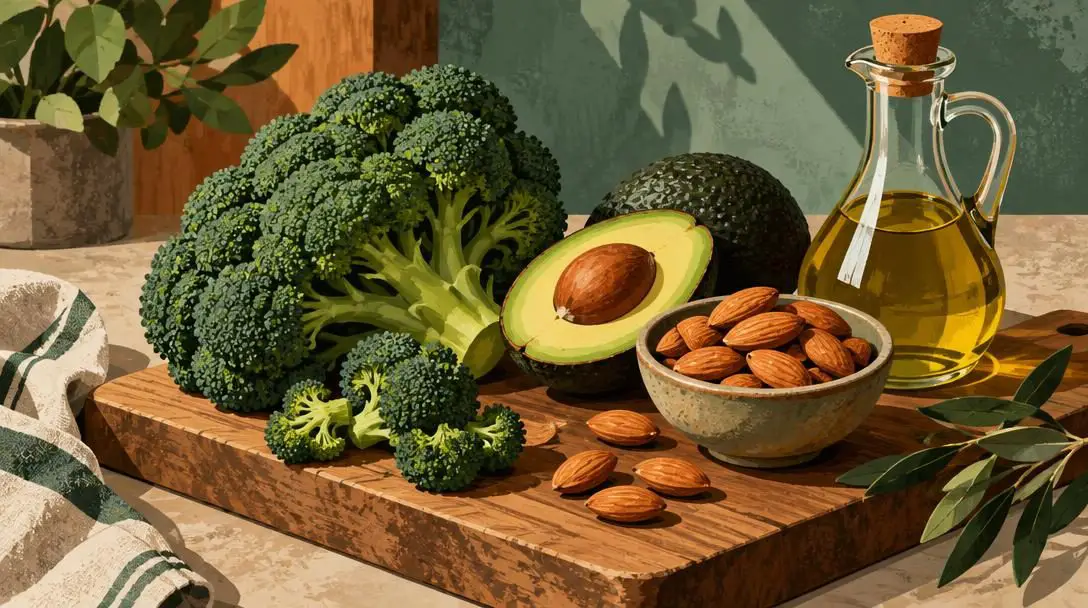
- Permitted foods: Unprocessed meats, seafood, eggs, vegetables, fruits, nuts, oils, and coffee
- Banned items: Dairy, wheat, all grains, legumes, added sugars, alcohol, and food additives
The Whole30 protocol is structured as a month-long elimination diet designed to identify potential food sensitivities. Participants consume only vegetables, fruits, unprocessed meats, seafood, eggs, nuts, selected oils like olive and coconut, and black coffee. By rigorously eliminating dairy, wheat, grains, alcohol, sugars, and processed additives for 30 straight days, individuals can systematically reintroduce foods later to see which items cause gastrointestinal irritation or inflammation.
While useful as a temporary diagnostic framework for identifying food triggers, Whole30 is poorly suited for ongoing weight control or sustainable health. The rules are uncompromisingly rigid, fostering unhealthy psychological guilt whenever an accidental dietary slip occurs. Furthermore, the total exclusion of complex grains eliminates a premier source of slow-burning dietary energy and essential B vitamins. Because the plan does not establish guidelines for portion control, participants can easily overconsume calorie-dense staples like tree nuts, cooking oils, and fatty meats, causing unexpected weight gain rather than weight loss.
Paleo-Vegan
- Core philosophy: Merges plant-exclusive veganism with grain-free, legume-free paleo rules
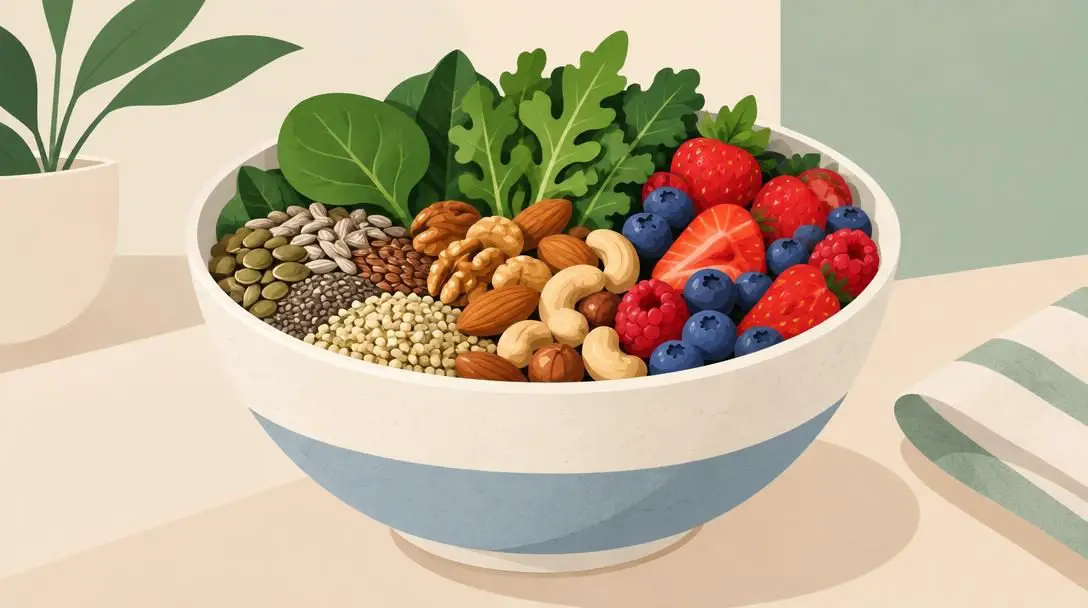
- Permitted foods: Vegetables, fruits, seeds, nuts, and plant oils
- Major nutritional shortfall: Inadequate complete dietary protein
Traditional paleo dietary guidelines emphasize animal meats, fish, and eggs while avoiding agricultural grains, legumes, and dairy. When dieters attempt to apply a vegan approach to the paleo template, they eliminate animal products alongside the standard paleo restrictions. The resulting menu leaves participants eating exclusively fruits, vegetables, nuts, seeds, and culinary oils. While removing dairy may provide relief to individuals who struggle with lactose intolerance or milk protein sensitivities, merging these two restrictive philosophies creates significant nutritional obstacles.
The most immediate physiological challenge of a paleo-vegan diet is obtaining sufficient dietary protein. Because the regimen prohibits animal meats, fish, and dairy while simultaneously outlawing core plant-based protein staples like beans, lentils, peas, and soy products, dieters struggle to meet their basic amino acid requirements. Furthermore, attempting to survive within such a tiny dietary window invites intense mental fatigue. Highly restrictive guidelines almost inevitably prompt rule-breaking, resulting in feelings of personal failure, self-reproach, and destructive cycles of emotional overeating.
The biological and behavioral reasons fad diets fail
The fleeting success and subsequent failure of extreme diets follow predictable biological and behavioral patterns. Fad diets rarely stimulate weight reduction through metabolic optimization; instead, they force rapid scale fluctuations through intense deprivation that the human body actively resists.

When an eating plan relies on absolute deprivation, early weight loss typically reflects shed water and depleted muscle mass rather than sustainable fat reduction.
When an eating protocol drastically cuts daily caloric consumption—whether through liquid detox fasts or an egg-and-wine regimen—the body rapidly burns through its stored glycogen reserves. Because each gram of stored glycogen holds significant water weight, the early drop seen on a bathroom scale primarily represents lost water and lean tissue rather than genuine fat loss. Once regular food intake returns, those fluid reserves replenish almost immediately, erasing the apparent progress.
Simultaneously, single-focus eating plans like the carnivore diet highlight the conflict between appetite suppression and cellular nutrition. Consuming heavy animal proteins maintains short-term satiety, but the chronic absence of dietary fiber disrupts gastrointestinal motility, alters the intestinal microbiome, and starves vital organs of plant-based antioxidants. Lastly, overly rigid dietary restrictions produce an intense psychological rebound effect. Labeling normal foods as strictly forbidden fosters black-and-white thinking, ensuring that a single dietary misstep frequently spirals into an uncontrolled binge.
Practical guidelines for sustainable weight loss
Achieving a healthy body weight does not require severe restriction or complete food group bans. Adopting steady, health-supportive habits ensures progressive results while preserving your metabolic and psychological well-being over the years ahead.
- Prioritize whole foods over total exclusion: Rather than stripping entire macronutrient categories out of your daily routine, construct meals around minimally processed choices. Fill plates with diverse vegetables, fruits, healthy fats, and quality proteins.
- Retain solid foods and natural roughage: Avoid all liquid juice fasts and detox cleanses. Solid meals containing rich plant roughage are necessary to provide digestive bulk, regulate bowel motility, and promote gradual nutrient absorption.
- Include unrefined complex grains: Preserve complex grains such as oats, brown rice, and quinoa in your meals to secure steady, slow-burning fuel and sufficient micronutrients without experiencing energy crashes.
- Refrain from using alcohol or stimulants as meal replacements: Never rely on alcohol to cut calories or excessive black coffee to blunt natural hunger signals. Both substances place immense strain on organs like the liver and cardiovascular system.
- Establish sensible portion awareness: Nutritious, whole foods like nuts, olive oil, and meats are highly energy-dense. Monitoring daily portion sizes prevents unintentional caloric surpluses while still allowing dietary variety.
Common dietary pitfalls to avoid
When changing your personal eating habits, it is easy to adopt practices that sound beneficial in marketing copy but undermine your health in daily life. Be cautious of these widespread dietary missteps:
- Believing commercial cleanse claims: Trusting that liquid tonics composed of maple syrup or cayenne pepper clean your internal organs ignores the fact that your liver and kidneys handle waste elimination naturally when supported by solid nutrition.
- Sacrificing lean protein on plant diets: Combining restrictive lifestyles without planning for adequate protein can deplete your body of critical amino acids, causing loss of lean muscle tissue and reduced daily stamina.
- Assuming approved foods have no caloric limits: Assuming that eating strictly approved foods on protocols like Whole30 removes the need for portion awareness often leads to weight plateaus or unintentional weight gain.
- Viewing temporary fixes as permanent solutions: Committing to severe regimens that you cannot realistically follow for months or years virtually guarantees that any shed weight will return the moment regular eating resumes.
Frequently asked questions
Why do liquid detox cleanses produce such rapid initial weight loss?
Liquid cleanses force the body into a state of severe caloric deficit. This rapid drop on the scale occurs because your body burns through its internal glycogen stores, releasing several pounds of bound water weight, rather than burning meaningful amounts of body fat.
Can an individual survive long-term on the carnivore diet?
While an individual can survive for a period on meat, eggs, and cheese due to the high protein and fat content, the complete absence of plant matter deprives the cardiovascular and digestive systems of dietary fiber, antioxidants, and essential micronutrients, creating severe organ strain over time.
Why can people gain weight while strictly following Whole30?
Whole30 sets no restrictions on serving sizes or daily volume. As a result, individuals frequently overconsume high-density, approved ingredients such as nuts, seeds, red meats, and cooking oils, consuming more calories than their bodies burn despite avoiding dairy, wheat, and sugar.
What makes the egg and white wine diet dangerous?
The egg and white wine diet mandates drinking an entire bottle of wine daily, which constitutes binge drinking and inflicts direct toxic stress on the liver. Additionally, the diet provides fewer than 1,300 calories daily and contains zero fruits, vegetables, or dietary fiber.
Why is dietary roughage necessary for healthy weight management?
Dietary roughage and fiber provide necessary physical bulk within the gastrointestinal tract, ensuring regular digestive motility, stabilizing blood sugar release, and cultivating a diverse intestinal microbiome that supports natural metabolic health.
The bottom line
Navigating the modern diet landscape requires looking past the allure of rapid physical transformations and prioritizing the fundamental requirements of human biology. While quick-fix regimens like the egg and white wine diet, carnivore protocols, juice cleanses, Whole30, and paleo-vegan plans claim to offer fast paths to weight management, they depend on severe limitations that damage your metabolism, stress vital organs, and cultivate guilt around normal meals.
True vitality and steady weight control come from consistency rather than intense deprivation. By focusing on whole, minimally processed ingredients, securing necessary roughage from solid plant foods, retaining nourishing complex grains, and maintaining sensible portions, you can achieve your wellness goals without putting your body through volatile, counterproductive diet fads.